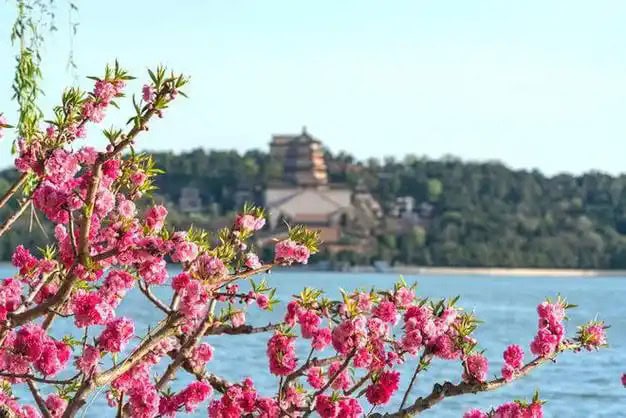
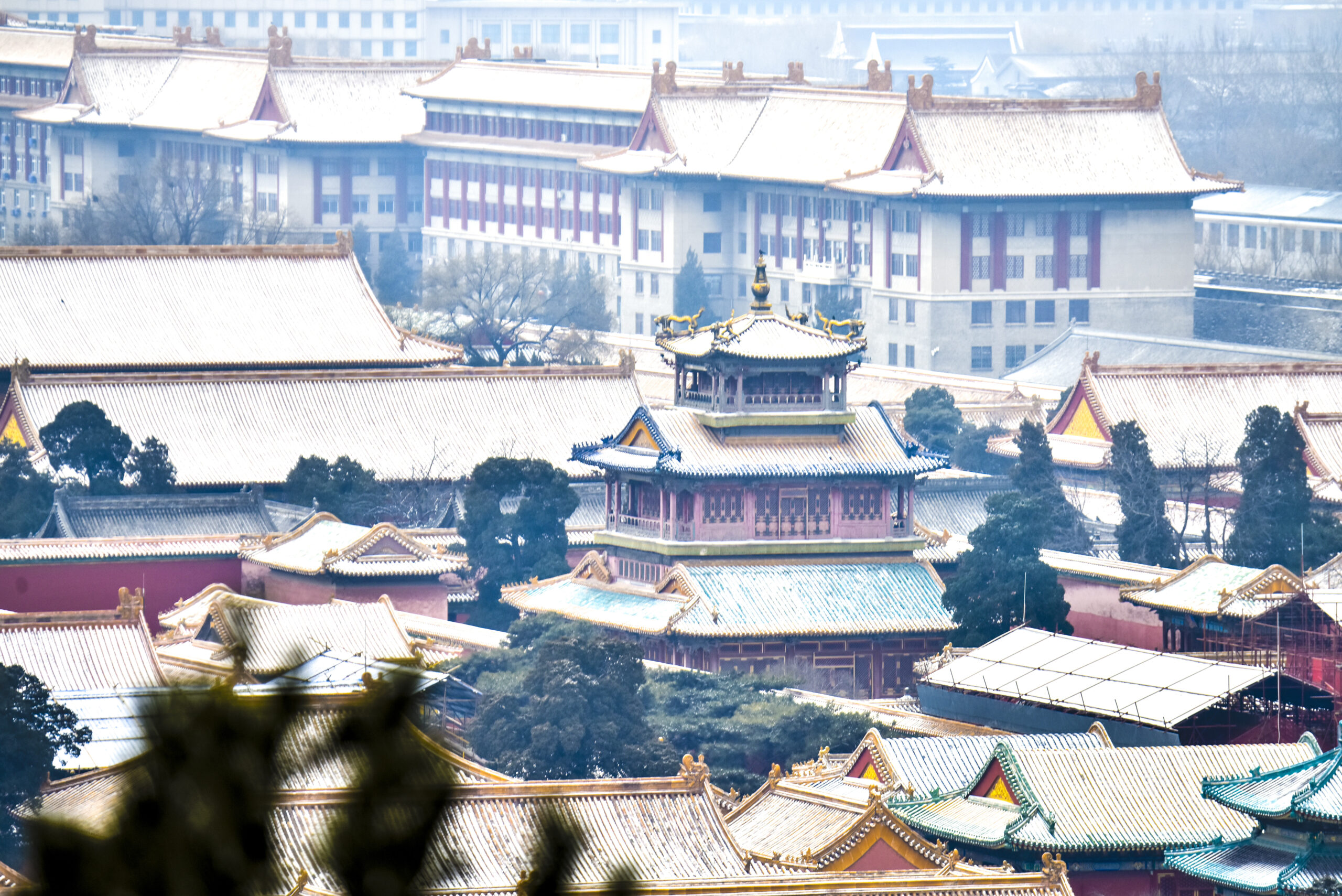
As a royal garden of Ming and Qing dynasties, the Imperial Garden of the Forbidden City has a rich variety of plants, which reflects the delicacy and diversity of the royal garden. The following is a detailed introduction to the types and maintenance of plants in the imperial garden:
Plant species
There are a wide variety of plants in the imperial garden, including trees, shrubs, flowers and other types, including many rare tree species and precious flowers.
Trees:
White bark pine: There are white bark pine distribution on the Qin ‘an Hall and Duixiu Mountain. White bark pine has beautiful trees and mottled bark. It is one of the characteristic trees in the imperial garden.
Longjava Sophora: There is a tree about 400 years old in the northeast corner of the imperial garden, the crown of the tree is like an umbrella, the branches twisted, known as “Panlong Sophora”, is the iconic plant of the imperial garden.
Mountain tree: located near Kun Ning Gate, flowering in early April to early May, purple flowers, very beautiful.
Lipper: Located in Tianyi Gate, two cypress trees intertwine symbiosis, implying the unity of the world and benevolent government.
Herringbone cypress: It is also a characteristic tree in the imperial garden. It forms herringbone through artificial pruning, adding interest to the garden.
Shrubs and flowers:
Magnolia: There are magnolia plants near Fubiting, blooming in March, the flowers are as white as jade, fragrant.
Peony: known as the “King of Flowers”, flowering in late April to early May, the imperial garden planted a variety of peony varieties, such as “flower erqiao”, “coral Terrace”, “Yingrihong”, etc., colorful and magnificent.
Peony: known as the “flower phase”, the flower period is similar to peony, and mixed planting with peony, adding more color to the imperial garden.
Cloves: There are two kinds of purple and white cloves in the imperial garden, blooming in mid-April, with a rich aroma.
Taiping flower: It blooms in May. There are Taiping flowers at the gate of Jiang Xuexuan. The flowers are as white as snow, fresh and elegant.
Rose: As the “queen of flowers”, the rose is also planted in the imperial garden, with a long flowering period and high ornamental value.
Wisteria: Wisteria is planted on the dead herringback cypress to the north of Wanchun Pavilion, forming a new landscape.
Begonia: Wenhua Hall, Ningshou Palace, Yongshou Palace and West Changfang and other places have begonia planting, mainly Xifu begonia, flowering in mid-April, pink petals and red walls and gold tiles set off.
Maintenance management
The plant maintenance work in the imperial garden is responsible for professional flower and tree maintenance engineers, who ensure the healthy growth of plants and landscape effects through a series of scientific management measures.
Soil Management:
Regular soil change, improve soil structure and fertility, and provide a suitable growth environment for plants.
Deep ploughing buried ventilation pipe, increase soil permeability, prevent soil compaction.
Irrigation and Drainage:
According to the growth needs of plants and seasonal changes, reasonable arrangement of irrigation time and water quantity.
Set up drainage systems to prevent damage to plant roots caused by stagnant water.
Trimming and Shaping:
Regularly prune plants to remove dead, diseased and overdense branches to keep the tree beautiful.
The characteristic tree species such as Cypress herringbone and Lindendri were pruned to enhance the landscape effect.
Pest control:
The combination of biological control and chemical control is adopted to effectively control the occurrence and spread of diseases and pests.
Check the growth status of plants regularly, and promptly detect and deal with pests and diseases.
Keep warm:
In winter, take cold protection measures for plants that are vulnerable to freezing damage, such as wrapping insulation materials and building cold shelters.
Protection of ancient and famous trees:
The ancient and famous trees in the imperial garden should be given special protection, and protection signs and fences should be set up to prevent man-made damage.
Regular physical examination and maintenance of old and famous trees to ensure their healthy growth.
For example, the Palace Museum has taken a number of protection measures for the Panlong Sophora in the imperial garden, including building a stable support, repairing the tree hole, and spraying fungicides to prevent pathogen infection, to ensure that this ancient tree can grow healthily and continue to provide visitors with a beautiful landscape.