The best time to visit shangri-la is from March to October. The weather is nice for exploring during these months. Shangri-la is high up on the Tibetan Plateau. You will feel warm days and cold nights. In spring and autumn, you can see flowers and golden leaves. The sky is clear and blue, which is great for hiking or photos. In summer, the land is full of color. The sunlight is strong, and mornings are cool. You might enjoy festivals, outdoor fun, or learning about culture. Shangri-La Weather Guide helps you plan your trip. China Explorer Tour gives you expert help and a special plan for your dream shangri-la trip.
Key Takeaways
Go to Shangri-La between March and October for nice weather and great views. Spring and autumn have pretty flowers and clear skies. These seasons are good for outdoor fun. Bring clothes you can layer to keep warm at night. Take rain gear for summer rain. Join local festivals in summer to see cool culture and enjoy nature. Ask China Explorer Tour for help and special travel plans to make your trip better.
Shangri-La Weather Guide
Altitude Effects
Shangri-la is high in the mountains in northwestern Yunnan. The average altitude is more than 3,000 meters. The air feels thinner and the sun feels stronger. Altitude changes the shangri-la weather guide in many ways:
Aspect | Description |
|---|---|
Location | Northwestern Yunnan, edge of the Tibetan Plateau |
Altitude | Over 3,000 meters above sea level |
Climate | Influenced by the southwest Indian Ocean monsoon, with a rainy season |
Weather | Highland and mountainous, with big changes between day and night |
Take your time when you get there. Your body needs to get used to the high altitude. Many people visit lower places like Lijiang first. This helps you avoid feeling sick from altitude. Drink plenty of water and eat foods with carbs. Wear clothes in layers. The shangri-la weather guide says to do easy activities at first.
Seasonal Overview
The shangri-la weather guide shows the climate changes with each season. Winter is from November to March. Days are cold and dry, and nights are chilly. Spring is in April and May. Flowers bloom and afternoons get warmer. Summer is from June to August. This is the rainy season, so hills turn green and clouds appear. Autumn is short but pretty, with golden leaves and clear skies from September to October.
Winter: Very cold, not much rain, nights are long.
Spring: Flowers open, days get warmer, nights stay cool.
Summer: Warmest and wettest, most rain in July and August.
Autumn: Cool, dry, and colorful.
You can check the latest shangri-la weather guide from trusted sources like AccuWeather or Yunnan Exploration. China Explorer Tour uses new technology and local experts to give you the best advice for your trip. You will get tips for every season, so you can plan your adventure with confidence.
Shangri-La Weather by Month
If you want to plan your trip, you need to look at the shangri-la weather by month. The weather changes a lot in shangri-la. You will see big differences in temperature, rainfall, and scenery. Here is a quick look at the monthly weather:
Month | Avg High (°C) | Avg Low (°C) | Rainfall (mm) |
|---|---|---|---|
January | -4.5 | -9 | 1 |
February | -2.9 | -9 | 1 |
March | -0.6 | -9 | 1 |
April | 5 | -5 | 10 |
May | 10 | 0 | 30 |
June | 16.9 | 9 | 70 |
July | 18 | 10 | 175 |
August | 19 | 10 | 156 |
September | 17 | 8 | 80 |
October | 20 | 7 | 21.87 |
November | 12 | -3 | 4.07 |
December | 12 | -3 | 4.07 |
Let’s break down what you can expect each season.
January-March: Cold & Clear
You will feel the cold right away in shangri-la during these months. January brings the lowest average temperature, with daytime temperatures from -9°C to 6°C. Nights get even colder. February stays chilly, with an average temperature of -2.9°C. March starts to warm up, but you still need a thick jacket. The average temperature in March ranges from -3°C to 11°C. Daytime temperatures can reach 16°C on sunny days, but nights drop to -8°C or even lower.
Rainfall is very low. You may see only 1 mm of rain each month. Most days are dry, and you might see snow instead of rain. The sky stays clear, which means you get great views of the mountains. The air feels crisp and fresh. You may want to bring a scarf and gloves for the cold mornings and evenings.
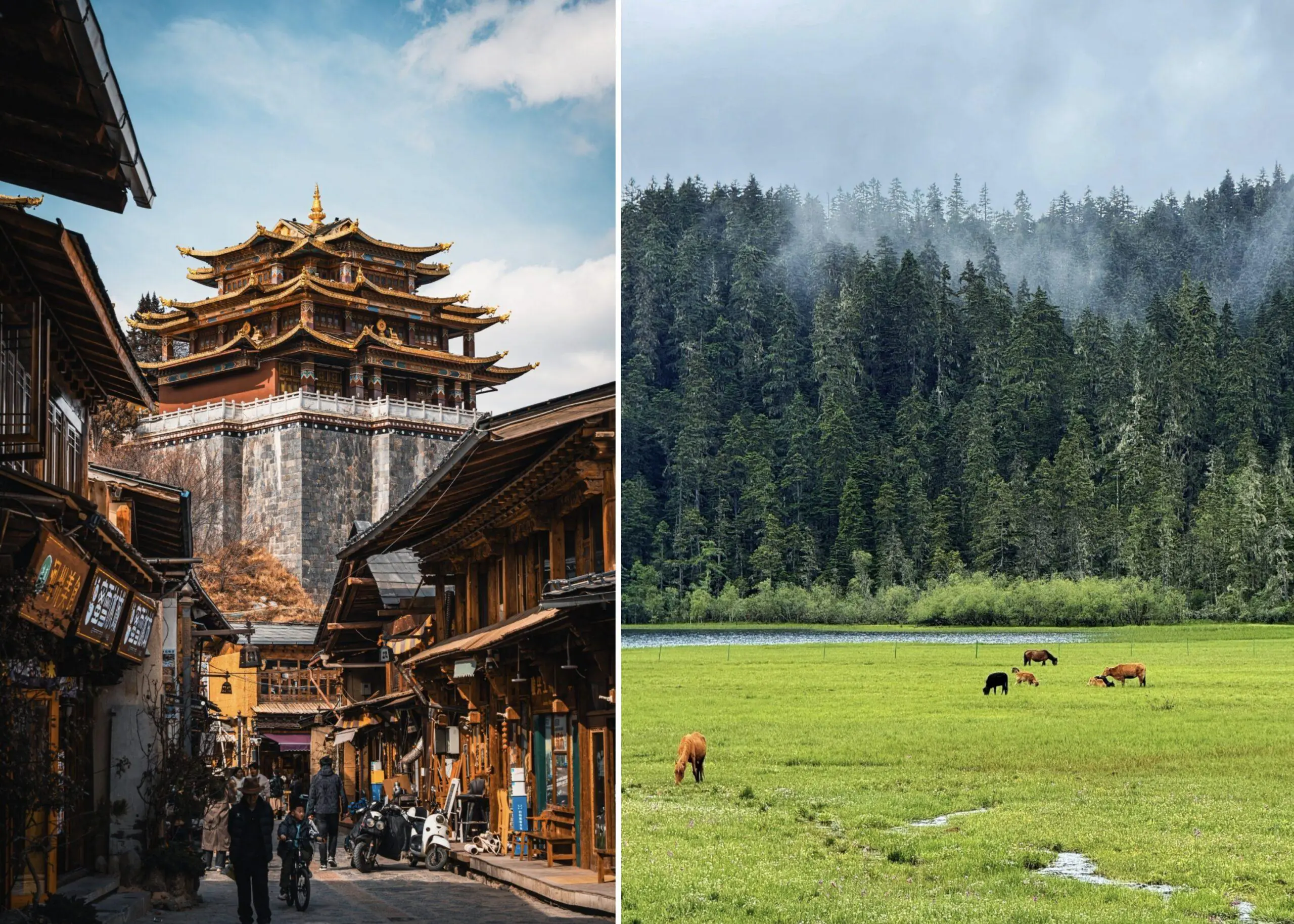
Traveling in shangri-la during this time feels peaceful. Fewer tourists visit, so you can enjoy quiet temples and snowy landscapes. If you love winter scenery, you may find this season magical. The forests and prairies look like a winter wonderland. You may want to take it slow to adjust to the altitude and cold. The 8-Day Classic Yunnan Tour includes stops in shangri-la, and you may enjoy the snowy views if you travel in early spring.
Packing Tips:
Bring a thick coat, hat, and gloves.
Wear layers to stay warm.
Pack lip balm and moisturizer for the dry air.
April-June: Mild & Blossoming
Spring arrives in April. The weather gets milder, and you will see flowers everywhere. The average temperature rises to 5°C in April and 10°C in May. By June, daytime temperatures reach 16.9°C, and nights feel much warmer. Rainfall starts to increase, but you still get many sunny days.
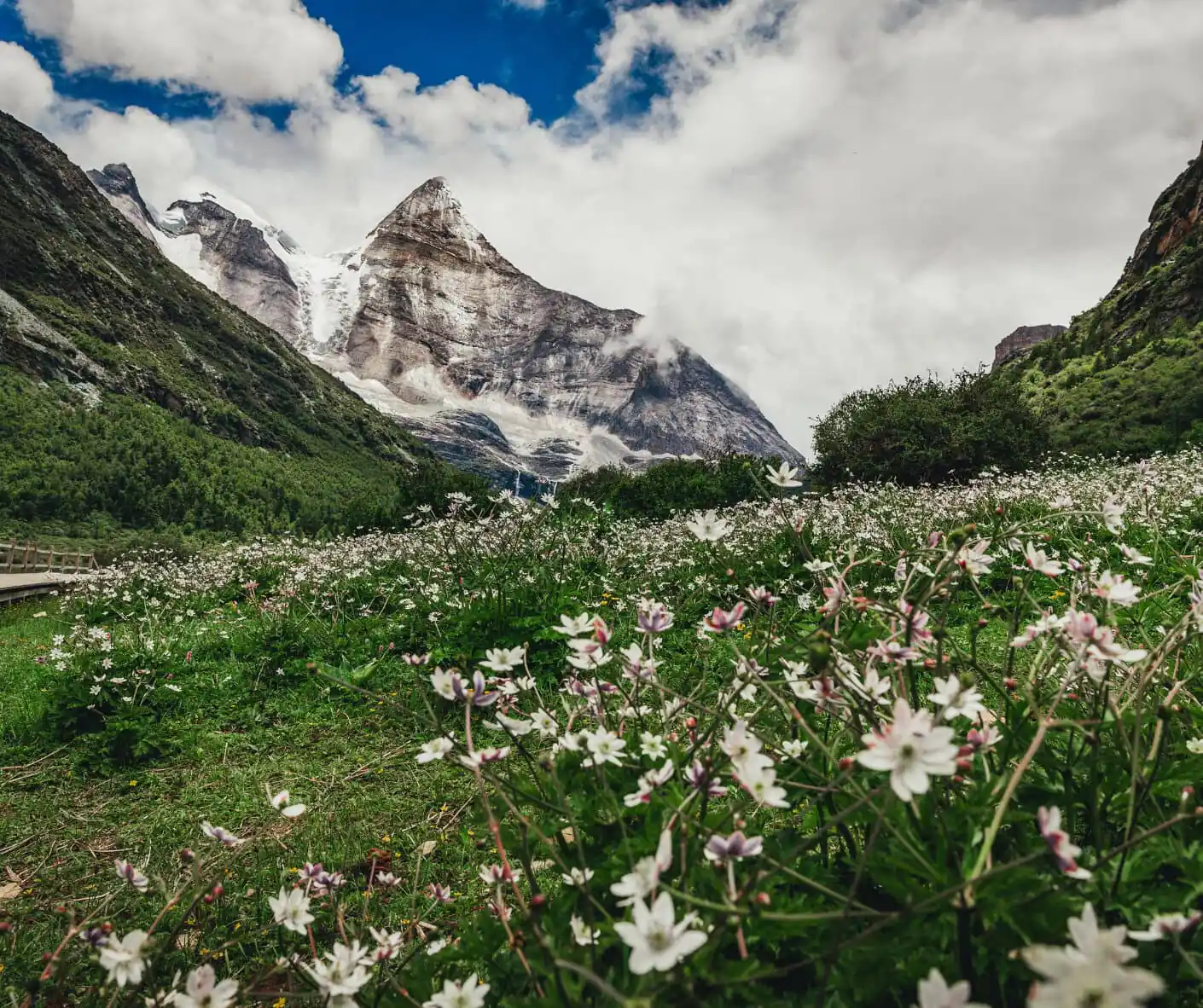
You may notice azaleas blooming all over shangri-la. Pudacuo National Forest Park and Little Zhongdian Flower Town turn into seas of color. You may see Stellera chamaejasme and other wildflowers. The grasslands look green and fresh. The lakes reflect the blue sky. You may want to bring a camera for the beautiful scenery.
May is a special month in shangri-la. The weather feels just right for hiking and exploring. You may walk through flower fields or visit local villages. June brings more rain, but the showers help the flowers grow. You may need a light rain jacket, but you can still enjoy outdoor activities.
The 8-Day Classic Yunnan Tour is perfect for this season. You may join in April, May, or June to see the best of shangri-la’s spring. You may also enjoy local festivals and cultural events.
Packing Tips:
Bring a light jacket for cool mornings.
Wear comfortable shoes for walking.
Pack a raincoat or umbrella for sudden showers.
Don’t forget sunscreen. The sun feels strong at high altitude.
July-September: Rainy & Lush
Summer in shangri-la means rain and green hills. July, August, and September are the wettest months. July brings an average temperature of 18°C during the day and 10°C at night. August feels similar, with daytime temperatures around 19°C and nights at 10°C. Rainfall peaks in July with 175 mm and stays high in August with 156 mm. September cools down a bit, but you still get 80 mm of rain.
You may see clouds rolling over the mountains. The grasslands and forests look lush and full of life. Rivers and lakes fill up, and waterfalls flow strong. You may want to hike, but some trails get muddy. The air feels fresh after the rain. You may spot rainbows in the afternoon.
July and August are great for nature lovers. You may see wildflowers, yaks grazing, and local farmers working in the fields. The rain brings out the best colors in shangri-la. You may want to pack waterproof shoes and a rain jacket. The sun still shines between showers, so you may get both rain and sun in one day.
The 8-Day Classic Yunnan Tour runs in summer, too. You may enjoy the cool mornings and lively scenery. You may also join local summer festivals.
Packing Tips:
Bring a waterproof jacket and shoes.
Pack quick-dry clothes.
Carry a hat and sunscreen for sunny breaks.
Use a backpack cover to keep your things dry.
October-December: Crisp & Dry
Autumn and early winter bring clear skies and cool air. October feels mild, with daytime temperatures from 9°C to 20°C and nights from -2°C to 7°C. November and December get colder, with daytime temperatures from 5°C to 12°C and nights dropping to -9°C.
Rainfall drops again. October sees about 21.87 mm, but November and December have only 4.07 mm each. The air feels dry, and the sky stays blue. You may see golden leaves in October, especially in Pudacuo National Park. The forests turn red, orange, and yellow. By November, the trees lose their leaves, and the land gets ready for winter.
You may notice strong winds at higher places. You may want to wear a warm jacket and scarf. The mornings and evenings feel cold, but the sun warms you during the day. You may see snow on the mountain peaks. The scenery looks peaceful and bright.
If you visit shangri-la in autumn, you may enjoy fewer crowds and beautiful colors. The 8-Day Classic Yunnan Tour is a great choice for October or November. You may see both autumn leaves and early snow.
Packing Tips:
Bring a warm jacket and scarf.
Wear layers for changing temperatures.
Pack lotion for dry skin.
Bring gloves for cold mornings.
No matter which month you choose, shangri-la offers something special. The weather changes with each season, so you may find a time that fits your style. If you want expert help, China Explorer Tour can design a trip just for you. You may join the 8-Day Classic Yunnan Tour for the best experience in every season.
Best Times to Visit Shangri-La
Ideal Months for Travel
Are you wondering when to visit Shangri-La? Most people like to go from March to October. The weather feels nice, and the views are beautiful. In spring, azaleas bloom and the air feels fresh. Summer brings warm days and green fields. Autumn has clear skies and bright leaves. Winter is cold, but you can see snow and quiet temples.
Here’s a simple list of the best times to visit Shangri-La:
Spring (April-May): Flowers open, and the weather is gentle.
Summer (June-August): Fields turn green, and there are fun festivals.
Autumn (September-October): The sky is clear, and leaves turn gold.
Winter (November-March): It is cold, with snowy scenes and peaceful places.
Seasonal Highlights
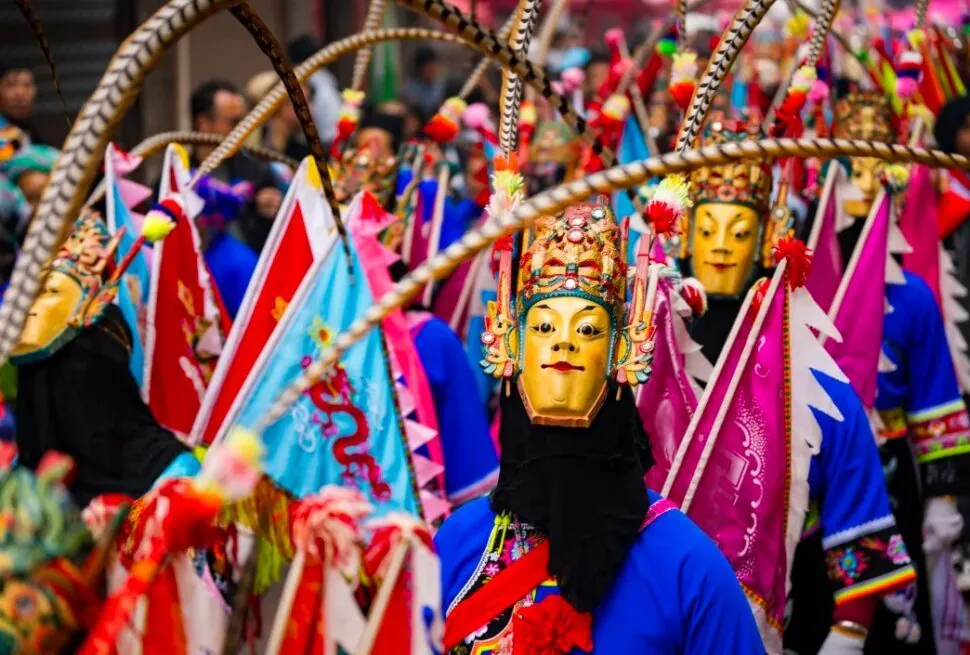
Every season in Shangri-La is special. You can see the sunrise over Meili Snow Mountain. In June, people celebrate the Horse Racing Festival with games and dances. August has the Dengba Festival, with torches and singing. You might dance the Guozhuang in Dukezong Ancient Town. Lighting butter lamps in monasteries feels magical. In winter, Pudacuo National Park looks calm and pretty.
Tip: If you enjoy culture, visit during festival months. If you love nature, choose spring or autumn for nice weather and clear skies.
China Explorer Tour Recommendations
China Explorer Tour can help you plan your trip. Their team knows the best places and secret spots. They have special trips for each season and can make a plan just for you. You get good advice for every kind of weather and activity. Here is a table with top travel ideas for each season:
Season | Activities | Travel Recommendations |
|---|---|---|
Spring | Azalea blooms, Pudacuo National Park | 4-Day Yubeng Village Hiking Tour, 6-Day Shangri-La Adventure Tour |
Summer | Wildflower meadows, festivals | 4-Day Shangri-La Exploration Tour, 8-Day Kunming-Dali-Lijiang-Shangri-La Highlights Tour |
Autumn | Hiking, golden leaves, clear weather | 4-Day Yubeng Village Hiking Tour, 6-Day Shangri-La-Deqin Adventure Tour |
Winter | Monasteries, snowy landscapes | Best of Shangri-La Tour |
You can count on China Explorer Tour to fit your interests and the weather. Their tips help you pick the best time to visit Shangri-La. You will have a smooth trip, meet locals, and make great memories.
Packing Tips for Shangri-La
Packing for shangri-la can feel tricky, but you can get it right if you know what to wear. The weather changes a lot, so you need to think about what to wear for every season. China Explorer Tour’s travel guides help you decide what to wear for your trip. You want to feel comfortable, stay warm, and enjoy every moment in shangri-la. Here’s what to wear for each season.
Spring & Summer Essentials
Spring and summer in shangri-la bring mild days, cool nights, and sometimes rain. You need to know what to wear to stay cozy and dry. Here’s what to wear for these months:
2 t-shirts and 2 long-sleeved shirts (what to wear for layering)
1 tunic dress (what to wear for style and comfort)
2 jackets (a down coat and a rain jacket—what to wear for warmth and rain)
3 pairs of pants (what to wear for hiking or walking)
1 warmer sweater (what to wear for chilly mornings)
3 pairs of shoes (what to wear for different activities)
Cold-proof clothes like a woolen sweater (what to wear for sudden cold)
A thin jacket (what to wear for wind)
Lightweight, sweat-absorbing pants (what to wear for active days)
Underwear and socks (what to wear for every day)
1-2 pairs of comfortable, waterproof, non-slip shoes (what to wear for rain)
Umbrella or raincoat (what to wear for showers)
Strong sunblock, lip balm, toothbrush, and toilet paper (what to wear for self-care)
Diamox for altitude sickness (what to wear for health, ask your doctor)
Tip: The weather in shangri-la can reach 29°C during the day, but it drops to 0°C at night. Always check what to wear before you leave your hotel.
Fall & Winter Gear
Fall and winter in shangri-la feel cold and dry. You need to know what to wear to stay warm and happy. Here’s what to wear for these seasons:
Season | Temperature Range | What to Wear |
|---|---|---|
Autumn | 18℃ to 2℃ | Long-sleeved clothing, warm coat, suits, jackets, trench coats, light sweaters |
Winter | -10℃ to 10℃ | Thermal wear, thick coats, down jackets, gloves, scarf, warm hat, woolen hats |
You should pack long johns, thick sweatpants, hoodies, and 3-in-1 jackets for autumn. For winter, bring thermal underwear, thick pants, sweaters, down jackets, woolen hats, gloves, and scarves. Always check what to wear each morning because the weather can change fast in shangri-la.
Note: China Explorer Tour’s travel guides give you a full list of what to wear for every season. You can ask your guide for more tips on what to wear for your adventure.
If you remember what to wear for each season, you will enjoy shangri-la in any weather. You will stay comfortable, safe, and ready for every adventure.
You want your trip to shangri-la to be amazing. The best months to visit shangri-la are from May to October. You get clear skies, colorful festivals, and beautiful nature. Packing right makes your journey smooth. You need warm clothes for cold nights, sunscreen for strong sunlight, and rain gear for summer showers. You can enjoy shangri-la’s highlights if you plan for the weather and local events. China Explorer Tour helps you discover shangri-la with tailored trips and expert advice.
Packing tips for shangri-la:
Thick coats and windproof jackets for chilly nights
Sun cream, hats, and sunglasses for sunny days
Rain gear for July and August
Visit during May or June for festivals and natural beauty
Ready for shangri-la? Book your adventure with China Explorer Tour and explore the best of shangri-la!
FAQ
What is the best month to visit shangri-la?
You get the best weather in shangri-la from May to October. Flowers bloom in spring, and autumn brings golden leaves. Summer feels warm and lively. You can enjoy festivals and clear skies.
How do I handle altitude sickness in shangri-la?
You should take it slow when you arrive in shangri-la. Drink water and eat carbs. Rest for a day before hiking. Ask your guide from China Explorer Tour for tips. Some travelers use Diamox after talking to their doctor.
Can I join local festivals in shangri-la?
Yes, you can! Shangri-la hosts festivals like the Horse Racing Festival in June and the Dengba Festival in August. You get to see dances, games, and local traditions. China Explorer Tour can help you join these events.
What should I pack for shangri-la?
You need layers for shangri-la. Bring a warm jacket, rain gear, and sunblock. Pack comfortable shoes for walking. China Explorer Tour’s guides give you a full packing list for every season.
Is shangri-la family-friendly?
Shangri-la welcomes families. You find easy hikes, cultural workshops, and safe hotels. China Explorer Tour offers tailored tours for families, making your trip smooth and fun.