
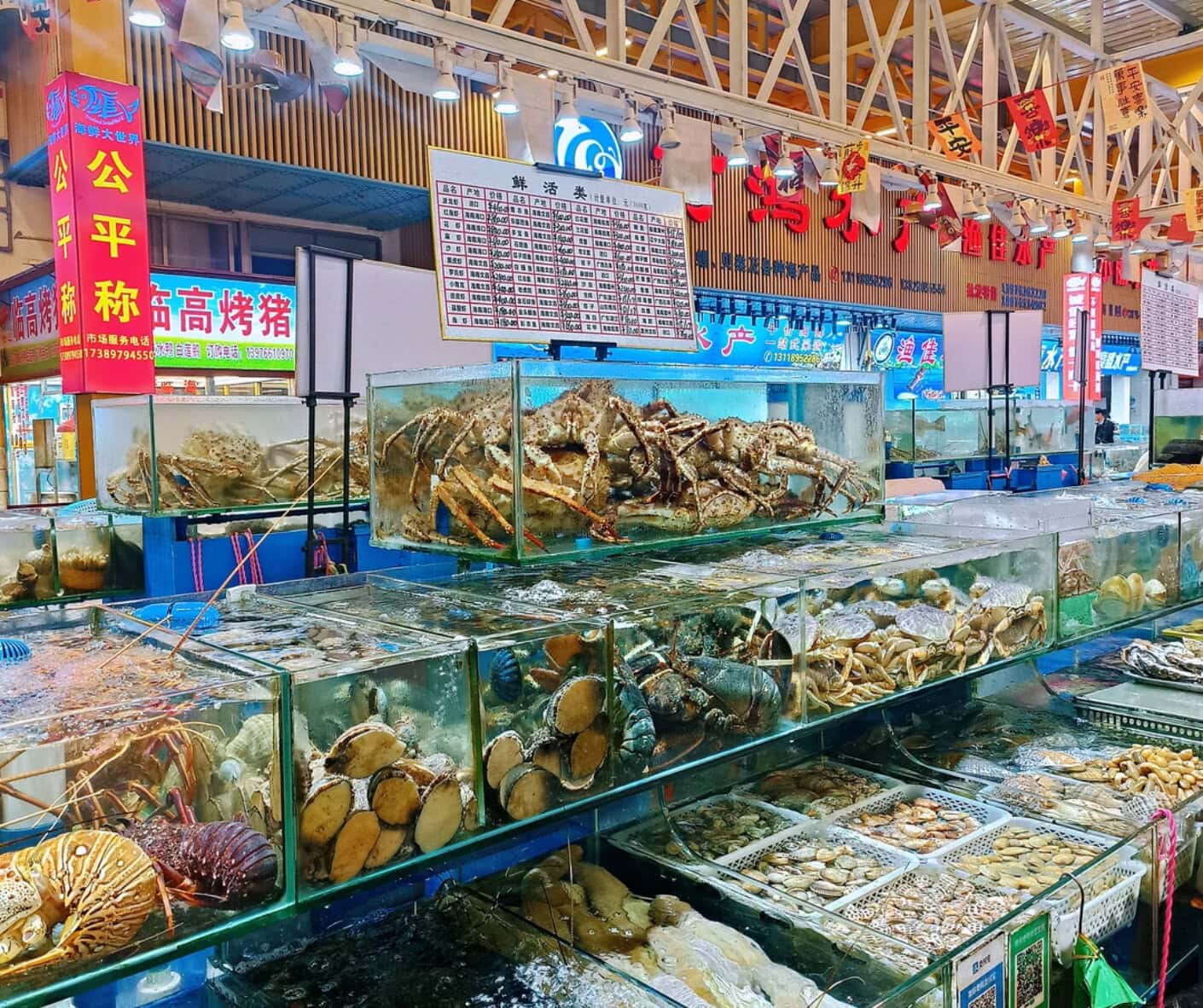
Step into Hainan’s seafood market and let your senses come alive. You see bright fish glistening on ice, hear the lively chatter of vendors, and smell the ocean in the air. When you shop here, you support local families and help boost tourism. You get the freshest catch and a taste of true island life.
Key Takeaways
Visit Hainan’s seafood market early in the morning for the freshest catch. Arriving before 8 a.m. gives you first pick of the day’s seafood.
Bring a reusable bag, cash, and a cooler for live seafood. Being prepared makes your shopping experience smooth and enjoyable.
Look for clean stalls and lively seafood to find reputable vendors. Trust your senses—fresh seafood looks and smells clean.
Plan Your Market Visit
Best Time For Fresh Finds
You want the best catch, right? Head to Hainan’s seafood market early in the morning. Most fishermen bring in their haul before sunrise. Vendors set up their stalls as the sky turns pink. If you arrive before 8 a.m., you get first pick of the day’s fresh seafood. You see fish still flipping, crabs waving their claws, and shrimp jumping in baskets. The market feels alive and full of energy. If you can’t make it early, try late afternoon. Some vendors offer deals before closing, but the selection might be smaller.
Tip: Ask locals about the best market days. Some markets have special “big catch” days when boats bring in extra variety.
What To Bring For Shopping
You don’t need much to enjoy the market, but a little preparation helps. Here’s a quick checklist:
A reusable shopping bag or small cooler 🛍️
Cash in small bills (vendors rarely take cards)
Wet wipes or hand sanitizer
A notepad or phone for notes and photos
A sense of adventure!
Wear comfortable shoes. The market floor can get wet and slippery. Dress for the weather, since many stalls are open-air. If you plan to buy live seafood, bring a cooler with ice packs. That way, your seafood stays fresh until you get home.
Shopping at Hainan’s seafood market is easy when you come prepared. You’ll feel confident and ready to explore every corner.
Explore Hainan’s Seafood Market
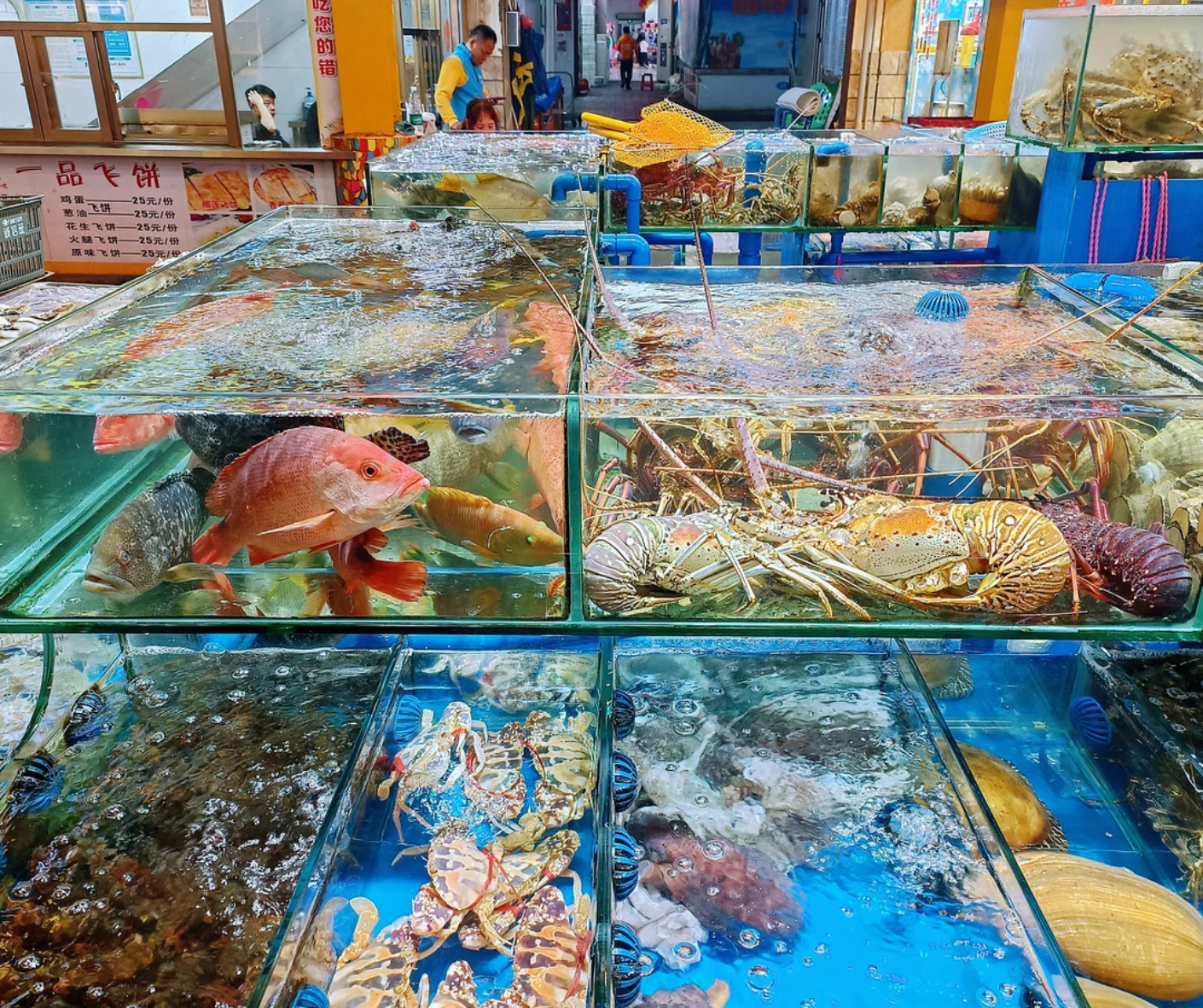
You step into hainan’s seafood market and feel the buzz right away. Vendors call out, baskets overflow with live seafood, and the air smells salty and fresh. You see locals picking out their favorites, chatting with sellers, and sometimes laughing as they bargain. The market feels alive, with fish swimming in tanks and crabs crawling across trays. You notice piles of tropical fruits and vegetables, adding color to the scene.
Spotting Reputable Vendors
You want the best seafood, so look for vendors who keep their stalls clean and their tanks bubbling. Watch how they handle their catch. If you see them changing water often or keeping fish lively, you know they care about freshness. Ask other shoppers where they buy their seafood. Locals usually know which stalls offer the best deals and quality. If you join a China Explorer Tour, your guide will help you spot trusted vendors and share tips for finding the freshest seafood in hainan’s seafood market.
Tip: Vendors with steady crowds often have the best seafood. Trust your senses—if it looks and smells fresh, it probably is.
Local Seafood Varieties
Hainan’s seafood market offers a huge range of seafood thanks to its tropical island location. You find fish, shrimp, crab, lobster, and shellfish. Local specialties include grouper, mud crab, and sea urchin. Residents often buy seafood at the market and take it to nearby restaurants for cooking. You can try this too. China Explorer Tour guides know which seafood is in season and can help you choose something special. Every visit to hainan’s seafood market brings new flavors and surprises.
Choose The Freshest Seafood
Visual And Smell Checks
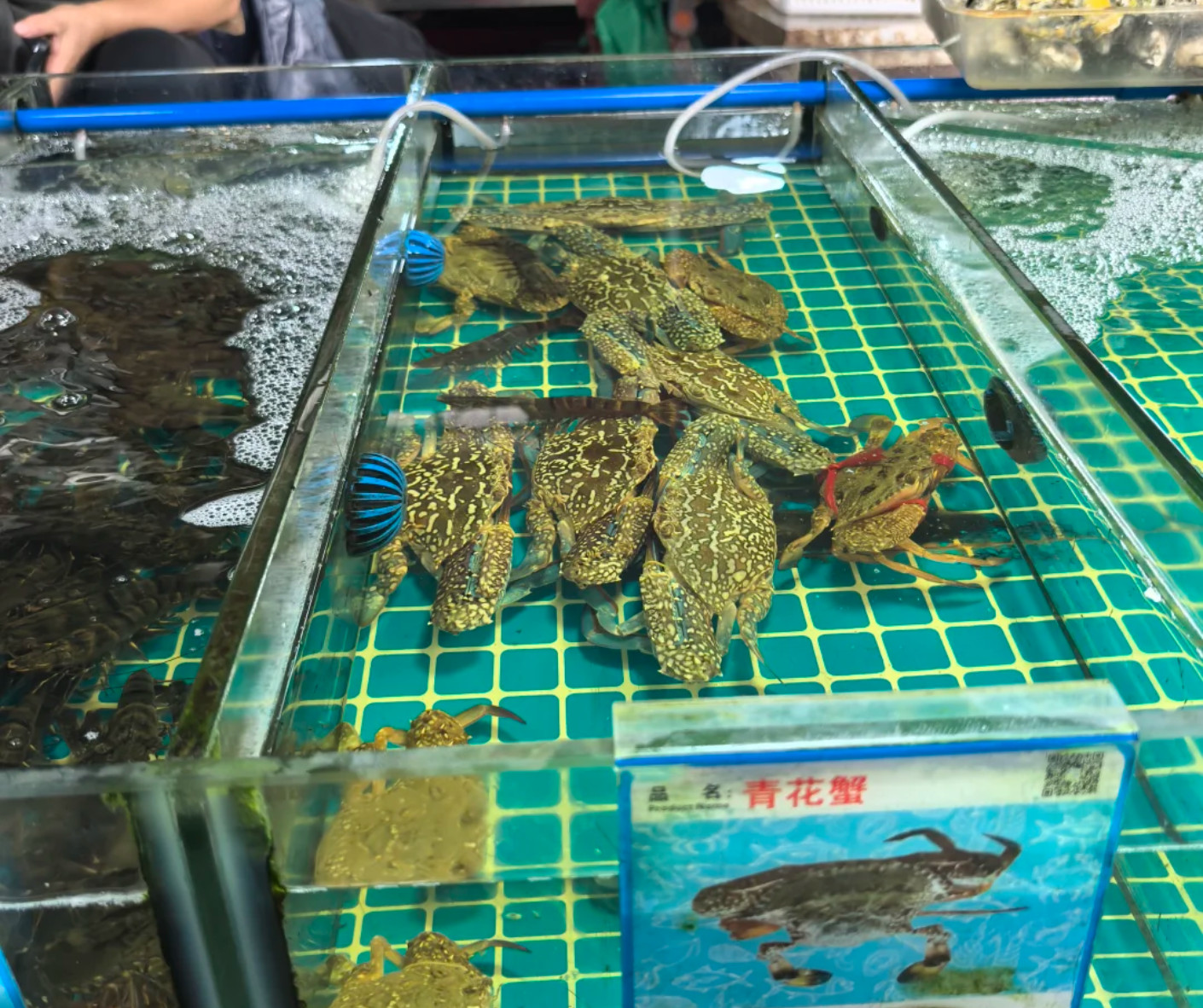
You want your meal to shine, so picking the freshest seafood is key. Start with your eyes. Look for clear, bright eyes on fish. Cloudy or sunken eyes mean the fish is not fresh. Check the skin. It should look shiny and moist, not dull or dry. If you see shrimp, they should jump or wiggle. Lobsters and crabs should move their legs or claws. Shellfish like clams and oysters must stay tightly closed. If they are open, tap them. If they close, they are alive. If not, skip them.
Your nose helps too. Fresh seafood smells like the ocean—clean and salty. If you notice a strong fishy or sour odor, walk away. Trust your senses. Vendors in Hainan’s seafood market often let you touch or smell their catch. Don’t be shy. Ask to check before you buy.
Tip: If you see ice, make sure it covers the seafood. Ice keeps it cool and fresh longer.
Questions For Vendors
Talking to vendors gives you extra confidence. Ask simple questions. “When was this caught?” or “Is this local?” Vendors in Hainan’s seafood market usually know their products well. They can tell you which seafood is in season. Ask how to cook it. Many sellers love sharing recipes or cooking tips. You might hear about steaming, grilling, or even hot pot styles.
You can also ask about the best way to store your seafood. Some vendors offer advice on cleaning or prepping your catch. If you join a China Explorer Tour, your guide can help translate and explain local customs. In Hainan, cultural traditions shape how people choose and prepare seafood. Families often pick fresh seafood for communal meals. They use hot pot styles to cook together, making the meal a social event.
Here’s a quick look at how culture influences seafood choices in Hainan:
Influence Type | Description |
|---|---|
Historical Exchange | Trade during the Ming and Qing dynasties brought seafood handling techniques from Fujian and Guangdong. |
Local Practices | People focus on fresh, lightly cooked seafood. Markets give immediate access to the day’s catch. |
Communal Dining Customs | Hot pot meals let families share and prepare seafood together, building community bonds. |
You see these traditions in the market. Vendors and shoppers talk about recipes and family gatherings. You feel the sense of community as you choose your seafood. Every question you ask helps you learn more and enjoy your meal.
Buy And Bargain Like A Local
Price Negotiation Tips
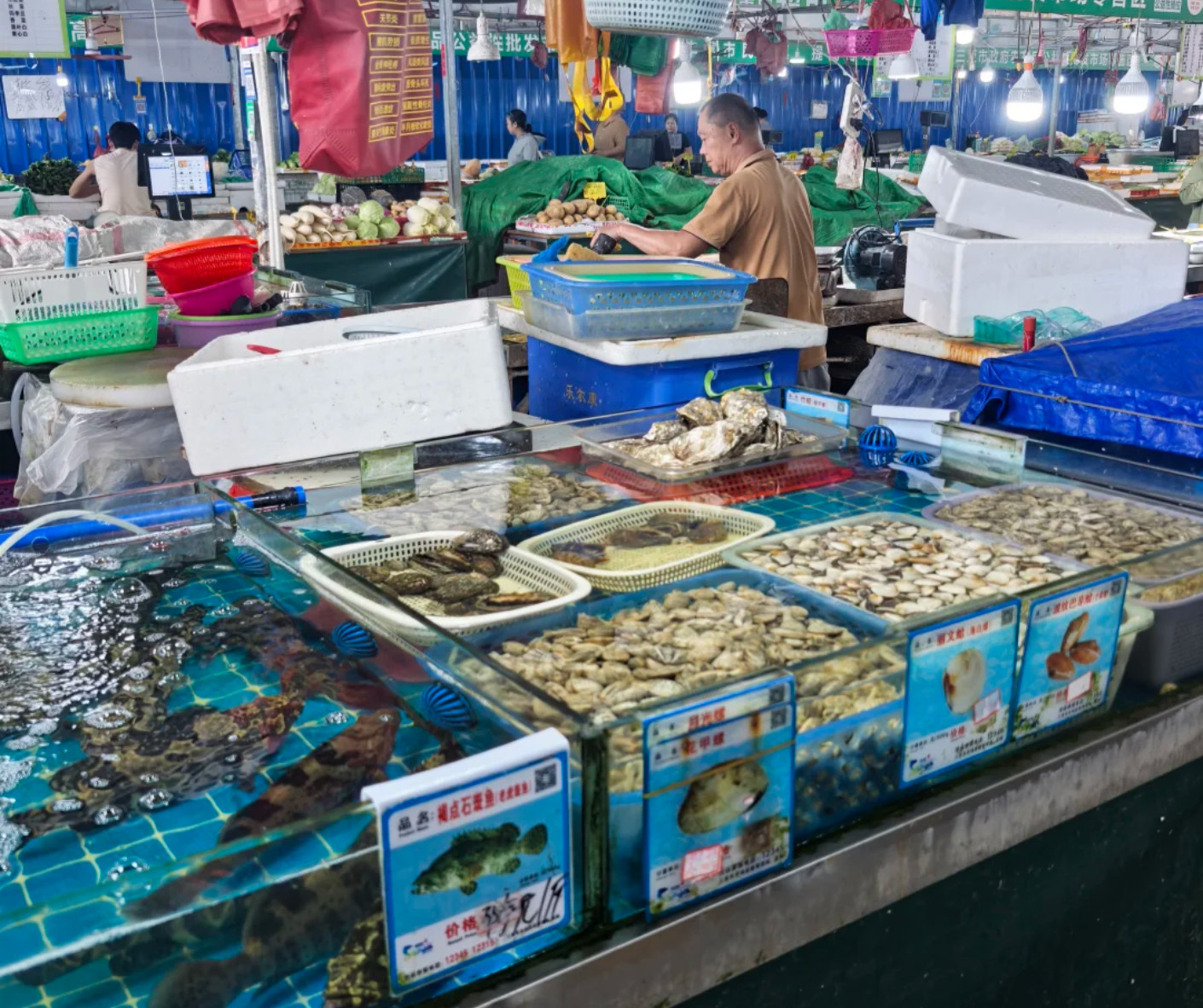
You stand in front of a stall, eyeing a basket of shrimp or a lively crab. In Hainan’s seafood markets, bargaining is part of the fun. Vendors expect you to ask about prices. Start with a smile and a friendly greeting. Point to the seafood you want and ask, “How much per kilo?” If the price feels high, don’t be shy. Offer a lower price, but stay polite. Vendors often meet you halfway.
Prices can change with the season. For example, salmon usually stays between 500 and 800 RMB per kilo all year. Tilapia prices sometimes drop below those in Guangdong and Guangxi because of changes in demand. Shrimp prices shift as well, depending on what’s popular that week. Here’s a quick look at some common seafood prices:
Seafood Item | Price Range (RMB/kg) | Seasonal Fluctuations |
|---|---|---|
Tilapia | Below Guangdong and Guangxi levels | Price inversion due to demand disruption and export uncertainty |
Salmon | 500–800 (stable) | Seasonal stability noted |
Shrimp | Not specified | Demand shifts noted in the market |
Tip: Watch how locals bargain. They often buy more than one type of seafood or pair seafood with local food for a better deal.
Weighing And Packing Advice
After you agree on a price, the vendor will weigh your seafood. Make sure the scale starts at zero. Some vendors use digital scales, while others use old-fashioned ones. You can ask to see the weight before you pay. If you buy several kinds of seafood, ask the vendor to weigh each type separately.
Packing matters, especially if you want to keep your seafood fresh. Vendors usually pack your seafood in plastic bags with ice. If you bring your own cooler, ask them to add extra ice. This helps keep your seafood cold until you get home. Many locals buy seafood and take it to a nearby restaurant. There, chefs cook your seafood with local food flavors, turning your market finds into a feast.
Note: Always double-check your bags before you leave the market. Make sure you have all your seafood and nothing gets left behind.
Bring Seafood Home Safely
Transport And Storage Tips
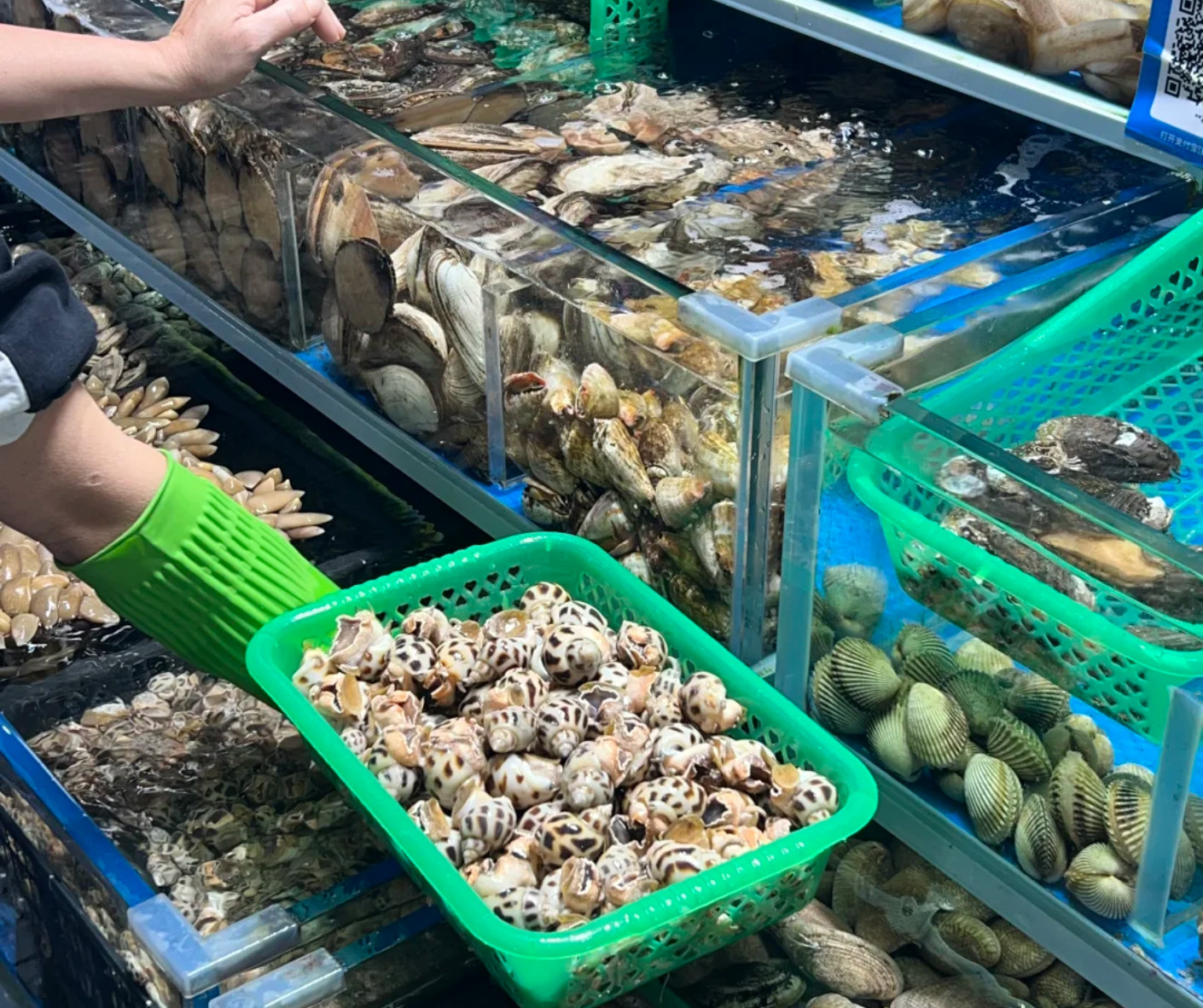
You just bought fresh seafood at the market. Now you want to keep it that way until you get home. Use a cooler or insulated bag with ice packs. This keeps your seafood cold and safe. If you walk or ride a bike, carry the bag close to your body. Try not to leave seafood in the sun. When you get home, put your seafood in the fridge right away. If you plan to eat it soon, store it on a plate with ice. Cover it with plastic wrap. For longer storage, freeze your seafood in airtight bags. Write the date on each bag so you remember when you bought it.
Tip: Always keep seafood below 5°C (41°F) to stop bacteria from growing.
Quick Cleaning And Prep
You want your seafood to taste great. Cleaning it the right way helps a lot. Most fish from Hainan’s markets come gutted and de-scaled. You can ask the vendor for extra prep if you need it. When you get home, follow these steps:
Cut away the belly fat to make the taste less fishy.
Scrape off any dried blood from the bones. This makes your seafood look and taste better.
Rinse the inside of the fish with water. Pat it dry with a paper towel.
Make a cut along the back. This helps the fish cook evenly.
If you see any scales left, use a fish scaler, a chef’s knife, or even your fingernails. Do this while the fish is in a plastic bag to keep things tidy.
Now your seafood is ready for cooking. You can steam, grill, or use a hot pot. Fresh seafood from Hainan always makes a meal special.
China Explorer Tour Market Experience
Guided Seafood Market Tours
You want to dive deeper into Hainan’s seafood scene? Join a guided seafood market tour with China Explorer Tour. Your guide knows every corner of the market. You walk together through rows of live seafood, learning how to pick the best catch. You see how locals choose their seafood and hear stories about island traditions. Your guide helps you talk with vendors, so you can ask questions and learn about each type of seafood. You feel confident as you explore, knowing you have an expert by your side.
With China Explorer Tour, you get more than just a walk through the market. You get an immersive experience that connects you with local people and their love for seafood.
Authentic Local Dining
After you pick your seafood, you don’t have to wait to taste it. Many markets let you take your fresh seafood to nearby restaurants. Chefs cook your seafood just the way you like—steamed, grilled, or in a spicy hot pot. You sit down with your group and share a meal that you helped create. This is a great way to make new friends and enjoy the flavors of Hainan together.
China Explorer Tour makes sure you know the price before you buy, so there are no surprises. You can also join curated foodie tours that take you to hidden seafood spots across the island. Every meal becomes a memory, and every bite tells a story.
Tip: Ask your guide about seasonal seafood specials. You might discover a new favorite dish!
Experience Type | What You Get |
|---|---|
Market Tour | Hands-on seafood selection with local experts |
On-site Cooking | Fresh seafood cooked by skilled chefs |
Foodie Adventures | Explore unique seafood flavors island-wide |
You can feel sure when shopping at Hainan’s seafood markets if you follow easy steps. Here are some problems and how people fix them:
Challenges | Solutions |
|---|---|
Poor sanitation | Government-led renovations |
Outdated facilities | Embracing gentrification |
Competition from new retail models | Enhancing the market experience to attract younger consumers |
Try these helpful tips for a real local experience:
Go to Sanya First Market for the freshest seafood.
Pick what you like from more than 100 stalls.
Decide how you want your seafood cooked.
Enjoy the adventure and taste Hainan’s special flavors. Explore more with China Explorer Tour for true local fun. Tell us your market stories or favorite seafood in the comments!
FAQ
Can I bring seafood from Hainan’s market on a plane?
You can, but check airline rules first. Pack seafood in a cooler with ice packs. Tell the airline staff at check-in.
Do vendors speak English in Hainan’s seafood markets?
Most vendors speak Chinese. You can use a translation app or join a China Explorer Tour for help with language and local tips.
What if I do not know how to cook the seafood I buy?
Many nearby restaurants will cook your seafood for you.
Your China Explorer Tour guide can also suggest cooking ideas.