Ready to learn how to visit Hangzhou Leifeng Pagoda? You will find easy steps and helpful tips here. This place has something unique:
It is the biggest Buddhist pagoda in China.
There is a famous story about Lady White and Fahai. This story makes the place feel magical.
At night, the views shine and look amazing.
With China Explorer Tour, you get more than just looking around. You meet local people and have a fun, easy trip.
Key Takeaways
Leifeng Pagoda is the biggest Buddhist pagoda in China. It has amazing views of West Lake. The pagoda has a long history that started in 977 AD.
Visit in winter or on weekdays to skip big crowds. You will have a calm and quiet time. Early mornings are best for fewer people.
You can buy tickets online or at the gate. Booking with China Explorer Tour makes your trip easy. You also get tips from local guides.
Walk through the pretty gardens near the pagoda. The gardens have flowers that change with the seasons. It is a peaceful place to relax.
Walking or biking around West Lake is a must. You will see beautiful sights and find other fun places. You can visit the Longjing Tea Plantation nearby.
Hangzhou Leifeng Pagoda: Essential Info
Location and Overview
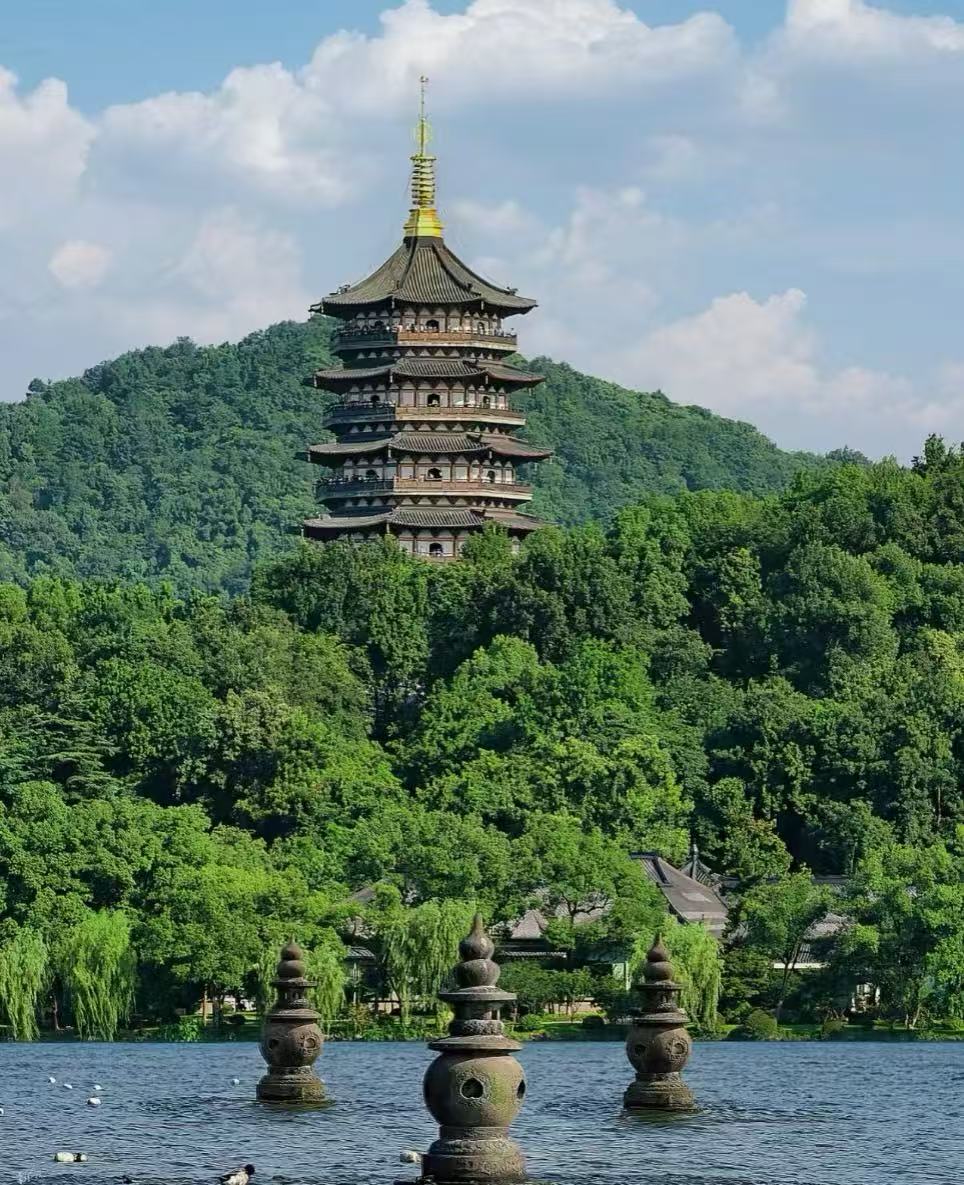
You will find hangzhou leifeng pagoda on Xizhao Hill, right on the south bank of West Lake. This spot gives you some of the best views in Hangzhou. The pagoda stands close to many scenic places, so you can explore more than just one landmark during your visit.
Here’s a quick look at where the pagoda sits compared to other famous spots:
Landmark | Location Description |
|---|---|
Leifeng Pagoda | Situated on Xizhao Hill, on the south bank of West Lake |
The main body of water near which Leifeng Pagoda is located | |
Other Landmarks | Close proximity to various scenic spots around West Lake |
The history of hangzhou leifeng pagoda goes back over a thousand years. People built it in 977 during the Northern Song Dynasty. At first, it was called Huangfei Pagoda. Over time, it became famous for the scene “Leifeng Pagoda in Evening Glow.” The pagoda is also known for the love story of Bai Suzhen and Xu Xi’an, which adds a magical feeling to your visit.
The timing of its collapse in 1924 was remarkable, as it coincided with a period of foreign imperialism and internal strife in China. The collapse was interpreted as a symbol of the old feudal order’s inability to address the country’s crises, a sentiment echoed by contemporary writers who critiqued traditionalism.
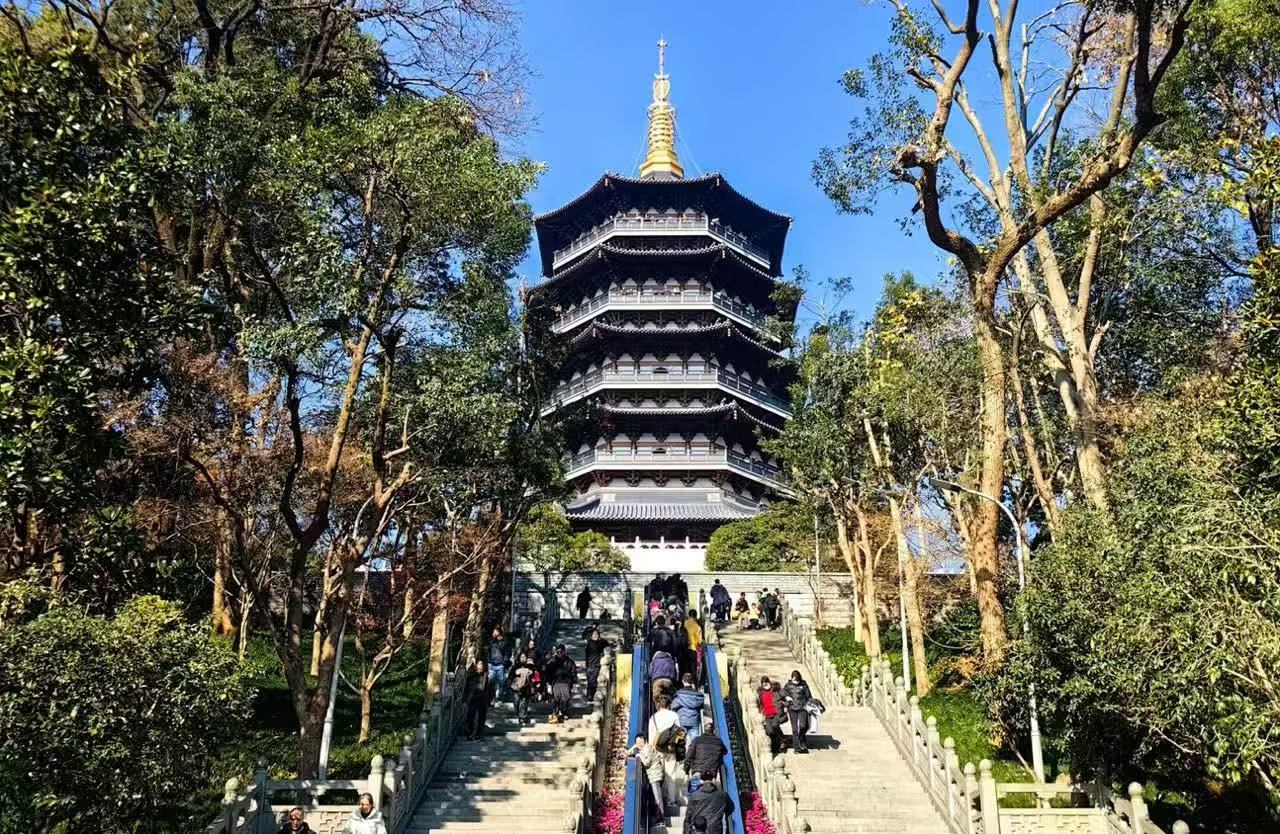
The pagoda suffered damage from pirate invasions and finally collapsed in 1924. Many saw this as a sign of big changes in China. The government rebuilt the iconic five-story tower in 2002, mixing old traditions with new ideas. Today, you can see both the ancient ruins and the modern structure.
Why should you visit? The hangzhou leifeng pagoda is not just an iconic five-story tower. It is a place where history, legends, and beautiful views come together. You get to experience a piece of Chinese culture that feels alive and special.
Opening Hours and Best Time
You want to plan your visit so you get the best experience. The opening hours change with the seasons. Here’s a simple table to help you remember:
Season | Opening Hours |
|---|---|
Mar 16 – Oct 31 | 08:00 – 19:00 |
Nov 1 – Mar 15 | 08:00 – 17:30 |
If you want fewer crowds and peaceful moments, try these tips:
Visit in winter (December to February) or from late November to mid-December. These months have fewer tourists.
Early mornings or weekdays are the best times to avoid crowds, especially during busy seasons.
Late November to mid-December is a sweet spot. You get lower hotel prices and quiet walks.
Most people spend about 1.5 to 2 hours at hangzhou leifeng pagoda. If you love taking photos or want to enjoy the sunset, you might stay longer. The evening glow makes the lake and the pagoda look magical.
Tickets and Entry
Getting tickets for hangzhou leifeng pagoda is easy. You can buy them online or at the entrance. Here’s what you need to know:
Purchase Method | Details |
|---|---|
Online Booking | Use the “West Lake Tourism” WeChat mini-program or the official website (book up to 7 days ahead). |
On-Site Purchase | Buy at ticket booths. Be ready for long lines during peak season. |
Prices | Standard Ticket: ¥40 (adults), ¥20 (students/seniors) |
Combo Tickets: Available with West Lake boat rides or nearby attractions | |
Free Entry: Children under 1.2m, disabled visitors, and military personnel |
Ticket prices change a bit with the season. Here’s a quick guide:
Ticket Price | Opening Hours |
|---|---|
RMB 40 | November 1 – March 15: 8:00 am – 5:30 pm (ticket sales end at 5:00 pm, the scenic area closes at 5:30 pm) |
March 16 – April 30: 8:00 am – 7:00 pm (ticket sales end at 6:30 pm, the scenic area closes at 7:00 pm) | |
May 1 – October 31: 8:00 am – 8:00 pm (ticket sales end at 7:30 pm, the scenic area closes at 8:00 pm) |
Tip: If you want to skip the lines and get local tips, China Explorer Tour can help you book tickets and plan your visit. You get more than just entry—you get stories, shortcuts, and the best photo spots.
You will find that hangzhou leifeng pagoda is easy to visit with a little planning. With local insights from China Explorer Tour, you can enjoy a smooth trip and discover the real heart of Hangzhou.
How to Get There
It is easy to get to Hangzhou Leifeng Pagoda. You have many ways to travel there. Let’s look at the best ways to reach this famous place.
Public Transport Options
You can take a public bus if you want to save money. Many buses stop close to Leifeng Pagoda, so it is simple for everyone.
The easiest stop is Jingsi Temple Station. Here are some main bus routes:
Bus Route | Stops Near Leifeng Pagoda |
|---|---|
Route 315 | Su Causeway, Jingsi, Ding’an Road, Kuosiban, Nanshan Road-Wansong Road Intersection, Silk Museum, Shuicheng Bridge |
Route 334 | Su Causeway, Jingsi, Ding’an Road, Kuosiban, Nanshan Road-Wansong Road Intersection, Silk Museum, Shuicheng Bridge |
Route 4 | Su Causeway, Jingsi, Ding’an Road, Kuosiban, Nanshan Road-Wansong Road Intersection, Silk Museum, Shuicheng Bridge |
Route 52 Loop | Su Causeway, Jingsi, Ding’an Road, Kuosiban, Nanshan Road-Wansong Road Intersection, Silk Museum, Shuicheng Bridge |
Just get off at Jingsi Temple Station. You will see signs that show you where to go. Buses in Hangzhou are good and on time, so you can relax during your trip.
Taxi and Ride-Hailing
If you want to get there faster, you can take a taxi or use a ride-hailing app like Didi. You can find a taxi anywhere in Hangzhou. Taxi drivers know Leifeng Pagoda, so you do not need to worry about directions. Ride-hailing apps let you book a car quickly. This is a good choice if you have family or lots of bags. You can also ask your hotel to call a taxi for you.
China Explorer Tour makes travel even easier. If you book a private day tour, you get picked up and dropped off at your hotel or the train station. You do not need to worry about getting lost or speaking the language. Your guide takes care of everything, so you can just have fun.
Walking and Cycling
Do you like walking or riding a bike? Hangzhou has nice paths for both around West Lake. The Southeast Route is very popular with visitors:
Route Description | Distance | Estimated Time | Highlights |
|---|---|---|---|
Nanshan Road – Leifeng Pagoda – Lakeside Park | about 3-4 km | 15-20 minutes (cycling) | Leifeng Pagoda, Jingci Temple, Evening Bell Ringing at Nanping Hill, Long Bridge, Orioles Singing in the Willows, Zhejiang Art Museum, Hefang Street, Hubin Road |
You can rent a public bike or walk on the pretty paths. This route lets you see West Lake and other famous places up close. Walking or biking is a fun way to enjoy the outdoors and take pictures.
No matter how you travel, getting there is easy and not stressful. If you want your trip to be even smoother, China Explorer Tour can help with all your travel plans, so you can just have a good time.
What to Expect at Leifeng Pagoda
Entrance and Security
When you arrive at Leifeng Pagoda, you will see a wide entrance with clear signs. Security staff stand near the gate and check tickets. You might need to show your ID if you bought tickets online. Bags go through a quick scan. The process feels easy and friendly. You can keep your camera and phone with you. If you have large bags, you may need to leave them at the entrance. Staff members help you find your way and answer questions. You will notice that the area stays clean and safe. If you join a China Explorer Tour, your guide helps you with tickets and entry, so you skip the confusion and lines.
Tip: Keep your ticket handy. You may need it for re-entry or to access different levels of the pagoda.
Facilities and Accessibility
Leifeng Pagoda offers basic facilities for visitors. You will find restrooms near the entrance and inside the pagoda. The toilets are squatting style, so prepare for that. Bring your own tissue because toilet paper is not free. If you need help moving between floors, you can use the elevator. The elevator makes it easy for seniors, kids, and anyone with mobility needs to reach the top.
Here’s a quick look at what you get:
Facility | Details |
|---|---|
Restrooms | |
Elevator | Available for all visitors |
Staff Assistance | Friendly help at entrance and inside |
You will see benches for resting and shaded spots outside. The paths are smooth, so walking feels comfortable. If you want extra support, China Explorer Tour can arrange guides who know the area well and help with accessibility needs. You get a worry-free visit and more time to enjoy the views.
Highlights of Hangzhou Leifeng Pagoda
Panoramic Lake Views
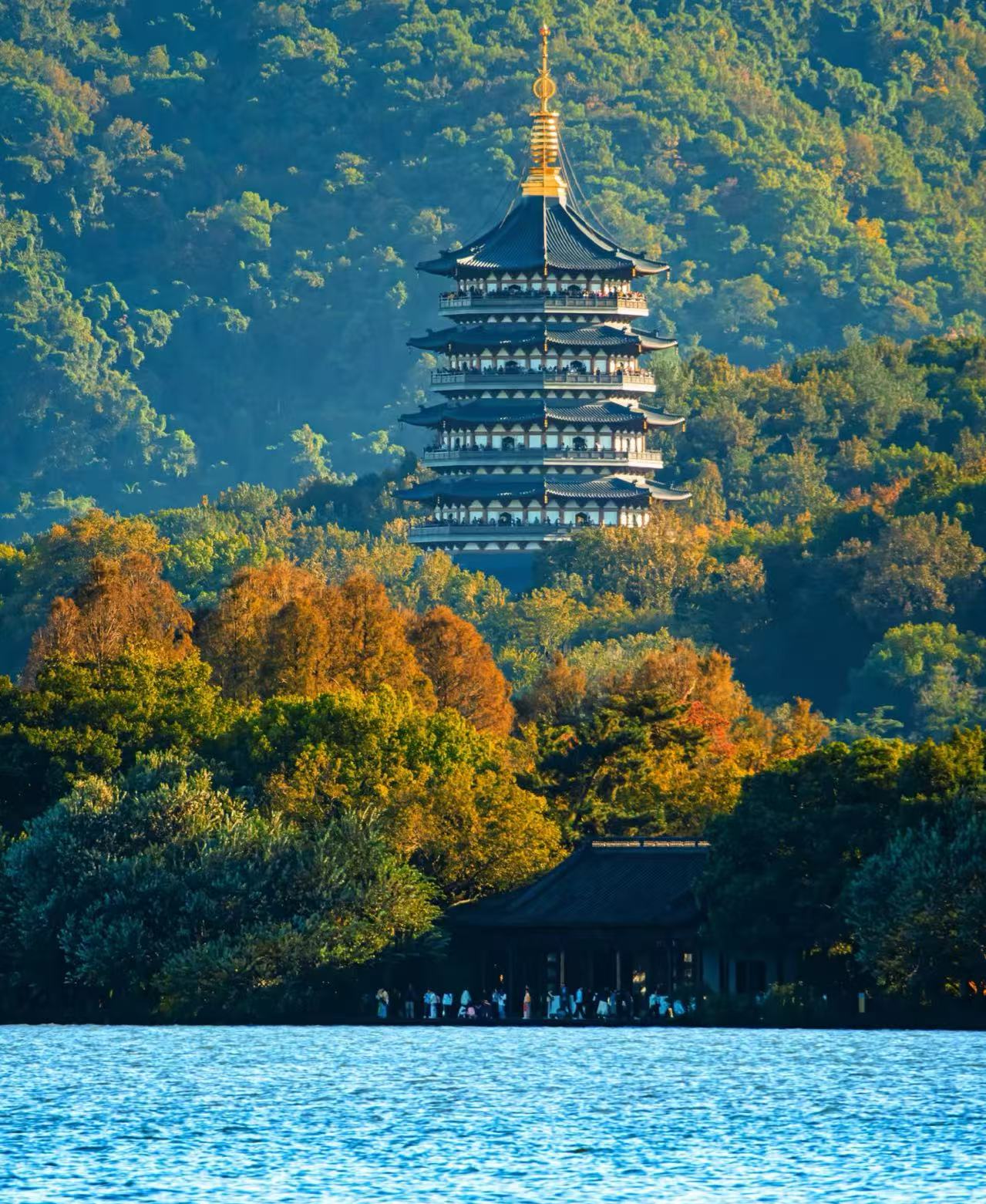
The top floor has great views. You can see West Lake below. Hangzhou city is all around the water. The scenery looks calm and pretty. Many people say this is the best spot here. You can see famous places and watch boats move on the lake. The pagoda lets you see the land and Buddhist culture from above. If you come at sunset, the colors look magical over the water. The White Snake legend feels real when you look out. Bring your camera to take pictures of the sunset and the nice views.
Panoramic view of West Lake and Hangzhou city
Unique landscape and Buddhist culture from above
Scenes from the White Snake legend and modern architecture
History and Culture
The pagoda has a long history. People built it in 975 AD for a king’s son. Its first name was Huangfei Pagoda. It became a symbol of Hangzhou over time. Travelers like to visit this famous place. The pagoda was damaged in the Ming Dynasty. Japanese invaders set it on fire. In 1924, it fell down because people took bricks and it was not cared for. Lu Xun wrote about its fall and what it meant for China. The pagoda is known for the White Snake legend. This story is in operas, movies, and TV shows. You can feel the history and culture as you walk around.
Built by Qian Hongchu, King of Wuyue Kingdom
Collapsed in 1924, rebuilt in 2002
Featured in many cultural attractions and performances
Architecture and Restoration
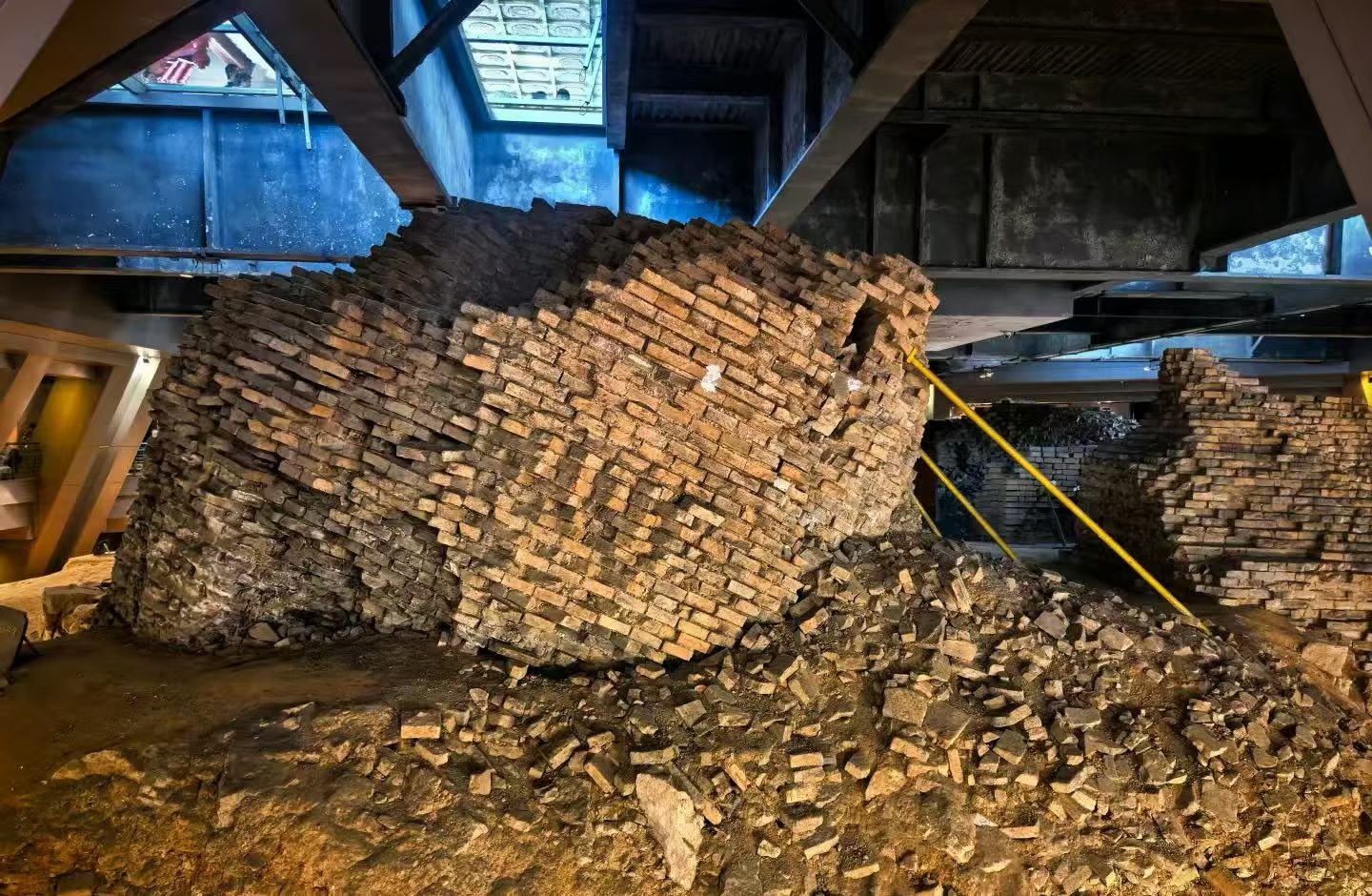
The pagoda is a five-story tower. It mixes old and new styles. Inside, you see wooden carvings about the White Snake legend. The elevator ride has a special line from the story. This makes your visit more fun. On the lower floors, you can see old brick ruins. These ruins show the history of the pagoda. The pagoda was rebuilt in 2002. Builders kept the old base. You can see the ruins in the visitor center. This helps you learn about how they fixed the pagoda. The new tower stands on stilts to keep the old part safe. The mix of history and new design makes the pagoda special.
Feature/Detail | Description |
|---|---|
Interior Design | Wooden carvings show the White Snake legend |
Visitor Experience | Elevator ride includes a line from the legend |
Original Construction Year | Built in 975 AD |
Modern Reconstruction Year | Rebuilt in 2002, keeping the old foundation |
Foundation | Old brick ruins visible in the visitor center |
Restoration Method | New tower built on stilts to protect the original structure |
Every part of the pagoda tells a story. The views, the attractions, and the sunset make this a special place to visit in Hangzhou.
Exploring the Surroundings
Pagoda Gardens
You will love the gardens around Leifeng Pagoda. These gardens show off the beauty of hangzhou west lake in every season. You can walk among plum trees in winter. The Hangzhou Botanical Garden has over 5,000 plum trees that look amazing when they bloom. In spring, Yulan trees fill the air with sweet smells. Summer brings lotus flowers on the water. Autumn is the time for sweet-scented osmanthus. You will also see tall bamboo in the Bamboo Garden. Damaozhu bamboo grows fast and makes the area feel peaceful. The Garden of Economic Plants lets you see plants used for medicine and fiber. The gardens give you a quiet place to rest after exploring west lake.
Plum trees in winter
Yulan trees in spring
Lotus flowers in summer
Osmanthus in autumn
Tall bamboo and economic plants
West Lake Walks
Walking around west lake is a must. You can start at Net Keats Temple and follow Route Two. This path takes you past Leifeng Pagoda, Wang Village, and Prince Bay Park. You will see the Zhang Taiyan Memorial and Su Dongpo Memorial. The walk ends at Viewing Fish and Lotus Fronds at Flower Pond. The whole route is about 8.6 miles. You will climb a little, but the views of hangzhou west lake make it worth it. You can watch the sunset at Leifeng Pagoda. Each step brings you closer to the heart of west lake. You will see locals, artists, and families enjoying the paths.
Net Keats Temple
Leifeng Pagoda
Wang Village
Prince Bay Park
Viewing Fish and Lotus Fronds at Flower Pond
Tip: Wear comfy shoes and bring water. The walk around west lake is long but full of surprises.
Nearby Attractions
You can find many places to visit near hangzhou west lake. The Longjing Tea Plantation is only a short taxi ride away. You can taste famous green tea and see the fields. West lake itself is a UNESCO heritage site. You will find beautiful views and learn about Chinese culture. The Leifeng Pagoda Cultural Park adds more history to your trip. You can explore these spots in one day or spread them out. Each place gives you a new way to enjoy hangzhou west lake.
If you want a smooth trip, China Explorer Tour can help you plan your route. You will see the best of hangzhou west lake and find hidden gems along the way.
Travel Tips for Leifeng Pagoda
What to Bring and Wear
You want your leifeng trip to be easy and fun. The weather can change quickly, so pack the right things. In December, wear warm clothes like down jackets and windbreakers. Gloves, scarves, and masks help you stay warm. Sneakers are best for walking around and climbing steps. Sometimes it rains, so bring an umbrella. A thermos with hot water keeps you warm. If your hotel is dry, use lotion to help your skin. These tips help you enjoy every part of this famous place.
Safety and Etiquette
Be safe and show respect when you visit leifeng. Here are some tips:
Stay away from the water when taking pictures.
Watch out for electric bikes if you ride near west lake.
Step carefully when getting on or off a west lake boat.
Walk in a circle in temples and take off your hat inside to show respect.
If you follow these tips, your trip will go well. The staff at leifeng are nice and can help if you need it.
Photography Tips
Leifeng is a great place for people who love taking pictures. The best time to visit is early in the morning or at sunset. Try these places for good photos:
Near Broken Bridge—see the sunrise and peach flowers.
Su Causeway Spring Dawn—get leifeng pagoda with trees and flowers.
Gushan Park—quiet spots for portraits with pretty backgrounds.
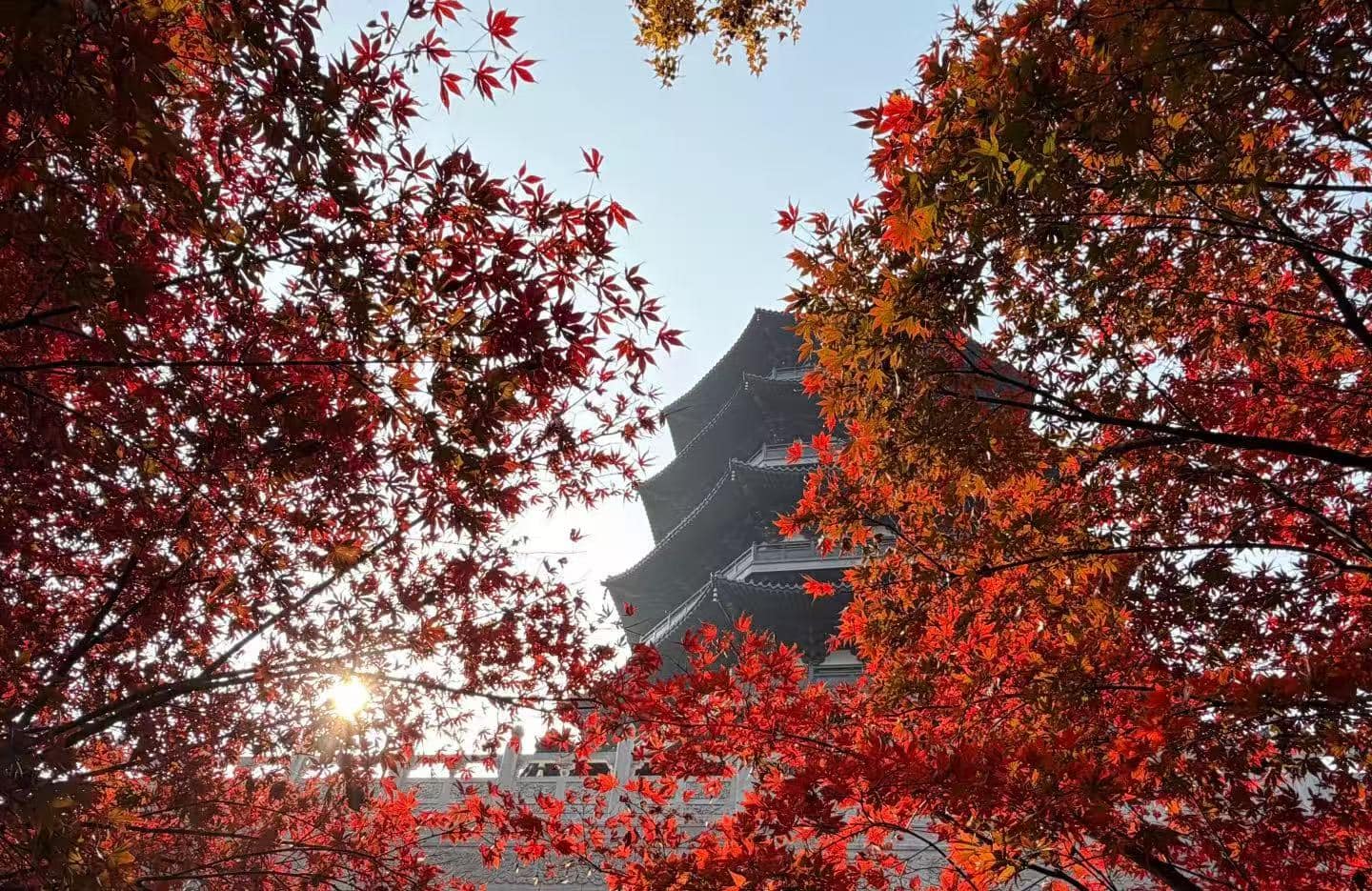
Sunset at leifeng pagoda gives you beautiful colors and a calm view. You will want to take pictures of west lake and the city. Don’t forget to take a sunset photo at leifeng pagoda to remember your trip.
Recommended Tours by China Explorer Tour
Do you want an easy leifeng trip? China Explorer Tour has private tours you can change to fit what you like. You can go at your own speed, find hidden places, and try local things. Here’s what you get:
Feature | Details |
|---|---|
Tour Type | Private Leifeng Pagoda & Silk Museum Tour |
Customization Options | Change your plan and go at your own speed |
Duration | 8 hours |
Language | English-speaking guide |
Included | Hotel pickup, car with air conditioning, private tour |
Not Included | Museum tickets, lunch |
Booking Deadline | Book up to 7 days before the tour |
Accessibility | Not wheelchair accessible |
Free Cancellation | Cancel up to 48 hours before the tour starts |
China Explorer Tour uses smart tools to find the best leifeng tour for you. You get local tips, easy travel, and can change your trip how you want. Book your tour to see this famous place and enjoy the best things to do and places to stay in Hangzhou.
You now know how to make the most of your visit to Hangzhou Leifeng Pagoda. Planning ahead helps you enjoy every moment. Local experts make your trip smooth and full of stories. Here’s what you get when you travel with China Explorer Tour:
Benefit | What You Gain |
|---|---|
Expert Guidance | Hear local legends and hidden facts |
Convenience | Skip the stress of tickets and transport |
Personalized Experience | See what interests you most |
Let your adventure begin! Share your travel stories or questions below. We’d love to hear from you. 😊
FAQ
How long should I plan to spend at Leifeng Pagoda?
You can see the main sights in about 1.5 to 2 hours. If you love taking photos or want to enjoy sunset views, you might stay longer. Many people like to explore more of hangzhou nearby.
Can I visit Leifeng Pagoda with kids or seniors?
Yes, you can! The pagoda has elevators and smooth paths. Kids love the stories and views. Seniors find benches and shaded spots for resting. Hangzhou is a family-friendly city.
What is the best way to book tickets for Leifeng Pagoda?
You can buy tickets online or at the entrance. If you want an easy visit, China Explorer Tour can help you book tickets and plan your hangzhou trip. Their AI-powered marketing tool finds the best options for you.
Is it easy to get around Hangzhou if I don’t speak Chinese?
Yes, it is! Signs at Leifeng Pagoda and around hangzhou use English and Chinese. You can use translation apps. If you join a China Explorer Tour, your guide helps with language and travel tips.