

Are you planning your first trip to China and want it to feel special, not just like checking off a list? Many people visiting for the first time find surprises that can make exploring less fun.
- You might see crowded places, have trouble with the language, or need to bargain in busy markets.
- Sometimes you will find squat toilets or need to bring your own tissue.
- City traffic can be crazy, and getting on the internet is not always easy.
Think about what is most important to you. Do you want to travel alone and have more freedom, or do you prefer the comfort and ease of customized China tours? Your choices decide how your trip goes, so let’s make this adventure truly yours.
Key Takeaways
- Plan your trip around what you like best. You might like history, food, or adventure. This will make your China trip special and personal.
- Pick the best time to go by checking the weather. Look at festivals too. This helps you enjoy sightseeing and skip big crowds.
- Choose how you want to travel. Private tours give you comfort and freedom. Group tours cost less and let you meet people.
- Use apps and tools to help with language and internet. VPNs, translation apps, and mobile payments are useful. These make things easier for you.
- Try local foods and visit markets. Stay in boutique hotels or homestays. This helps you see China’s culture in a real way.
Define Your Travel Interests
History and Culture
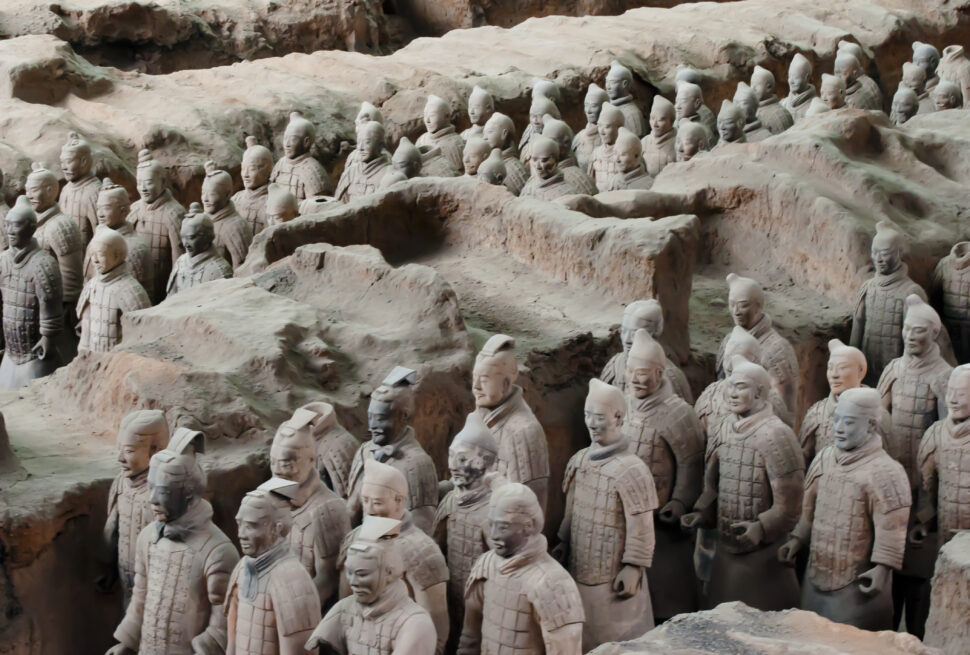
When you get ready for your trip, think about what you like. Do you enjoy learning about the past or seeing new cultures? China has many famous places to visit. You can walk on the Great Wall. You can visit the Forbidden City. You can see the Terracotta Army in Xi’an. These places help you imagine what life was like long ago.
Tip: Many people come to China to see these famous places. But you can also try local traditions. You can join a tea ceremony. You can watch a martial arts show. You can go to a festival. These things help you understand the culture better.
Here are some main reasons people go to China:
- Visit old places like the Great Wall and Forbidden City
- Take part in festivals and see folk crafts
- Go to museums and walk on old city walls
- Meet people and learn about their lives
You can use this table to help you pick where to go:
| City | Key Historical and Cultural Attractions |
|---|---|
| Beijing | Great Wall, Forbidden City, Summer Palace, Temple of Heaven |
| Xi’an | Terracotta Army, Ancient City Wall, Big Wild Goose Pagoda |
| Shanghai | The Bund, Yu Garden, Zhujiajiao Water Town |
Food and Adventure
If you love food or want adventure, China is a great place. Every area has its own special food. You can eat spicy Sichuan hotpot. You can try sweet Cantonese dim sum. You can taste street snacks in Shanghai. Food tours and markets let you try new dishes.
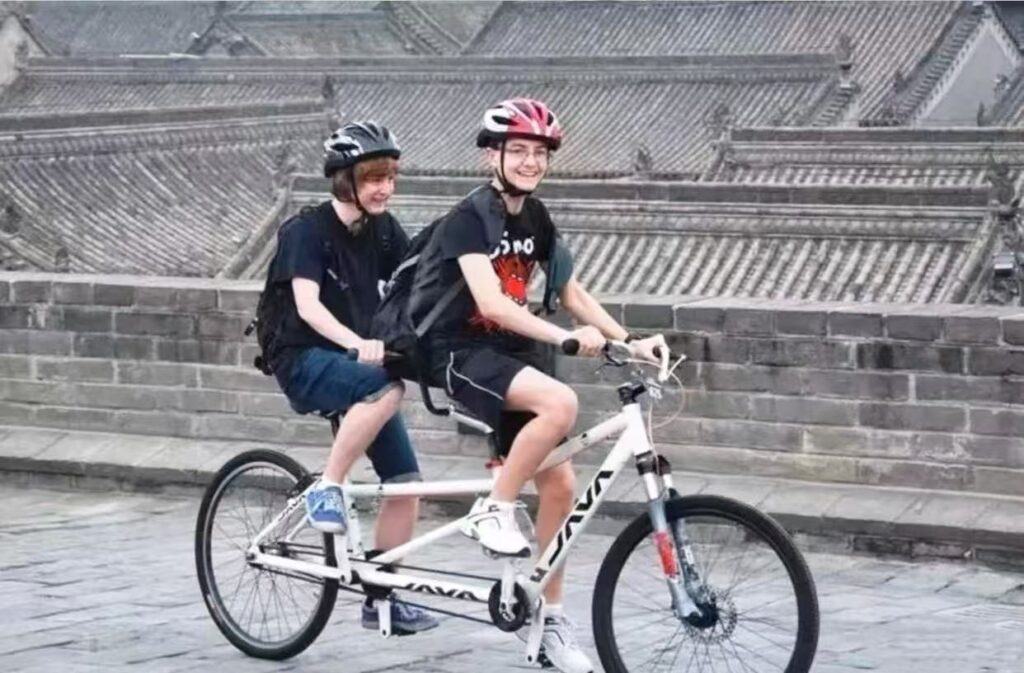
If you like adventure, you can hike in the mountains of Guilin. You can see giant pandas in Chengdu. You can visit the colorful lakes in Jiuzhaigou Valley. You might try bamboo rafting or ride a bike in the countryside.
- Try different foods and street snacks
- Hike in pretty mountains or visit parks
- See animals like pandas
- Enjoy busy cities and nightlife
No matter what you like, China has something for you. Think about what you enjoy, and your trip will be special and fun.
Planning a Trip to China: Itinerary Basics
Trip Duration
When you start planning a trip to China, you need to decide how many days to stay. Many travelers feel excited but also a bit unsure about how long they should visit. The average length of stay for international tourists in China was about 2.84 days in 2012. This number comes from the Ministry of Culture and Tourism. Most people spend just a few days, but you might want more time to see all the attractions that interest you.
If you want a deeper experience, you should plan for a 1 week trip to China. This gives you enough time to explore different cities, try local food, and enjoy both famous sights and hidden gems. A 1 week trip to China lets you move at a comfortable pace. You can decide how many days to stay in each city based on what you want to see and do.
Tip: Make a simple list of your must-see places. This helps you choose where to go and decide how many days to stay in each spot.
The Golden Triangle
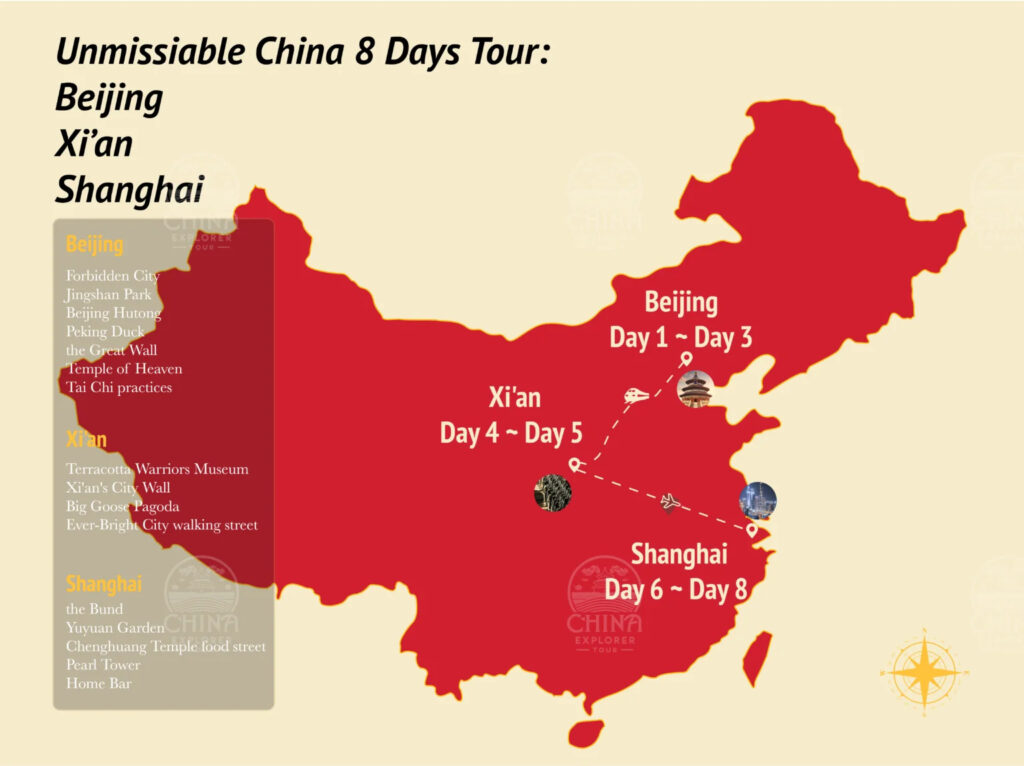
For first-time visitors, the Golden Triangle is a smart choice. This route covers three top cities:
- Beijing – The capital city mixes old and new. You can walk on the Great Wall, visit the Forbidden City, and see modern life all around you.
- Xi’an – This city is famous for its ancient history. You can see the Terracotta Army and walk along the old city wall.
- Shanghai – Here, you find a modern city with tall buildings and bright lights. The Bund and Yu Garden show you both the past and the future.
These cities form a triangle on the map. They make travel easy and give you a full picture of China’s history, culture, and modern life. Many travelers start in Beijing or Shanghai because these cities have more international flights. The Golden Triangle helps you see the best of China in one trip.
Best Time to Visit
Seasons and Weather
When you plan your trip, you should always consider when to travel to china. The weather changes a lot from north to south and from city to city. Spring (April to May) and autumn (September to October) are the best time to visit china for most travelers. These months bring mild temperatures and clear skies, which make sightseeing comfortable. You can walk the Great Wall or explore city parks without feeling too hot or cold.
- Spring and autumn: Mild weather, perfect for outdoor activities.
- Summer (July to August): Hot and humid, especially in the south. Fewer tourists, but you might need to handle the heat.
- Winter (November to March): Cold in the north, but fewer crowds and lower prices. Southern cities like Guangzhou and Hong Kong stay warmer.
Tip: June and November are good if you want fewer crowds and still nice weather. Some places, like Harbin, are famous for winter festivals, so you might even enjoy the cold!
Festivals and Crowds
You also need to consider when to travel to china if you want to avoid big crowds and high prices. Major holidays and festivals bring lots of people to popular spots. The Chinese New Year (usually January or February) is the busiest time. People travel all over the country to see family, so trains and hotels fill up fast. Prices go up, and tourist sites get packed.
- Chinese New Year: Huge crowds, high prices, and special events everywhere.
- Golden Week (October 1–7): Millions travel, so expect busy attractions and expensive hotels.
- Mid-Autumn Festival and Dragon Boat Festival: More travelers and higher costs, especially in famous cities.
- Harbin Ice and Snow Festival: Many tourists visit Harbin in winter for this event.
If you want a quieter trip, skip these holidays. But if you love festivals and want to see local traditions, these times can be exciting. Just book early and prepare for crowds.
Budget and Travel Documents
Cost Breakdown
Planning your budget helps you enjoy your trip without stress. China offers many choices for every wallet, but knowing the average costs makes things easier. If you travel as a mid-range visitor, you can expect to spend about $94 (¥673) per day. This covers your hotel, meals, and getting around.
| Expense Category | Average Daily Cost (USD) | Average Daily Cost (CNY) |
|---|---|---|
| Accommodation | $69 | ¥493 |
| Food | $38 | ¥269 |
| Local Transportation | $15 | ¥107 |
| Total | $94 | ¥673 |
You can save money by eating at local restaurants or using public transport. Street food is tasty and cheap. Trains and buses cost less than taxis. If you want to splurge, big cities have luxury hotels and fine dining. Always keep some cash for small shops or markets, since not all places accept cards.
Tip: Download a currency converter app before you go. It helps you keep track of your spending and avoid surprises.
Visa and Insurance
Before you pack your bags, make sure you have the right travel documents. Most travelers, including U.S. citizens, need a visa to visit China unless you qualify for a short visa-free transit stay in certain cities. Tourist visas usually cost around $140 to $185 USD for U.S. passport holders. You need a valid passport (with at least six months left), a completed application form, a recent photo, and sometimes your travel plans or an invitation letter.
Standard visa processing takes about 4-5 business days. If you need it faster, you can pay extra for express or rush service, which can take as little as 48 hours in some places. Multi-entry visas for up to 10 years are available for U.S. travelers. If you want to stay longer, you can apply for an extension in China before your visa expires.
Don’t forget travel insurance! It protects you if you get sick, lose your bags, or have to cancel your trip. Many travelers find peace of mind knowing they have coverage for emergencies.
Note: Hong Kong and Macau have their own visa rules. U.S. citizens can visit these places without a visa for a short time, but check the latest rules before you go.
Customized China Tours
Private vs. Group
When you start looking at customized china tours, you will see two main choices: group tours and private tours. Group tours cost less and work well if you want to meet new people or like a set schedule. You share buses, guides, and meals with others. This means you follow a fixed plan and sometimes have to wait for the group. You might visit shops you do not care about or eat the same food every day.
A private tour gives you more control. You travel with your family or friends only. You pick where to go, what to eat, and how fast to move. You get a private guide and driver who focus on your needs. This works best if you want comfort, privacy, or have special interests. The price is higher, but you get a trip that fits you.
Here is a quick look at the main differences:
| Feature | Group Tours | Private Tours |
|---|---|---|
| Group Size | Large, mixed groups | Small, just your group |
| Cost | Lower, shared costs | Higher, exclusive service |
| Flexibility | Fixed schedule | Fully customizable |
| Experience | Standard, less personal | Tailored, more authentic |
| Socializing | Meet new people | Focus on your group |
Tip: Small group food tours can be a fun way to try local dishes and meet people, even if you pick a private tour for the rest of your trip.
Flexible Itineraries
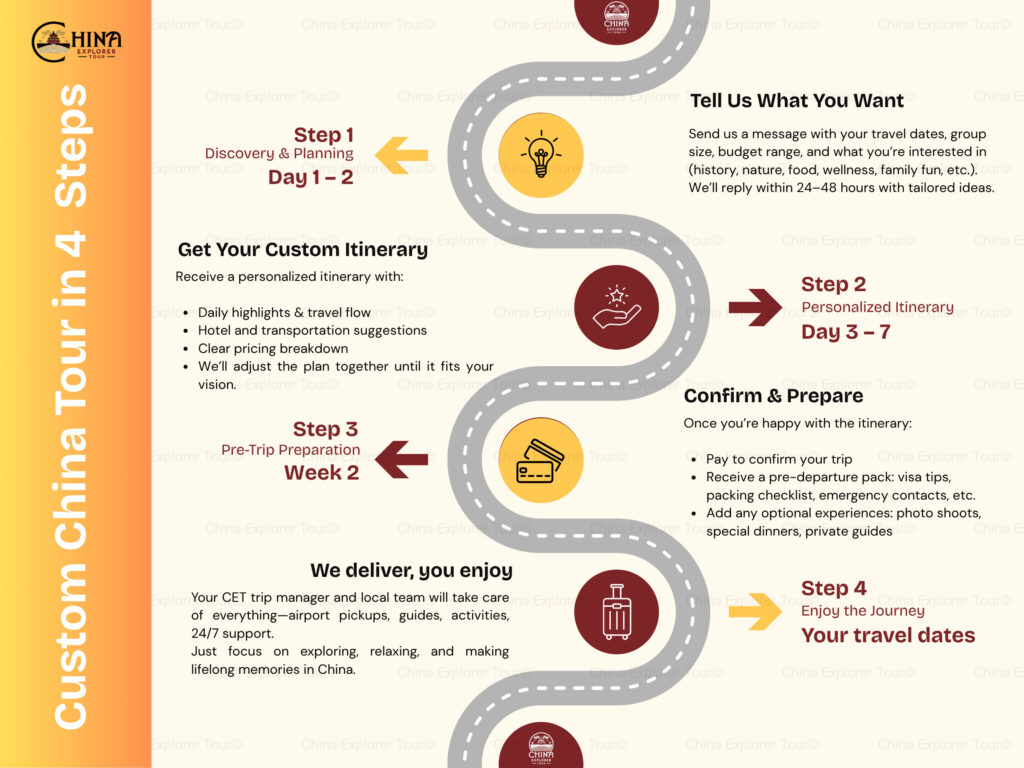
Customized china tours stand out because they let you shape your journey. You can change your plans quickly if you want to see something new or skip a stop. Travel experts help you before and during your trip. They answer questions any time, so you always feel supported.
- You set your own pace for sightseeing.
- Private guides and drivers give you personal service.
- You can ask for special meals or skip shopping stops.
- You get tips for local food and hidden spots.
- Your travel planner listens to your needs and makes changes fast.
Companies like China Explorer Tour make customized china tours easy. They handle all the details, from hotels to tickets. You get local guides who know the culture and language. This means less stress and more time to enjoy your trip. You can visit famous places or explore quiet towns. You can even plan family trips with fun activities for kids. With a good travel planner, you get a safe, smooth, and memorable adventure.
Multi-Day China Tour Planning
Booking in Advance
Planning a multi-day china tour takes a bit of strategy. You want the best prices and the most choices, right? Experts say you should book your flights at least three months ahead. This tip works for your multi-day china tour too. When you book early, you get better deals on hotels, trains, and guides. You also have more options for dates and activities. If you wait until the last minute, you might miss out on your favorite spots or pay more than you want.
Tip: Peak travel season in China runs from May to October. Book your multi-day china tour early if you plan to visit during these months. You will thank yourself later!
Sample Schedules
You might wonder what a great multi-day china tour looks like. Most first-time visitors pick tours that last 10 to 14 days. These tours let you see famous cities, natural wonders, and local culture. Here are some ideas to help you plan:
- Visit top cities like Beijing, Shanghai, and Xi’an.
- Explore natural beauty in places like Guilin, Zhangjiajie, and Yangshuo.
- Try fun activities such as a Li River cruise or seeing pandas in Chengdu.
- Mix high-speed trains and flights to save time.
Here’s a sample 14-day multi-day china tour itinerary:

You can always adjust your multi-day china tour to match your interests. Many travel agencies let you customize your schedule, so you get the trip you want.
Accommodation Choices
Boutique Hotels
When you start choosing where to stay in China, boutique hotels can make your trip feel extra special. These hotels stand out because they have their own style and charm. You might walk into a lobby filled with local art or sleep in a room with a view of a peaceful garden. Every detail feels unique and photo-worthy.
- You get a cozy, exclusive atmosphere that big hotels often miss.
- Staff members pay attention to what you like and help you plan activities, from cooking classes to city walks.
- Many boutique hotels connect you with the local culture. You might join a tea ceremony or try a wellness class right at your hotel.
- These places often sit in cool neighborhoods, so you feel like part of the community.
Standard 5-star hotels in China do offer modern rooms and good prices, but sometimes they feel less personal. You might notice energy-saving rules that make your room less comfy, or you may not get the same friendly service. If you want a hotel with a real sense of place, boutique hotels are a great pick.
Tip: Ask the staff for local food spots or hidden gems. They love to share their favorite places!
Homestays
Homestays give you a chance to live like a local. When you’re choosing where to stay, think about spending a night or two with a host family. You can join them for homemade meals, shop together at local markets, and even help cook traditional dishes. This is a fun way to learn about daily life in China.
- You might stay in a rural village and help with chores, like drying corn or picking vegetables.
- Hosts often share stories about their family and culture, making you feel like part of the group.
- In cities, homestays let you see how people live in old neighborhoods and try activities like dumpling-making or painting opera masks.
- Some homestays offer lessons in music, tea-making, or even traditional dances.
You’ll notice small things, like taking off your shoes at the door or learning how to give a gift politely. These moments help you understand Chinese customs in a real way. Homestays are perfect if you want a deeper, more personal travel experience.
Getting Around
Trains and Flights
Traveling between cities in China feels easy and exciting. High-speed trains zip you from one place to another at speeds up to 217 mph (350 km/h). You can sit back, watch the countryside, and arrive right in the city center. Most travelers love the comfort and speed of these trains. You can buy tickets online or at the station. Try to book early, especially during holidays.
China’s airports connect all the big cities. Domestic flights save you time if you want to visit faraway places like Tibet or Yunnan. You can find many flights each day between popular cities. Sometimes, flying costs about the same as a high-speed train ticket. If you have a tight schedule, flights help you see more in less time.
Tip: Bring your passport when you buy train or flight tickets. You need it for both booking and boarding.
Local Transport
Getting around inside Chinese cities is simple. You have many choices, so you can pick what works best for you. Most tourists use the metro or subway. These trains run often, cost little, and have signs in English. You can reach most sights without trouble.
Public buses cover every corner of the city. They are cheap and run all day. Minibuses work like regular buses but have fewer seats and cost a bit more. Taxis are everywhere. You can hail one on the street or use an app. Taxis give you privacy and take you straight to your destination.
You might see special tourist buses in big cities. These buses follow routes that stop at famous sights. Guides on board share stories and tips. Bicycles are fun if you want to explore at your own pace. Many cities have bike-sharing apps. In places like Shanghai, you can even try the Maglev train or light rail for a quick ride.
- Public buses: Cheap and easy for short trips
- Minibuses: Fewer seats, slightly higher fare
- Metro/subway: Fast, clean, and covers most areas
- Tourist buses: Great for sightseeing with guides
- Taxis: Flexible and direct
- Bicycles: Good for short rides and exploring neighborhoods
- Light rail/Maglev: Advanced options in some cities
You will find that moving around in China is part of the adventure. Try different ways to travel and see what you like best!
Food Experiences

Regional Cuisines
Chinese cuisine is not just one kind of food. Each part of China has its own tastes and ways to cook. Experts say you should try Sichuan, Cantonese, and Hunan dishes. Sichuan food is spicy and makes your mouth tingle. You might eat twice-cooked pork or water-boiled fish. The peppercorns give a special feeling. Cantonese food is lighter and a bit sweet. You can have steamed fish or dim sum. The chef uses fresh ingredients to make the food taste good. Hunan food is even spicier than Sichuan. It uses lots of fresh chilies in dishes like smoked meats and braised pork.
You can also try Shandong’s strong seafood or Jiangsu’s sweet meals. Every region gives you something new to taste and learn about. Here is a table that shows what makes each cuisine special:
| Regional Cuisine | Key Characteristics | Signature Features |
|---|---|---|
| Guangdong (Cantonese) | Mild, sweeter, favors braising and stewing, light seasoning | Fine seafood and rice dishes, wide variety of foods, popular internationally |
| Sichuan | Spicy, bold, mouth-numbing with Sichuan peppercorn | Hot-spicy taste, numbing flavor unique to region |
| Jiangsu | Sweet, fresh, moderately salty, precise cooking | Refined gourmet cuisine, artistic presentation, health-focused meals |
| Zhejiang | Mellow, fresh seafood and bamboo shoots, seasonal | Fresh, crispy, often served raw or almost raw, similar to Japanese style |
| Fujian | Light, mild sweet and sour, seafood and mountain ingredients | Great seafood and soups, use of exotic wild delicacies |
| Hunan | Very spicy, hot and sour, favors sautéing and smoking | Even hotter than Sichuan, no numbing peppercorn, rich in vegetables and herbs |
| Anhui | Uses wild plants and animals, favors stewing and oil | Rich flavors from wild ingredients, hearty cooking methods |
| Shandong | Strong, savory, fresh seafood, wheat-based foods | Roasting, braising, stir-frying, natural flavors preserved |
Tip: Try a new dish in every city. You might find a favorite food you never thought you would like!
Local Markets
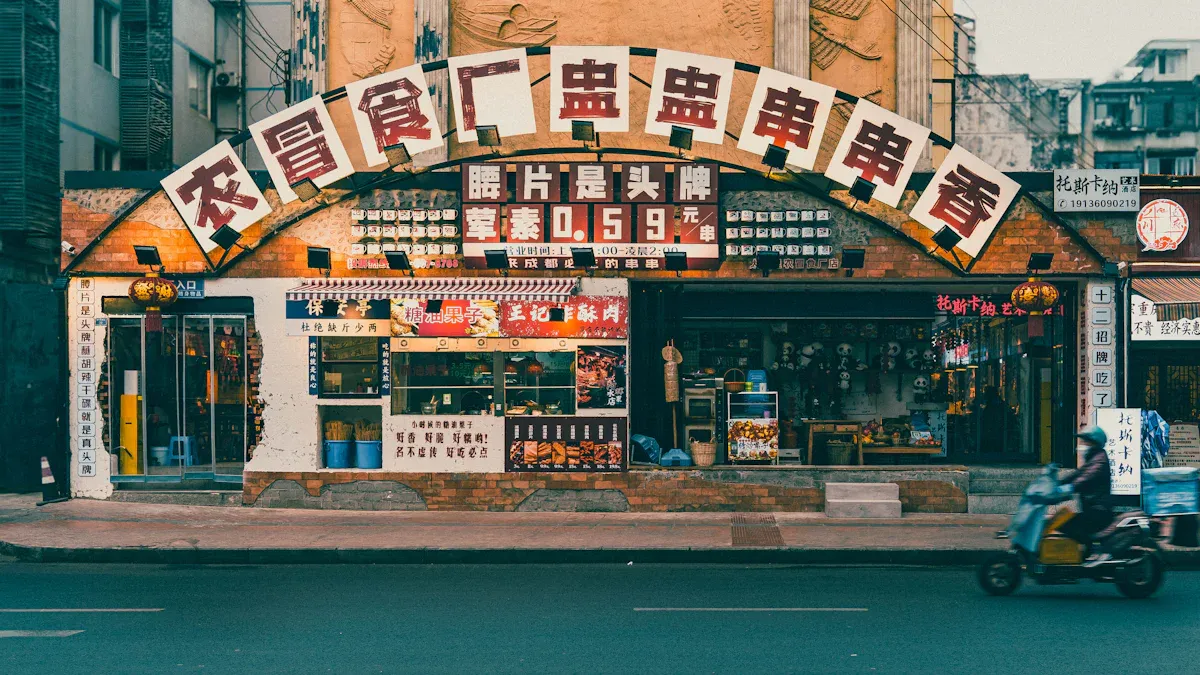
You can really get to know Chinese food by going to local markets. These places are busy and full of color. You see stalls outside and hear sellers shouting. You smell many spices in the air. In old cities like Jinzhou, markets have foods you do not see anywhere else. You might see pig noses, eels, chicken feet, or flat ducks. Some foods look strange, but they show real traditions.
- Local markets let you try real dishes, like cooked chicken feet or spicy noodles.
- You use all your senses—taste, smell, and sight.
- Eating at markets helps you feel part of the local culture.
- You can eat street foods and watch how people shop and eat.
You will remember the sights, sounds, and tastes for a long time. Local markets make every meal feel like an adventure.
Tech and Language Tips
Essential Apps
Traveling in China feels much easier when you have the right apps on your phone. You can use these tools to find your way, talk to locals, and pay for things. Here are some top apps you should download before your trip:
- Metro China Subway: This app helps you use the metro in big cities like Beijing and Shanghai. You can check routes, schedules, and fares.
- Pleco: This is a powerful Chinese dictionary. You can draw characters, use flashcards, and translate words fast.
- TripAdvisor: Find reviews for hotels, restaurants, and things to do. It helps you pick the best spots.
- China Train Booking: Book train tickets and get updates right on your phone. No need to wait in long lines.
- Waygo Translator: Take a picture of a sign or menu, and this app will translate it for you. Super helpful if you can’t type Chinese.
Most people in China use mobile payment apps like Alipay and WeChat Pay. Over 90% of payments happen through these apps. You can use them for shopping, taxis, and even street food. Set up your account before you go, and link your card if possible.
Tip: Download and install a VPN app, such as ExpressVPN or NordVPN, before you arrive. Many popular sites like Google, Facebook, and YouTube are blocked in China.
Overcoming Barriers
You might worry about language or internet problems, but you can handle them with a few smart moves. Many websites and apps you use at home are blocked in China. Here’s a table to show what you might miss:
| Blocked Services | Examples |
|---|---|
| Social Media | Facebook, Twitter, WhatsApp |
| Search Engines | Google, Wikipedia |
| News & Streaming | BBC, YouTube, Netflix |
Install your VPN before you land in China. VPNs let you access blocked sites and keep your data safe. Remember, VPN websites are blocked inside China, so prepare early.
When you pay for things, use Alipay or WeChat Pay. But always carry some cash and a credit card. Some small shops only take cash.
If you don’t speak Chinese, don’t worry. Book hotels with English-speaking staff. Use Pleco or Waygo to translate. Point to pictures on menus or use gestures. Learn a few simple phrases like “hello” and “thank you.” Locals will appreciate your effort, and you’ll feel more confident.
Stay patient and open-minded. Most people want to help, even if you don’t share a language. A smile and a little creativity go a long way!
Making your China trip personal helps you see real culture. You can try tasty food and visit famous places when you want. Using expert tips gives you more choices and helps you find cool spots. You will also feel less worried about travel. Many people visiting for the first time want to do real things, like cooking classes or going to local markets. If you start planning now, you can make a trip that fits what you like. Your special adventure in China is ready for you!
FAQ
What should you pack for a trip to China?
Bring comfortable shoes, a travel adapter, tissues, hand sanitizer, and a reusable water bottle. Pack layers for changing weather. You might want a phrasebook or translation app. Don’t forget your passport, visa, and travel insurance.
Can you use credit cards everywhere in China?
Most big hotels and stores accept credit cards. Small shops and markets usually want cash or mobile payments like Alipay or WeChat Pay. Always carry some cash for taxis, street food, or local markets.
Is it safe to drink tap water in China?
You should not drink tap water in China. Buy bottled water or use a filter. Most hotels give you free bottled water every day. Use bottled water for brushing your teeth, too.
How do you stay connected to the internet in China?
Buy a local SIM card or rent a portable Wi-Fi device. Download a VPN before you arrive. Many popular sites like Google and Instagram are blocked. Use WeChat for messaging and maps for directions.
See Also
Explore Distinctive Hanfu Makeup Looks On China Tours
Selecting The Ideal Private China Tour Tailored For You
Essential Advice For An Unforgettable Tai Chi Retreat
Complete Guide To Finding The Best Custom China Travel Agency
Must-Try Popular Chinese Dishes To Enjoy In 2025
Meet the China Explorer Tour Team
Meet our dynamic team of seasoned travel professionals, who bring a unique blend of expertise and innovation to crafting your dream China adventure.
Popular Packages
Choose Best Holiday Package

Why Choose This Tour? Customized Private Experience: Tailored for small groups (1-13 people) to ensure personalized attention. Cutting-Edge Tech Encounters:…

Explore Yunnan’s most iconic destinations in 8 days. From Kunming’s cultural charm to Dali’s lakeside beauty, Lijiang’s ancient towns, and Shangri-La’s Tibetan landscapes—this immersive China tour blends nature, heritage, and ethnic culture.

Why Choose This Datong Tour Package? Explore Datong’s most famous landmarks while embracing the elegance of traditional Chinese attire. This…

Introduction This is more than a conversation about health; it is an invitation to a Co-creative Wellness Retreat in one…
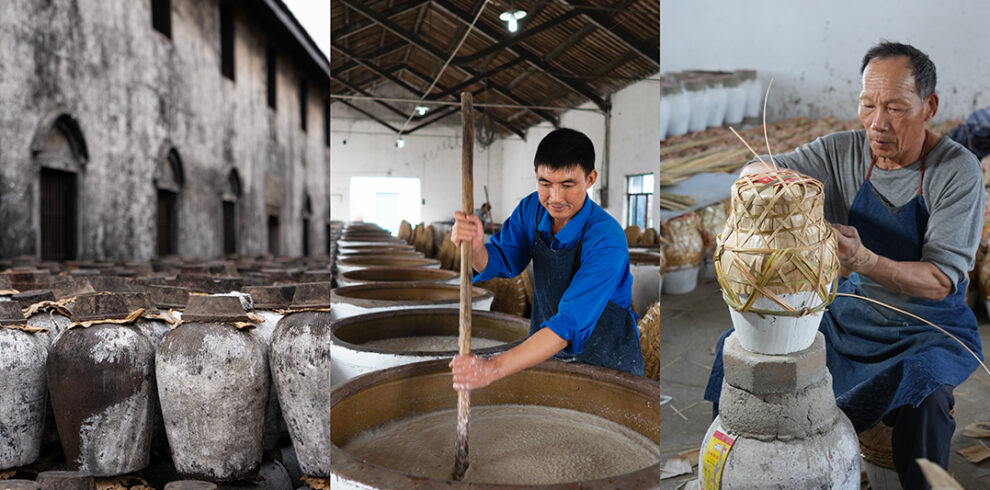
Why Choose This Shaoxing Yellow Wine (Huangjiu) Journey? This journey offers a cultural immersion into Shaoxing, the 2,000-year-old birthplace of…

This carefully planned itinerary balances nature, spirituality, and culture, offering travelers a well-rounded exploration of Tibet’s incredible heritage. Whether you're interested in Buddhist spirituality, natural landscapes, or authentic cultural experiences, this tour will allow you to experience the best of Tibet in an intimate and respectful way.