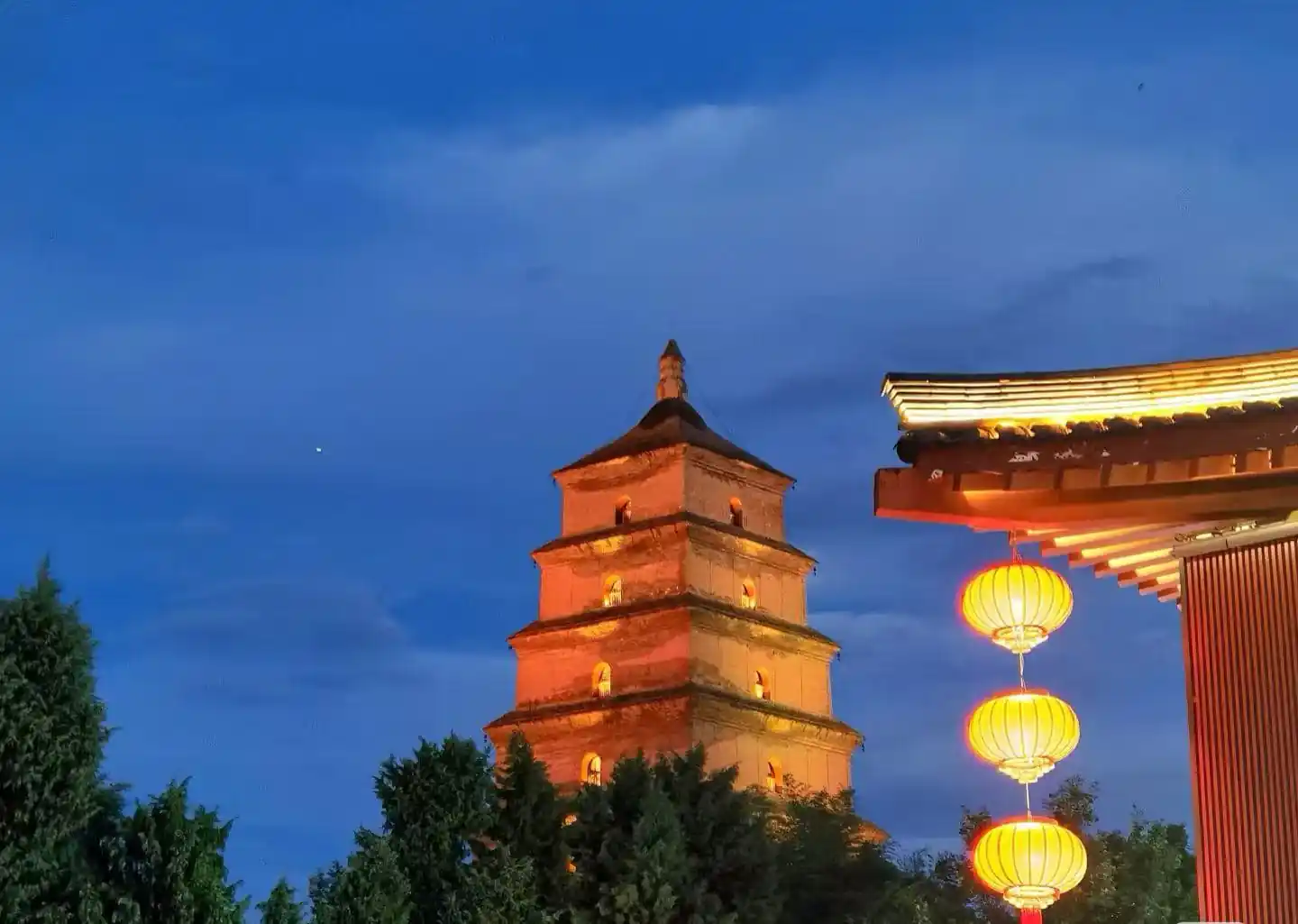
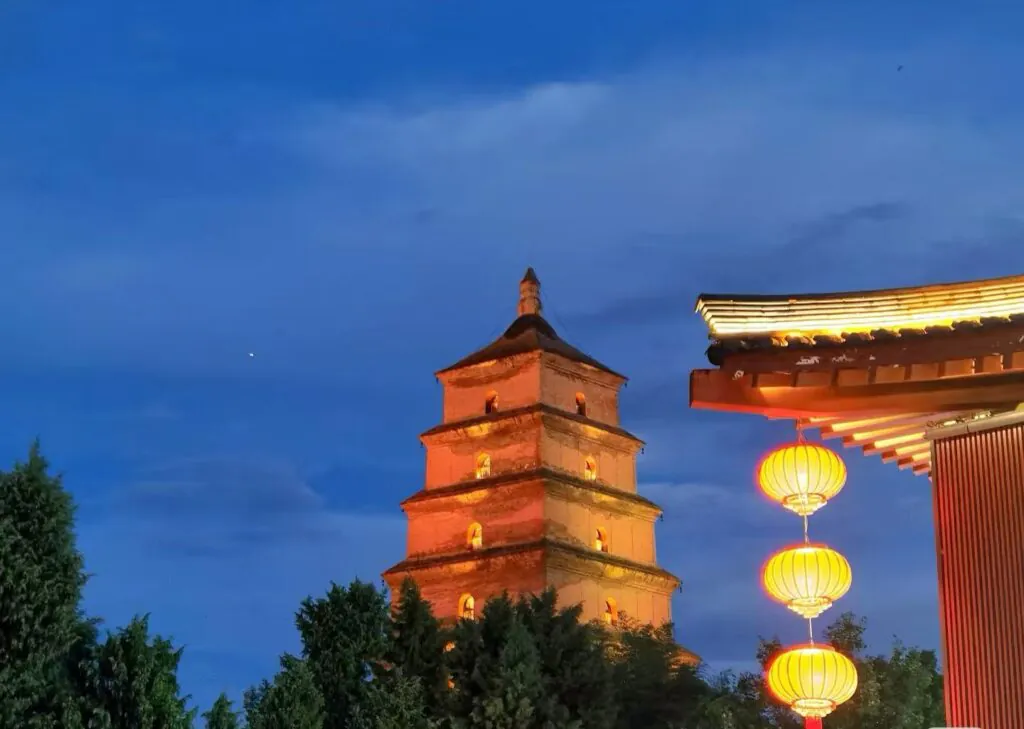
You stand in front of the big goose pagoda in Xi’an. You can feel its power as a link between old and new times. This tall tower was built in 652 AD. It once held many Sanskrit scriptures. Xuanzang brought them back after his Silk Road trip. The big wild goose pagoda stands in the Da Ci’en Temple complex. It honors Empress Zhangsun and tells stories of Buddhist learning and translation. Each brick is important for history and culture. Xi’an’s skyline connects old wisdom with today’s busy city life. The big goose pagoda is recognized by UNESCO. Its cultural value lasts, inviting you to see history in every stone.
Key Takeaways
- The Big Wild Goose Pagoda in Xi’an was built in 652 AD. It was made to keep Buddhist scriptures safe. The monk Xuanzang brought these scriptures from India after a long trip.
- Xi’an was a big place for culture and trade on the Silk Road. Many people and ideas came together there. This made the pagoda a sign of sharing religion and culture.
- The pagoda is made of bricks and has seven floors. This shows the smart building skills of the Tang Dynasty. It also keeps important Buddhist relics and art safe.
- You can get to the pagoda by metro, bus, or taxi. The best times to go are spring and autumn because the weather is nice.
- Today, the pagoda is a UNESCO World Heritage Site. People work hard to keep it safe. There is also a famous musical fountain show that helps people enjoy its history.
Tang Dynasty Origins
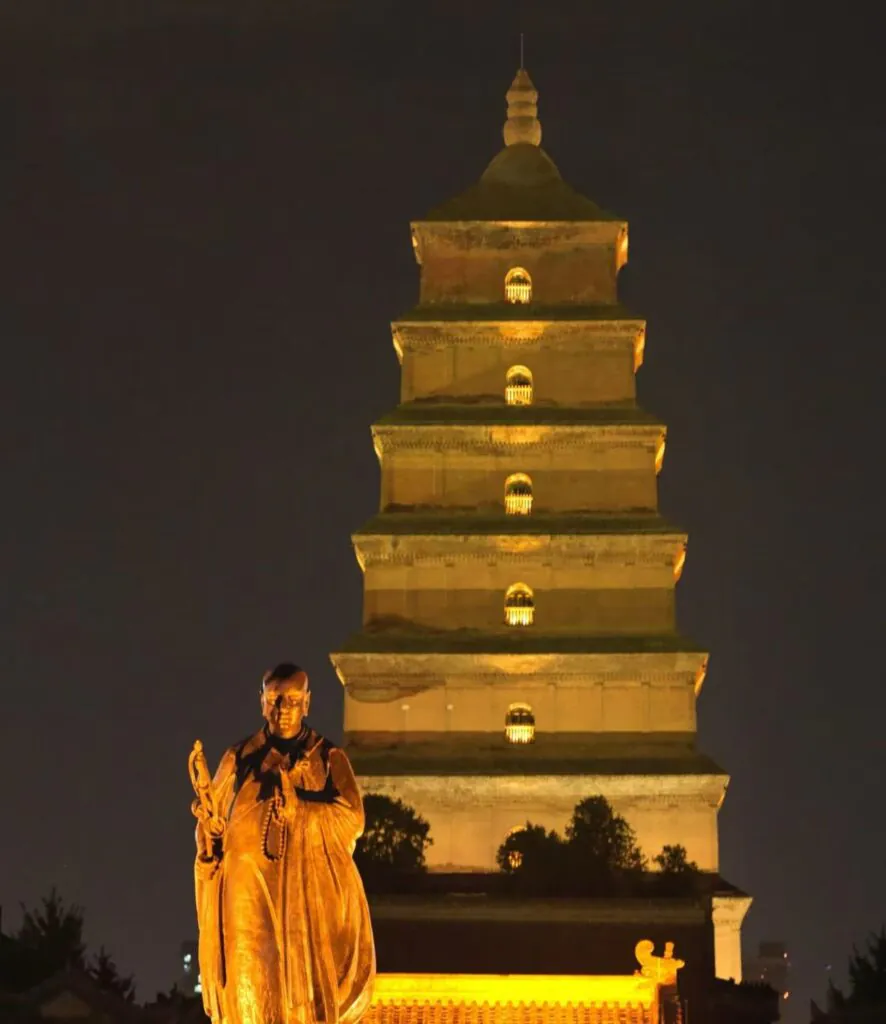
Construction of Big Wild Goose Pagoda
Imagine you are in ancient Xi’an, the heart of the Tang Dynasty. The city buzzes with life and new ideas.
In 652 AD, people built the big wild goose pagoda inside the da ci’en temple. This was not just any building. It was a place to keep the precious Buddhist scriptures and relics that Xuanzang brought back from India.
The emperor wanted to honor his mother, Empress Zhangsun, so he ordered the construction of the da ci’en temple. The pagoda soon became the centerpiece of this temple.
You can picture the pagoda rising above the city. Builders used bricks instead of wood, which was a big change at the time. This shift marked a new era in tang dynasty architecture. The great wild goose pagoda started as a five-story tower. Later, it grew to seven stories. Each floor had its own meaning and purpose. The pagoda stood about 210 feet tall, making it one of the tallest structures in xi’an. People came from all over to see this historical site and to learn about buddhism.
The big goose pagoda is a symbol of how xi’an became a center for religion and culture. Its brick walls have survived many centuries, showing the strength of ancient Chinese builders.
Xuanzang’s Journey
Now, let’s talk about Xuanzang’s life. He was a brave monk who traveled for seventeen years to India. He wanted to learn more about buddhism and bring back sacred texts. His journey was long and dangerous. He crossed deserts, mountains, and many kingdoms. Xuanzang wrote about his travels in a book called “Buddhist Records of the Western World.” This book tells you about the places he visited, the people he met, and the knowledge he gained.
When Xuanzang returned to xi’an, he brought back nearly six hundred Buddhist manuscripts. The emperor welcomed him and asked him to lead the da ci’en temple. Xuanzang worked hard to translate these texts into Chinese. He also started the Faxiang school, which taught new ideas about the mind and the world. His work at the big wild goose pagoda helped spread buddhism across China and even to other countries. Today, you can still feel his influence when you visit the pagoda and the temple.
Silk Road Connections
Repository for Buddhist Scriptures
Imagine standing at the base of the big goose pagoda. This tower is not just a famous building. It holds many Buddhist scriptures. Xuanzang was a well-known monk. He traveled for 17 years on the silk road. He went through deserts and mountains to get to India. There, he found 657 Sanskrit Buddhist scriptures. He also brought back seven Buddha statues and 150 Sarira relics. Xuanzang carried all these treasures back to xi’an, which was the center of the Tang Dynasty.
After Xuanzang came home, he asked the emperor to build the big goose pagoda in the da ci’en temple. The pagoda was a safe place for the sacred texts and relics. People in xi’an were excited when the treasures arrived. Monks and scholars came to the da ci’en temple to help Xuanzang. They worked together to translate the scriptures into Chinese. The pagoda became a place for Buddhist learning. Their work helped spread buddhism in China and other countries.
The big goose pagoda shows that xi’an was the starting point of the silk road in china. It proves the city was a bridge for sharing religion and culture between East and West.
Cultural Exchange in Xi’an
Xi’an was more than just temples and towers. It was a busy place where people from many lands met. During the Tang Dynasty, xi’an was called Chang’an. It was the biggest city in the world. Merchants, monks, and travelers came here on the silk road. They brought new ideas, goods, and customs.
You could walk in the city and hear many languages. Foreign traders lived in their own areas. They followed their own religions and shared their ways. Sogdian merchants brought new dances, music, and Zoroastrian ceremonies. They also brought skills in metalwork, glassblowing, and weaving. These skills changed Chinese crafts and made the city richer.
- The Nestorian Stele in xi’an tells about Christian groups living there in the 7th century.
- Archaeologists found Islamic glassware in temples nearby, showing trade with West Asia.
- Old records say xi’an was a place where many cultures lived together.
You can see how the silk road shaped the city’s culture. Xi’an became a real crossroads of the world. The big goose pagoda, with its Indian and Tang styles, proves this mix. The city’s history, art, and daily life show the strong ties made along the silk road.
Today, when you visit xi’an, you follow the paths of traders, monks, and artists from many places. The city’s Buddhist and cultural heritage is still alive in every street and stone.
Architecture and Symbolism
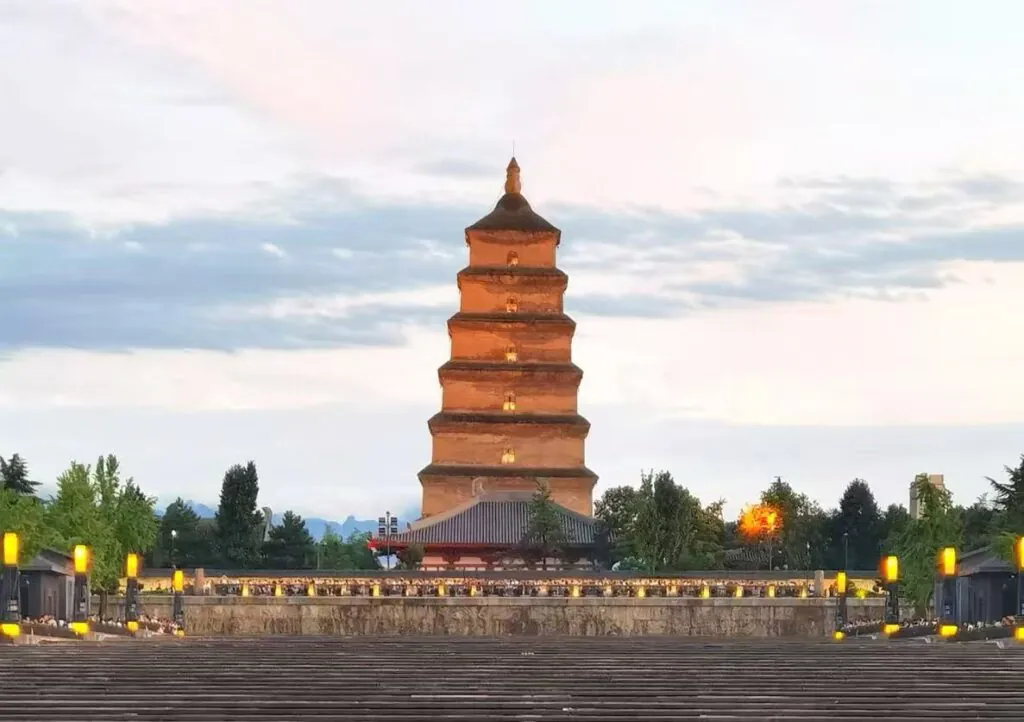
Design of Giant Wild Goose Pagoda
When you see the giant wild goose pagoda, it is more than a tall tower. It is a special part of old architecture. The pagoda is 64 meters tall and has seven floors. Builders used bricks to make it strong and square. Inside, you can walk up tight spiral stairs to higher levels. Each level has small windows. These windows let in sunlight and show views of Xi’an.
- The outside has stone carvings, Buddhist statues, and old writing.
- The design is simple and balanced, like Tang Dynasty style.
- Its even shape makes the pagoda look peaceful and strong.
- The roofs have many eaves. These eaves keep out rain and, by tradition, stop bad spirits.
Every part of the pagoda has a reason. The big wild goose pagoda was not just for looks. It kept Buddhist scriptures safe and showed Tang builders’ skills. When you visit the dayan pagoda, you see a real piece of China’s wild goose pagoda history.
Religious and Artistic Influence
The giant wild goose pagoda is more than just a building. It stands for faith and culture. The carvings and writing on the walls share stories about Buddhist beliefs. You can see how the Tang Dynasty cared about Buddhism by building this big pagoda. The roofs with many eaves do more than block rain. They also show the idea of guarding sacred teachings and keeping away bad things.
Inside, you find art that mixes Indian and Chinese styles. Artists made statues of bodhisattvas like Guanyin and Maitreya. These figures look lively and full of life. The pagoda was a place for Buddhist learning, so artists made new kinds of art. You see bronze figures, careful engravings, and pretty writing. Over time, the pagoda’s meaning changed how people made art in Xi’an.
The story behind the pagoda’s name adds more meaning. It tells about Buddhist monks who chose to be kind and eat no meat. This story and the pagoda’s design remind you of the deep values of the Tang Dynasty. When you stand by the big wild goose pagoda, you feel the link between art, faith, and history.
Xi’an Big Wild Goose Pagoda Tour Guide
How to arrive
Getting to the big wild goose pagoda in xi’an is easy and stress-free. You have several options, so you can pick what fits your style. The metro is a favorite for many visitors. Just hop on Line 3, and you will reach the pagoda in under 30 minutes from most places in central xi’an. Trains run every few minutes, so you never wait long. If you like buses, you can use lines like 6, 8, or 9. These buses stop near the pagoda and cost about the same as the metro. Taxis are another choice. They cost more, but they get you there quickly, especially if you want a direct ride. Some tours, like the Private Big Wild Goose Pagoda Buddhism Walking Tour, even offer hotel pickup or private car transfers. This makes your travel smooth and lets you focus on enjoying xi’an.
| Mode | Details | Cost (RMB) | Travel Time |
|---|---|---|---|
| Metro | Line 3, frequent trains | 2-5 | Under 30 minutes |
| City Bus | Lines 6, 8, 9, stops nearby | 2-5 | Under 30 minutes |
| Taxi | Direct, more expensive | Varies | Short, traffic varies |
Tip: The metro is quick and easy for most travelers. If you want comfort, taxis or private tours are great choices.
What season is best
You want your visit to xi’an to be perfect. The best times to see the big wild goose pagoda are spring and autumn. In spring (March to May), flowers bloom and the weather feels mild. You can walk around outside and enjoy the fresh air. Autumn (September to November) brings clear skies and colorful leaves. The temperature is just right for sightseeing. Summer in xi’an gets hot and rainy, so outdoor visits can feel sticky. If you come in winter, bring warm clothes. It gets cold, but the air stays dry, and sometimes you see snow on the pagoda. Even in winter, special events like the lantern fair make your travel fun.
- Spring: Mild, flowers bloom, great for walking.
- Summer: Hot and humid, best to visit in the evening.
- Autumn: Cool, clear, and beautiful.
- Winter: Cold but dry, sometimes snowy, still worth a visit.
Ticket prices&how to book
You can buy tickets for the big wild goose pagoda online or at the entrance. The entry ticket costs about $10 per person if you use an e-ticket. Booking online is fast and lets you skip long lines. You get a QR code for entry, so keep it handy on your phone or print it out. If you want to climb the pagoda, you need to buy another ticket at the door. Sometimes, QR codes do not scan right away, so save your confirmation email just in case. Booking ahead makes your travel smoother, especially if you like to plan. Most visitors find the e-ticket system easy, but being prepared helps you avoid any hiccups.
Note: Pre-booking online saves time, but always have a backup of your ticket info.
Modern Xi’an Experience
UNESCO Heritage and Preservation
You might wonder how the big wild goose pagoda still stands tall after so many centuries. People in xi’an work hard to protect this treasure. The pagoda became a UNESCO World Heritage Site, which means it gets special care. Experts use both old and new methods to keep the pagoda safe.
- Workers restored the pagoda during the Ming and Qing Dynasties.
- Today, teams use modern technology and regular check-ups to watch for any damage.
- They follow rules that say, “Fix only what you must and keep things in place.”
- There are plans for earthquakes and other risks.
- Visitor rules and fun learning programs help everyone understand why the pagoda matters.
You see, the big goose pagoda is not just a building. It is a living part of xi’an’s story.
Big Goose Pagoda Musical Fountain
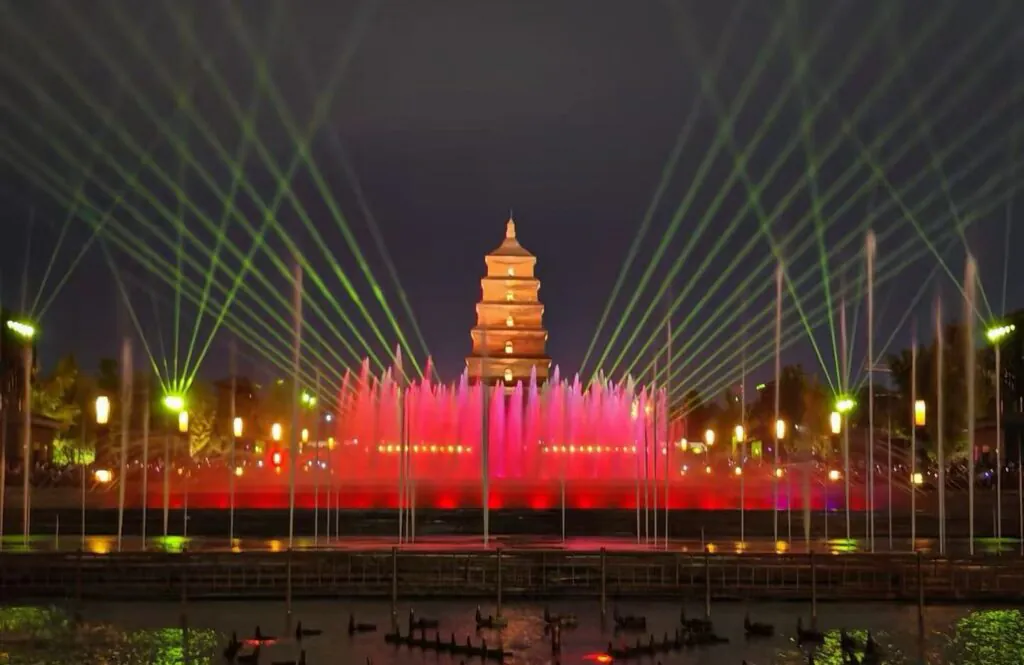
When you visit xi’an, you can’t miss the musical fountain show at the big goose pagoda. This is the largest musical fountain in Asia! The fountain covers a huge area and has amazing water patterns like lotus flowers, flying birds, and even a 60-meter-high water column. At night, the show lights up with music, lasers, and dancing water.
- The fountain has 22 different water shapes and a giant laser water curtain.
- You hear classical music while the water moves in time with the beat.
- Shows happen several times a day, with extra performances on weekends and holidays.
You feel the energy of the city as families, friends, and travelers gather to watch. The fountain makes the big wild goose pagoda even more magical.
China Explorer Tour Highlights
You want to see the best of xi’an? The China Xi’an Trip: Discover Terracotta Army, and Traditional Treasures by China Explorer Tour gives you a full day of adventure.
- Start with the famous Terracotta Warriors.
- Taste local food like biangbiang noodles and roujiamo for lunch.
- Walk or bike on the ancient city wall for great views.
- Explore the busy Muslim Quarter and try snacks.
- Watch the big goose pagoda musical fountain show.
- End your day at Ever-Bright City walking street, where you can shop, eat, and see cultural shows.
You get to learn about the big wild goose pagoda’s history and climb up for city views. Guides tell stories that bring the past to life. The area is easy to reach by metro, bus, or taxi. You can even rent a bike or join a private tour. The lively streets around the pagoda offer local food, Tang-style performances, and fun photo spots. This attraction blends old and new, making your trip to xi’an unforgettable.
You can see the Big Wild Goose Pagoda in the center of xi’an. It connects old Silk Road tales with the busy city today. Experts say it is the best Tang Dynasty pagoda that still stands. Inside, there are Buddhist relics and art to discover. Many people enjoy walking through its halls. They also like to watch the musical fountain close by. The pagoda has stayed strong during wars and earthquakes. This shows the spirit of xi’an. When you visit, you become part of a tradition. This tradition helps keep history and culture alive.
FAQ
How long should you spend at the Big Wild Goose Pagoda?
You can explore the pagoda and its grounds in about 2 to 3 hours. If you want to watch the musical fountain show or visit nearby shops, plan for half a day.
Can you climb to the top of the pagoda?
Yes, you can! Buy a separate ticket at the entrance. Climbing the narrow stairs rewards you with amazing city views.
Tip: Wear comfy shoes for the climb.
What should you bring for your visit?
Comfortable walking shoes
Water bottle
Camera or phone for photos
Some cash for snacks or souvenirs
Is the Big Wild Goose Pagoda suitable for kids and seniors?
Absolutely! The area is flat and easy to walk. Kids love the fountain show. Seniors can enjoy the gardens and history.
Note: The stairs inside the pagoda are steep, so take care if you climb.
See Also
Top Ten Tips To Customize Your China Adventure
Exploring Regional Flavors And Traditions In Chinese Cuisine
Experience The Elegance Of Song Dynasty Hanfu Styles
Unveil Distinctive Hanfu Makeup Looks On China Tours
A Timeless Look At Hanfu Through Chinese History
Popular Packages
Choose Best Holiday Package

Why Choose This Tour? Customized Private Experience: Tailored for small groups (1-13 people) to ensure personalized attention. Cutting-Edge Tech Encounters:…

Explore Yunnan’s most iconic destinations in 8 days. From Kunming’s cultural charm to Dali’s lakeside beauty, Lijiang’s ancient towns, and Shangri-La’s Tibetan landscapes—this immersive China tour blends nature, heritage, and ethnic culture.
Why Choose This Datong Tour Package? Explore Datong’s most famous landmarks while embracing the elegance of traditional Chinese attire. This…
Introduction This is more than a conversation about health; it is an invitation to a Co-creative Wellness Retreat in one…

Why Choose This Shaoxing Yellow Wine (Huangjiu) Journey? This journey offers a cultural immersion into Shaoxing, the 2,000-year-old birthplace of…
This carefully planned itinerary balances nature, spirituality, and culture, offering travelers a well-rounded exploration of Tibet’s incredible heritage. Whether you're interested in Buddhist spirituality, natural landscapes, or authentic cultural experiences, this tour will allow you to experience the best of Tibet in an intimate and respectful way.