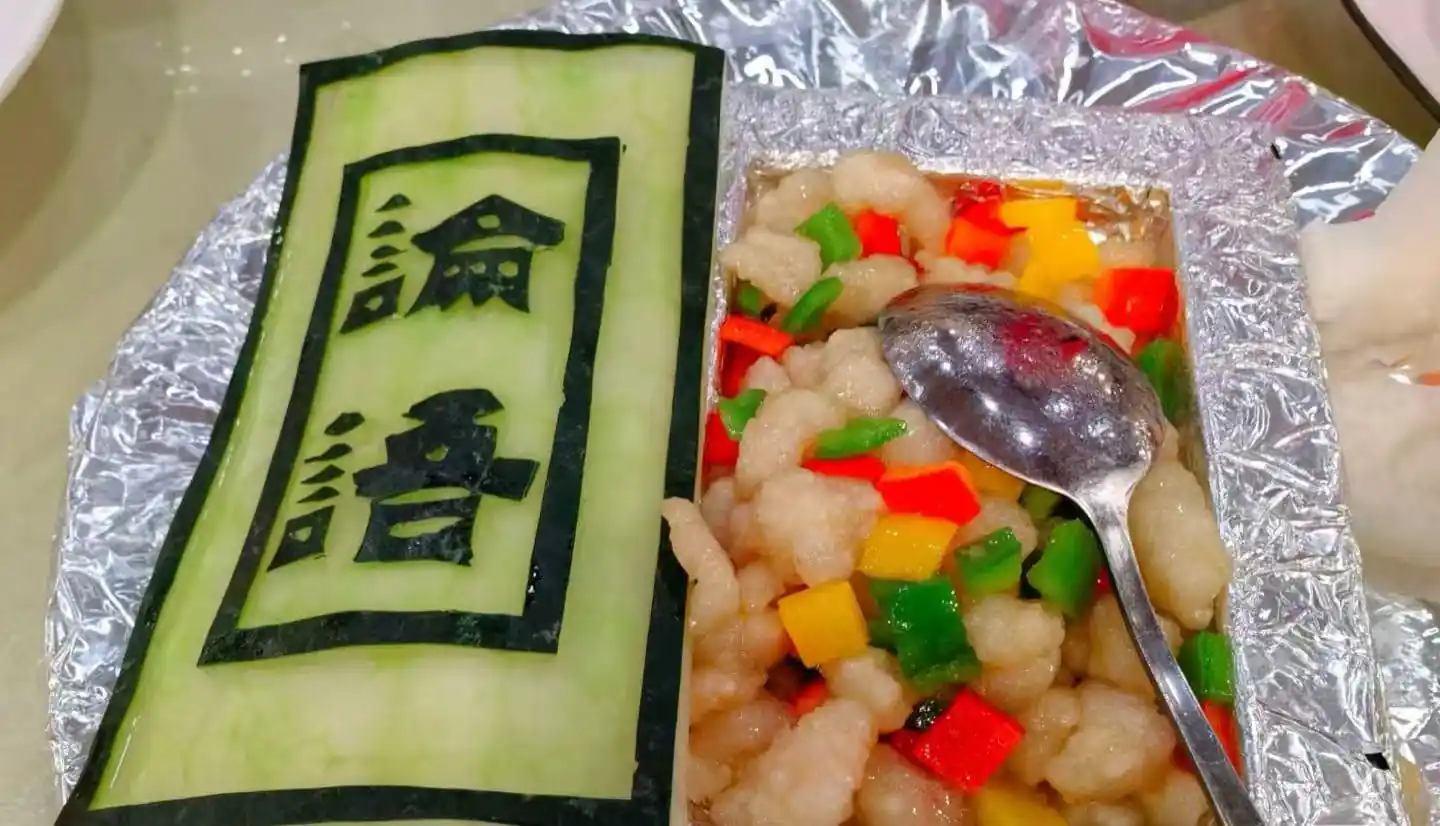
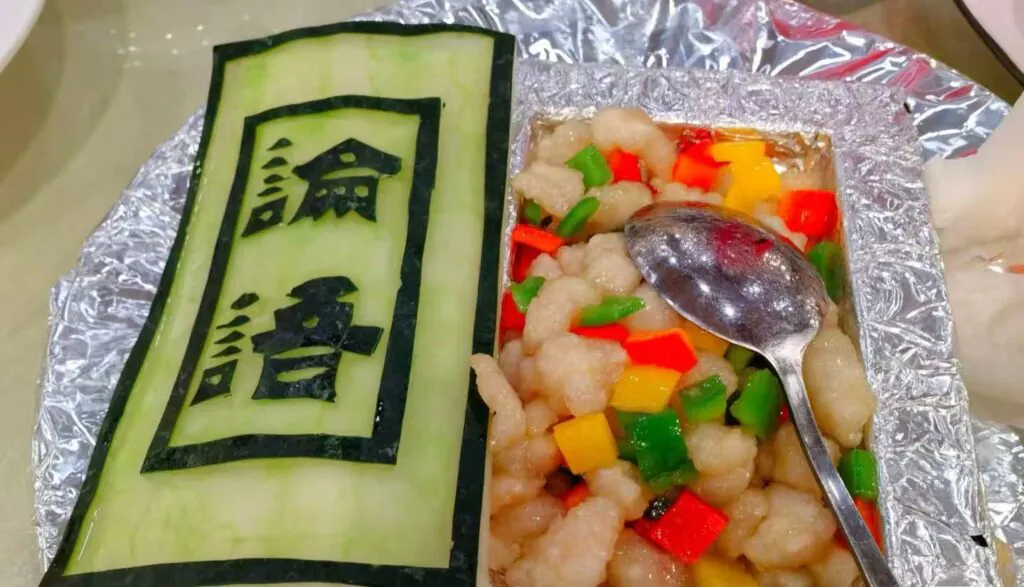
Imagine the smell of soup cooking slowly. You hear the soft sound of porcelain dishes. A chef uses careful hands to make each dish with care. Kungfu dishes are special in Chinese cuisine. They blend history, ritual, and smart cooking inspired by Confucian teachings. You taste more than just food—you experience many years of tradition. Every step follows ancient rituals and honors family values. These dishes invite you to discover the true heart of Chinese cuisine. You might even want to try making them yourself.
Key Takeaways
- Kongfu dishes started in Shandong. They show Confucian values like respect, harmony, and tradition in cooking and serving. Confucian ideas guide the meal’s order and manners. Chefs use care and skill to make food. Each dish stands for kindness and respect. Chinese food changed over many dynasties. New ingredients and tools like the wok were added. Cooking methods help food stay tasty and pretty. Kongfu chefs use fresh ingredients and careful knife work. They cook with focus and mix old ways with new ideas. This makes dishes look and taste unique. You can try Kongfu dishes in China’s cities and local markets. Food tours and cooking classes also let you enjoy this rich food culture and history.
Kongfu Dishes and Confucian Tradition
Authenticity
When you eat Kongfu dishes, you enter a place where details matter a lot. These dishes are from a special part of Shandong cuisine. People also call them “dishes of the Confucian Mansion.” You can tell they are different right away. The chef picks the right tableware for each food. The flavors taste balanced, but there is more than just taste. You see the care in how the food looks. The meal moves in a special order from start to end.
Kongfu cuisine is not like other Chinese food styles. Many places in China use strong flavors or rare foods. But here, you find something deeper. The traditions come from Confucian values. For example:
- Kongfu cuisine shows careful cooking and uses the right tableware.
- The dishes stand for peace and harmony, not just taste.
- There is a dish called “zhuzi gongshi” or “pupils paying homage to the master.” This dish is about respect and tradition.
- Kongfu cuisine is real because of its symbols and old ways of serving. This strong tie to tradition makes it different from other styles.
These customs started in the qing dynasty. Back then, the Confucian Mansion in Shandong was known for big meals. Chefs followed strict rules for every meal. They showed respect to guests and elders with special serving orders. This care for detail still shapes how you eat Kongfu dishes today.
Confucian Influence
Confucian ideas shape every part of Kongfu dishes. When you eat these foods, you taste more than just a meal. You taste values that have shaped Chinese food for a long time. The main ideas of Confucian tradition guide how chefs cook and serve each dish. Here are the main points:
1. Humanity (Ren): You see kindness and respect in the kitchen. Chefs care about each other and work together. 2. Rituals (Li): Every step in cooking follows a set way. This keeps things calm and in order during the meal. 3. Filial Piety (Xiao): Meals show love for family and old ways. You feel respect for elders and ancestors at the table. 4. Five Relationships Hierarchy (Wu Lun): The meal shows respect for social roles. Dishes come in a set order, and everyone knows their place. 5. Principle of Rank and Role: Chefs serve food by rank. Elders and guests get the best, which shows deep respect.
These ideas make Kongfu dishes special in Chinese food history. You find harmony in the taste, the look, and how people eat together. The qing dynasty helped shape these ways, but they started even earlier. When you join a meal like this, you join a living tradition. You see how food can teach values and bring people close.
Tip: When you try Kongfu dishes, look at the small things. Watch the order of the food, how people serve each other, and the calm at the table. You will see a new side of Chinese food and learn why these ways last.
Chinese Cuisine History
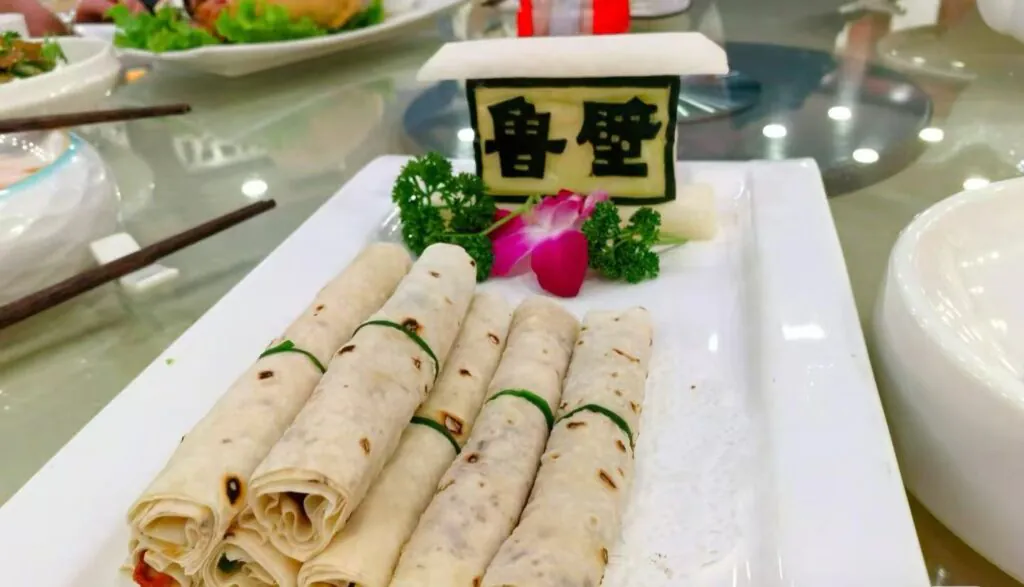
Culinary History of China
Have you ever wondered why Chinese food is so varied? The answer goes back a very long time. Each dynasty added something new to Chinese food. Food changed with every new era in history. Look at this table to see how each time period changed what people eat now:
| Dynasty | Culinary Contributions and Influence |
|---|---|
| Xia Dynasty | People ate simple foods made from grains and vegetables. |
| Shang Dynasty | Bronze tools were used for cooking, and early soy sauce and bean paste appeared. |
| Zhou Dynasty | More rice was grown, and people had big feasts with special rules. |
| Qin Dynasty | Food trade became fair because of standard weights and measures. |
| Han Dynasty | The wok was invented, and wheat flour became common. |
| Six Dynasties | Mutton, dairy, and new spices came from other cultures. |
| Sui Dynasty | More rice was eaten in the south, and new ways to keep food fresh were used. |
| Tang Dynasty | Exotic spices, tea, and flavors from the Silk Road were added. |
| Song Dynasty | Sugar, fancy spices, and pretty food displays became popular. |
| Yuan Dynasty | Central Asian foods, dumplings, noodles, and deep-frying were introduced. |
| Ming Dynasty | Cooking schools, recipe books, and balanced flavors became important. |
| Qing Dynasty | Stir-frying, braising, and creative dishes for the emperor were made. |
| Republic of China | Western food ideas and mixed dishes appeared. |
| People’s Republic of China | People focused on local foods and home-style cooking. |
Chinese food grew because of new ideas and outside cultures. Groups like the Xianbei brought mutton and dairy to the north. Traders from Central Asia brought flatbreads and spices. The Silk Road helped bring foods like sesame and coriander to China. Over time, Chinese food became a mix of many different cultures.
Evolution of Techniques
Let’s talk about how cooking changed over time. The wok made a big difference in Chinese kitchens. You can stir-fry, steam, boil, or deep-fry with it. This tool helped cooks save time and fuel. Stir-frying became popular because it is fast and keeps food tasty. Chefs learned special skills like “bao chao,” which means very quick stir-frying.
In the Qing dynasty, cooks got really good at braising and steaming. They made dishes that looked nice and tasted great. Good cooking skills and pretty food became very important in Chinese food history.
Tip: When you eat Chinese food, look at how it is cooked. Is it stir-fried, steamed, or braised? You are tasting a part of history!
Confucian Philosophy in Food
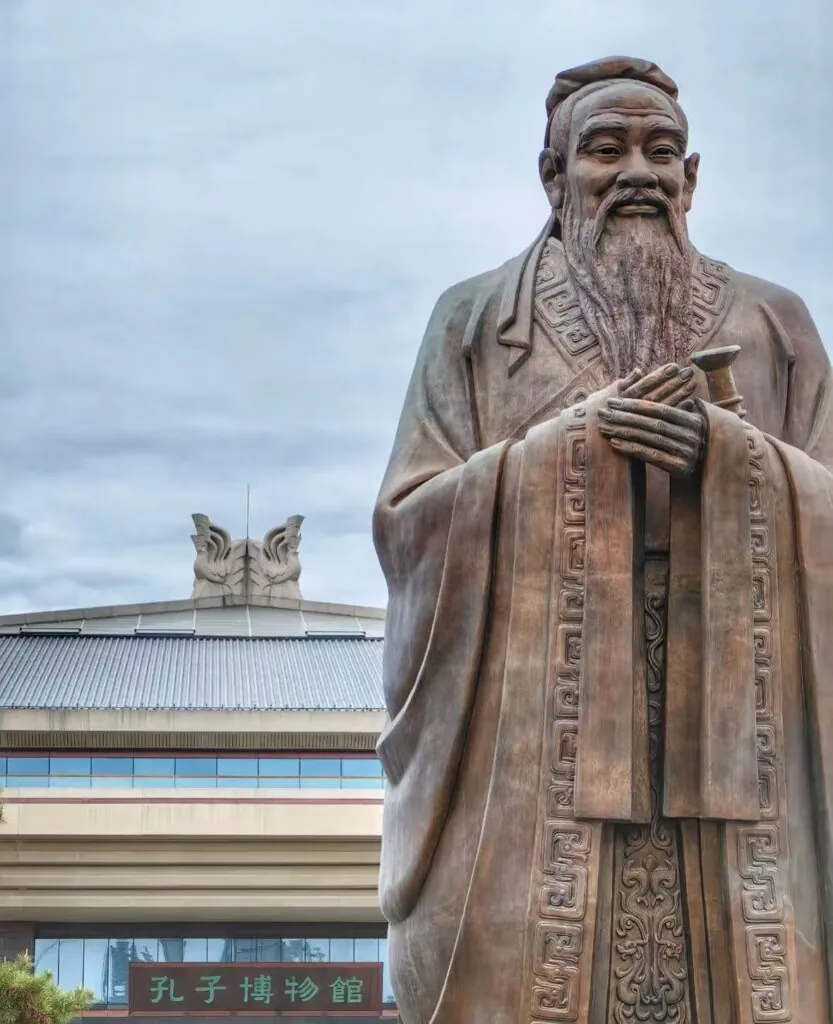
Harmony and Ritual
When you eat a meal with Confucian ideas, you notice more than food. You see that everything at the table feels peaceful. Confucian rituals guide how people act when eating.
Even waiting for elders to eat first shows deep respect.
Rituals teach you to think of others first. This helps everyone get along.
Every move, like passing food or pouring tea, shows care.
Confucius said rituals help you become a better person, like polishing a stone.
Tip: Try to see the beauty in these small things. They make a normal meal feel special and peaceful.
Etiquette and Values
Confucian values shape every rule at the table. You see respect for elders, good manners, and order. These rules help everyone feel safe and important.
- Where you sit depends on age and honor. The oldest or most special guest sits in the best seat.
- You wait for the host to say you can start eating.
- You serve others before yourself, especially elders or guests.
- You pour hot tea for others and thank the person who fills your cup.
- People share dishes. Elders take food first using a Lazy Susan or serving tools.
- Eating quietly and slowly shows you have self-control and respect.
- You do not eat food that fell or is not fresh.
- When drinking, you toast kindly and do not drink too much.
- You leave the table only after elders are done.
These rules may look simple, but they teach you to care for others and be thankful. Confucian etiquette makes every meal a lesson in kindness and respect.
Features of Kongfu Dishes
Preparation Skills
When you step into a kitchen where Kongfu dishes come to life, you notice something special right away. Chefs move with purpose, almost like martial artists. They repeat each motion until it feels natural. You see them slicing, stirring, and plating with total focus. Every action matters. These skills come from years of practice, just like learning a new sport or instrument.
- Chefs practice precise movements over and over.
- They pay close attention to heat, flavor, and timing.
- Stir-frying and marinating are two main skills they master.
- Chefs learn to balance flavors and textures, using ideas from yin and yang.
- Mindfulness is key. Chefs stay present, watching colors and smelling aromas as they cook.
- After learning the basics, chefs get creative and add their own touch.
You can think of these chefs as artists. They know the rules so well that they can break them in smart ways. This is what makes Kongfu dishes stand out in chinese cuisine. The focus on technique and creativity brings each dish to life.
Tip: Next time you watch a chef, notice how they move. You might see the same focus and discipline as a martial artist!
Ingredient Selection
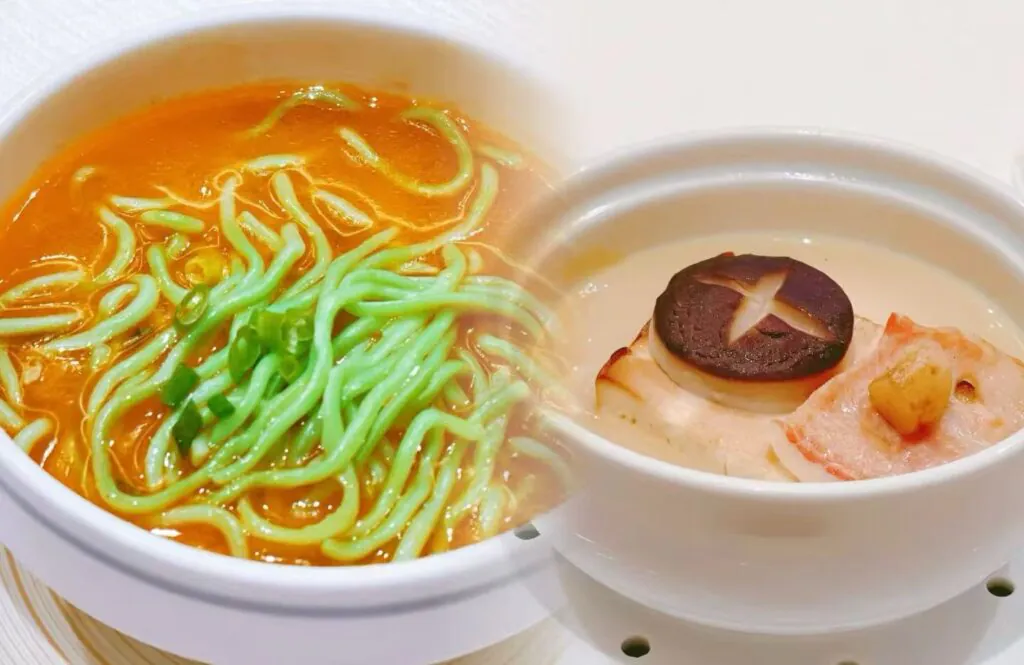
You can’t make great Kongfu dishes without the right ingredients. Chefs pick only the freshest vegetables and the best cuts of meat. They look for bright green cabbage, crisp celery, tender bean sprouts, and sweet baby bok choy. Carrots add color and crunch. High-quality sauces and egg noodles are a must.
- Freshness comes first. Chefs use vegetables at their peak.
- Only premium sauces and noodles make the cut.
- Chefs cook in a stationary wok at high heat to lock in flavors.
- Tradition matters. Chefs stick to old ways to keep flavors true.
Ingredient quality changes everything. When you use the best, you taste the difference. The flavors pop, and the colors look brighter on the plate. Chefs also use careful knife work to cut each piece the same size. This helps food cook evenly and look neat. The right dishware adds a final touch, turning a meal into a work of art.
Note: If you want to try making Kongfu dishes at home, start with the freshest ingredients you can find. Your food will taste better and look amazing.
Classic Dishes
Some Kongfu dishes have stories that go back hundreds of years. One of the most famous is Kung Pao chicken. This dish got its name from Ding Baozhen, a Qing dynasty official. His title, “Gongbao,” means Palace Guardian. The dish uses diced chicken, which is a play on Ding’s name. Kung Pao chicken traveled across China, picking up flavors from places like Guizhou, Shandong, and Sichuan. Even though people tried to make one standard recipe, you’ll find many versions today. The dish disappeared for a while during the Cultural Revolution but came back in the 1980s. Now, it’s a favorite in chinese cuisine all over the world.
Other classic dishes from Kongfu cuisine include:
| Dish Name | Story or Special Feature |
|---|---|
| Kongfu Braised Sea Cucumber | Served at important feasts, known for its rich sauce and soft texture. |
| Eight Immortals Crossing the Sea | A dish with eight different ingredients, each symbolizing good luck. |
| Pupils Paying Homage to the Master | A dish that honors teachers and tradition, often served at banquets. |
These dishes show the heart of Kongfu cooking. Each one tells a story from chinese food history. You taste tradition, respect, and creativity in every bite.
Did you know? The way a dish looks is just as important as how it tastes. Chefs spend extra time making sure every plate is beautiful.
Experiencing Chinese Cuisine Today
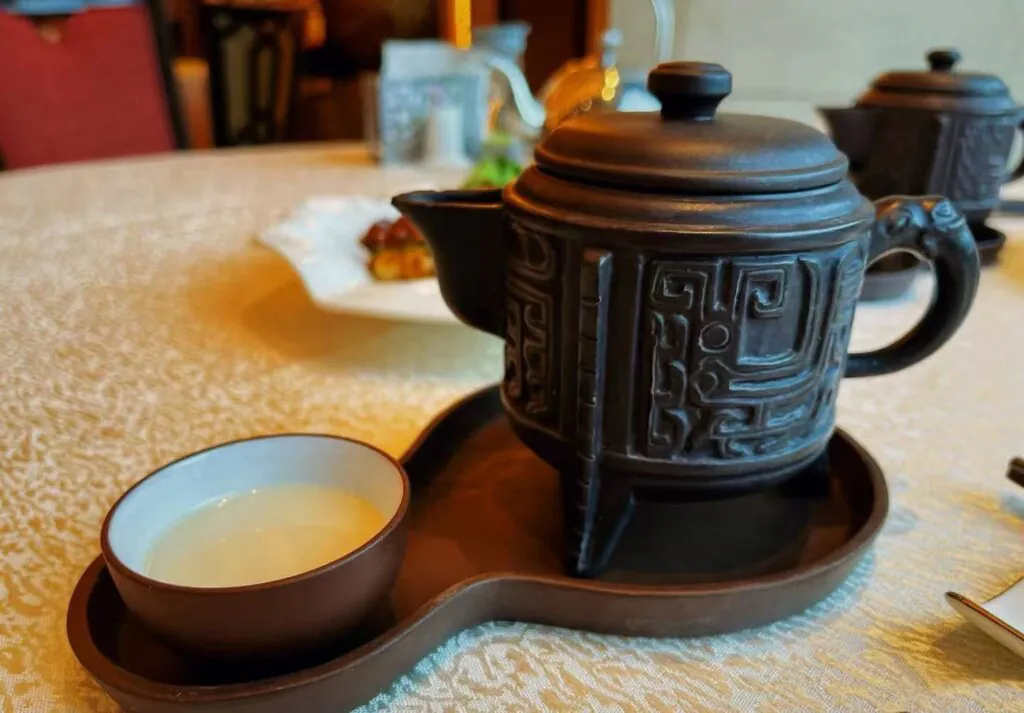
Where to Taste
You might wonder where you can try real Kongfu dishes. China has many places where you can taste these special foods. Big cities like Beijing, Shanghai, and Jinan have restaurants that serve classic Kongfu meals. Some places even let you watch the chefs cook right in front of you. You get to see the careful knife work and the fast moves with the wok.
If you want a deeper experience, visit local food markets. Here, you can find fresh ingredients and see how locals shop for their daily meals. Sometimes, you might even join a cooking class led by a local chef. These classes teach you how to make dishes like Peking Duck or Kongfu Braised Sea Cucumber. You learn the steps, taste the flavors, and bring home new skills.
Tip: Ask locals for their favorite spots. They often know hidden gems that tourists miss!
Foodie Tours
If you want to dive into Chinese food culture, Foodie Tours by China Explorer Tour are a great choice. These tours take you on a journey through China’s best food cities and regions. You get to taste local dishes, visit bustling markets, and even cook with expert chefs.
Why choose a Foodie Tour?
- You explore local food markets and taste traditional dishes.
- Expert guides share stories about the food, its history, and how it’s made.
- You join cooking classes and communal feasts, learning hands-on.
- Tours range from quick day trips to long adventures, so you can pick what fits your schedule.
- Each tour focuses on regional specialties, like spicy hotpot in Chongqing or rice noodles in Yunnan.
Guides make your trip special. They explain flavors, cooking styles, and the meaning behind each dish. They also help you find the best local restaurants, so you avoid tourist traps and eat like a local.
Want to try Kongfu dishes at home? Start with simple recipes from chefs like Jeremy Pang or Mandy Fu. Use fresh, local ingredients and practice your wok skills. Remember, even top chefs say that practice and creativity matter most. Swap in local meats or veggies if you can’t find the exact Chinese ones. With patience, you can bring a taste of Kongfu tradition to your own kitchen.
Note: Whether you travel to China or cook at home, exploring Kongfu dishes connects you to a rich world of flavor and tradition.
Kongfu dishes link you to Confucian tradition and old Chinese culture. Each bite lets you taste history, respect, and skill. Today, you can try these flavors in different ways. Modern chefs mix old recipes with new ideas. This makes dishes that honor the past but also feel new and fun. Foodie Tours by China Explorer Tour let you eat with local people, visit markets, and learn from skilled chefs. These trips help keep Chinese food culture strong and let you join the story.
FAQ
What makes Kongfu dishes different from other Chinese food?
You notice the care in every step. Chefs use special skills and follow old traditions. The dishes show respect, balance, and beauty. You taste history and see Confucian values in every meal.
Can you try Kongfu dishes outside of China?
Yes! Some big cities have restaurants that serve Kongfu dishes. You can also join cooking classes or food tours. Look for places that focus on Shandong or Confucian cuisine.
Are Kongfu dishes hard to make at home?
Some dishes need practice, but you can start with simple recipes. Use fresh ingredients and pay attention to details. Try easy dishes first, like stir-fried vegetables or Kung Pao chicken.
What are some must-try Kongfu dishes?
You should try Kongfu Braised Sea Cucumber, Eight Immortals Crossing the Sea, and Kung Pao chicken. Each dish has a story and special meaning. They taste great and look beautiful on the plate.
How do Confucian values show up at the table?
You see respect for elders, careful serving, and quiet eating. People share food and wait for others. Every meal feels calm and full of meaning.
See Also
Exploring The Rich Flavors And Traditions Of Chinese Cuisine
Must-Try Popular Chinese Dishes To Enjoy In 2025
A Historical Look At Hanfu Fashion Through Chinese Eras
Top Ten Insider Suggestions For Tailored Travel In China
Unveiling Distinctive Hanfu Beauty Looks On China Tours
Popular Packages
Choose Best Holiday Package

Why Choose This Tour? Customized Private Experience: Tailored for small groups (1-13 people) to ensure personalized attention. Cutting-Edge Tech Encounters:…

Explore Yunnan’s most iconic destinations in 8 days. From Kunming’s cultural charm to Dali’s lakeside beauty, Lijiang’s ancient towns, and Shangri-La’s Tibetan landscapes—this immersive China tour blends nature, heritage, and ethnic culture.
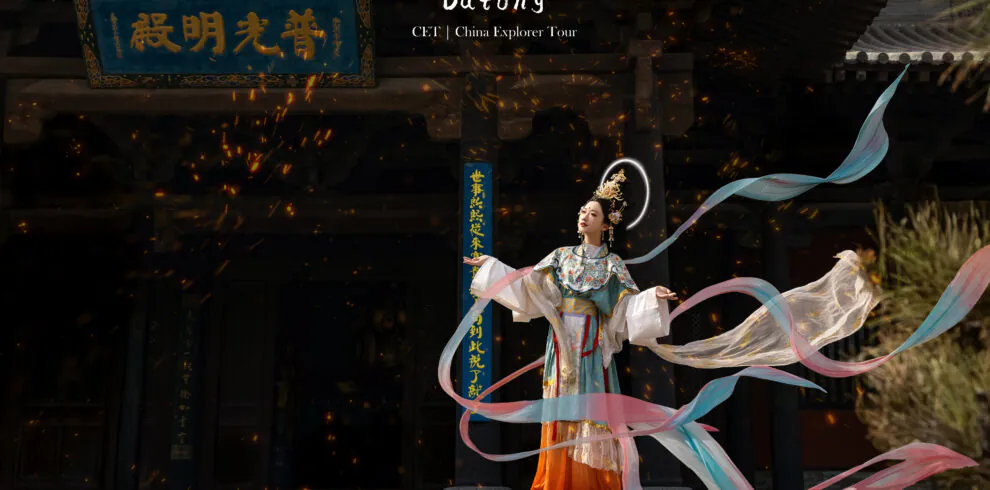
Why Choose This Datong Tour Package? Explore Datong’s most famous landmarks while embracing the elegance of traditional Chinese attire. This…
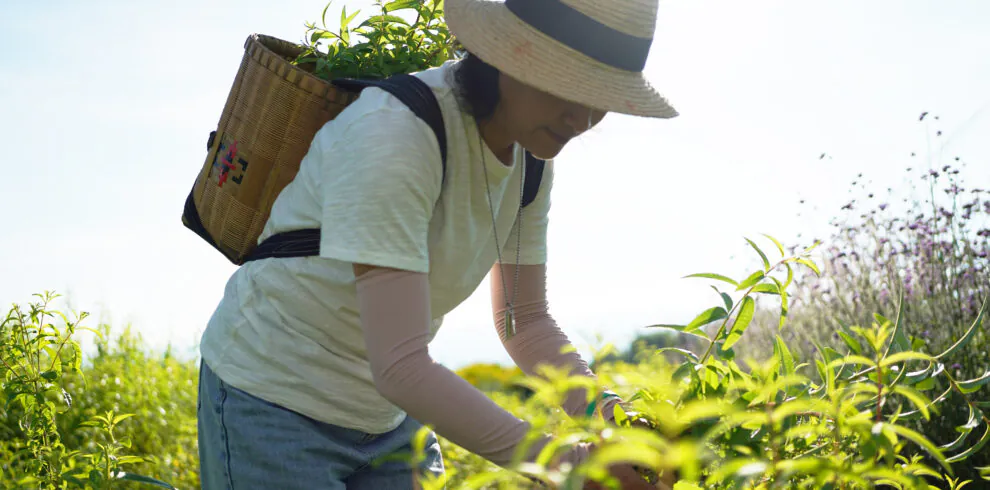
Introduction This is more than a conversation about health; it is an invitation to a Co-creative Wellness Retreat in one…

Why Choose This Shaoxing Yellow Wine (Huangjiu) Journey? This journey offers a cultural immersion into Shaoxing, the 2,000-year-old birthplace of…

This carefully planned itinerary balances nature, spirituality, and culture, offering travelers a well-rounded exploration of Tibet’s incredible heritage. Whether you're interested in Buddhist spirituality, natural landscapes, or authentic cultural experiences, this tour will allow you to experience the best of Tibet in an intimate and respectful way.