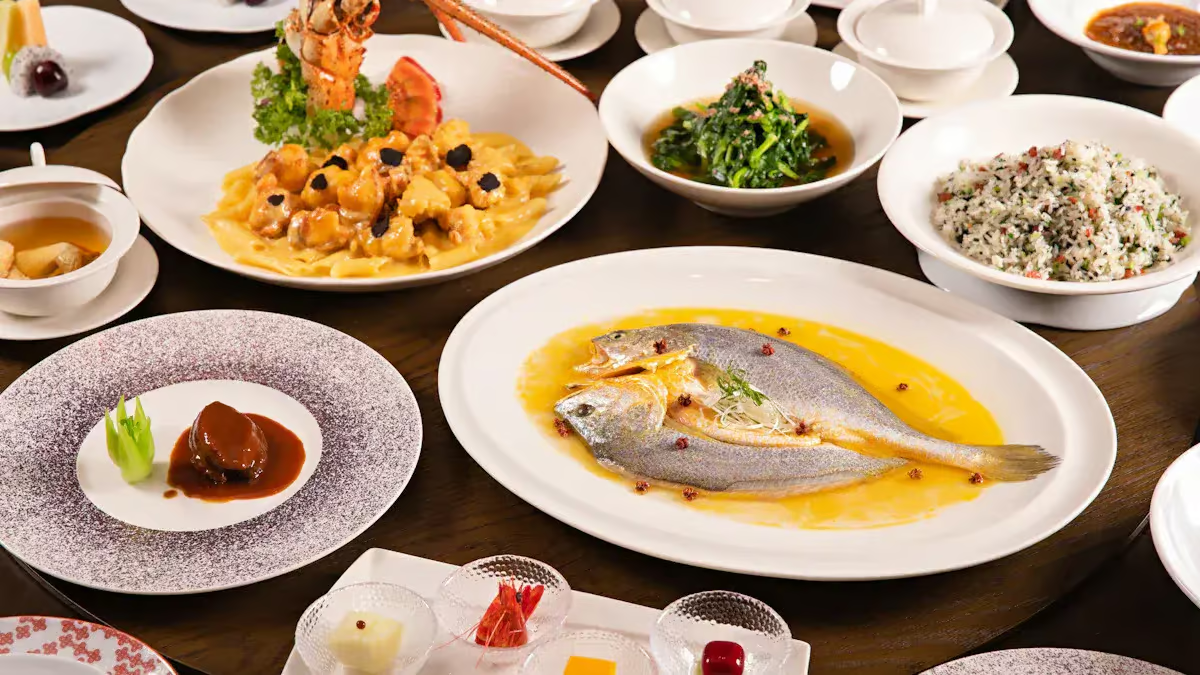
Steam rises from bamboo baskets as people sit together, gathering around a round table. Each person reaches for a favorite dumpling or some roast duck. Laughter and conversation fill the room. Chinese cuisine is special for its many varieties and rich history. For thousands of years, cooks in China have created dishes that reflect the local land, heritage, and culture. Meals bring people together, often blending colors, tastes, and textures. Food from different regions can range from mild seafood in the south to spicy peppercorn flavors in the west. These tastes are shaped by climate and ancient traditions. While some may think all Chinese cuisine is spicy or oily, cooking styles and flavors vary greatly across the country.
Key Takeaways
- Chinese food has many flavors and ways to cook. Local foods and old customs shape these styles in each area. Meals are about sharing many dishes at the same time. People mix colors, tastes, and textures to enjoy together. Every region has its own special foods and ways to cook. Some places have spicy Sichuan dishes. Others in the south use fresh seafood. Food in China often has special meanings. People believe in balance and use Yin and Yang foods for health. Today, Chinese food mixes old flavors with new ideas. This helps keep the culture fun and alive.
Chinese Cuisine Basics
Essential Ingredients
Chinese cuisine uses many different ingredients. These ingredients show the country’s land and weather. Each region likes certain foods best. But some foods are common everywhere. The table below shows what each region uses most:
| Region | Common Staple Ingredients | Regional Usage Characteristics |
|---|---|---|
| Sichuan | Garlic, chili peppers, Sichuan peppercorn, peanuts, sesame paste, ginger | Strong, spicy flavors are popular here. Garlic, chili peppers, and Sichuan peppercorn are used a lot. |
| Fujian | Seafood, mushrooms, bamboo shoots | This area is near the sea. People eat lots of seafood and mushrooms. Many dishes are soups or broths. |
| Shandong | Seafood, clear broths | Fresh seafood and light broths are important in this region. |
| Anhui | Local herbs, vegetables, bamboo shoots, mushrooms | This place has mountains. People eat more herbs and vegetables, not much seafood. |
| Zhejiang | Bamboo shoots, freshwater fish | Foods here taste fresh and soft. People use poultry, fish, and seafood. |
These foods change how dishes taste and feel. Garlic and ginger make food warm and deep. Bamboo shoots and mushrooms taste earthy. Seafood is common near the sea. People inland eat more vegetables and herbs.
Meal Structure
A Chinese meal is not like a Western meal. People share many dishes at once. They do not eat one dish after another. This way, everyone talks and enjoys the meal together. A usual meal has:
- Flavors, colors, and textures are balanced.
- Many ways to cook food, like boiling, steaming, braising, and stir-frying. Deep frying is not used much.
- Hot foods and drinks are liked best. Cold drinks are rare.
- People do not eat raw vegetables often. Cooking keeps food safe.
- Food is seen as medicine. People pick foods for health and to match the season.
Chinese meals try to keep things in balance. They mix ‘Yin’ and ‘Yang’ foods for good health. Garlic and ginger are used a lot. They help with colds and digestion.
Some people eat more fried foods now. But many families still eat healthy meals. Table manners and traditions are still important.
Sauces and Aromatics
Sauces and aromatics are very important in Chinese food. Cooks often start with ginger, garlic, and scallions. These three give dishes a strong, spicy, and savory taste. Soy sauce and Shaoxing wine are also used, mostly in stir-fries and soups.
- Ginger, garlic, and scallions are used in many recipes.
- Soy sauce makes food salty and dark.
- Shaoxing wine gives a nice smell and softens meat.
These sauces and aromatics make Chinese food taste special. They help bring together all the different foods and cooking styles.
Regional Traditions
Eight Great Cuisines
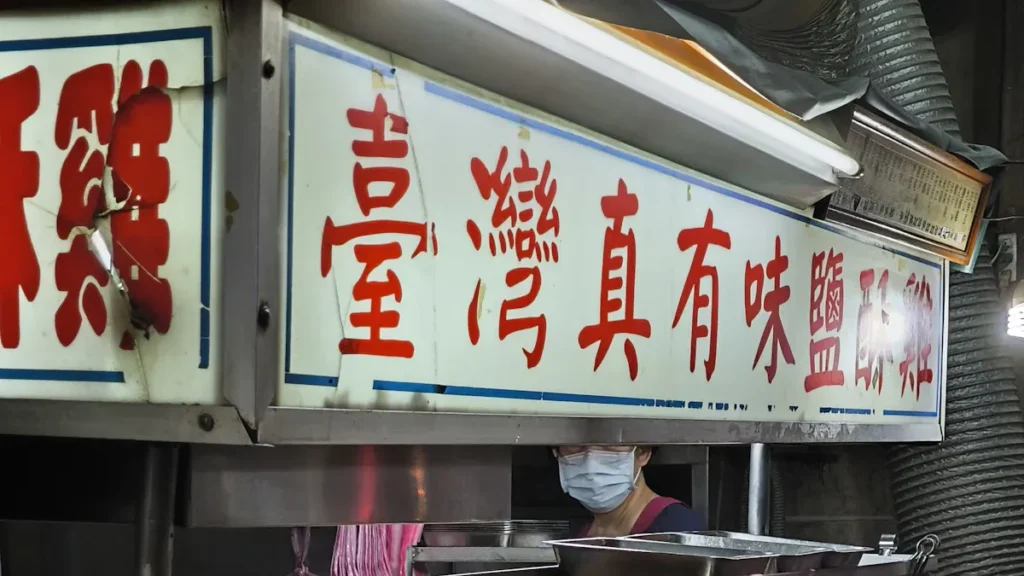
China has eight main food styles. Each one is different. They use special ingredients and ways to cook. The eight cuisines are Sichuan, Hunan, Guangdong (Cantonese), Fujian, Jiangsu, Zhejiang, Anhui, and Shandong. Each place has its own way of making food:
| Cuisine | Cooking Techniques and Characteristics |
|---|---|
| Sichuan | Stir-frying, bold flavors, spicy and pungent dishes |
| Hunan | Steaming, stewing, braising, hot and sour tastes |
| Guangdong | Flexible methods, focus on natural taste, skilled cutting |
| Fujian | Simmering, stewing, light seasoning, soups |
| Jiangsu | Complex prep, focus on flavor and appearance |
| Zhejiang | Mixes southern ingredients, northern methods |
| Anhui | Stewing, braising, careful heat control |
| Shandong | Quick stir-frying, deep-frying, keeps nutrition |
These food styles show how different Chinese food can be. People use local foods and cooking skills. This makes each region’s food taste special.
Local Specialties
Every part of China has famous foods and snacks. Sichuan is known for Mapo Tofu and spicy hotpot. Guangdong has dim sum and roast goose. Fujian people like Buddha Jumps Over the Wall, a rich soup. Shandong is famous for sweet and sour carp. Some snacks are not as well known. Xi’an has roujiamo, which is like a Chinese hamburger. Yunnan has crossing-the-bridge noodles. These foods show how creative and different Chinese food can be.
More real Chinese dishes are now in other countries. In the USA, people eat hand-made dumplings from Din Tai Fung. In Germany, people want healthy and plant-based Chinese food. In Japan, Chinese food is mixed with Japanese tastes. People care about how the food looks and tastes.
Seasonal Foods
Chinese people eat different foods in each season. This depends on the weather and what farmers grow.
- In the north, people plant wheat and root vegetables in spring. This helps when there is not much rain.
- In the south, it rains more. People grow rice and leafy greens.
- Autumn is when crops are picked. Too much rain in the east and center can hurt the harvest.
- Warm winters and summers help plants grow. But hot autumns in the south can make crops smaller.
These changes decide what people eat during the year. Seasonal foods show how Chinese food changes with nature and local customs.
Iconic Dishes
Signature Dishes
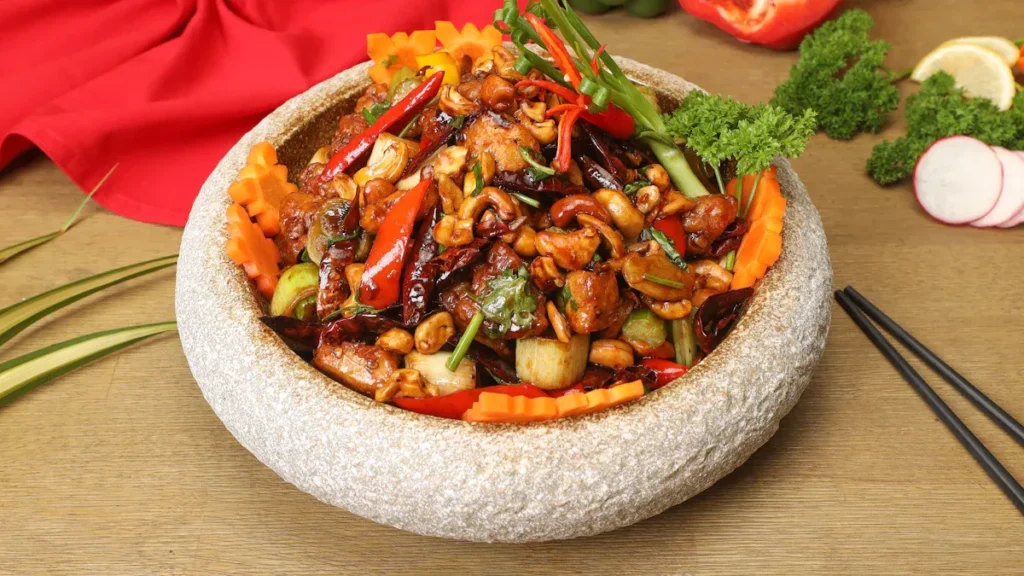
Chinese food has many famous dishes. Peking Duck from Beijing is well known. It has crispy skin and soft meat. Chefs cut it into thin pieces. People eat it with pancakes, scallions, and sweet bean sauce. Mapo Tofu is a spicy dish from Sichuan. It uses tofu, ground pork, and Sichuan peppercorns. Dim Sum comes from Guangdong. It has small foods like shrimp dumplings and pork buns. Every region has its own special dish. In the north, people like hand-pulled noodles. In the south, they eat a lot of fresh seafood. These dishes show how skilled and creative Chinese cooks are.

Symbolism
Food in China often has a special meaning. People pick certain foods for holidays and parties. These foods stand for good things. The table below shows how some foods match with values and big events:
| Festival/Occasion | Dish/Food Item | Symbolism/Meaning | Cultural or Historical Significance |
|---|---|---|---|
| Chinese New Year | Year cake (niángāo) | Increasing prosperity (sounds like ‘year high’) | Wishes for happiness and blessing during the most important festival |
| Dumplings | Wealth (shape resembles gold/silver ingots) | Symbolizes wealth and good fortune | |
| Lantern Festival | Sweet sticky rice balls (tāngyuán) | Togetherness and reunion (name sounds like ‘tuányuán’) | Full moon and round shape symbolize family unity |
| Dragon Boat Festival | Glutinous rice dumplings (zòngzi) | Commemoration of Qu Yuan | Honors the patriotic poet Qu Yuan and his legend |
| Mid-Autumn Festival | Mooncakes | Family unity (round shape like the harvest moon) | Celebrates family reunion |
| Birthday Celebrations | Noodles | Longevity (long shape) | Old superstition against cutting noodles |
Families serve these foods to wish for luck and health. The look and name of each dish often mean something good for the future.
Breakfasts and Desserts
Chinese breakfasts are big and filling. People eat dumplings, steamed buns, or rice porridge. Fried dough sticks called youtiao are a favorite. People dip them in warm soy milk. In the north, people like jian bing, a savory crepe. In the south, people enjoy dim sum. Dim sum has small foods like buns, dumplings, and rice noodles. Tea is a common drink with breakfast.
Chinese desserts are not very sweet. Sometimes people eat sweet congee or youtiao for dessert. Many desserts use rice, beans, or fruit. The table below lists some popular breakfast and dessert foods and where they are common:
| Food Item | Description | Regional Variation / Notes |
|---|---|---|
| Dumplings (Jiaozi) | Breakfast dumplings with meat, vegetables, or mushrooms. Steamed, boiled, or pan-fried. | Common across China; staple breakfast item. |
| Baozi (Steamed Buns) | Steamed buns with meat or vegetables; sweet or savory. | Fillings vary by region. |
| Congee (Jook) | Rice porridge, savory or sweet with toppings like meat, seafood, dates, or nuts. | Toppings and flavors change by region. |
| Youtiao | Fried dough sticks, often dipped in soy milk. | Popular everywhere; sometimes a sweet treat. |
| Jian Bing | Savory crepe with meat, scallions, and sauce. | Common in northern China. |
| Dim Sum | Small dishes like dumplings, buns, and rice noodles. | Especially popular in southern China. |
Food Culture and Philosophy
Yin-Yang and Balance
Yin-Yang ideas guide many food choices in China. People think every food is either “Yin” (cooling) or “Yang” (warming). They pick foods to keep their bodies balanced. In summer, people eat cooling foods like cucumber. In winter, they eat warming foods like ginger. This belief comes from old Chinese thinking. It says people and nature should be in harmony. Cooks try to use both Yin and Yang foods in meals. This helps people stay healthy and strong.
Food as Medicine
Food is important for health in Chinese families. The idea of food as medicine is very old. Sun Simiao wrote about “food therapy” in the 7th century. He said people can use “hot” and “cold” foods to help with sickness. Red meat and spicy peppers are “hot” foods. Green vegetables are “cold” foods. People choose foods that match what their body needs. This custom is still used today. For example, families eat mung beans in summer to cool off. They eat mutton in winter to stay warm. Science shows some foods, like cardamom, are good for health. Cardamom oil helps with digestion and protects the liver. Many people in China and Asia still trust food to heal.
Harmony and Aesthetics
Harmony matters in every Chinese meal. People care about taste, color, shape, and smell. Meals have dishes with many textures and flavors. Sharing food brings families and friends together. Food festivals like Chinese New Year and the Moon Festival keep traditions alive. At these times, people make and share special foods. These foods honor ancestors and celebrate family unity. Cooking and eating together passes down recipes and customs. These gatherings help keep the spirit of Chinese food strong.
Chinese Cuisine Flavors
Five Flavors
Chinese food uses five main flavors. These are saltiness, sourness, pungency, bitterness, and sweetness. Saltiness comes from salt or soy sauce. It is in many dishes and helps other tastes stand out. Sourness often comes from vinegar. It helps balance oily foods and helps people digest food. Pungency comes from ginger, garlic, and chili. It gives food a strong smell and a spicy taste. Bitterness is found in some herbs and vegetables. Chefs use it to make food taste deeper and to take away bad flavors. Sweetness is in sauces and some vegetables. It makes strong tastes softer and helps all the flavors work together. Many classic dishes show a careful mix of these flavors. This mix shows that food should help people stay healthy.
Eating Habits
People in China have many ways of eating. In the north, people eat more corn and rough grains. These crops grow well in that area. In the south, people get these grains by trading. People in the north and east eat more organ meats, seeds, and nuts. These foods are important for health and warmth. Organ meats are also used in traditional medicine. Western diets have more dairy, sweet drinks, and cakes. Chinese people focus on sharing food and keeping meals balanced. They also care about what foods mean. Where people live, their culture, and their history change what they eat and how they eat together.
Chinese meals bring families and friends together. Sharing food shows respect and care for others.
Modern Influences
Modern life brings new foods to China. People now drink bubble tea and eat cakes and cheese. Some Western foods are in city restaurants and homes. Young people like to try new snacks and drinks. But many families still keep old food traditions. Chefs mix old and new ideas in their cooking. They make dishes with classic flavors and modern twists. These changes show that Chinese food can grow but still keep its roots.
Chinese food mixes old customs, ideas, and local flavors. People changed what they ate as new crops grew. They also changed when the land and weather changed. Old objects show rice and millet were important in some places. Later, wheat and barley became part of meals. But cooks still liked to boil and steam food their own way. People still change recipes today. Visitors can taste these foods and learn their stories with China Explorer Tour. Chinese food gives many ways to explore and have fun.
FAQ
What makes Chinese food different from other cuisines?
Chinese food has many ways to cook and many flavors. Chefs want every meal to feel balanced and peaceful. People usually share dishes at the table. They use fresh foods and special sauces. Each area in China cooks in its own way.
Why do people share dishes at Chinese meals?
People share dishes so everyone can taste more foods. Sharing brings people closer together. It is a way to show care for family and friends. People think sharing food makes meals happy and friendly.
Are all Chinese dishes spicy?
Not every Chinese dish is spicy. Some places, like Sichuan, use lots of chili and peppercorns. Other places, like Guangdong, like mild and fresh tastes. There are many flavors in China for everyone.
Can travelers with dietary needs enjoy Chinese cuisine?
Yes! Many places have vegetarian, vegan, or gluten-free foods. Travelers can ask guides or workers for help. China Explorer Tour helps guests find meals that fit their needs.
Best Offers