Introduction
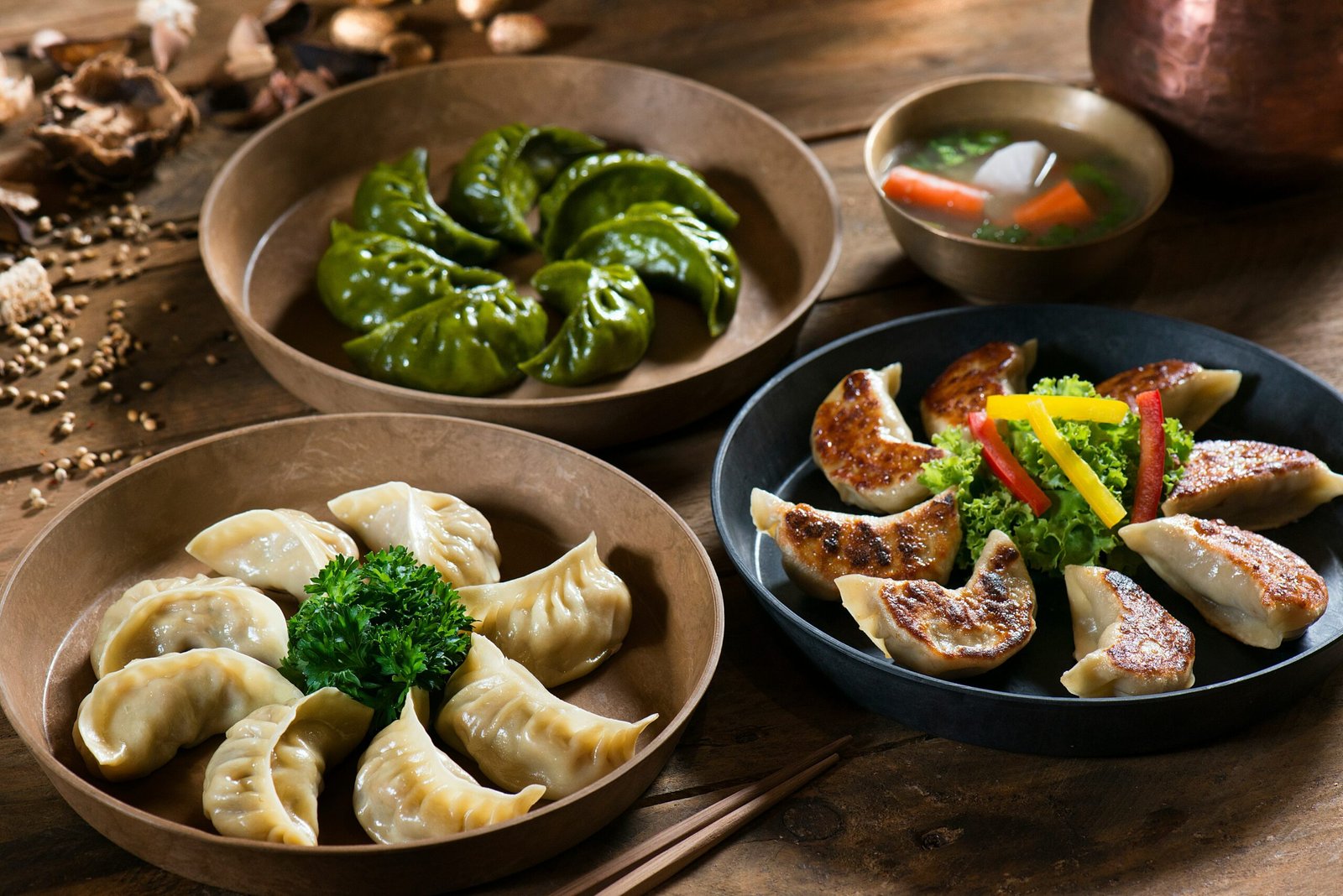
When it comes to Chinese culture, one culinary delight stands out: dumplings (饺子, jiaozi). These delectable pockets of dough filled with savory fillings are more than just a treat; they are a significant part of China’s cultural heritage. Scarfing down a dozen or two of them can be an immersive cultural activity if you understand a bit of dumpling history.
The History of Dumplings in Chinese Culture
Dumplings have a storied history in China, dating back over 1,800 years. According to legend, they were first created by Zhang Zhongjing (张仲景), a renowned Chinese medicine practitioner, during the Eastern Han Dynasty. He invented dumplings to treat frostbitten ears, filling them with warming ingredients like lamb, chili, and herbs. Over centuries, dumplings evolved, becoming a beloved staple in Chinese cuisine and culture.
Symbolism and Significance
Dumplings, or “jiaozi,” hold a surprisingly profound meaning in Chinese culture. Their shape resembles ancient Chinese money, symbolizing wealth and prosperity. Eating dumplings during the Lunar New Year is a tradition that signifies good fortune for the coming year. Moreover, their preparation and consumption often involve family gatherings, fostering unity and reinforcing cultural values.
What Exactly Are Dumplings (饺子) and What Are Not?
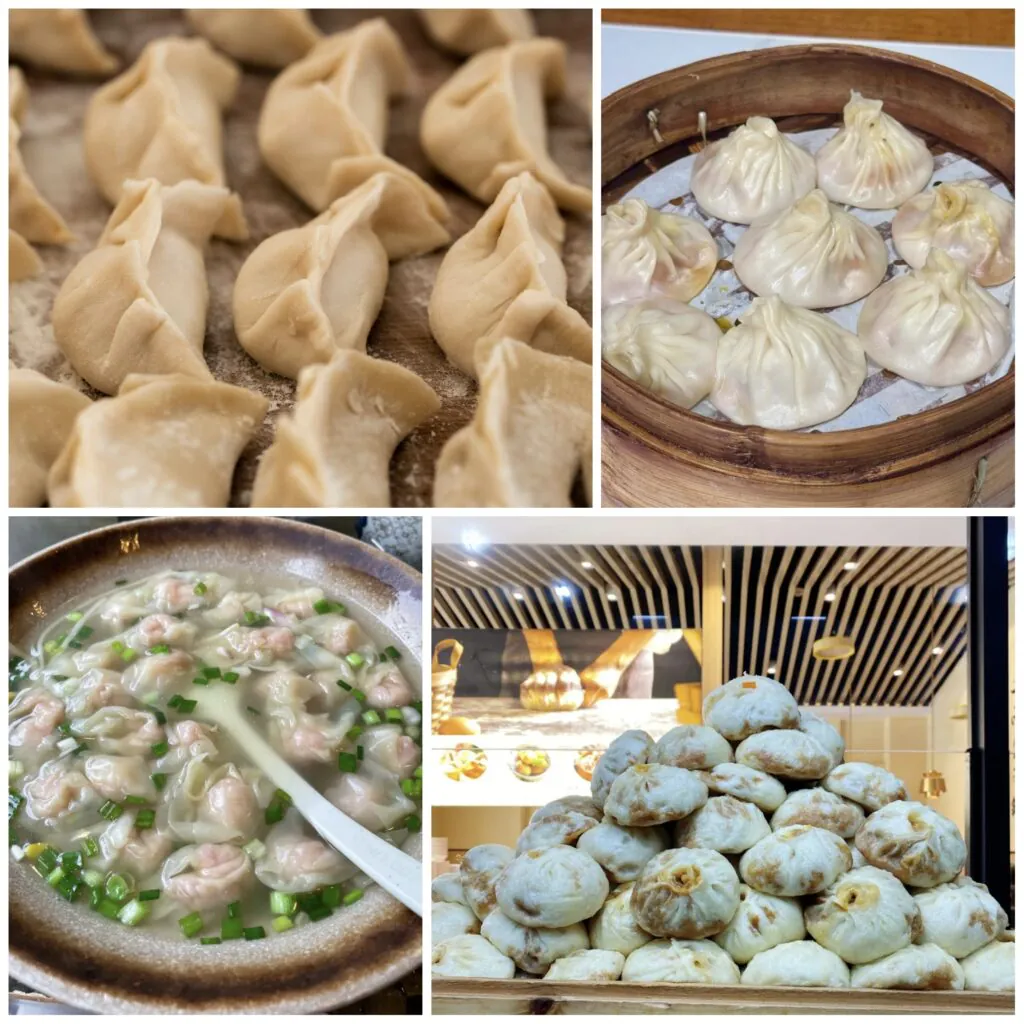
In the West, it’s common to call just about any dough-encapsulated treat a dumpling. But in China, dumplings (饺子) refer to specific dough-wrapped fillings, typically savory. We normally boil, steam, or pan-fry them. It is important to differentiate these from other similar-looking dishes that Westerners might mistake for dumplings:
- Jiaozi (饺子): Traditional Chinese dumplings that can be filled with a variety of ingredients like pork, beef, chicken, vegetables, or a mix. They are usually crescent-shaped and can be boiled, steamed, or pan-fried.
- Baozi (包子): These are steamed buns with thicker dough and can have sweet or savory fillings. Unlike dumplings, baozi are more bread-like and typically larger.
- Wontons (云吞): These are similar to dumplings but have a thinner skin and are usually in a broth or soup. Wontons are often smaller and have a more delicate texture.
- Xiao Long Bao (小笼包): Also known as soup dumplings, these are a type of steamed bun from Shanghai. They are famous for their thin skin and the hot, savory broth inside.
Understanding these distinctions helps tourists appreciate the variety within Chinese cuisine and prevents confusion when exploring different culinary delights.
Regional Variations of Dumplings
China’s vast geography and diverse ethnic groups contribute to a ton of dumpling varieties. Here are some notable regional styles:
Northern Dumplings
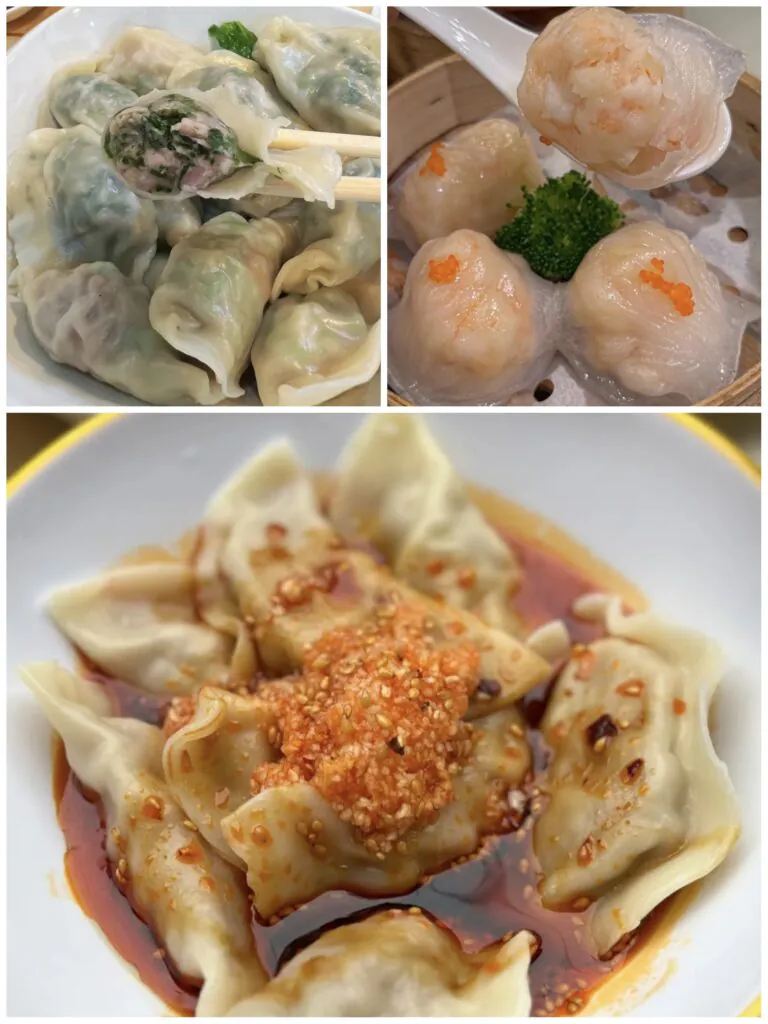
In northern China, dumplings are typically stuffed with pork, cabbage, or leeks. They are often boiled and served with a dipping sauce made of soy sauce, vinegar, and garlic.
Southern Dumplings
Southern variations include shrimp-filled dumplings known as “har gow,” a staple in Cantonese dim sum. These dumplings are characterized by their translucent wrappers and delicate flavors.
Sichuan Dumplings
Sichuan dumplings, or “zhong shui jiao (钟水饺),” are spicy, tangy sauce with Sichuan peppercorns and chili oil in them, reflecting the bold flavors of the region.
The Role of Dumplings in Festivities
Dumplings play a central role in many Chinese festivities. During the Lunar New Year, families gather to make and eat dumplings, symbolizing reunion and celebration. Similarly, dumplings are essential during the Winter Solstice, representing warmth and comfort in the cold season.
Dumpling-Making: A Cultural Experience
For tourists, participating in a dumpling-making class offers an enriching cultural experience. These classes often include:
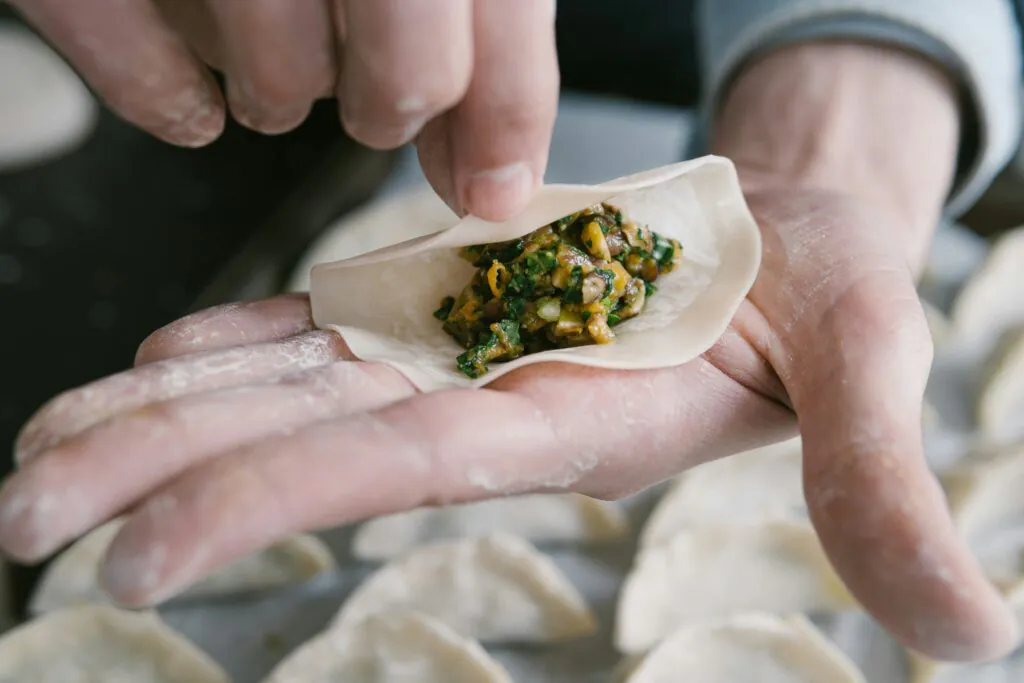
- Learning to knead and roll the dough
- Mastering the art of folding and pleating dumplings
- Understanding traditional filling techniques
Such hands-on activities provide insight into Chinese culinary traditions and offer a unique, interactive way to engage with local culture. You can find some dumplings making expperiences here.
Conclusion
Dumplings are more than just a delectable dish; they are a window into the heart of Chinese culture. For tourists, understanding and experiencing the cultural significance of dumplings can make their visit to China truly unforgettable. Whether participating in a dumpling-making class or enjoying regional varieties, dumplings offer a tasty and meaningful way to connect with Chinese traditions.
You can check out our ultimate guide for planing a trip to China.
Book your China Trip

Why Choose This Tour? Customized Private Experience: Tailored for small groups (1-13 people) to ensure personalized attention. Cutting-Edge Tech Encounters:…

Explore Yunnan’s most iconic destinations in 8 days. From Kunming’s cultural charm to Dali’s lakeside beauty, Lijiang’s ancient towns, and Shangri-La’s Tibetan landscapes—this immersive China tour blends nature, heritage, and ethnic culture.
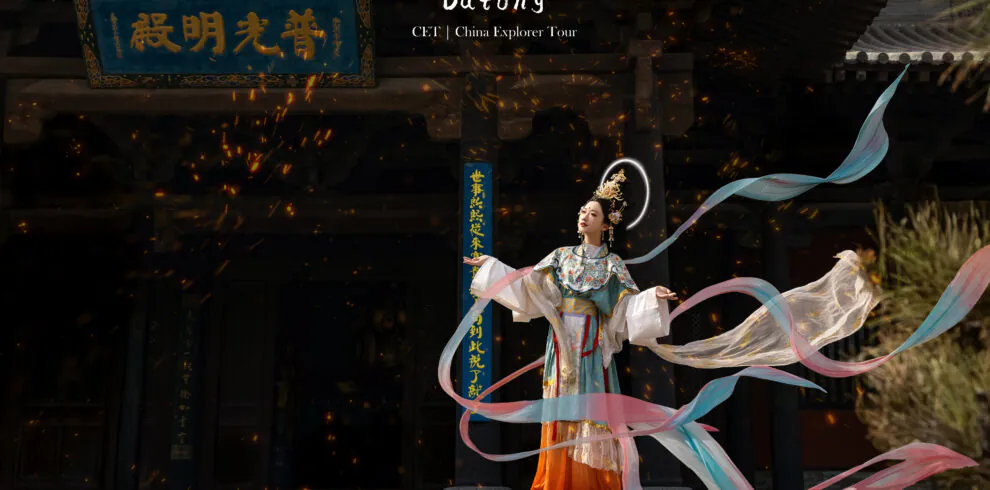
Why Choose This Datong Tour Package? Explore Datong’s most famous landmarks while embracing the elegance of traditional Chinese attire. This…
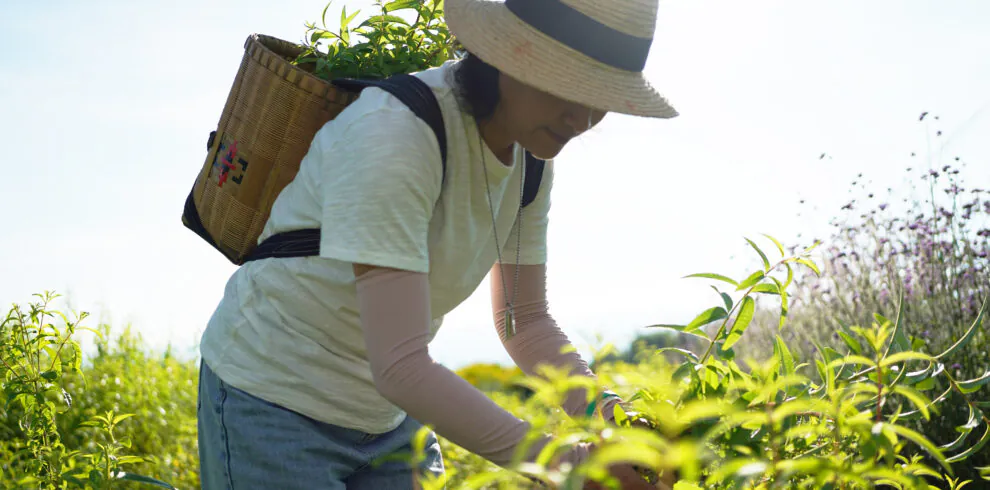
Introduction This is more than a conversation about health; it is an invitation to a Co-creative Wellness Retreat in one…

Why Choose This Shaoxing Yellow Wine (Huangjiu) Journey? This journey offers a cultural immersion into Shaoxing, the 2,000-year-old birthplace of…

This carefully planned itinerary balances nature, spirituality, and culture, offering travelers a well-rounded exploration of Tibet’s incredible heritage. Whether you're interested in Buddhist spirituality, natural landscapes, or authentic cultural experiences, this tour will allow you to experience the best of Tibet in an intimate and respectful way.