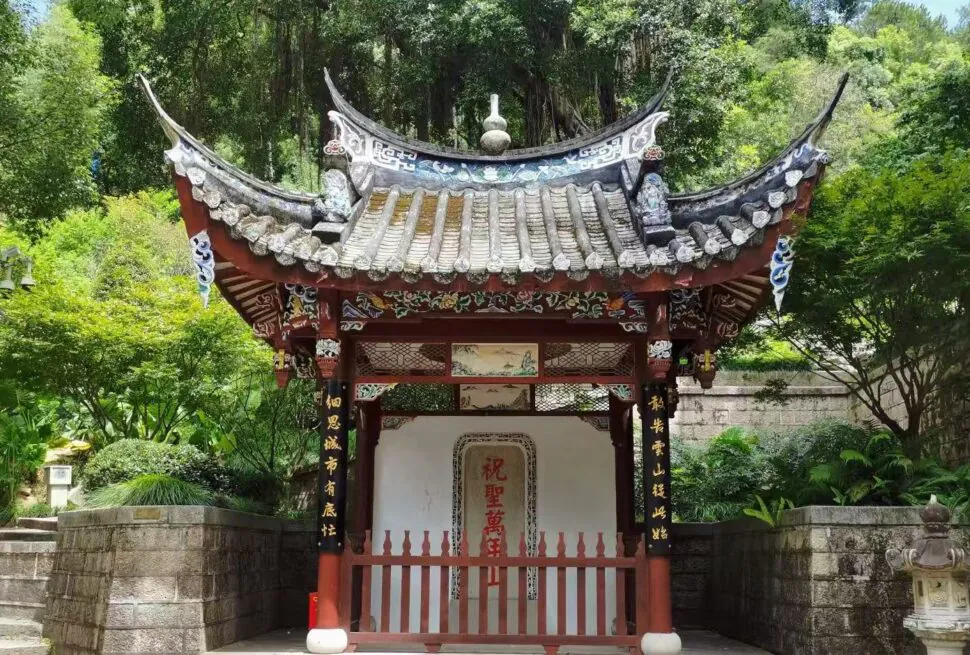

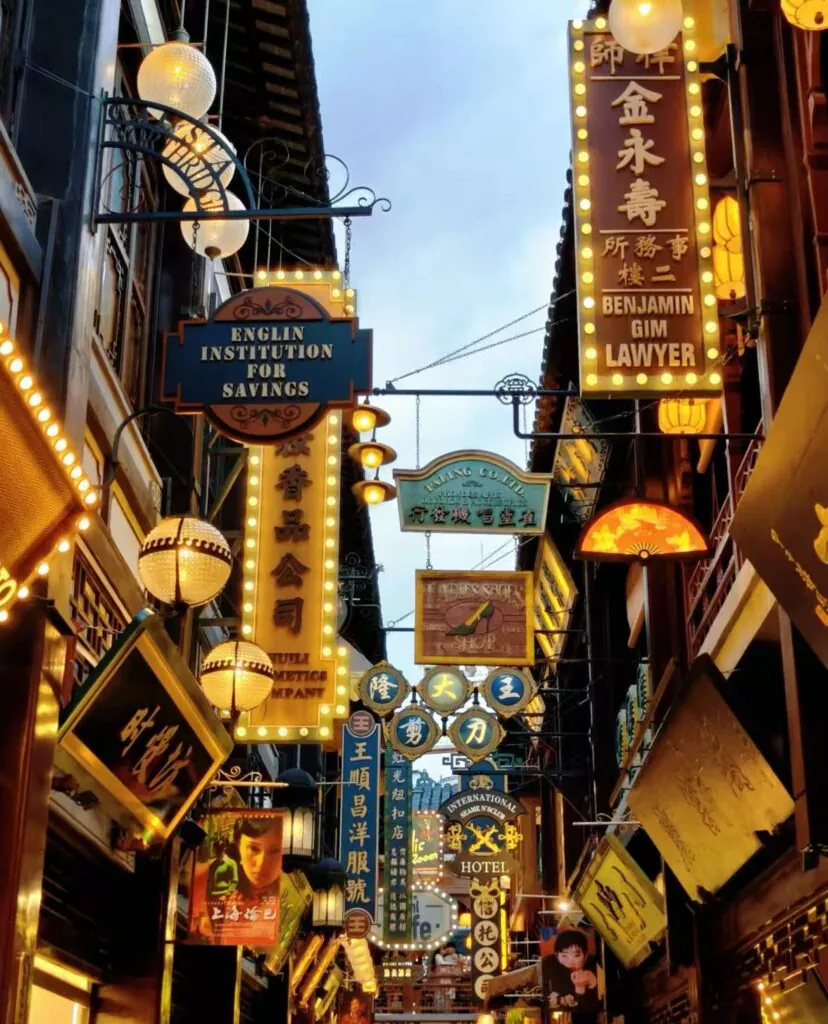
If you want to see the real Shanghai, visit Yu Garden and its busy bazaar. When you walk in, you find Ming dynasty pavilions, koi ponds, and old rock gardens. You also see lively markets with lots of local food. Yu Garden was built in 1559. It is still the city’s biggest and most famous classical garden. Look at the table below for quick facts that show why tourists love this place:
| Yu Garden Highlights | Details |
|---|---|
| Year Built | 1559 (Ming dynasty) |
| Number of Scenic Spots | Over 40 |
| Famous Jade Rock | 3.3 meters tall, 5 tons |
| Bazaar Feature | Huxinting Teahouse (since 1855) |
You get to enjoy old beauty and busy street life here. This yu garden travel guide and other guides show you how to visit yu garden in shanghai for a trip you will always remember.
Key Takeaways
- Yu Garden is a calm place with pretty Ming dynasty buildings. There are twisty paths and cool places like Jade Rock and the Nine-zigzag Bridge.
- Visit in late spring or autumn for nice weather and fewer people. Weekdays and mornings are the best times to enjoy the garden quietly.
- Buy your tickets online before you go to skip long lines. Bring your ID if you are a student, senior, or have disabilities for discounts.
- Take Shanghai Metro Line 10 to get to Yu Garden fast. You can also walk from the Bund in about 15 minutes to see old and new Shanghai.
- Check out the busy bazaar for special souvenirs and yummy snacks like xiaolongbao. There are also tea houses where you can relax and enjoy real Shanghai culture.
Yu Garden Visitor Information
Location in Shanghai
You will find Yu Garden in the heart of Shanghai’s Huangpu District. The garden sits close to the Bund, making it easy to reach from many popular spots.
If you look for the address, it is 218 Anren Street, right in the middle of the old city. Huangpu is famous for its mix of old and new, so you get to see both sides of Shanghai in one trip.
Many tourist maps show Yu Garden as a top highlight in Huangpu. You can walk to the garden from the Bund in about 15 minutes. This makes it a great stop if you want to explore more of Shanghai’s history and culture in one day.
Opening Hours
Yu Garden opens its gates at 9:00 AM and closes at 4:30 PM. The last entry is at 4:00 PM, so plan your visit early. The garden stays closed every Monday, except during national public holidays. You should always check the official website or call ahead (+86-21-63260830) if you plan to visit during Chinese New Year or other big festivals, as hours may change. Here’s a quick table for easy reference:
| Aspect | Details |
|---|---|
| Opening Hours | 09:00 AM – 4:30 PM |
| Last Entry | 4:00 PM |
| Closed On | Monday (except public holidays) |
| Contact Number | +86-21-63260830 |
Yu Garden Tickets
You need yu garden tickets to enter. The price changes with the season. During peak times (April 1 to June 30 and September 1 to November 30), adult admission costs 40 RMB. In off-peak months (July 1 to August 31 and December 1 to March 31), the price drops to 30 RMB. Students, seniors, and people with disabilities can get half-price or even free admission. Always bring your ID if you want a discount. Children under a certain height may enter for free, so check the latest rules before you go.
| Season | Dates | Adult Ticket Price | Discount Policy |
|---|---|---|---|
| Peak Season | Apr 1 – Jun 30, Sep 1 – Nov 30 | 40 RMB | Students, seniors, disabled: half-price/free |
| Off-Peak Season | Jul 1 – Aug 31, Dec 1 – Mar 31 | 30 RMB | Same as above |
You can buy yu garden tickets at the entrance, but lines can get long, especially on weekends and holidays. If you want to save time, here’s how to book yu garden tickets: use the official website or trusted travel apps. Many visitors now book online in advance, which helps you skip the ticket window and go straight to the gate. Some platforms let you show a QR code on your phone for quick admission. If you wonder how to visit yu garden in shanghai without stress, booking tickets online is the best way.
Tip: Always double-check your ticket details and bring your passport or ID for verification, especially if you use a discount.
Best Time to Visit

You might ask, “What is the best time to visit yu garden?” Most people love late spring (April to May) when flowers bloom and the weather feels just right.
Autumn (September to November) is also a favorite, with cool air and colorful leaves. These months offer the best time to visit yu garden if you want to see the garden at its prettiest and avoid the summer heat or winter chill.
If you visit in winter, you can catch the Lantern Festival at the Yu Garden Bazaar, which turns the area into a magical wonderland.
For the best time to visit yu garden, try to come on a weekday morning. You will find fewer crowds and more peaceful views.
- Late spring: Flowers and green trees everywhere.
- Autumn: Cool weather and beautiful fall colors.
- Winter: Lantern Festival lights up the bazaar.
If you want to know how to visit yu garden in shanghai with fewer crowds, avoid weekends and Chinese public holidays.
Facilities
Yu Garden offers many helpful facilities for visitors. You will find clean restrooms near the main entrance and inside the garden. There are benches and shaded spots if you need a break. The garden has clear signs in both Chinese and English, so you will not get lost. If you need help, staff members are friendly and ready to answer questions. You can find small shops selling souvenirs and drinks near the entrance. The bazaar outside the garden has many food stalls and tea houses, perfect for a snack after your visit. Wheelchair access is available at most main paths, and there are ramps at the entrance. If you travel with kids or seniors, you will find the garden easy to explore. Lockers are available for storing bags, so you can walk around freely.
Note: Always keep your yu garden tickets with you during your visit. Staff may check your admission at different points inside.
If you want more details about how to book yu garden tickets or plan your trip, check the official website or ask at your hotel. With this visitor information, you can enjoy yuyuan garden and all that Huangpu has to offer. Your trip to Shanghai will be smooth and full of great memories.
How to Get to Yu Garden
Metro and Public Transport
If you want a fast and easy way to reach Yu Garden, take the Shanghai Metro. Metro Line 10 is your best choice. You can hop on Line 10 from big stations like Hongqiao Railway Station. Just ride the train and get off at Yuyuan Garden Station. Use Exit 1, and you will find yourself only a short walk from the garden entrance. Trains run often, so you never have to wait long. This is the most popular answer for how to get to yu garden. If you are coming from other parts of Shanghai, transfer to Line 10 at a main interchange. Buses also run nearby, but the metro is much easier for visitors.
Tip: Buy a Shanghai Public Transportation Card for quick metro access. It works on buses and ferries too!
Taxi and Ride-Sharing
Taxis and ride-sharing apps like DiDi make your trip simple if you prefer door-to-door service. You can catch a taxi almost anywhere in Shanghai. Just tell the driver “Yu Garden” or show the address in Chinese. DiDi lets you book a ride with your phone, and you can even pay by card. Here’s a quick look at travel times from popular spots:
| Starting Point | Estimated Time | Notes |
|---|---|---|
| People’s Square | 10-15 min | Avoid rush hour if possible |
| Shanghai Railway Stn. | 20-25 min | Traffic can slow you down |
| Pudong Airport | 45-60 min | DiDi is reliable for long trips |
Try to avoid peak hours (7-9 AM, 5-7 PM) to save time and money. DiDi is a safe and popular choice for travelers.
Walking from the Bund
If you love exploring on foot, you can walk from the Bund to Yu Garden. The walk takes about 15 minutes. Start at the Bund’s riverside promenade, then head south along Henan Road. You will pass shops, cafes, and some must-see places near yu garden. This route lets you see both the old and new sides of Shanghai. Walking gives you a real feel for the city’s energy and charm.
Now you know how to visit yu garden in shanghai with ease. Whether you use the metro, a taxi, or just your own two feet, you will find Yu Garden easy to reach and ready to explore.
Yu Garden History
Ming Dynasty Origins
When you step into yu garden, you walk into a place with over 400 years of history. Yu garden began during the Ming Dynasty, which lasted from 1368 to 1644. Pan Yunduan, a government official, built the garden as a peaceful retreat for his parents. He wanted them to enjoy their old age in comfort and beauty. Many scholars and historians have studied gardens from this period. They agree that yu garden stands out as one of the best examples of private gardens in southern China. The garden’s long history makes it one of Shanghai’s most important attractions.
Architecture and Design
You will notice right away that yu garden looks different from modern parks. The design follows classic Ming Dynasty styles. Here are some features you can spot:
- Winding paths and curving bridges lead you through the garden.
- Large rocks and ponds create a natural look, showing the balance of Yin and Yang.
- Small pavilions with sloping roofs and moon-shaped doors invite you to pause and enjoy the view.
- Every turn gives you a new scene, just like a painting.
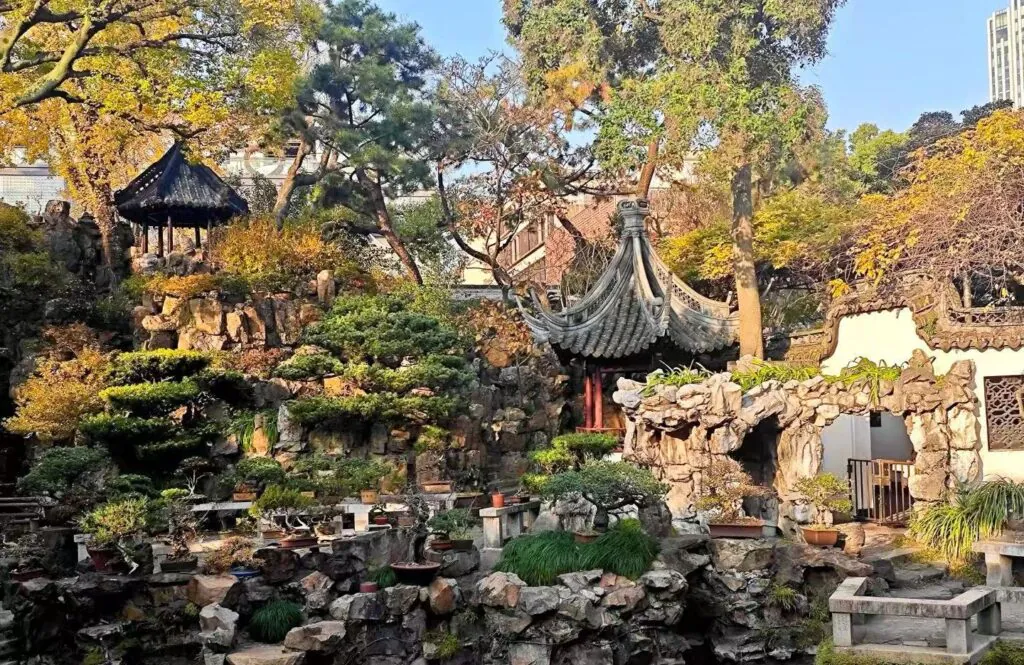
The garden’s layout encourages you to slow down and take in each detail. Designers placed pavilions and bridges so you can stop and admire the scenery. You might hear the sound of rain on a pavilion roof or see lotus flowers blooming in a pond. These details make yu garden a place for reflection and peace. Many attractions in the garden, like the Great Rockery and the Five Dragon Wall, show off the skill of Ming craftsmen.
Cultural Significance
Yu garden is more than just a pretty place. It plays a big role in Shanghai’s cultural life. The garden hosts events like the Huazhao Festival, where you can see light shows, parades, and traditional music. Dancers perform scenes from ancient times, and flower displays fill the paths with color. At night, the garden glows with lanterns and music, turning it into a magical spot for visitors.
Over the years, yu garden has survived wars and even served as a headquarters during the Opium War. In the 20th century, people worked hard to restore the garden and keep its original beauty. Today, you can see exhibitions that highlight crafts and stories from local artists. These cultural experiences at yu garden help keep old traditions alive and let you connect with Shanghai’s past. When you visit, you join a long line of people who have found peace, beauty, and inspiration in this special place.
Tip: If you want to experience the best attractions and cultural events, check the festival calendar before your visit.
Yu Garden Highlights
Jade Rock
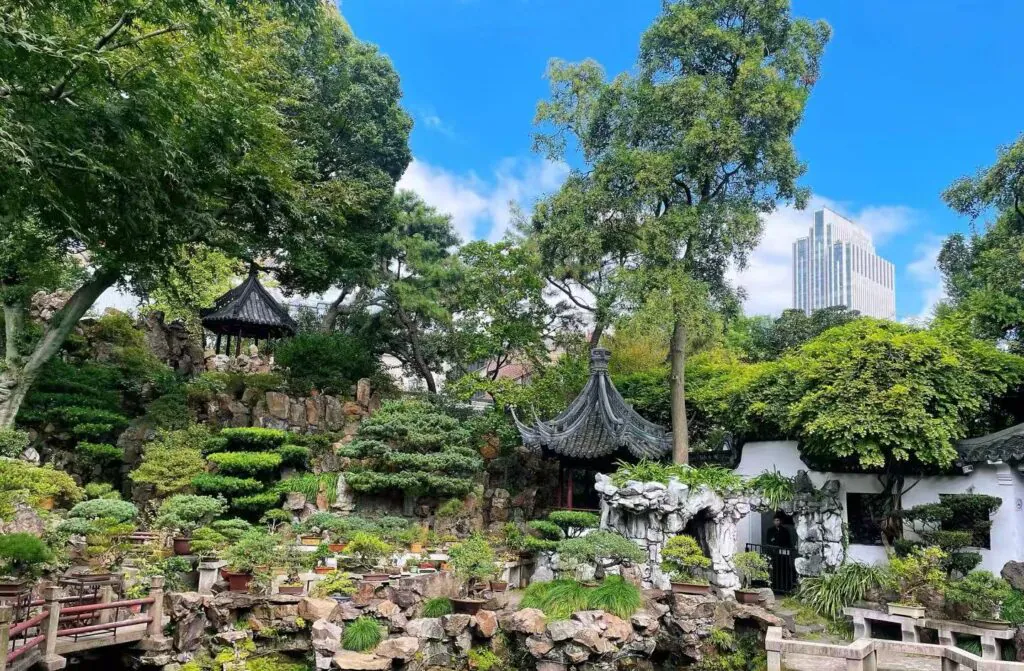
You cannot miss Jade Rock when you visit yu garden. This giant limestone stands over 3 meters tall and weighs about 5 tons. It looks like a mountain with holes and twists, almost like a piece of art made by nature. People say it came from Lake Tai, a famous place for beautiful rocks in China. You will find Jade Rock near Yuhua Hall, one of the must-see attractions in the garden.
Many visitors stop here to take photos. The rock’s shape lets sunlight shine through its holes, making cool shadows on the ground. If you look closely, you might spot koi swimming in the pond nearby. Some people believe Jade Rock brings good luck. You can touch it and make a wish. This spot feels peaceful, even when the garden gets busy.
Tip: Try to visit Jade Rock in the morning. The light is soft, and you can get great photos without too many people in the background.
Pavilions and Halls
Yu garden has many pavilions and halls that invite you to pause and enjoy the view. These buildings are not just for decoration. They help you experience the garden as a series of beautiful moments. When you walk through the garden, you will notice that each pavilion offers a different view. Some sit by the water, while others stand on rocky hills.
Here is a quick look at how these architectural elements shape your visit:
| Architectural Element | Description & Role in Yu Garden Visitor Experience | Visual Evidence Reference |
|---|---|---|
| Pavilions | Small, open structures where you can sit and enjoy tranquil spaces or panoramic views. Often grouped together for a rich experience. | Heatmaps showing pavilion density and distribution. |
| Halls | Larger buildings near entrances or important spots. Used for gatherings and special events. Each hall has its own style and story. | Elevation figures showing hall types. |
| Water-side Pavilions | Built along the edge of ponds or streams. These let you watch fish, listen to water, and take in peaceful scenes. | Elevation figures and heatmaps. |
You will find that pavilions and halls act as the heart of yu garden. They break up your walk and give you places to rest. Some, like Yuhua Hall and Dianchun Hall, are top attractions in yu garden. You can sit inside, look out at the water, and feel the calm. The garden’s design uses these buildings to frame your view, almost like looking through a window into another world.
Did you know? Many visitors say the best photos come from inside the pavilions, where you can capture both the building and the garden in one shot.
Bridges and Ponds
Bridges and ponds make yu garden feel alive. You will cross winding bridges that zigzag over clear water. The most famous is the Nine-zigzag Bridge. This bridge does not go straight. It turns again and again, making your walk fun and surprising. People say the zigzags keep away bad spirits, but they also give you new views at every step.
The ponds are full of koi and lotus flowers. You might see turtles sunbathing on rocks. The water reflects the sky, trees, and pavilions, creating beautiful scenes for your photos. Some bridges are made of stone, while others use wood. Each one has its own style. When you stand on a bridge, you can see the whole garden spread out before you.
- Cross the Nine-zigzag Bridge for a classic yu garden photo.
- Watch the fish swim under your feet.
- Listen to the sound of water for a moment of peace.
Note: The bridges can get crowded, especially during festivals. Try to visit early or late in the day for quieter moments and better photos.
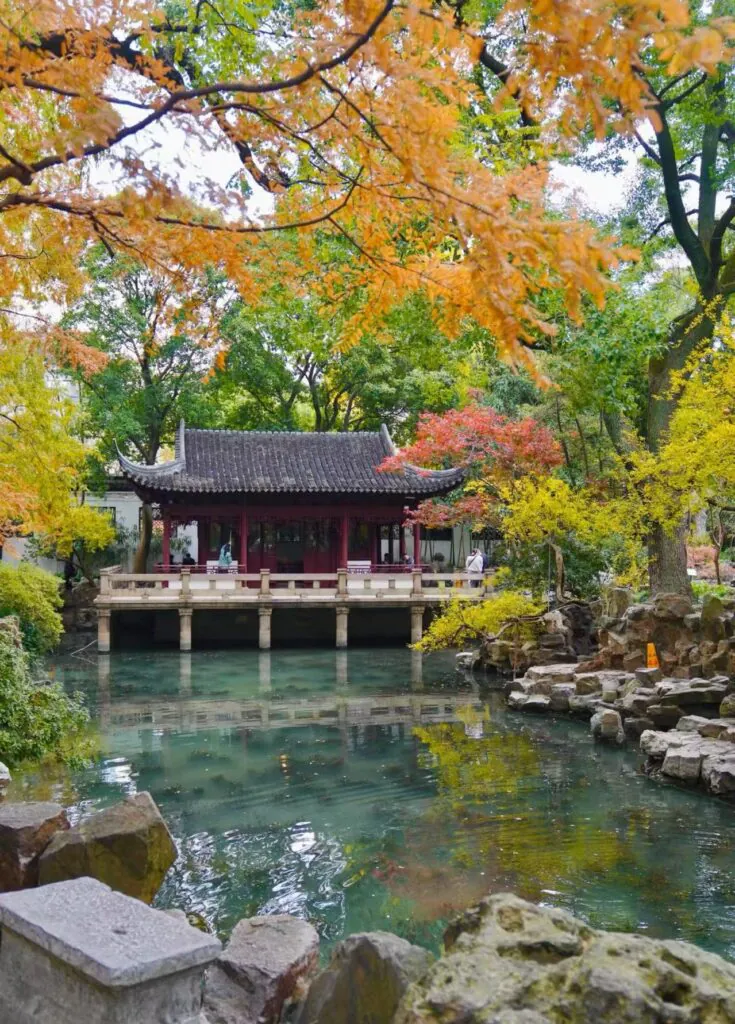
Photo Spots
Yu garden is a dream for anyone who loves taking photos. You will find top photo spots all around the garden. Social media and travel blogs often mention these favorites:
Great Rockery
Exquisite Jade Rock
Nine-zigzag Bridge
Yuhua Hall
Huijing Tower
Dianchun Hall
Wanhua Chamber
You can make your photos stand out by wearing Hanfu, the traditional Chinese dress. This matches the garden’s old-world charm. Many people use wide-angle lenses to capture the whole scene. Try using the ancient buildings, flowers, and trees as your background. Spring and autumn are the best times for photos, especially March and April when flowers bloom everywhere. If you visit during the Lantern Festival, you can take magical night photos with colorful lights.
Pro Tip: Plan your route so you can visit each of these top photo spots. Take your time and try different angles. You will leave with photos that capture the spirit of yu garden.
Yu garden offers so many attractions that you will want to explore every corner. The mix of Jade Rock, pavilions, bridges, and ponds creates endless chances for beautiful photos. Each visit feels new, and every photo tells a different story.
Bazaar Shopping
Souvenirs and Handicrafts
You step into the Yu Garden bazaar and see a world of hidden gem stalls. Each one offers something special. You can find hand-painted fans, silk scarves, and paper-cut art. Many shops sell jade bracelets and tea sets. These souvenirs make great gifts and remind you of your Shanghai adventure. Some vendors even show you how they make their crafts. Watching them work gives you a real cultural experience. If you want something unique, look for shadow puppets or calligraphy scrolls. These items tell stories from old China.
Specialty Stores
The bazaar has more than just small stalls. You will spot specialty stores tucked between the busy walkways. Some shops focus on pearls, while others sell rare teas or traditional medicine. You might find a hidden gem tea shop with a quiet corner for tasting. There are stores that let you try on Hanfu, the old-style Chinese dress. You can take photos and feel like you stepped back in time. These shops offer cultural experiences you cannot get anywhere else. If you love snacks, check out the stores selling mooncakes or preserved fruits.
Bargaining Tips
Shopping in the bazaar feels like a game. You can bargain for a better price. Here are some tips to help you:
- Start with a smile and greet the seller.
- Ask the price, then offer half.
- Stay friendly and patient.
- If the price is too high, walk away. Many times, the seller will call you back.
- Always check the quality before you buy.
Tip: Use cash for small purchases. Some shops accept cards, but cash works best for bargaining.
You will get better deals if you shop early in the day. Sellers believe the first sale brings good luck.
China Explorer Tour
If you want to see the best of Yu Garden and the bazaar without stress, try the 1 Day Shanghai Tour by China Explorer Tour. This tour takes you to Yu Garden, The Bund, and the Pearl Tower. You walk along The Bund and see the city lights at dusk. The guide shares travel tips, like when to visit for fewer crowds and the best photo spots. You get to enjoy cultural highlights and hidden gem corners that most tourists miss. The tour includes tickets, lunch, and a friendly guide who helps you find the top experiences. You can even plan your visit to Yu Garden and nearby places to avoid busy times. This tour makes your Shanghai trip smooth and full of memories.
Bazaar Food

Street Snacks
You step into the Yu Garden bazaar and the smell of food hits you right away. Vendors line the walkways with carts and small stalls. You see skewers of grilled meat, crispy spring rolls, and sweet candied hawthorn on sticks. Try the fried dumplings, called shengjianbao. They have a crunchy bottom and juicy filling. Locals love these snacks, and you will too. If you want something sweet, grab a sticky rice cake or a sesame ball. These treats are easy to eat as you walk and explore. Street snacks here are some of the must-try foods in Shanghai.
Tip: Always watch the vendors cook your snack. You get it hot and fresh every time.
Xiaolongbao and Local Dishes
You cannot visit Yu Garden without tasting xiaolongbao. These soup dumplings are famous all over China. The thin dough holds hot broth and tender pork. Take a small bite, sip the soup, then eat the rest. Many shops in the bazaar serve xiaolongbao, but each has its own style. Some add crab meat for extra flavor. Besides dumplings, you find noodles, sticky rice rolls, and braised pork belly. These dishes give you a taste of local life. Eating in the bazaar is one of the best experiences you can have in Shanghai.
| Local Dish | Description | Where to Find |
|---|---|---|
| Xiaolongbao | Soup-filled dumplings | Snack stalls, eateries |
| Shengjianbao | Pan-fried pork buns | Street vendors |
| Braised Pork Belly | Tender pork in sweet soy sauce | Sit-down restaurants |
Tea Houses
After all the eating and shopping, you might want a quiet break. The tea houses in the Yu Garden bazaar offer just that. The most famous is the Hu Xin Ting Tea House. It sits on the nine-turning zigzag bridge, right in the heart of the garden. This tea house is the oldest in Shanghai. When you step inside, you feel calm and peaceful. The wooden beams and old windows show classic Chinese design. You can watch a traditional tea ceremony and learn how locals enjoy tea. Drinking tea here is more than a drink—it is a moment of reflection and harmony. The tea houses let you slow down and connect with Shanghai’s history, even as the market buzzes outside.
Note: Try jasmine or oolong tea for a true local flavor. Many tea houses offer small snacks to go with your drink.

You get the best of both worlds at Yu Garden and the bazaar. This spot lets you step into Shanghai’s history and then jump right into its modern energy. Many experts say you should explore both the peaceful garden and the lively city nearby for a full experience. Plan ahead with this yu garden travel guide. Use tips from social media and visitor trends to pick the perfect time. You will find beauty, fun, and even a little escape. Add yuyuan garden to your Shanghai plans and let this guide help you make memories.
- Yu Garden offers history, art, and calm.
- The bazaar brings excitement, shopping, and local food.
- Friendly staff and guides make your visit easy and fun.
Let this yu garden travel guide show you why so many travelers love Shanghai!
FAQ
How long should you spend at Yu Garden and the bazaar?
Most visitors spend 2–3 hours exploring Yu Garden and the bazaar. If you love shopping or want to try more snacks, you might stay longer. Take your time and enjoy each area at your own pace.
Can you visit Yu Garden with kids or seniors?
Yes! Yu Garden is family-friendly. You find ramps and benches for easy walking. Kids love the ponds and bridges. Seniors enjoy the peaceful paths. The bazaar offers plenty of places to rest and snack.
Do you need to book Yu Garden tickets in advance?
You do not have to book in advance, but it helps you skip long lines. Many people buy tickets online for quick entry. If you visit on weekends or holidays, booking ahead saves time.
What should you wear when visiting Yu Garden?
Wear comfortable shoes because you will walk a lot. Bring a hat or umbrella for sun or rain. In spring and autumn, a light jacket works best. If you want fun photos, try wearing Hanfu for a traditional look!
See Also
Essential Advice For An Unforgettable Tai Chi Experience In Wudang
Explore Distinctive Hanfu Beauty Looks On China Explorer Journey
Guide To Selecting The Ideal Private China Tour For You
Must-Try Popular Chinese Dishes To Enjoy In 2025
Best China Travel Packages For Singaporeans In 2025
Popular Packages
Choose Best Holiday Package

Why Choose This Tour? Customized Private Experience: Tailored for small groups (1-13 people) to ensure personalized attention. Cutting-Edge Tech Encounters:…

Explore Yunnan’s most iconic destinations in 8 days. From Kunming’s cultural charm to Dali’s lakeside beauty, Lijiang’s ancient towns, and Shangri-La’s Tibetan landscapes—this immersive China tour blends nature, heritage, and ethnic culture.

Why Choose This Datong Tour Package? Explore Datong’s most famous landmarks while embracing the elegance of traditional Chinese attire. This…

Introduction This is more than a conversation about health; it is an invitation to a Co-creative Wellness Retreat in one…

Why Choose This Shaoxing Yellow Wine (Huangjiu) Journey? This journey offers a cultural immersion into Shaoxing, the 2,000-year-old birthplace of…

This carefully planned itinerary balances nature, spirituality, and culture, offering travelers a well-rounded exploration of Tibet’s incredible heritage. Whether you're interested in Buddhist spirituality, natural landscapes, or authentic cultural experiences, this tour will allow you to experience the best of Tibet in an intimate and respectful way.
![ishowspeed china, chinatrip, Young man in a black hoodie with an Ali portrait speaks to the camera on a city street decorated with red lanterns.]](https://chinaexplorertour.com/wp-content/uploads/2025/04/03044-17424305371742-1920-970x655.webp)