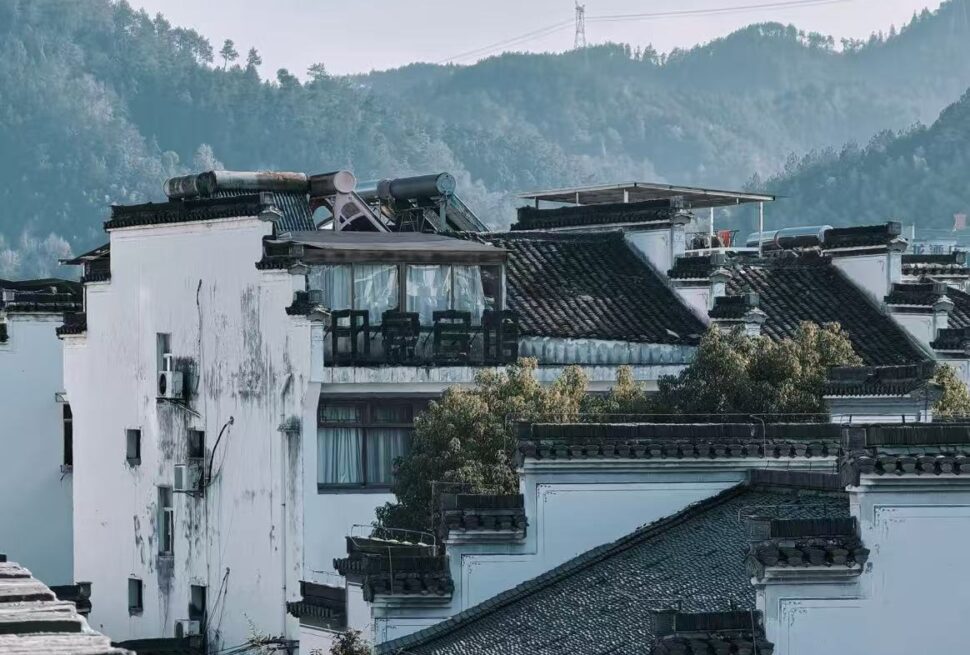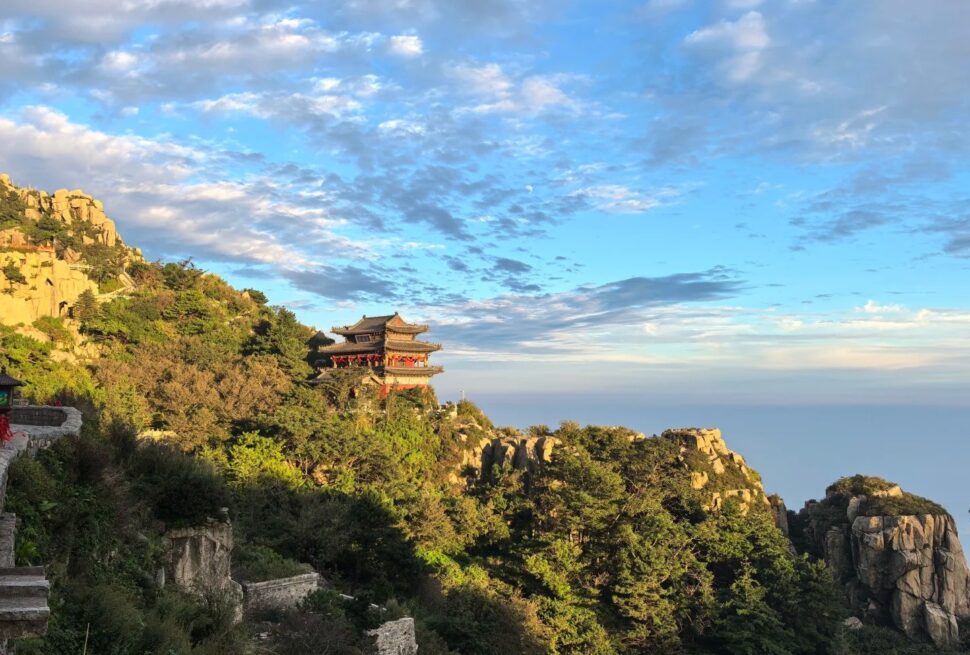
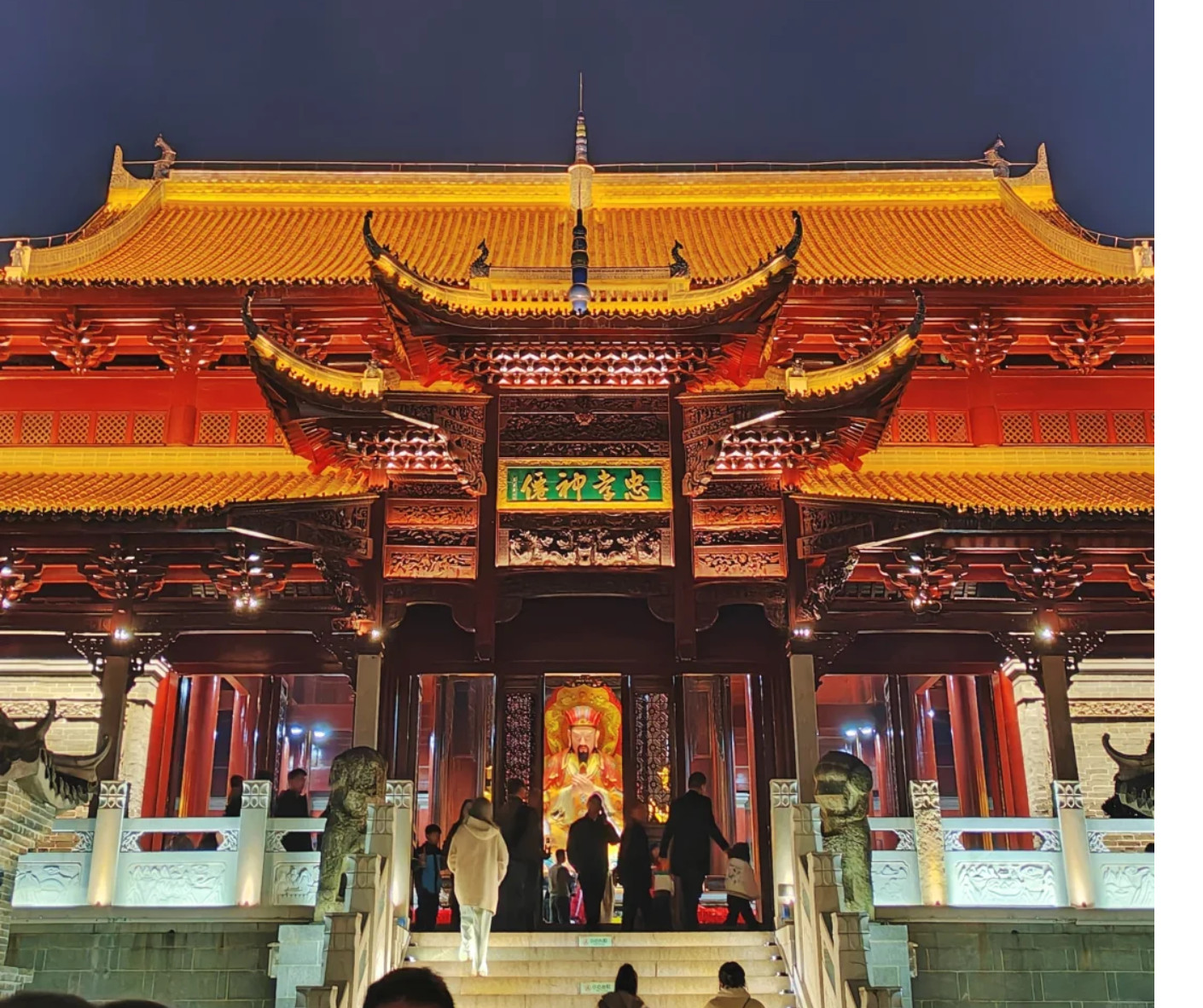
Visitors watch kids play by old stone walls. Artists draw the curved rooftops of Wanshou Palace. Old customs and new fun fill the place. Why do people try so hard to protect places like this in a city that changes fast? Wanshou Palace is where tradition and new ideas meet.
The fixed-up palace has given new energy to Nanchang’s cultural heritage.
The area is now busy with festivals, hanfu shows, and modern shops. These things link history with today’s people.
This mix of old and new helps shape Nanchang’s heart.
Key Takeaways
Wanshou Palace mixes old traditions with new activities. This makes it a lively place for culture in Nanchang. The palace is being fixed up to keep its history safe. At the same time, it adds new art, music, and food. People can go to festivals and events that honor local ways. These events help young and old people connect. China Explorer Tour gives special trips for travelers. These trips let people learn about local culture and history in a fun way. Wanshou Palace is a good example for other old places. It shows how to mix history with modern life well.
Wanshou Palace Through the Ages
Origins and Early History
Wanshou Palace is one of Nanchang’s oldest places. Builders made it during the Jin Dynasty. They picked a spot close to the Gan River. This made it simple for people to come. The palace was a center for Taoist worship. Priests and followers met here to honor their beliefs. They came to learn and find wisdom. Over time, the palace became a sign of spiritual life in the city.
Key Events and Taoist Influence
Taoist ways shaped how the palace looked and worked. In the Ming Dynasty, the Jiajing Emperor wanted an “immortal land” in West Park. He told people to build 18 special buildings. The palace held many Taoist rituals. Records say that from 1542 to 1567, people had about 260 ceremonies in halls like Dagaoxuan dian and Leiting hongying dian. The names of these halls showed Taoist ideas. Words like “xian” (immortal) and “lei” (thunder) gave the place spiritual meaning.
Taoist beliefs changed:
How the palace grounds were set up
The names and uses of buildings
The kinds of rituals and ceremonies
Evolution in Nanchang
Wanshou Palace changed as Nanchang got bigger. At first, it was only for religious needs. Later, it became a spot for community events and culture. People used it for festivals, art shows, and meetings. The palace kept its old roots but fit new times. Today, it connects history and modern life in Nanchang.
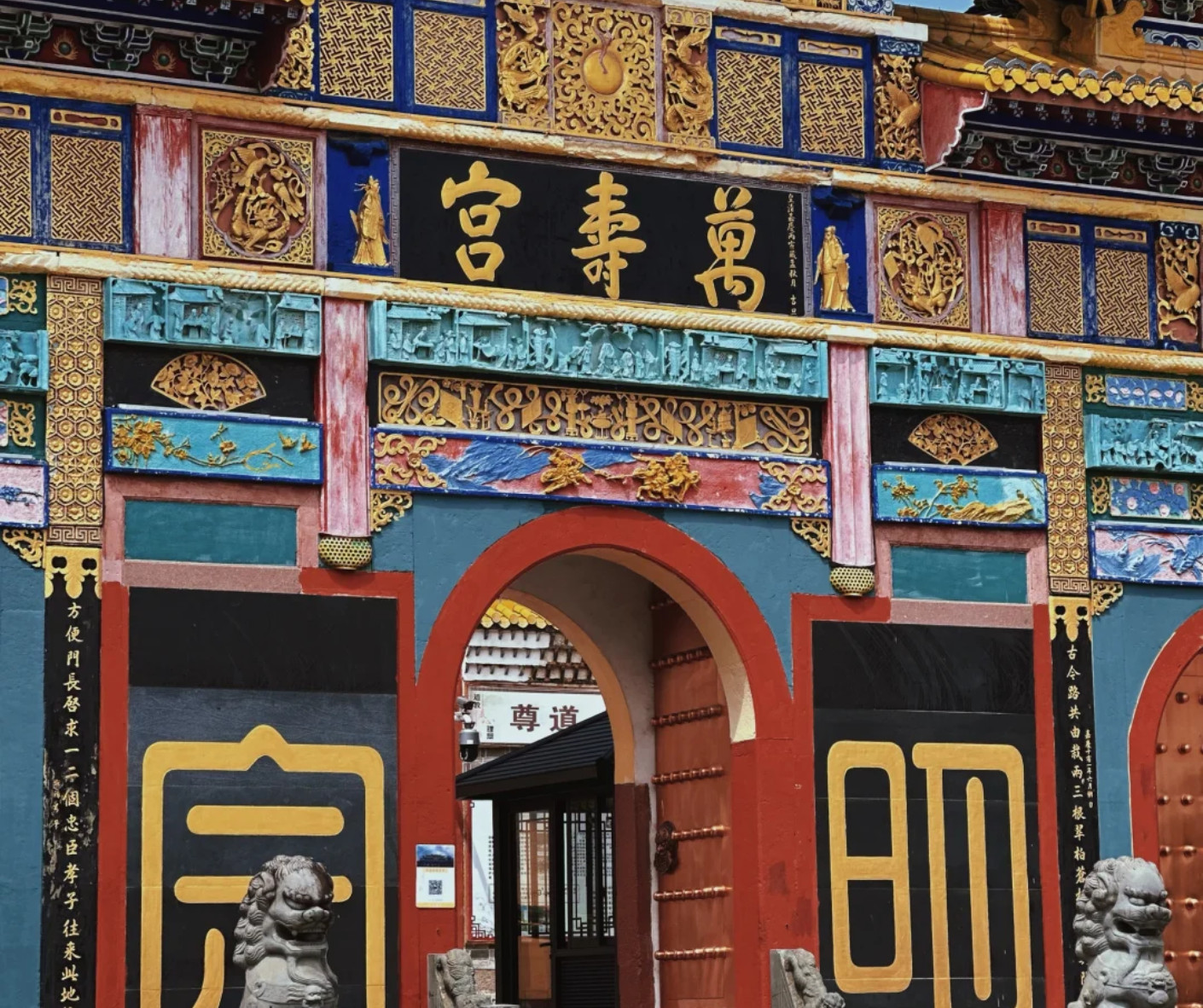
Restoration and Modern Revival
Preserving Heritage
Wanshou Palace changed a lot over time. In 1983, workers fixed the palace after floods and war hurt it. They used old ways to keep the palace looking the same. In 2008, leaders made a plan to protect the buildings and the spirit of the place. They made special zones to keep the palace safe. The plan also honored Buddhism, Taoism, and Confucianism at the site.
Workers used bricks and wood like in the past.
Experts looked at old maps and records for help.
The zones kept quiet places for worship and busy spots for visitors.
These actions helped save the palace’s history for young people.
Integrating Modern Life
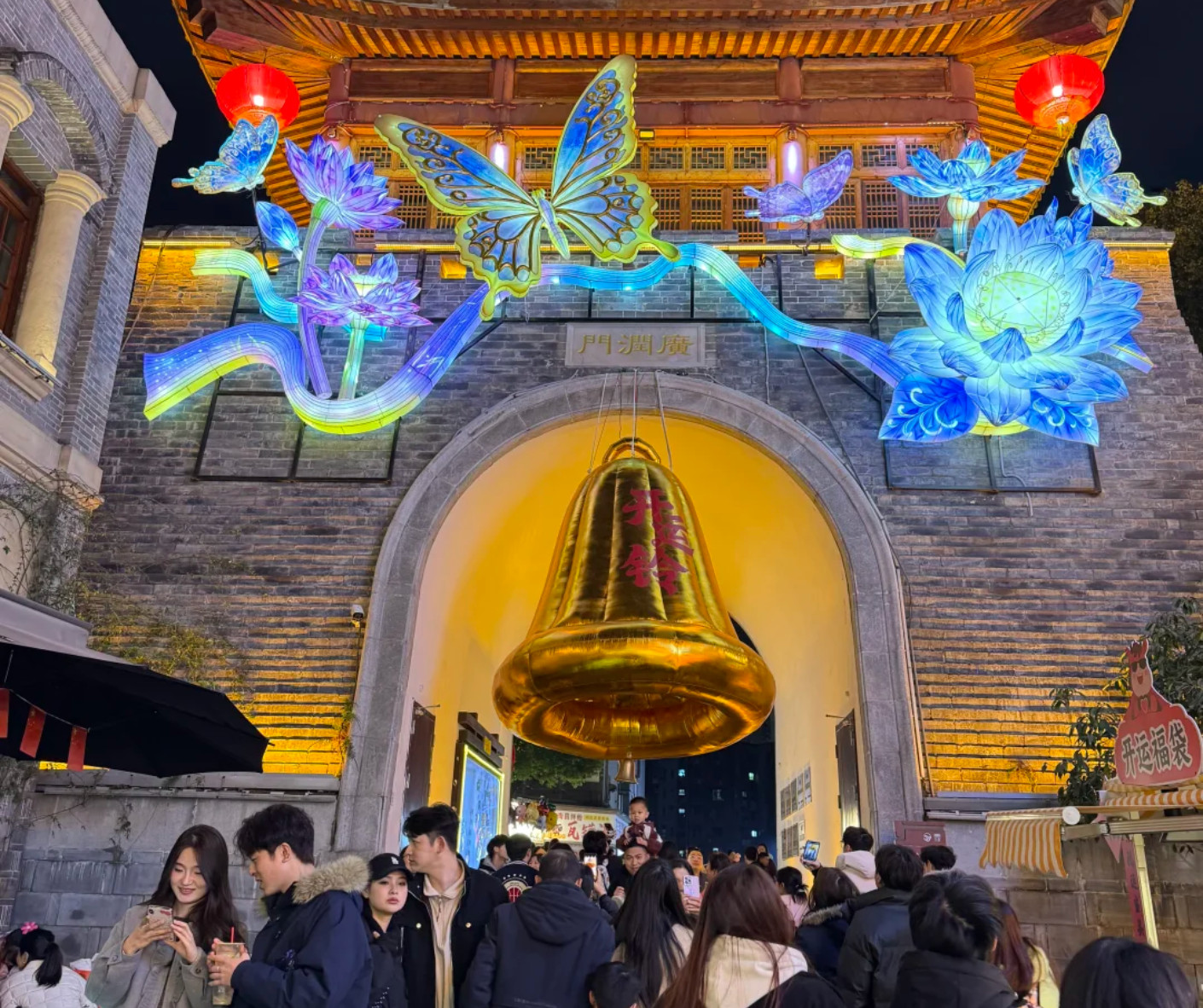
The 2013 repairs brought new life to Wanshou Palace. Planners wanted the palace to be fun and a place to learn. They made spaces for art, music, and food. People can watch hanfu shows or take calligraphy classes in the old halls. Shops sell crafts and snacks that mix old and new styles.
“Wanshou Palace started with people honoring Xu, grew because the court respected Xu, and became busy when merchants from Jiangxi moved here.”
This mix of old and new brings tourists and helps local businesses. Visitors come to see history and enjoy new events at once.
Community and Cultural Renewal
Wanshou Palace is now a place for the community. Local people come for festivals, art fairs, and holidays. Students visit to learn about history and culture. Artists get ideas from the palace’s shapes and stories. The palace lets everyone connect with the past and make new memories.
Bringing Wanshou Palace back shows that planning and respect for tradition can help old places live again. It is a good example for other cities that want to save their history and grow too.
Cultural Role and Local Life
Festivals and Traditions
Wanshou Palace holds many events each year. These events help keep local customs strong. People come together for the Temple Fair. The fair happens during Xu Xun’s birthday in the first lunar month. There are Taoist rituals and local opera shows. These activities keep old traditions alive. They also bring visitors from other places. The palace is full of energy during these times. Families and tourists enjoy Nanchang’s culture here.
Festival Activity | Description |
|---|---|
Temple Fair | Happens during Xu Xun’s birthday in the first lunar month. It has Taoist rituals and local opera shows. |
During festivals, kids hear old stories. Elders share memories with them. The palace helps connect young and old.
Commerce and Social Hub
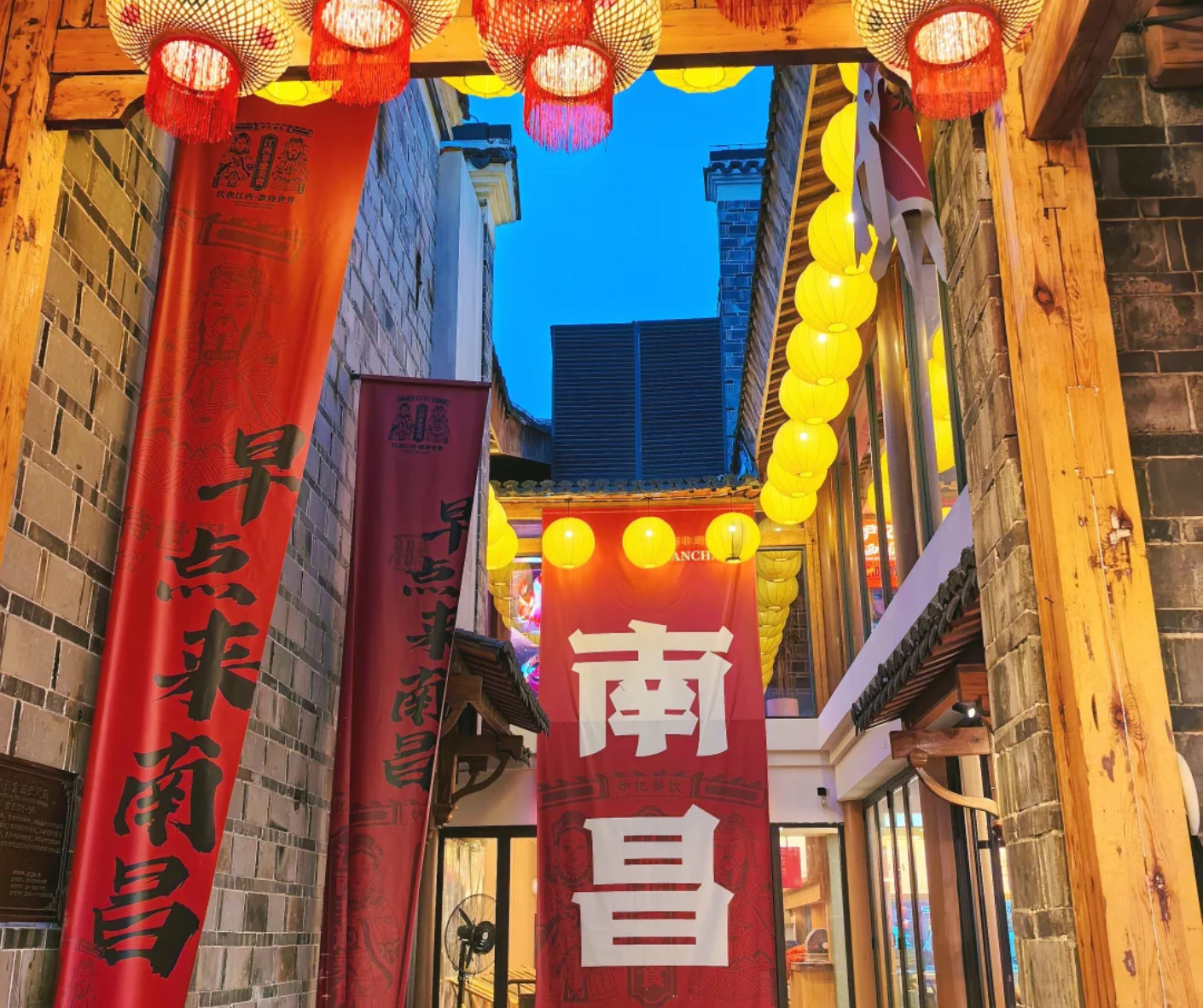
Wanshou Palace’s area has been busy for a long time. Merchants traded goods in the palace’s old block. The block has homes, shops, and religious places. People come to buy crafts and snacks. They join community events too. The palace’s spot made it a top commercial center south of the Yangtze River in Ming and Qing times. Today, the block still shows how business and folk customs grew.
The block has Qing Dynasty buildings.
It is still a place for business and meeting friends.
Residents and visitors come to celebrate local culture.
Shaping Nanchang’s Identity
Wanshou Palace helps shape Nanchang’s identity. The palace links the past and present for everyone. It stands for history, business, and tradition. The cultural block is still an important landmark. People see the palace as a place where old and new ideas meet. Artists, students, and families find inspiration here. The palace helps the city remember its roots and look ahead.
Wanshou Palace shows how a historic site can bring people together and keep traditions alive.
Experiencing Wanshou Palace with China Explorer Tour
Authentic Local Experiences
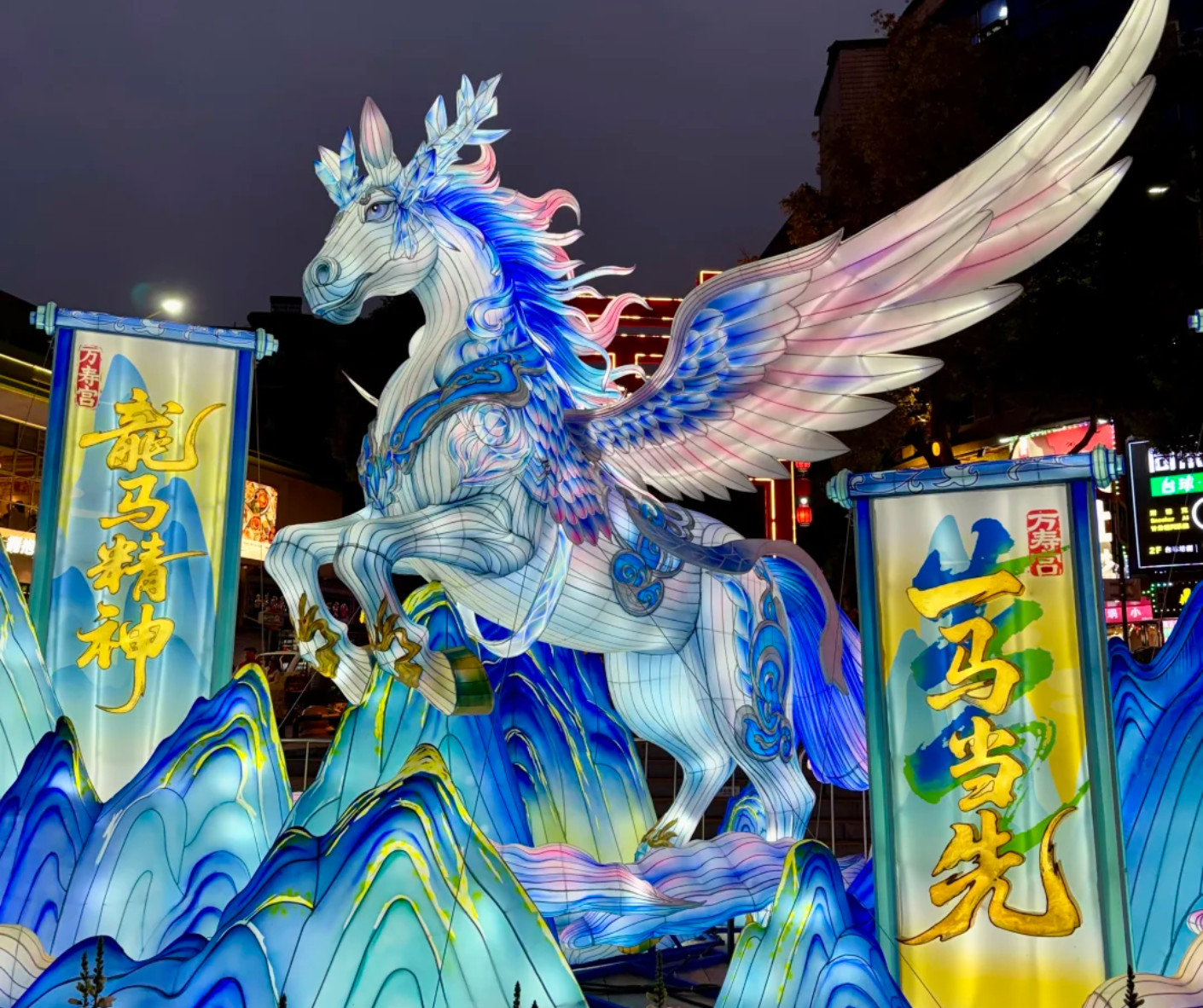
China Explorer Tour lets travelers see Wanshou Palace in a fun way. The team plans things so visitors can join local life. People shop for crafts, taste snacks, and walk old streets. Many like the evenings when lanterns glow and music plays. During festivals, guests join the fun and learn old customs. The table below lists favorite things visitors did:
Experience Type | Description |
|---|---|
Shopping & Dining | Check out shops and places to eat in the old area for local food and goods. |
Evening Strolls | Walk around at night; the old buildings look pretty and the mood is great. |
Festival Fun | Go during festivals like the Temple Fair for food and fun. |
Cultural Significance | Visitors like learning about the history and culture of Wanshou Palace. |
Evening Ambiance | People love how lively the area feels at night. |
Tailored Tours and Social Connections
China Explorer Tour makes trips for families, couples, friends, and solo travelers. Guides help visitors meet locals and join group fun. Travelers can share stories, try calligraphy, or wear traditional clothes. The tours help people connect with others who like culture and history. The company uses clear prices, so guests know what they will pay. There are no hidden fees or forced shopping.
Enhancing Cultural Discovery
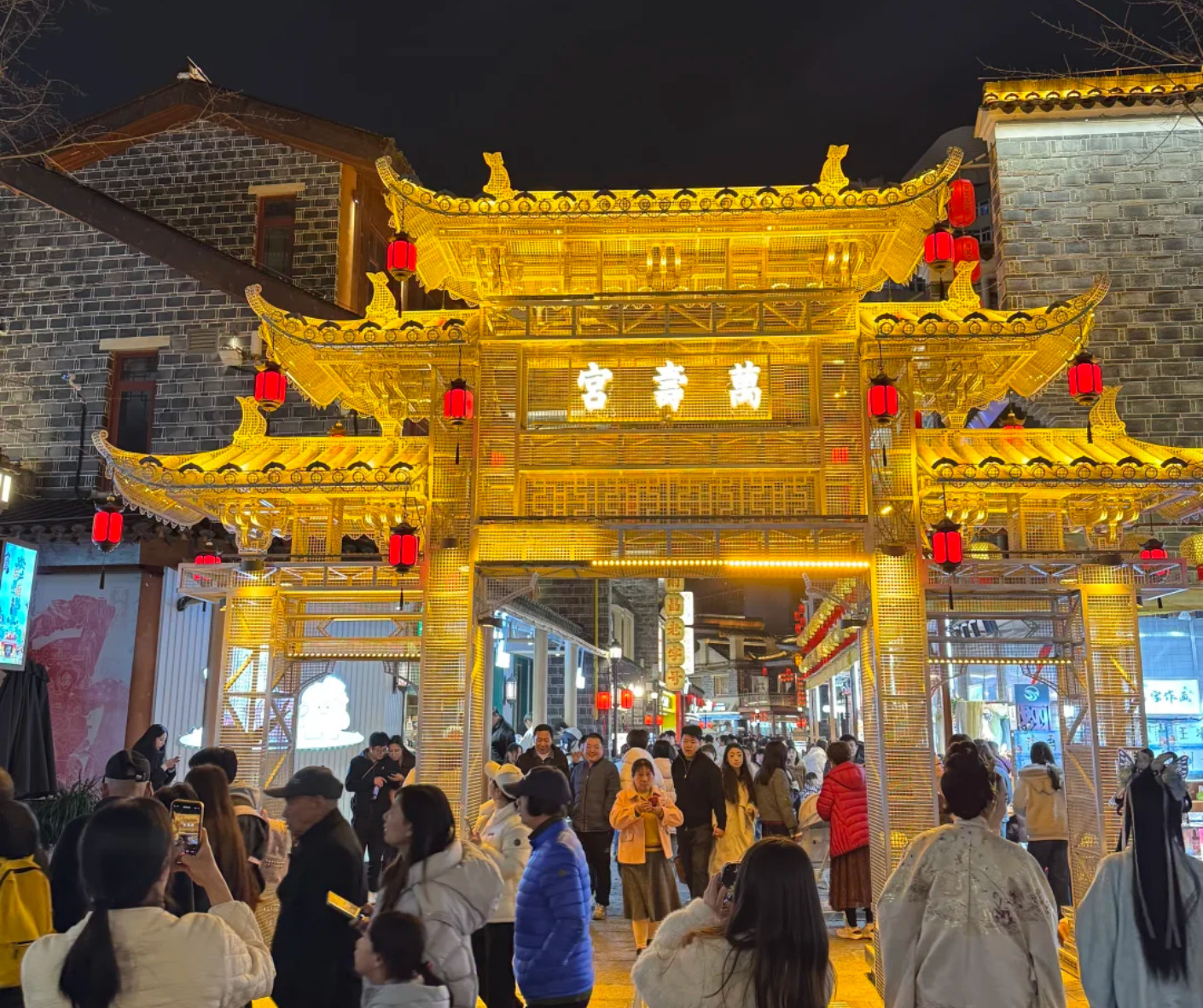
Every season brings something new to Wanshou Palace. China Explorer Tour has trips for special events, like the Lantern Festival. At this time, the palace shines with bright lights and happy crowds. The tours also show hidden places, like the Wanshou Palace Historical and Cultural Block. Here, guests see old buildings and learn about local ways. These trips help travelers learn about the city’s past and present.
Tip: Seasonal tours fill up fast, so book early to join special events.
Travelers leave with new friends, memories, and more respect for Chinese culture.
Wanshou Palace shows that history and new ideas can mix. Other heritage sites can learn from this place. Visitors get more than just memories here. They see temples, monasteries, and churches. They notice different styles and religions together. They think about why Buddhism, Taoism, and Christianity live in peace.
Visitors learn about many cultures.
They see harmony in buildings and beliefs.
They find out why people live together peacefully.
China Explorer Tour helps travelers connect with history. These cultural links help future generations. Exploring Wanshou Palace helps people value China’s heritage more.
FAQ
What is the best time to visit Wanshou Palace?
People like to visit in spring and autumn. The weather is nice and not too hot or cold. The Temple Fair happens in the first lunar month. Visitors can see old buildings and join fun events.
Can families with children join China Explorer Tour at Wanshou Palace?
Yes, families are welcome on the tour. Guides make sure there are activities for everyone. Kids can do workshops, try snacks, and learn about history in a fun way.
How does China Explorer Tour help visitors connect with local culture?
Guides take guests to old streets, markets, and festivals. Travelers meet artists, try calligraphy, and wear special clothes. These things help people learn about Nanchang’s culture.
Is Wanshou Palace accessible for people with limited mobility?
Some places have steps and bumpy paths. The tour team helps guests find easy ways to get around. They give tips and help people who need it.
What should visitors bring for a tour of Wanshou Palace?
Wear comfy shoes and bring a camera. A light jacket is good if it gets cool. The tour gives water and helpful tips for your visit.
See Also
Key Insights Before Exploring Xumishan Grottoes
Simple Guide for Tickets and Visiting Wusute Water Yadan
Important Advice for Your Visit to Gaomiao Temple