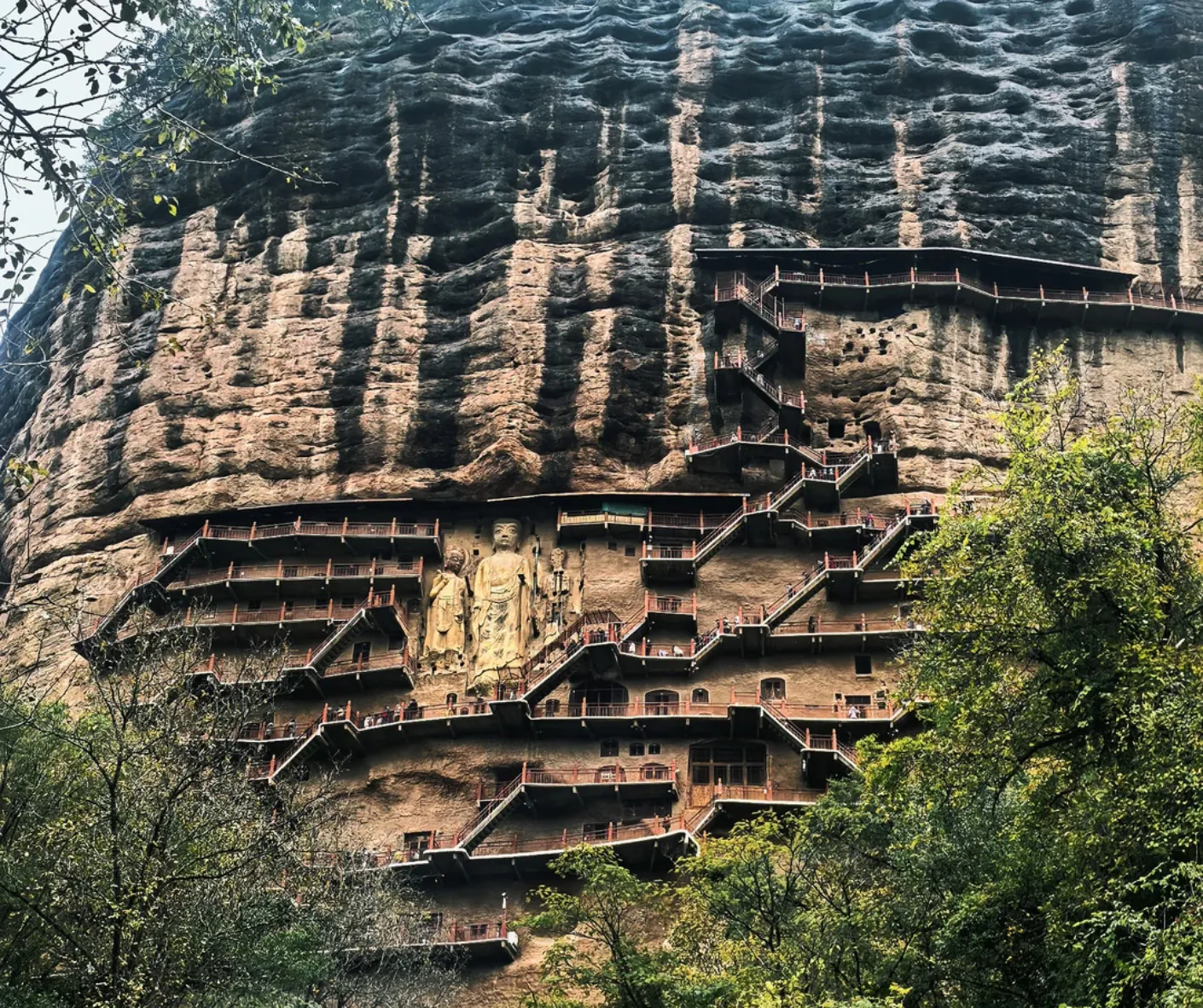
High up on the cliffs of Tianshui, the Maijishan Grottoes have 221 caves and 10,632 statues. This makes the site very special in China’s history.
The Maijishan Grottoes is a sign of sharing between cultures. It mixes Chinese, Indian, and Greco-Roman styles. Over time, artists made these caves to show faith and art. People from many countries come to see maijishan and its story. China Explorer Tour gives special trips. They help people learn about the history and lively customs of maijishan in China.
Key Takeaways
The Maijishan Grottoes have more than 221 caves and 10,632 statues. They show a mix of Chinese, Indian, and Greco-Roman art styles.
Buddhism played a big role in how the grottoes grew. This started in the Later Qin dynasty. The grottoes became a place for faith and art.
Every dynasty helped the grottoes change over time. The Tang dynasty added lifelike sculptures and bright colors. This made the grottoes even more important.
The site is a UNESCO World Heritage Site. People from all over the world visit it. It stands for cultural and historical value.
Travelers can make their trip better by booking tours with China Explorer Tour. These tours give special local experiences and teach about the grottoes.
Origins of the Maijishan Grottoes
Later Qin Beginnings
The Maijishan Grottoes started during the Later Qin dynasty. This was a time when China was changing a lot. The grottoes are in Tianshui, Gansu Province. Here, tall mountains rise above the ground. People began making the maijishan grottoes between 384 and 417 CE. Emperor Yao Xing was the ruler then. He followed Buddhism and wanted it to grow. Because of his support, workers carved the first caves into the cliffs.
The table below lists key events from the early days of the grottoes:
Date | Event Description |
|---|---|
384–417 CE | The Maijishan Grottoes project started in the Later Qin dynasty. Emperor Yao Xing helped make this happen. |
400 CE | The first caves were carved. Buddhism from India and Central Asia influenced their design. |
402-416 CE | Monk Tanhong built a monastic group at maijishan. Over 300 followers joined him. |
The grottoes’ location was very important for their growth. The next table shows how geography helped shape the site:
Geographic Factor | Influence on Development |
|---|---|
Location along the Silk Road | Trade and culture mixed here. This brought new ideas to Buddhist art and building styles. |
Proximity to Tianshui | The grottoes are about 40 kilometers from Tianshui. This made it easier for travelers and pilgrims to visit. |
Rugged mountainous terrain | The rough mountains gave the grottoes a special look. The setting made the place feel spiritual and unique. |
The Later Qin rulers, especially Yao Xing, really supported Buddhist art at Maijishan Grottoes. He wanted more caves and helped Buddhism spread in the area. This started a long tradition of faith and art at maijishan.
Early Buddhist Influence
Buddhism shaped the art and spirit of Maijishan Grottoes from the beginning. The caves are about 1,600 years old. Monks like Tanhong and Xuangao meditated here with many followers. Their work made the mountain a center for Buddhist learning and worship.
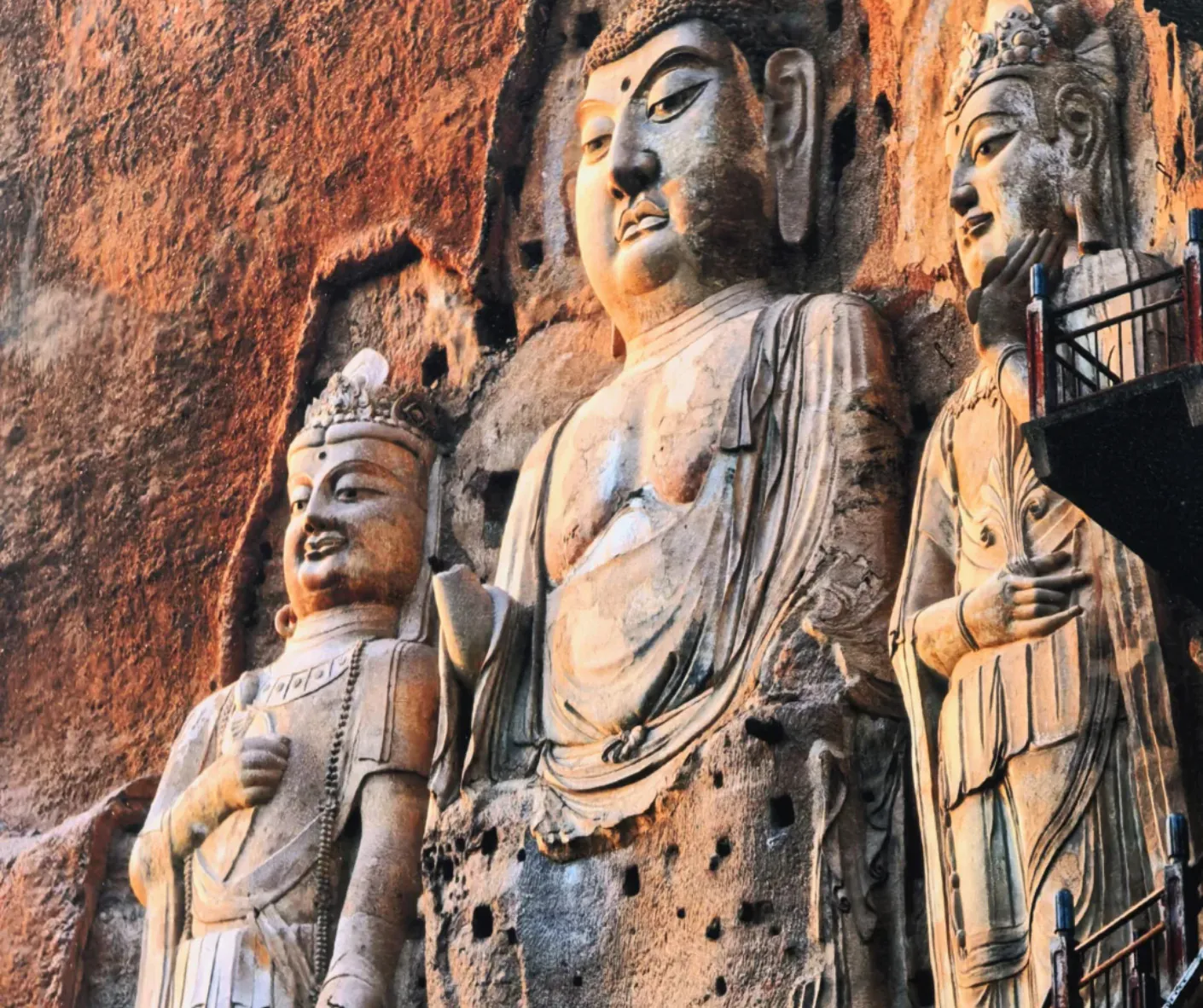
Caves 74, 78, and 57 were made during the Later Qin period. These caves show early Buddhist art.
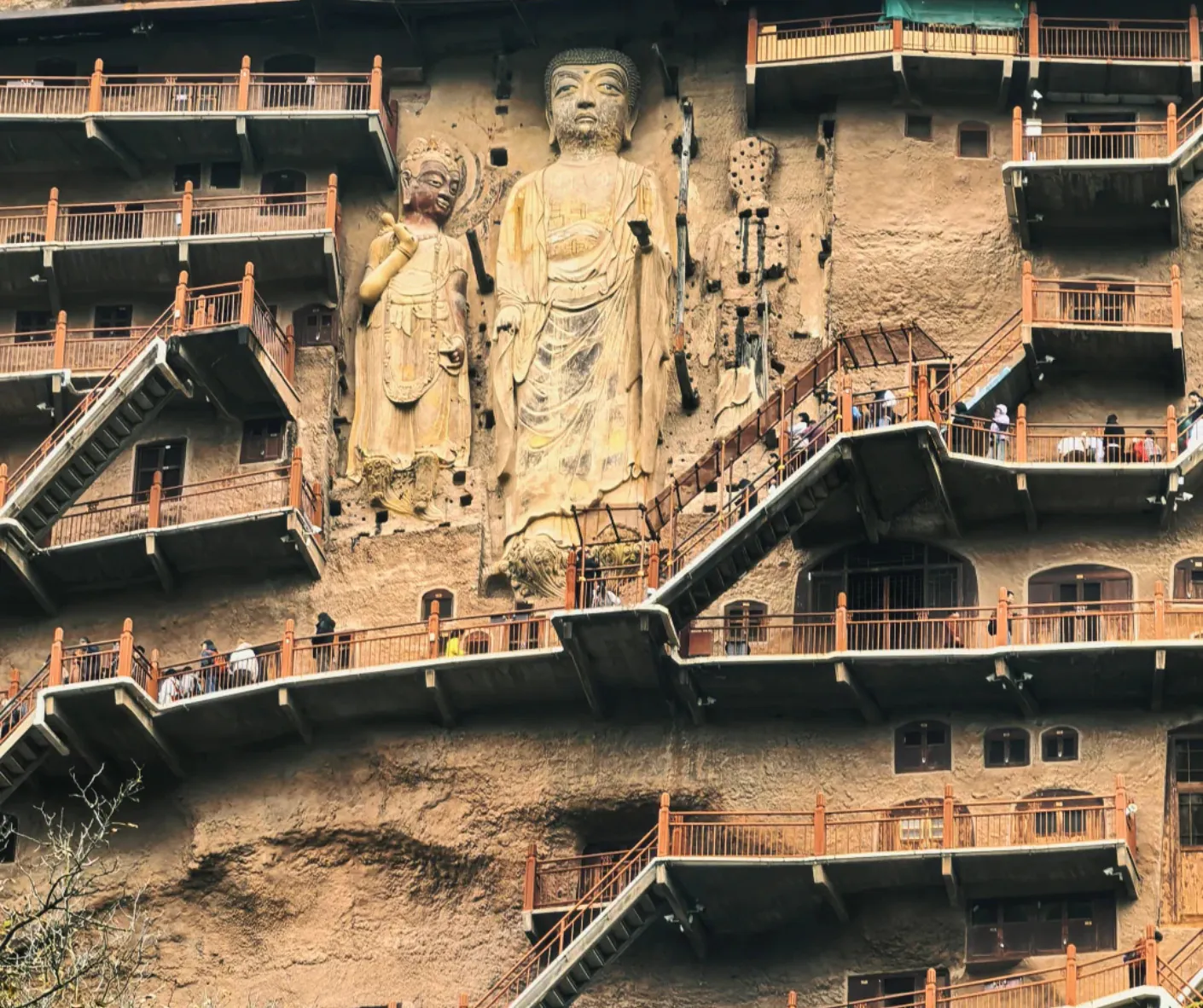
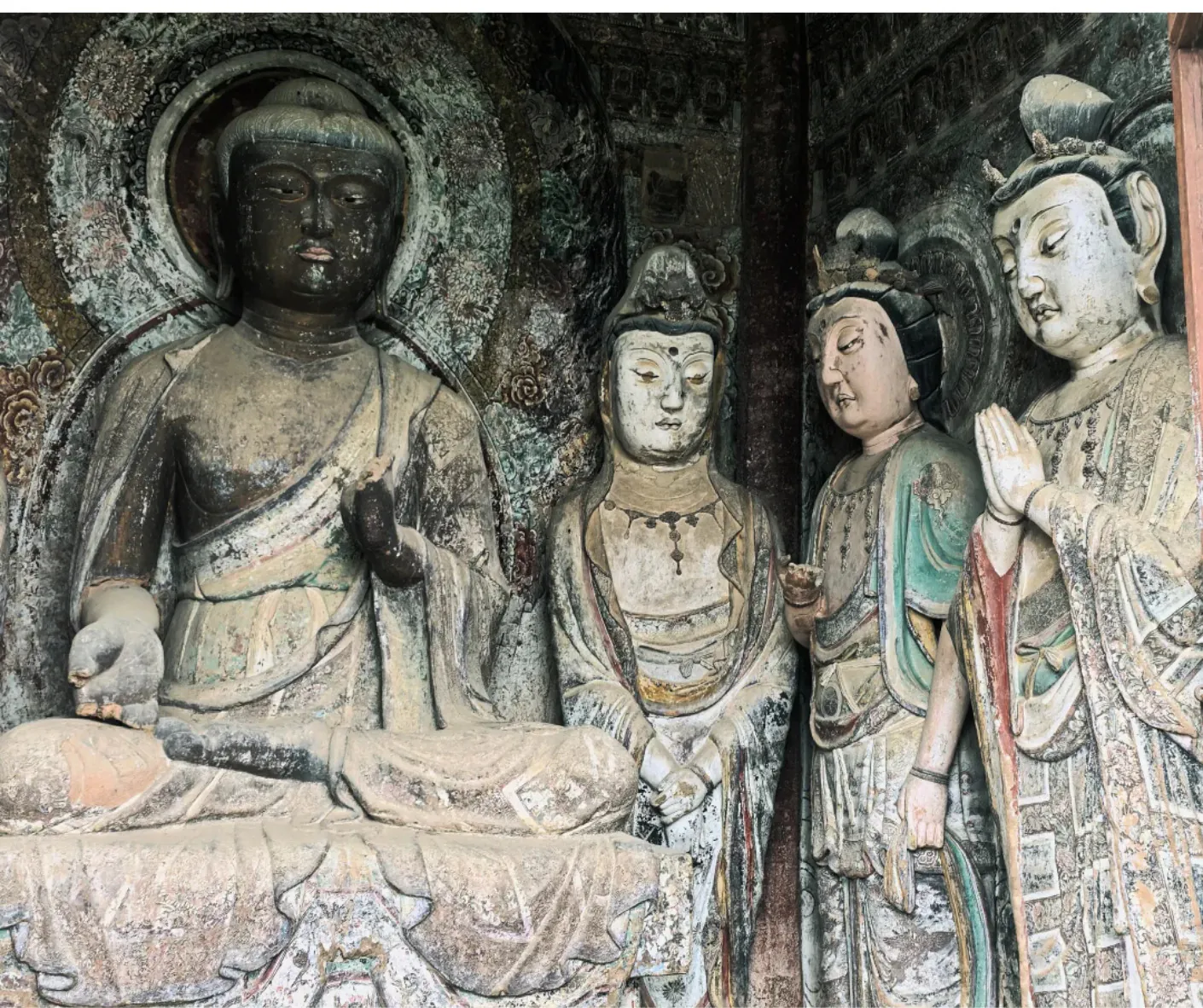
Cave 78 has a big Buddha statue. The Buddha sits in the vajra-paryankasana pose. The right hand makes the abhaya mudra, which means not being afraid.
The art in these caves mixes Indian, Central Asian, and Chinese styles. This shows how the Silk Road brought new ideas to Maijishan Grottoes.
The monastic group at maijishan grew fast. More than 300 followers came, making it a busy place for faith and art.
The maijishan grottoes became a place where cultures and beliefs met. The early caves show the hopes and skills of people who wanted to show their faith. The special location and help from rulers made the grottoes a treasure of Buddhist art. Today, Maijishan Grottoes is a symbol of the strong ties between art, faith, and the land of Gansu.
Dynastic Growth and Artistic Flourishing
Western Wei and Northern Zhou Expansion
The Western Wei and Northern Zhou dynasties brought new life to the maiji mountain grottoes. Artists changed how they made sculptures. They stopped using the fancy style from the Northern Wei period. The new sculptures looked softer and simpler. These changes made the art feel closer to real life. Artists wanted to show a Buddhist utopia. They used more imagination and feelings in their work. The maiji mountain grottoes became a place where art showed hope and daily life.
Monks and workers made the grottoes bigger. They carved more caves and statues. The maijishan grottoes became larger and more important. People came to pray and learn. The site became a center for Buddhist faith and art.
The Western Wei and Northern Zhou times changed the maiji mountain grottoes. Art became softer and showed more feelings. The grottoes showed what people dreamed about peace and wisdom.
Tang Dynasty Refinement
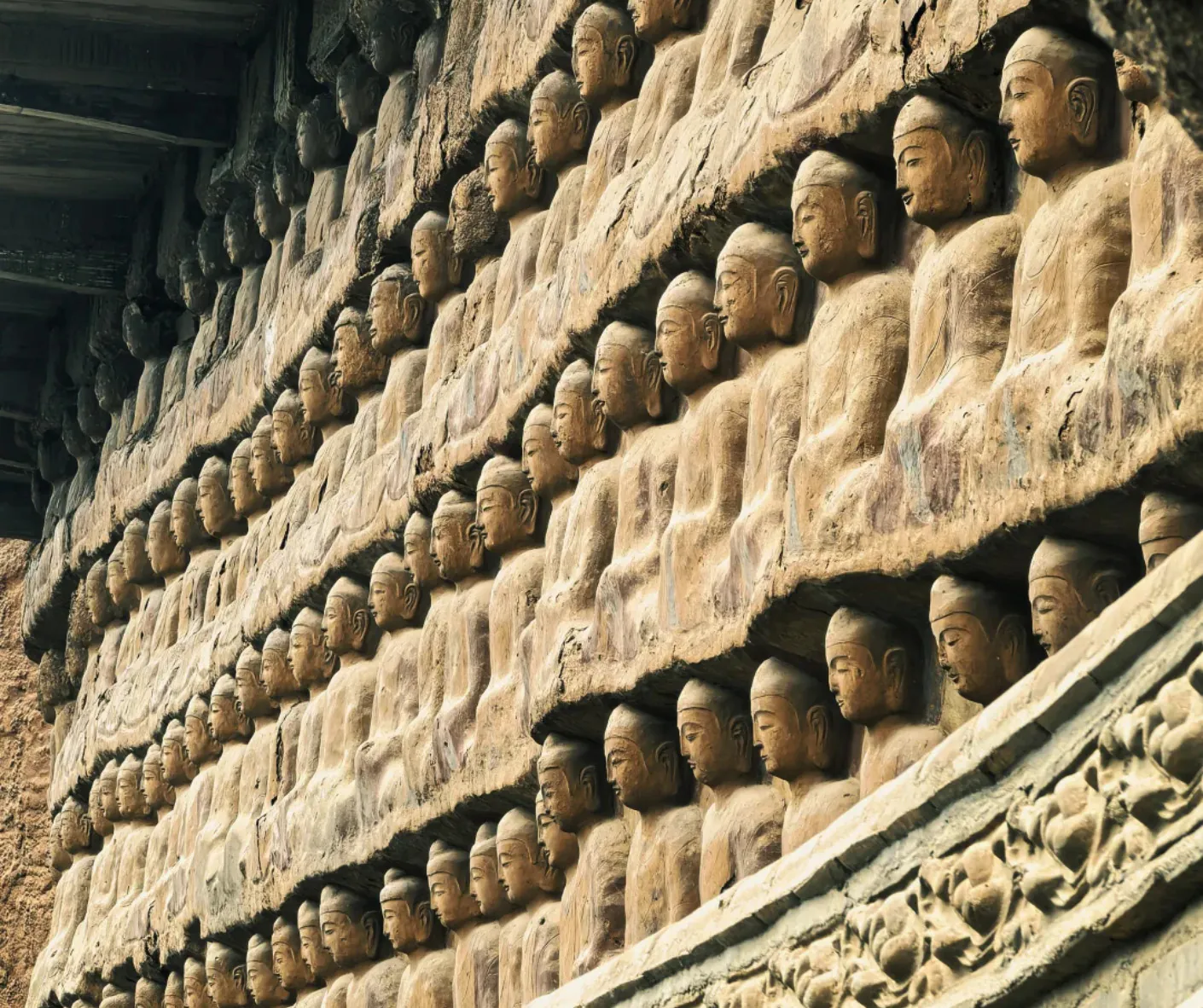
The Tang dynasty brought new beauty to the maiji mountain grottoes. Artists changed how they made figures. They stopped making thin and dreamy statues. They started making strong and lifelike ones. Statues had round bodies and detailed clothes. Tang artists used bright colors and lively designs. Cave 5 has scenes of paradise that show these changes.
The Tang period changed Buddhist art. Artists stopped following Indian and Gandharan styles. They made a style that was truly Chinese. The maijishan grottoes became famous for realistic and colorful sculptures.
Tang dynasty art at the maiji mountain grottoes had:
Realistic figures with fuller bodies
Detailed clothing and drapery
Bright colors and lively scenes
Special Chinese style in Buddhist iconography
The maijishan grottoes brought pilgrims, artists, and scholars. The Tang dynasty made the site a symbol of Chinese culture and faith.
Song and Later Dynasties Preservation
The Song and later dynasties worked to protect the maiji mountain grottoes. They fixed caves and statues. They kept the site safe from harm. The maijishan grottoes stayed a place for worship and learning.
Rulers and local people cared about the grottoes. They kept the art and faith strong. The maiji mountain grottoes inspired visitors. The site became a treasure for future generations.
Dynasty | Contribution to Maiji Mountain Grottoes | Artistic Focus |
|---|---|---|
Western Wei | Made more caves, softer style, expressive art | Gentler, real-life influence |
Northern Zhou | Grew bigger, creative art | Buddhist utopia, simplicity |
Tang | Added beauty, bright colors, lifelike figures | Chinese style, lively scenes |
Song & Later | Protected, fixed, kept culture safe | Keeping tradition |
The maijishan grottoes show how art and faith are powerful. Each dynasty added something special. The maiji mountain grottoes are a record of history, creativity, and belief.
Artistic Features of Maiji Mountain Grottoes
Sculpture and Iconography
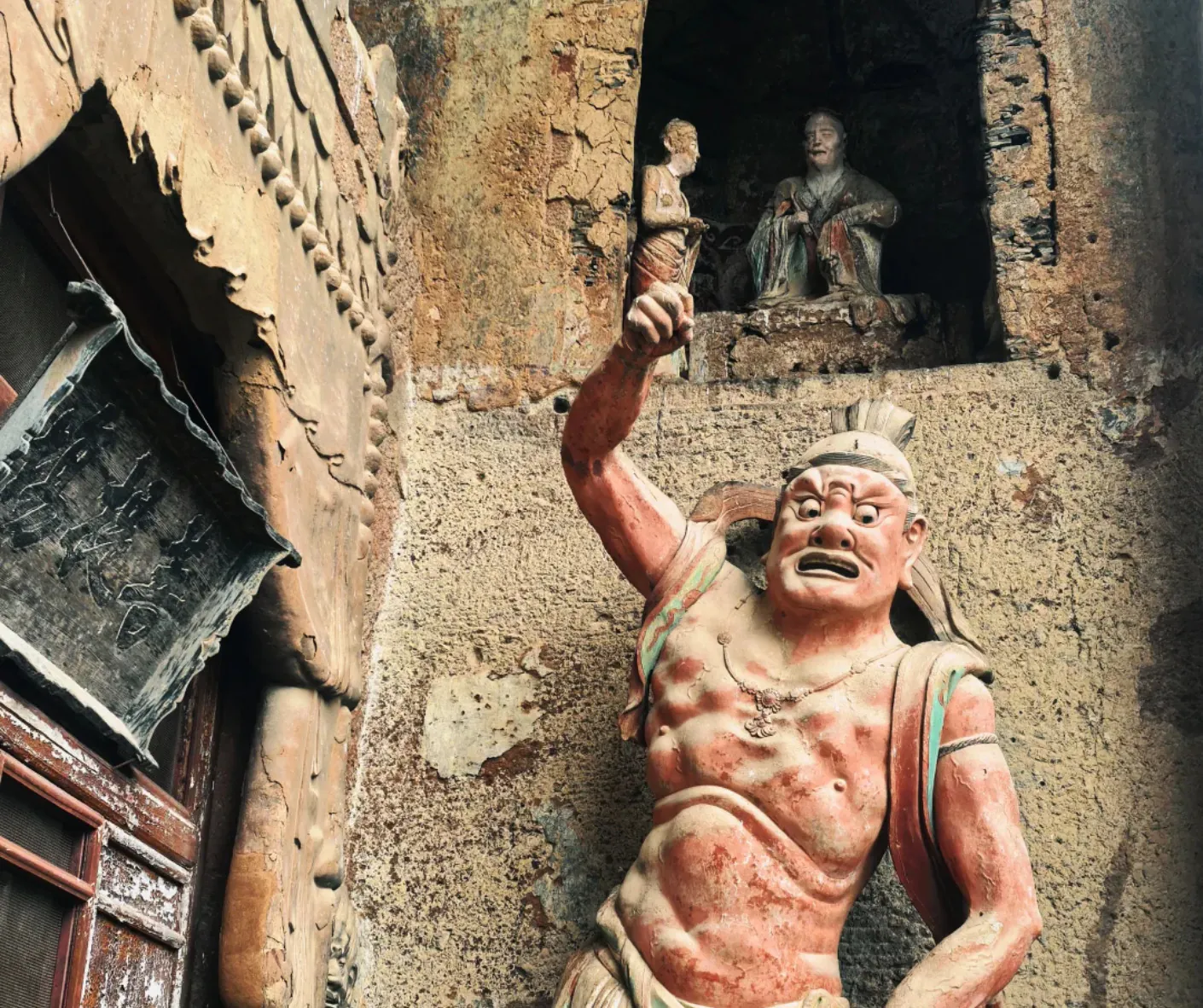
The maiji mountain grottoes have many Buddhist sculptures. Artists made more than 7,200 clay figures. They used painted clay and stucco for these works. This makes the site different from other Buddhist caves. Most other caves have stone carvings instead. The sculptures show styles from different dynasties. Northern Wei artists made calm and smooth Buddha statues. Western Wei and Northern Zhou artists made softer and more emotional figures. Sui and Tang artists added lifelike details to their work. Song dynasty artists focused on making robes and faces look real.
The maiji mountain grottoes include:
Three Buddhas and Seven Buddhas
Scenes from the Western Pure Land
Jataka Tales and Nirvana stories
Shallow and deep relief techniques
In-the-round sculptures
Artists used the soft rock nearby to make special clay figures. The sculptures show how art and beliefs changed over time.
Murals and Decorative Styles
Many walls inside the maiji mountain grottoes have murals. These paintings show Chinese ideas and mix different art styles. One mural shows the Queen Mother of the West, who is a Taoist figure. This mix of Buddhist and Taoist art shows the site’s cultural variety. The murals use bright colors and careful designs. Artists painted stories from Buddhist books, daily life, and myths. The soft rock walls helped painters make colorful pictures that last a long time.
Cultural Exchange and External Influences
The maiji mountain grottoes are a sign of sharing cultures on the Silk Road. The table below explains how outside ideas shaped the site:
Aspect | Description |
|---|---|
Ancient Buddhist Grottoes | The maiji mountain grottoes are carved into Maiji Mountain, dating back over 1,500 years. |
Buddhist Art | Artists made buddhist sculptures, statues, and frescoes showing Buddhist stories and daily life. |
Cultural Heritage | The maiji mountain grottoes are a national treasure and a UNESCO World Heritage Site. |
Travelers and artists brought new ideas to the grottoes. The art and rock cut buildings show a mix of Chinese, Indian, and Greco-Roman styles. The maiji mountain grottoes still amaze visitors with their history and special art.
Faith, Culture, and Modern Exploration
Buddhist Significance at Maijishan
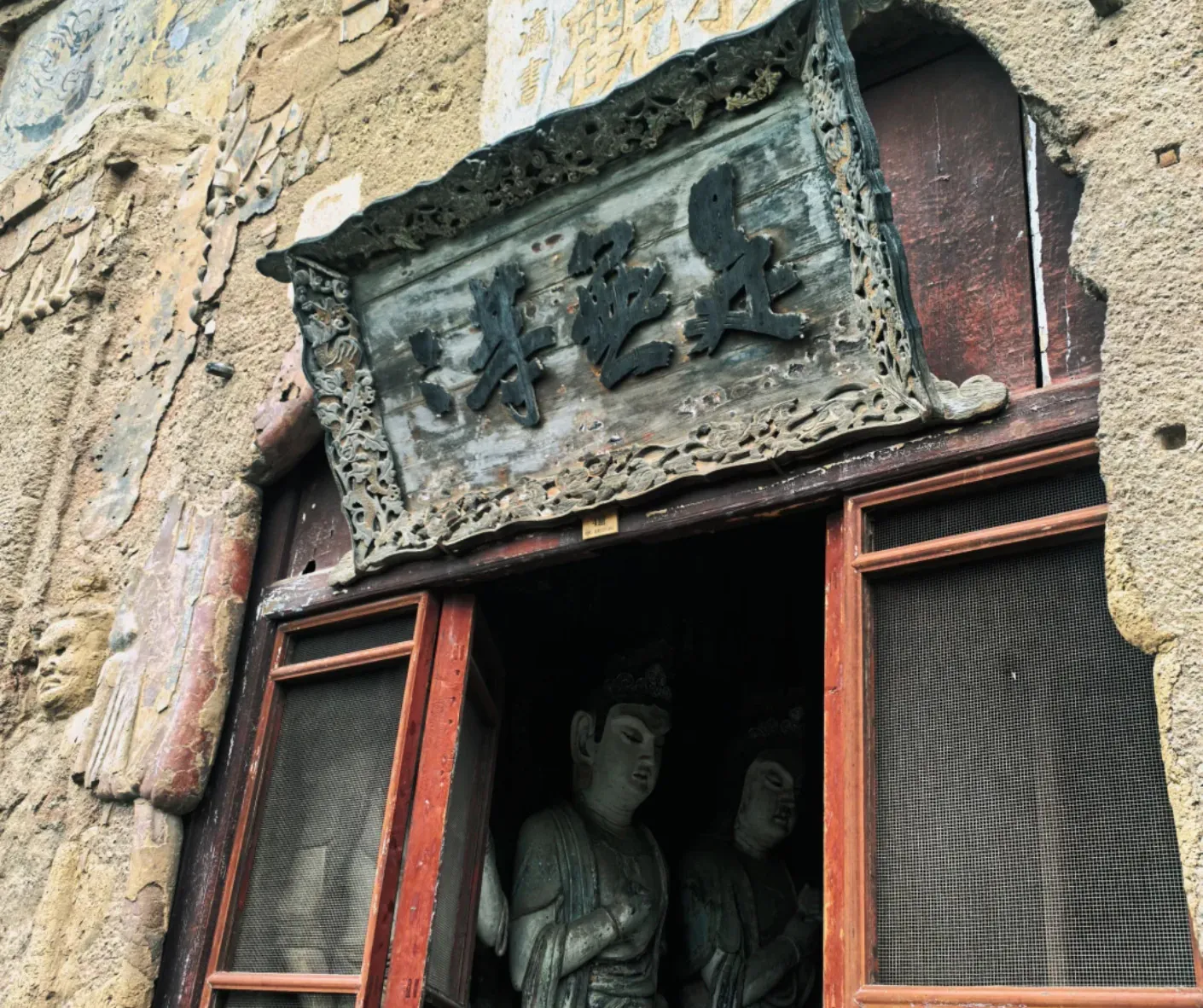
The maijishan grottoes have shaped Buddhist faith in China for a long time. Monks and pilgrims come here to find wisdom and peace. The site has more than 194 caves and 7,200 sculptures. Artists painted murals that cover over 1,300 square meters. These murals show how cultures mixed along the Silk Road. The sculptures are small and big, some as tall as 16 meters. The grottoes show how Buddhist art grew and how traditions blended.
Feature | Details |
|---|---|
Historical Context | Built first in Later Qin (384-417 AD) and added to by 12 dynasties. |
Number of Caves | More than 194 caves. |
Sculptures | Has 7,200 Buddhist sculptures, showing changes in Buddhist art. |
Murals | Over 1,300 square meters of murals, showing Silk Road culture. |
Size of Sculptures | From 10 centimeters to 16 meters tall, showing many styles. |
Cultural Integration | Shows sculpture features from over a thousand years, blending cultures. |
When people walk through maijishan, they feel respect. The walls seem to share prayers from long ago. The Buddha figures are still safe, showing the site’s importance for faith.
Walking through the grottoes makes people feel respect.
The walls seem to share old prayers.
The Buddha figures are safe, showing the site’s spiritual role.
UNESCO World Heritage and Modern Relevance
Maijishan grottoes are on the unesco world heritage list. This shows their worldwide importance. The grottoes are a symbol of history and culture. They bring travelers from many countries. The site is a top tourist spot along the Silk Road. Visitors see art and nature at maijishan. The caves and statues tell stories about faith and creativity.
China Explorer Tour: Authentic Local Experiences
China Explorer Tour gives special trips to maijishan. Travelers get a local guide and driver. They ride in a private car. The tours fit what each person wants. The company gives real local experiences in China. Visitors can see Yuquan Taoist Temple and Fu Xi Temple before maijishan. Travelers can change their trip to fit their needs.
Day | Activity |
|---|---|
1 | Pick-up from Tianshui South Railway Station, visit Yuquan Taoist Temple and Fu Xi Temple |
2 | Visit the Maijishan Caves and then leave for the next place |
Travelers can change plans if they have special needs |
China Explorer Tour helps travelers find hidden places and famous spots. The brand connects people with local culture and history. The website has details about China tours and special trips. Today, people want trips where they really experience things. China Explorer Tour gives real and fun trips to maijishan.
Maijishan shows how art and faith have lasted a long time. Visitors can see how different dynasties changed the caves. The site is a symbol of culture and belief. People from many countries come to maijishan to learn and feel amazed. Travel experts say these are good ways to explore maijishan for a better visit:
Go inside special caves with famous art that not everyone sees
Visit secret caves to look closely at great artwork
Choose your own path that fits what you like
Maijishan is more than just old stories. China Explorer Tour lets travelers find the true spirit of maijishan with local experiences.
FAQ
What makes the Maijishan Grottoes unique?
The Maijishan Grottoes have more than 200 caves. There are thousands of clay sculptures inside. Artists used painted clay, not stone, for the art. The site mixes Chinese, Indian, and Greco-Roman styles.
How old are the Maijishan Grottoes?
People started carving the grottoes around 384 CE. The site is over 1,600 years old. Many dynasties made new caves and art here.
Can visitors explore inside the caves?
Visitors can go into many caves at Maijishan. Guides show travelers famous sculptures and murals. Some caves are closed to keep the art safe.
Tip: Get a guided tour for the best visit and to see hidden places.
Why is Maijishan important for Buddhism?
Maijishan became a place for Buddhist learning and worship. Monks and pilgrims came to meditate and pray. The art shows Buddhist stories and beliefs.
How can travelers book a tour to Maijishan?
Travelers can book a special tour with China Explorer Tour. The company gives private guides, flexible plans, and real local experiences. Go to their website for more details.
See Also
Must-See Activities in Yellow River Canyon for Memorable Experiences