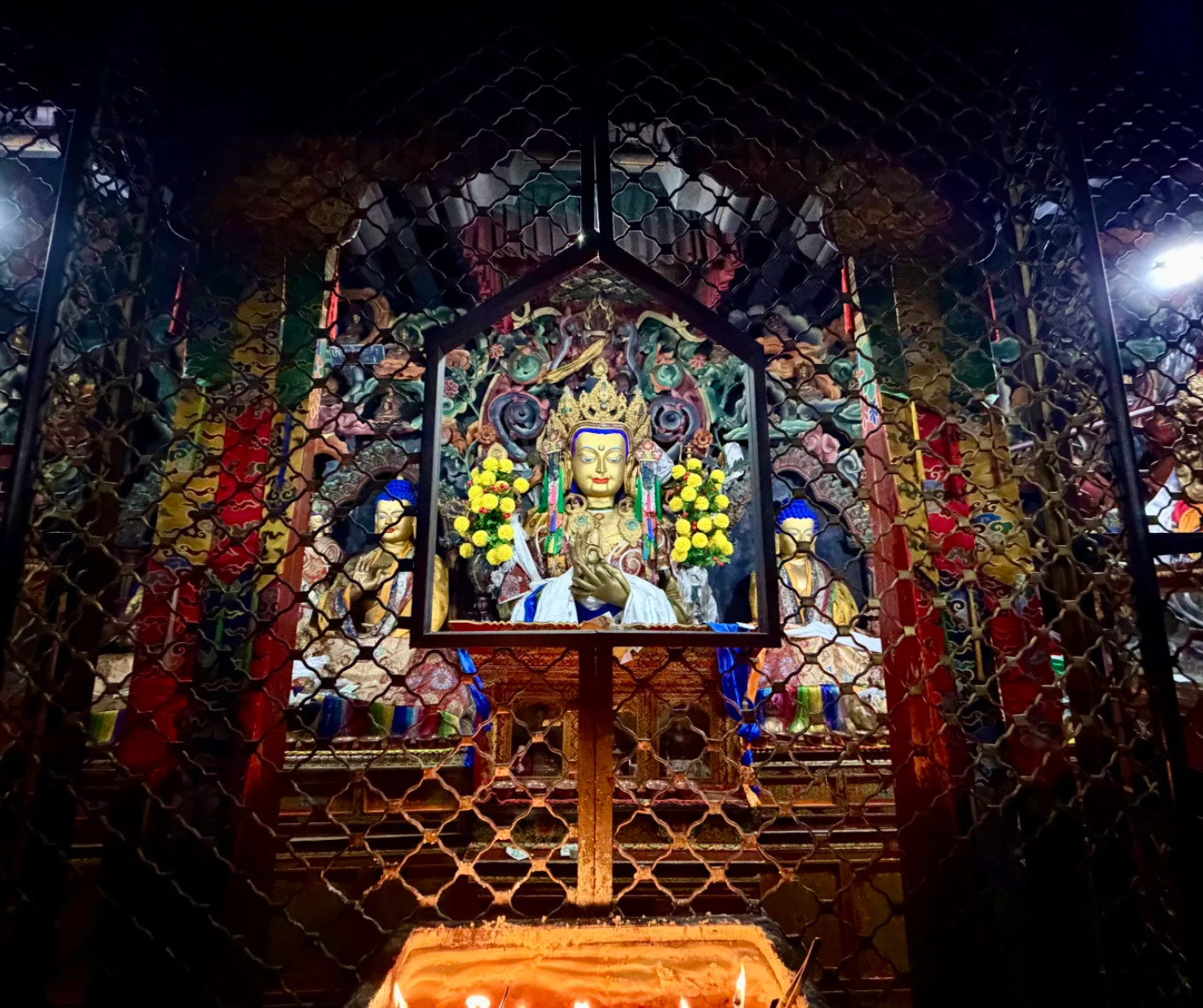
You can visit theTibetan Kings’ Tombs, also known as the tombs of tibetan kings, with a simple plan and the right travel guide. These tombs sit in a scenic spot near Qonggyai County, about 40 minutes from Shannan City in Tibet. They offer a glimpse into the Tubo Dynasty and showcase unique architecture. Check out the key details below before your trip:
Step | Details |
|---|---|
Location | Southwest of the Dzong Hill, Qonggyai County, Shannan Prefecture |
Opening Hours | 9:00-18:00 |
Admission Fee | CNY 40 |
Best Time to Visit | June to August |
A good travel guide helps you make the most of your visit to the tombs of tibet kings.
Key Takeaways
Plan your trip to the Tibetan Kings’ Tombs. Pick the best way to get there. You can drive, hire a car, or use public buses.
Go between June and August for nice weather. The tombs are open every day from 9:00 AM to 6:00 PM. The last time you can enter is 5:30 PM.
Bring all needed papers like your passport and permits. You must have the Tibet Travel Permit and Alien’s Travel Permit.
Be polite and follow local rules when you visit. Talk quietly, do not touch relics, and stay on marked paths. This helps keep the site safe.
Think about getting a travel guide from China Explorer Tour. They can help with permits and rides. They also share good facts about the tombs.
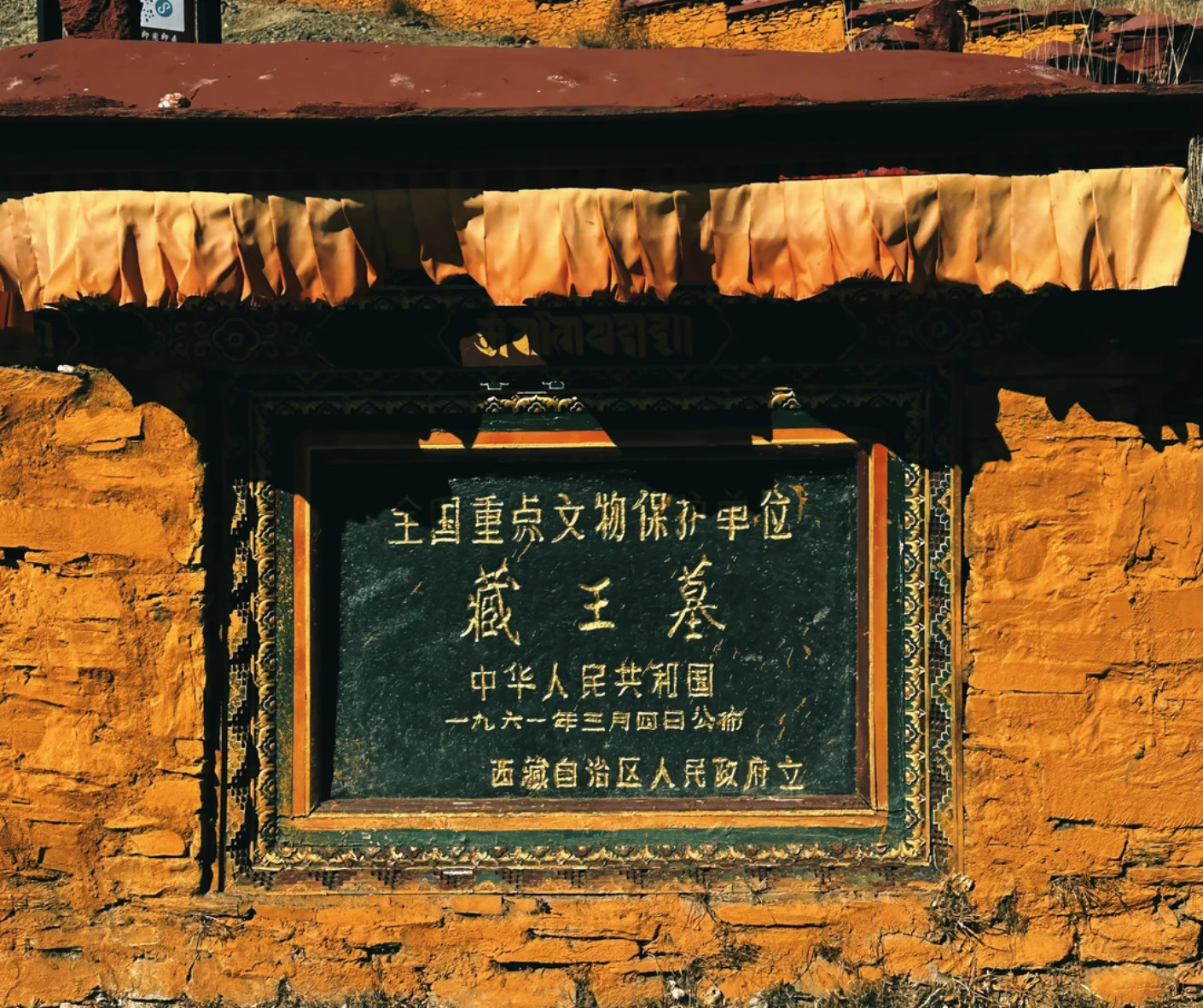
How to Visit the Tombs of Tibetan Kings
Planning Your Tibet Travel
Getting ready for a trip to the tombs of tibetan kings can be fun and a little scary. You want everything to go well, so having a travel guide helps a lot. Here is an easy plan to follow:
Choose Your Route
You can get to the tombs in a few ways. Drive yourself, hire a car, or use public buses. If you drive, start in Lhasa. Go to Zedang Town first. Then travel about 90 kilometers more to reach the tombs. The drive takes about three hours. If you hire a car, you pay between 500 and 800 yuan each day. This is good for groups. You can also take a bus. Ride a coach from Lhasa to Zedang. This takes about two and a half hours and costs 50 yuan. Then switch buses to Qiongjie.Plan Your Visit Time
The tombs are open every day from 9:00 AM to 6:00 PM. The last time you can enter is 5:30 PM. You should spend two to three hours at the site. The best months to visit are June, July, and August because the weather is nice.Buy Your Tickets
Ticket prices are different for each visitor. Look at the table below for more info:Visitor Type
Ticket Price
Remarks
General
40 yuan/person
None
Students
Half-Price Discount
Student ID required
Elderly 60+
Free Admission
ID required
Disabled
Free Admission
Relevant documents required
Military
Free Admission
Military ID required
Pack Smart and Prepare
Tibet is very high up. Bring medicine for altitude sickness. Drink lots of water. Wear layers because it gets cold and hot. Be polite and do not touch relics or monuments.Create Your Itinerary
A travel guide can help you make a plan. You can see the tombs and other places in tibet. If you want an easy trip, pick a tour with expert guides.
Tip: If you want an easy way to get to the tombs of tibet kings, a travel guide from China Explorer Tour can help with everything.
Entry Requirements for Foreign Travelers
If you want to visit Tibet, you need some important papers. Foreign travelers must have the right permits and a visa before they come. Here is what you need:
Document Type | Description |
|---|---|
Valid Passport | Must not be a Public Service Category passport. |
Chinese Visa | Needed for entry from mainland China or a Tibet Group Visa from Nepal. |
Tibet Tourism Bureau Permits | Required for entry into Tibet. |
Tibet Aliens’ Travel Permits | Needed for areas outside Lhasa, including Shannan and the tombs. |
To get your permits, do these things:
Give a copy of your passport.
Give a copy of your Chinese tourist visa.
Share your personal details like name, gender, birthday, passport number, nationality, and job.
If you have an F or Z visa, you need more papers:
F visa: Get a letter from your company in China.
Z visa: Get a letter from your Chinese travel agency.
Note: You must have both the Tibet Travel Permit and the Alien’s Travel Permit to visit the tombs of tibet kings. These papers are very important for your trip.
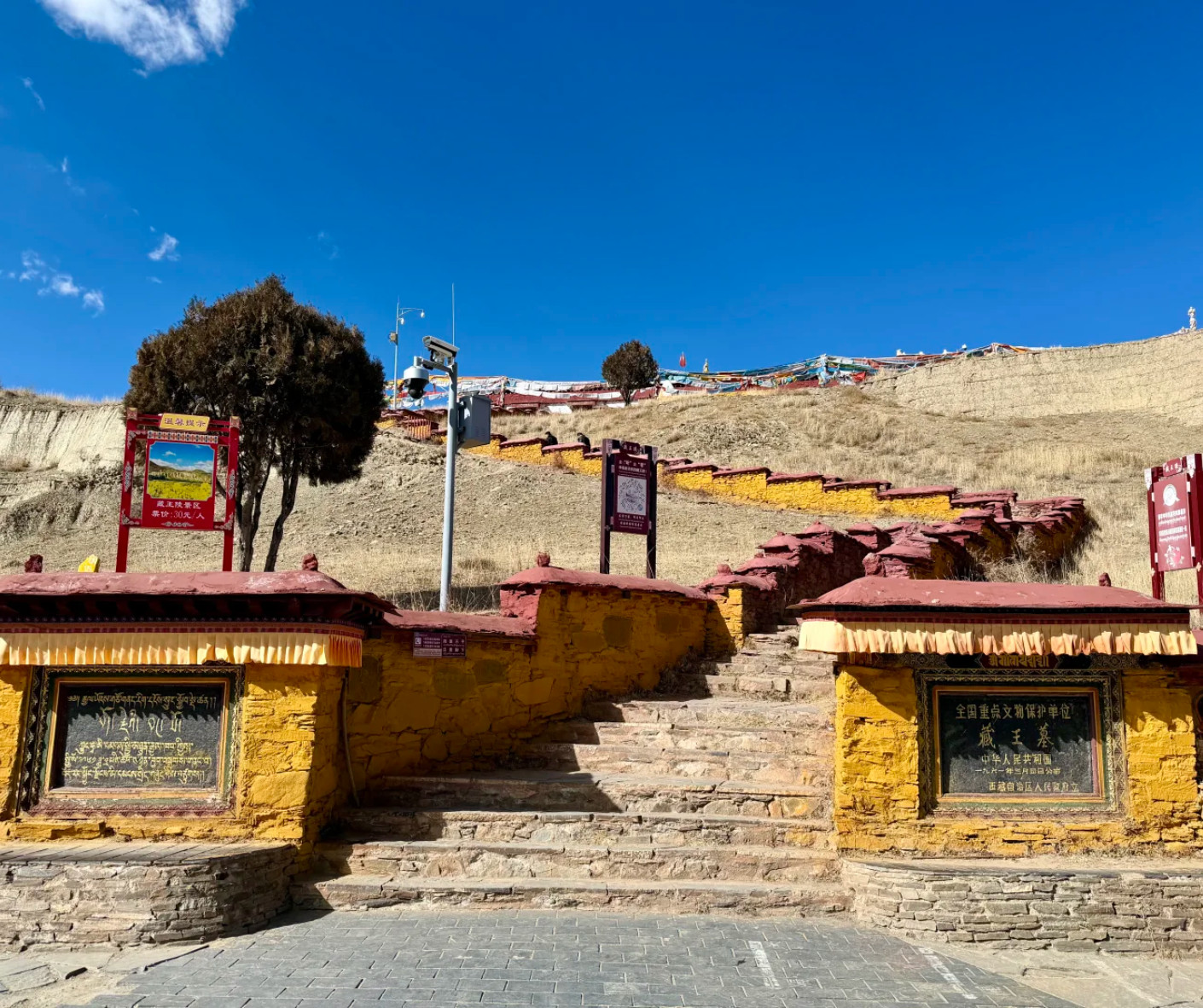
Why Choose China Explorer Tour for Your Tibet Adventure?
Planning a tibet tour can be hard because of all the rules and permits. China Explorer Tour makes it simple. Their team knows all about tibet permits & visa rules. They help you make a plan, set up rides, and give you guides who know the history and culture of the tombs. Many people say their trips are smooth and special because of the great service and local tips.
You get more than just a tour. You get to see real life in Tibet. The guides tell stories, answer your questions, and help you learn about the people and customs. You can travel alone, with family, or with friends. China Explorer Tour makes the trip fit what you like. This way, you see the best tibet places and secret spots without worry.
A travel guide from China Explorer Tour can make your trip to the tombs amazing. You can enjoy exploring while they take care of everything else.
Overview of Tombs of Tibetan Kings and Its Significance
Historical Background
When you visit the tombs of tibetan kings, you see old history. The Tubo Dynasty ruled Tibet from the 7th to 9th centuries. King Songtsen Gampo was a very important leader. His tomb is the biggest and most famous in the graveyard. There are 35 kings buried in this place. Some tombs are over 2,200 years old. The oldest tomb belongs to Zhigung Tsampo. Stories say the first seven kings were gods. The tombs cover a huge space, about 3 million square meters. You can learn about the Tubo Dynasty’s changes here. The tombs show how politics, money, and religion changed in Tibet.
The tombs of tibet kings hold kings, their wives, and top officials.
These tombs are found in Qonggyai County, Shannan Prefecture.
The tombs help us see how Tibet’s facts and culture grew.
Here’s a quick look at some key kings and what they did:
King Name | Contribution |
|---|---|
Drigum Tsenpo | Fought with clan leaders, which led to his death; this changed how people buried kings in Tibet. |
Nyima-Gon | Started the first Ladakh dynasty after the Tibetan Empire broke up in 842. |
Kor-re (Jangchub Yeshe-Ö) | Asked Atiśa to come to Tibet in 1040, which helped Buddhism grow in the area. |
Cultural Importance in Tibet
The tombs are not just places for burials. They stand for power and old customs. The tombs of tibet kings are grouped in the Valley of Kings. This shows the graveyard is very important in Tibetan culture. Kings, helpers, and ministers are buried here. You can see how rich and strong the rulers were. Burial ways changed in the mid-7th century. Before, people thought kings went to heaven. Later, they put them in big tombs.
The Chongye Burial Mounds show life before Buddhism in Tibet. Bon priests led the burials, and people made sacrifices. Earth burial became normal during the Yarlung kings’ time. These ways of burying connect to the Bon faith. This shows how beliefs mixed before Buddhism spread. When you visit, you see the deep culture and history that made Tibet.
If you want to see the tombs and learn about tibet facts and culture, these places give you a special look into the past.
Must-See Attractions at the Tombs of Tibet Kings
When you visit the tombs of tibetan kings, you step into a world full of ancient wonders. This imperial graveyard is one of the most fascinating tibet attractions. You’ll find both grand monuments and hidden treasures that tell the story of Tibet’s royal past.
Key Tombs and Monuments
You’ll want to start your journey at the heart of the graveyard. Here are the top attractions you shouldn’t miss:
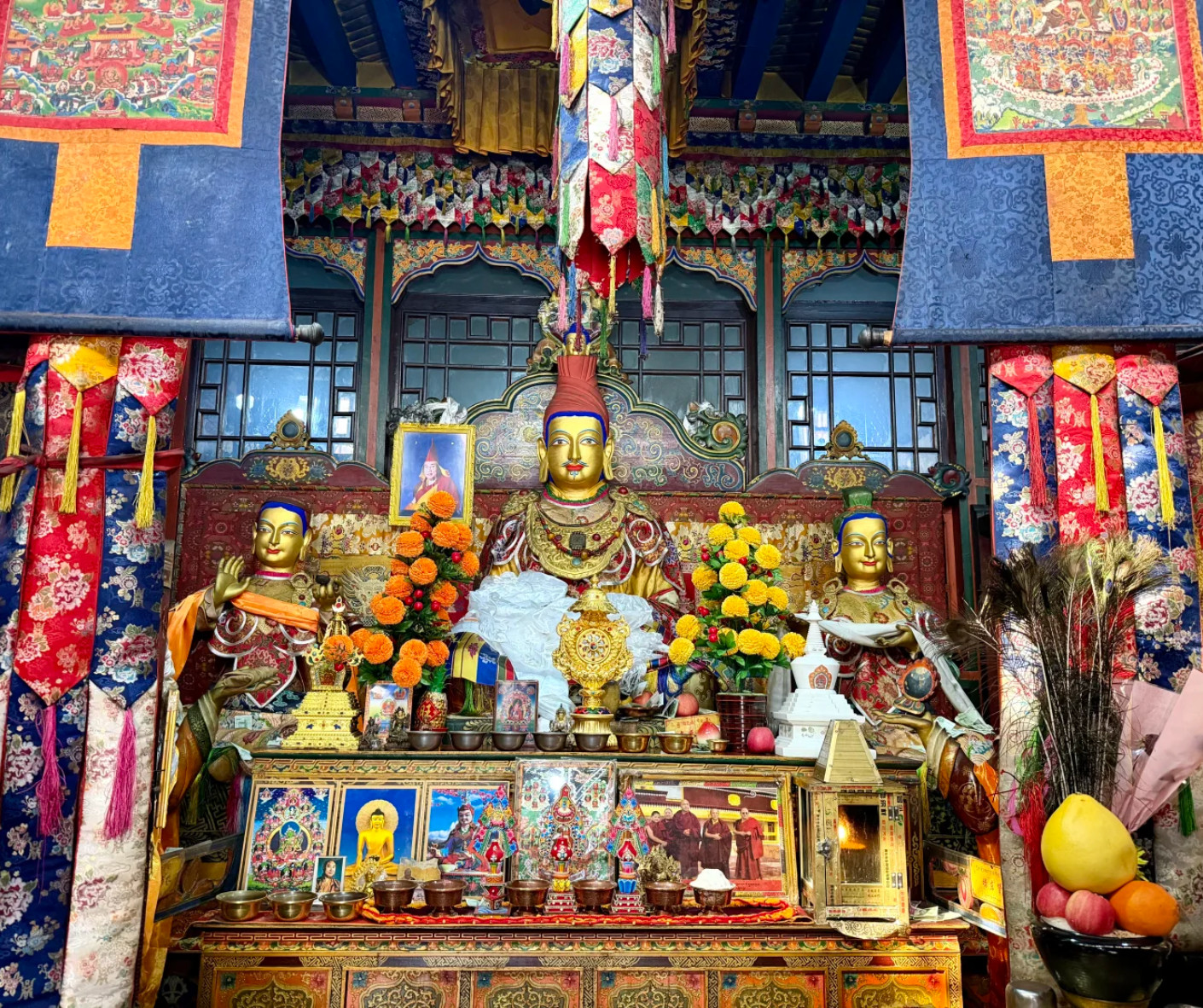
Songtsen Gampo’s tomb stands out as the most famous. This tomb rises 13.4 meters high and features a temple for worship. Inside, you’ll see statues of Songtsen Gampo and his wives. Legends say this tomb connects to Guanyin, adding a touch of mystery.
The tomb of King Trisong Detsen is another highlight. You’ll notice a large stone stele that honors his achievements. This monument reflects the rich heritage of the Tubo dynasty.
Don’t skip the tomb of Tride Songtsen. It’s marked by a 7.18-meter high stele with detailed inscriptions. This spot gives you a real sense of the power and culture of ancient Tibet.
The Shannan Tibetan Kings’ Tombs make up the largest group of Tubo mausoleums. Exploring this area helps you understand the depth of the civilization that once ruled these lands.
Tip: The graveyard is peaceful and open, making it easy to explore each tomb at your own pace.
Notable Artifacts
The tombs of tibet kings hold more than just stone and earth. You’ll find artifacts that bring the royal past to life:
Look for gold and silver utensils, reliquaries, and household items inlaid with agate. These treasures show the wealth and skill of ancient craftsmen.
Statues of Songtsen Gampo, Sakyamuni, and Avalokiteshvara stand inside the tombs. These figures highlight the spiritual side of the royal family.
You’ll also spot armors, weapons, and ceremonial items. Each piece tells a story about the kings and their world.
Outside, a pair of sitting stone lions guard the highest tomb. Each lion stands 1.65 meters tall, carved from a single rock.
If you love history or just want to see unique tibet attractions, this site offers a rare look at the royal graveyard and its secrets.
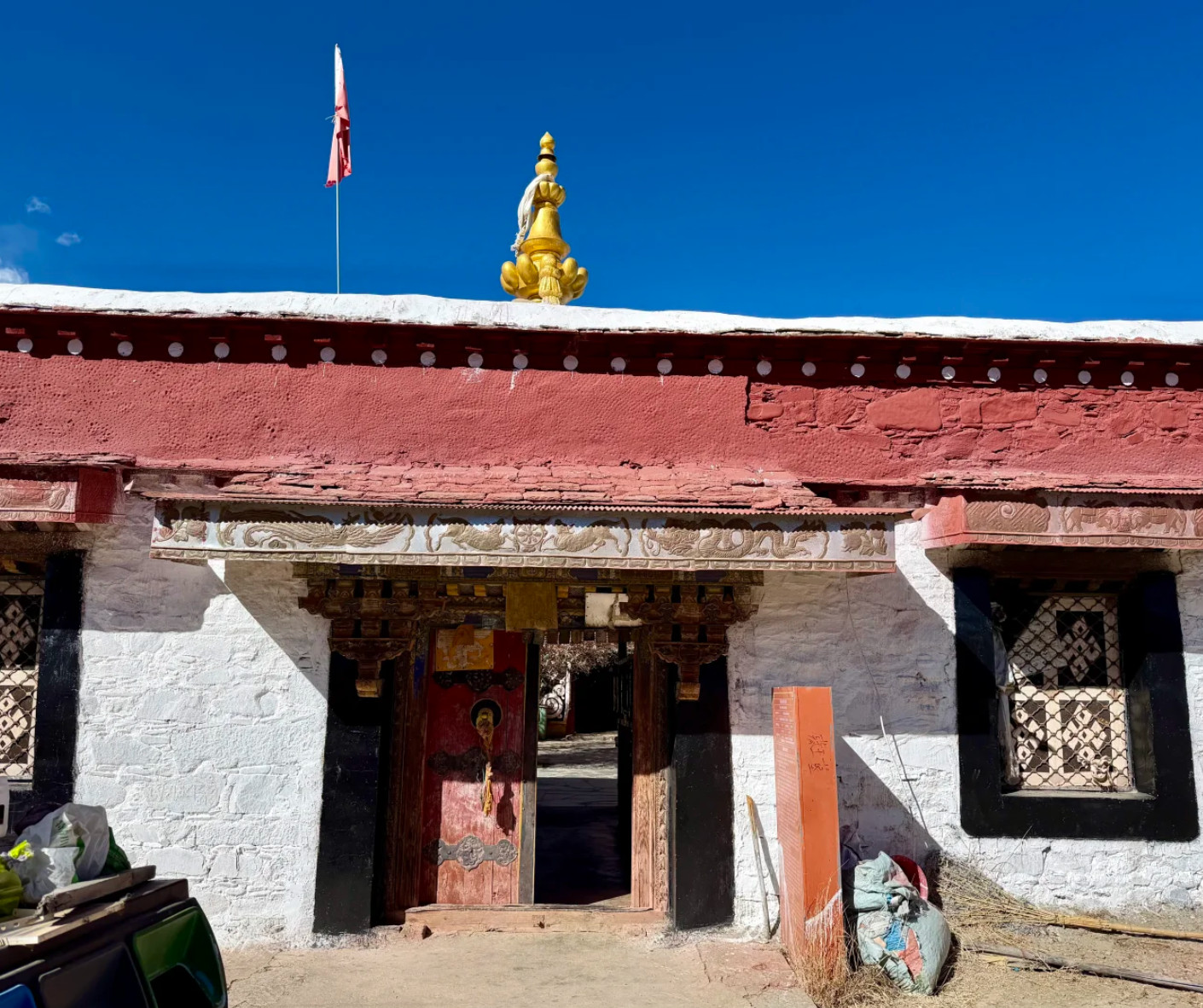
Getting There: Tibet Travel Logistics
Transportation from Lhasa and Tsedang
You have a few ways to reach the tombs from Lhasa or Tsedang. Most travelers start in Lhasa, then head to Tsedang. The trip from Lhasa to Tsedang takes about two and a half hours. You can ride a coach or hire a car. When you arrive at Tsedang, you find more options to get to the tombs.
Here’s a quick look at your choices:
Transportation Option | Cost (RMB) | Duration | Notes |
|---|---|---|---|
Shared taxi from Tsedang’s bus station | 20 minutes | Leaves when full, driver waits 1–2 hours for you. | |
Public bus | N/A | N/A | Not specified in detail. |
Shared taxis are popular. They leave when full and the driver will wait while you visit the tombs. This makes your trip easy and flexible. Public buses run, but details are not always clear. If you want a smooth ride, a shared taxi is a good pick.
Tip: If you travel with friends or family, a chartered car can save time and offer comfort.
Local Access and Options
Once you reach Tsedang, you can choose how to get to the tombs. You might drive yourself, hire a chartered car, or use public transportation. Each method has its own perks.
Transportation Method | Description | Cost (Yuan) | Duration |
|---|---|---|---|
Self-Driving | Drive from Lhasa to Zedang Town, then 90km to the tombs. | N/A | 3 hours |
Chartered Car | Convenient for groups; driver knows roads and history. | 500-800 | N/A |
Public Transportation | Take Lhasa-Zedang coach, transfer to Qiongjie, then taxi/tricycle to tombs. | 75 | 4 hours total |
Self-driving gives you freedom. You can stop and explore along the way. Chartered cars work well for groups. Drivers know the roads and can share stories about Tibet. Public transportation is cheaper, but takes longer and needs transfers.
You can plan your trip based on your budget and time. Tibet transportation is simple if you know your options. The tombs are easy to reach with the right plan.
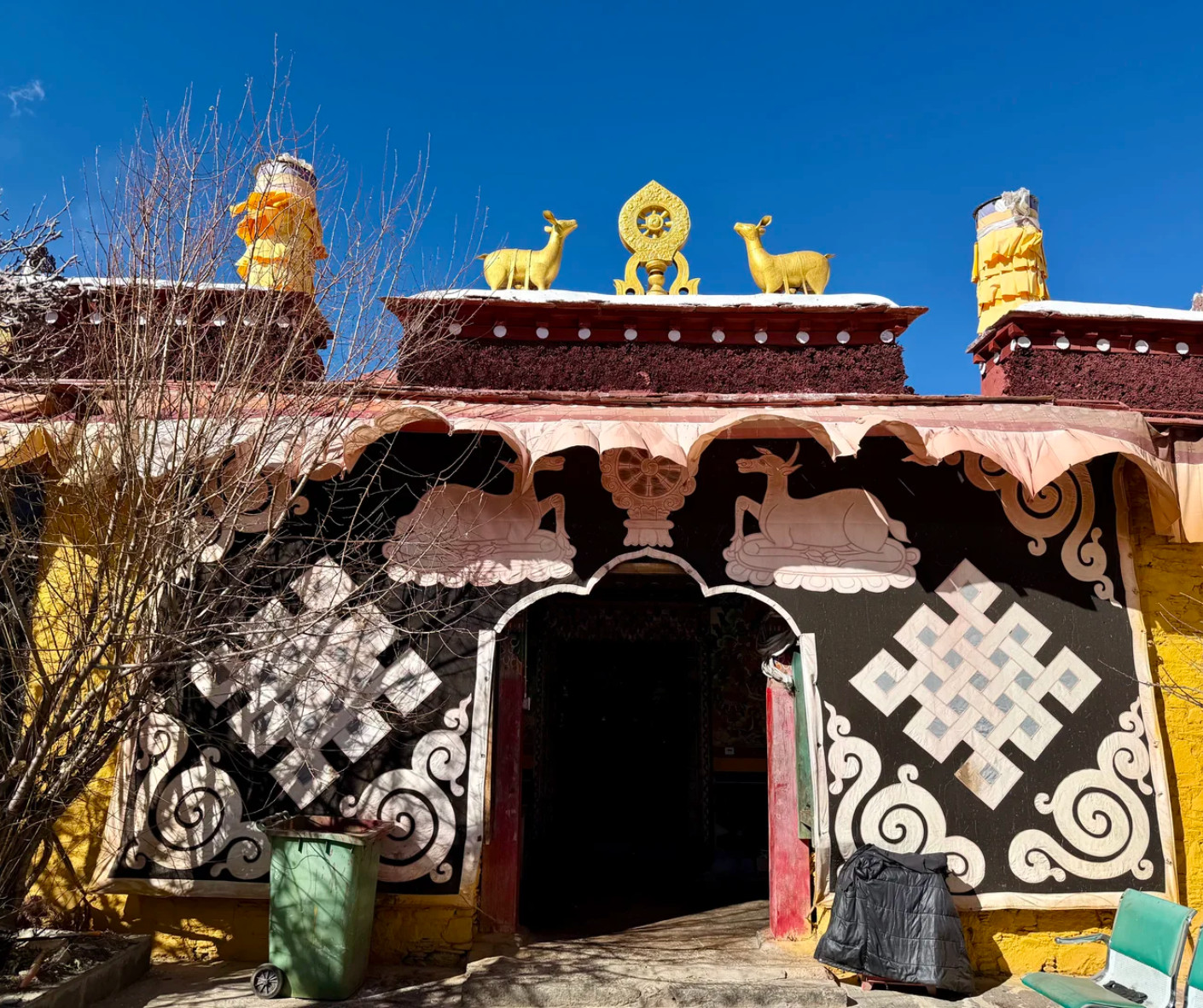
Ticketing and Visiting Information
Admission Fees and Hours
You want to know how much it costs and when you can visit the tombs of Tibetan kings. The site welcomes different types of visitors and offers discounts for some groups. Here’s a quick look at the ticket prices and opening hours:
Visitor Type | Ticket Price | Remarks |
|---|---|---|
General Visitors | 40 yuan/person | None |
Students | Half-Price Discount | Student ID required |
Elderly over 60, Disabled Persons, Military Personnel | Free Admission | Relevant documents required |
The tombs open every day from 9:00 AM to 6:00 PM. The last entry is at 5:30 PM. You can plan your visit in the morning or afternoon. If you arrive early, you get more time to explore and enjoy the peaceful atmosphere.
Tip: Bring your ID or student card if you want a discount or free admission. The staff checks documents at the entrance.
Best Time to Visit
You want your trip to be comfortable and memorable. The weather in tibet changes a lot, so picking the right month matters. Most travelers say late April, May, June, August, and September are the best months. These months have mild temperatures and clear skies. July sometimes brings heavy rain, which can make travel harder. Early October feels chilly, especially if you come from a warm place.
If you want the best time to visit tibet, aim for late spring or early fall. You avoid crowds and enjoy the scenery. The tombs look beautiful with green grass and blue skies. You can take great photos and walk around without feeling too hot or cold.
Note: Check the weather forecast before your trip. Pack layers and a raincoat if you visit in July.
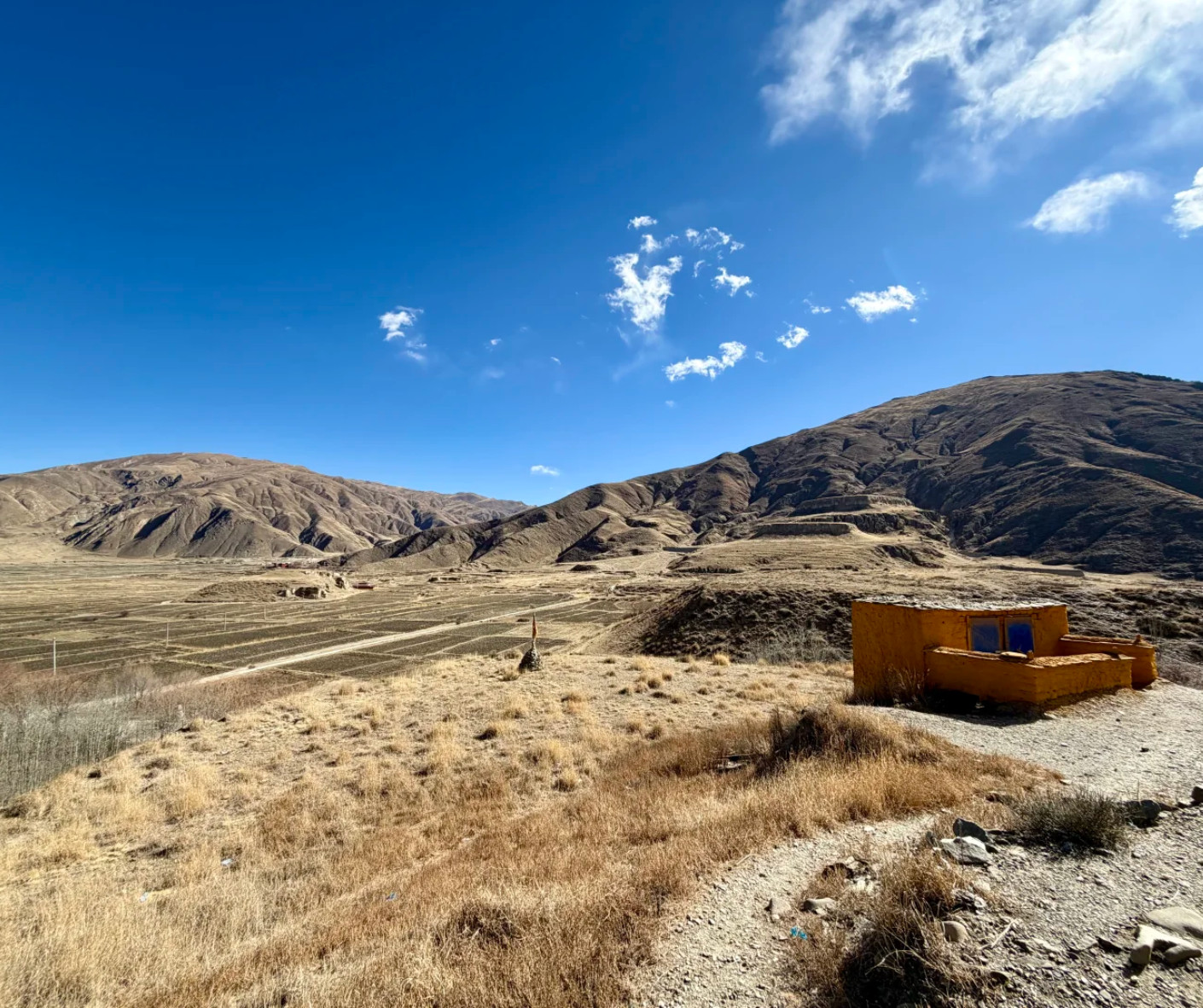
Accommodation and Dining Near the Tombs
Hotels and Guesthouses
You need a nice place to sleep after seeing the tombs. Most people stay in Tsedang because it is close to Qonggyai County. There are many hotels and guesthouses in this town. Some places have simple rooms, and some have new things like TVs and hot water. If you want a homey feeling, try a guesthouse run by a local family. You will meet kind people and learn about Tibetan life.
Here are some good places to stay:
Tsedang Hotel: This hotel has clean rooms and nice workers. You can pick a basic room or pay more for a better one.
Shannan Guesthouse: This spot is quiet and close to the tombs. The staff gives travel tips and shares local facts.
Local Homestays: If you want to see real Tibetan life, stay with a family. You eat together and hear stories, making your trip special.
Tip: Book your room early if you visit in summer. June to August is busy, so you should save your spot soon.
Local Food Options
You should try the food when you visit Tibet. Near the tombs, you can eat both old-style Tibetan dishes and new foods. If you go to Lhasa, you find even more places to eat. Here is a table with some top restaurants and their best foods:
Restaurant Name | Type of Experience | Address | Price Range (per capita) | Signature Dish |
|---|---|---|---|---|
Tiancun · Stone Pot Tibetan Chicken | High-End Dining | Near Jiangsu Road, Chengguan District, Lhasa | 180-250 yuan | Tibetan fragrant chicken in stone pot |
Ruyi Linka Tibetan Restaurant | Cost-Effective Dinner | Near Barkhor Street Business District, Lhasa | 100-120 yuan | Yak meat hot pot |
Kailash Tibetan and Nepali Restaurant | Traditional Dining | Inside Tuanjie New Village, Lhasa | 80-100 yuan | Yak meat hot pot, hand-grabbed meat |
After a long day, you might want a big meal. Try yak meat hot pot or hand-grabbed meat. These foods are filling and show you Tibetan culture. If you want something special, order the Tibetan fragrant chicken in a stone pot. It tastes rich and different.
🍲 Ask your hotel or guesthouse for food ideas. Sometimes, the best meals are in small family kitchens.
When you mix sightseeing with good food and nice places to stay, your trip is better. You make memories that last a long time.
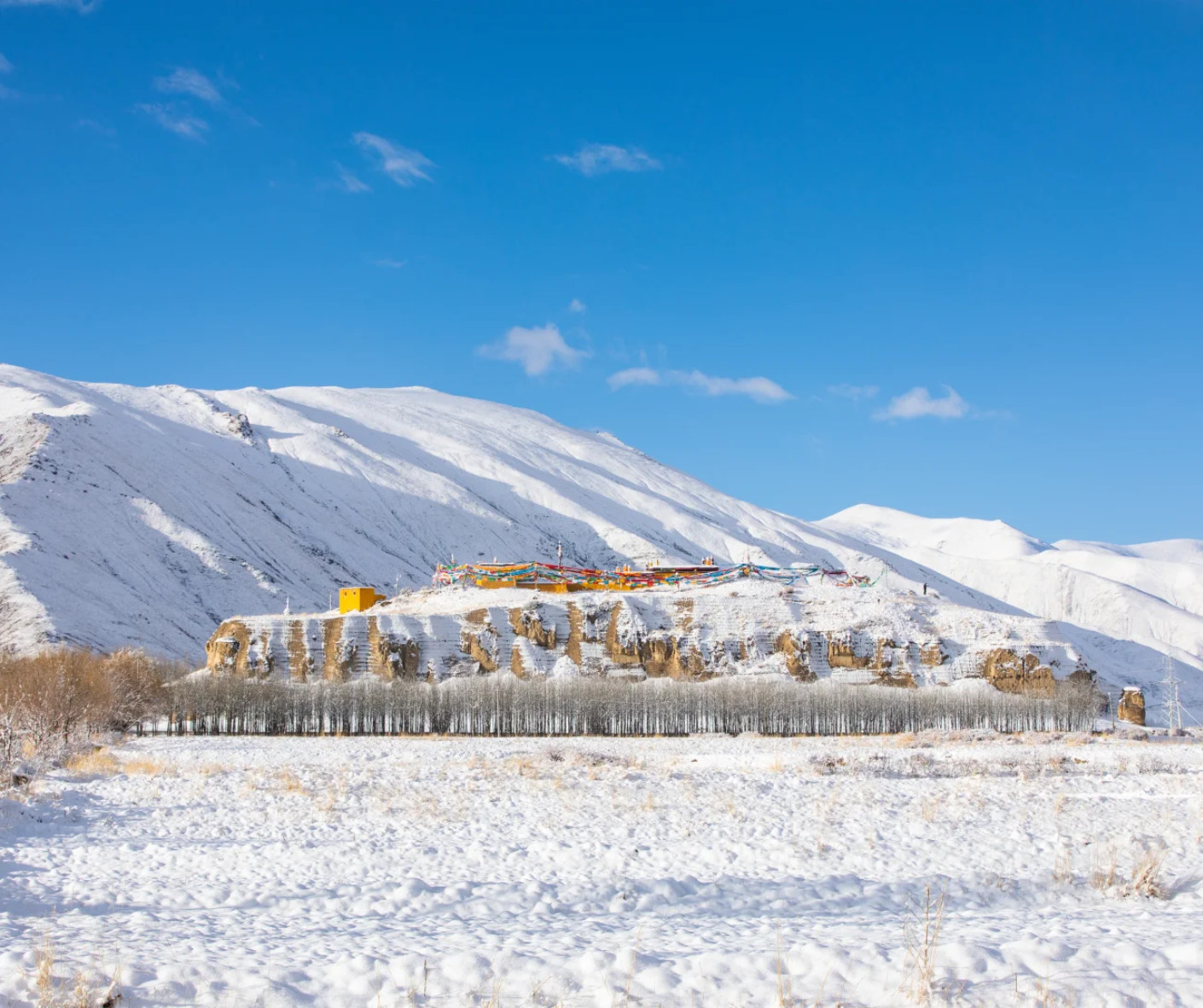
Essential Travel Tips for Tibet
What to Bring and Wear
Packing for the Tibetan Kings’ Tombs is exciting. You want to feel good and show respect for local ways. Here’s a simple list of what to bring:
Wear clothes in layers. The weather can change quickly, so you can put on or take off layers.
Warm boots made of leather or felt keep your feet safe and warm.
Sunglasses and sunscreen protect you from the strong sun because the tombs are high up.
Some women wear fancy headdresses with coral or turquoise, and gold or silver earrings and necklaces. These show respect for old customs.
Men sometimes wear the Dum-Tshang, a fur hat that is good for cold places.
Bring medicine for altitude sickness and a water bottle you can use again.
Tip: Check the weather before you leave. This helps you get ready and enjoy your trip.
Etiquette and Safety
You are visiting a place with lots of history and culture. It is important to be polite. Here are some things to remember:
Talk quietly and do not make loud sounds near the tombs.
Do not touch relics or monuments. People care about these places a lot.
Ask before you take pictures of people or special events.
Walk only on marked paths. This keeps you safe and helps protect the tombs.
Always carry your ID and permits.
If you follow these easy rules, you help keep the tombs safe and have a better trip.
Safety first! Drink water often and walk slowly if you feel dizzy.
China Explorer Tour: Tailored Tibet Experiences
You want your trip to Tibet to be special. China Explorer Tour gives you trips that link old capitals with the holy Tibetan Plateau. You can see old sites, monasteries, and the Potala Palace for a spiritual visit. The tour also has a nice Yangtze River cruise, which makes your trip calm.
China Explorer Tour uses smart tools to make trips just for you. This helps you find the best places and hidden spots. You get a travel guide who knows the area and can make your plan fit you. Your trip will be easy, fun, and full of real memories.
Let China Explorer Tour take care of the plans. You can enjoy learning about Tibet’s culture.
You have what you need for a good trip to the Tibetan Kings’ Tombs. These tombs are famous for their history, culture, and pretty views. Here are the main reasons people like this place:
Value Type | Description |
|---|---|
Historical Value | The tombs are from the Tubo Dynasty. They help you learn about the dynasty’s history. |
Cultural Value | The buildings mix Tubo and Central Plains styles. This shows how cultures came together. |
Landscape Value | The mountains and water make the tombs look beautiful. It is a great spot for photos. |
To have a fun visit, keep these tips in mind:
Tip | Description |
|---|---|
Altitude Sickness | Bring medicine for altitude sickness. Do not do hard exercise. Drink more water and rest. |
Clothing Preparation | Pack warm clothes and sunscreen. The weather changes a lot between day and night. |
Cultural Respect | Be polite and follow local customs. Do not touch relics. Speak kindly to others. |
Item Preparation | Take water, snacks, your ID, and a phone or camera. These things make your trip easier. |
Plan your trip with China Explorer Tour for less stress. You get help from experts, hear local stories, and can pick a trip that fits you. Start your adventure to the Tibetan Kings’ Tombs and see the heart of tibet.
FAQ
How long should you spend at the tombs of Tibetan kings?
You can explore the tombs in two to three hours. If you love history, you might stay longer. The site is peaceful, so take your time and enjoy the views.
Do you need a guide to visit the tombs?
You don’t need a guide, but having one makes your trip easier. Guides share stories and help with permits. China Explorer Tour offers expert guides who know the area well.
Can you visit the tombs with children?
Yes, you can bring children. The tombs are safe and open. Kids enjoy seeing the monuments and learning about ancient kings. Remember to pack snacks and water.
What is the best way to get to the tombs from Lhasa?
You can take a coach to Tsedang, then use a shared taxi or hire a car. Self-driving gives you freedom. China Explorer Tour can arrange transportation for you.
Are there any special customs to follow when visiting in tibet?
You should speak quietly and avoid touching relics. Always ask before taking photos of people. Respect local customs and follow marked paths. This helps protect the tombs and keeps your trip smooth.
See Also
Key Insights for Exploring Gaomiao Temple in Ningxia
Important Information for Your Trip to Xumishan Grottoes
Must-Know Advice for Newcomers to Huoshizhai
Guidelines for Discovering Dachaidan Emerald Lake Effectively