You want to visit Jilong Creek, but you do not know how to begin. This guide shows
you why this place is unique. You get help with planning your trip. There are tips for learning about local culture. You also get ideas to make your trip easy. Experts help you have a better adventure. You can rest and have fun every day.
Key Takeaways
Jilong Creek has amazing views. You will see blue skies, snowy mountains, and bright fields. Bring a camera to take pictures of the pretty sights.
You can learn about Tibetan culture. Join local festivals like Losar. Take part in traditions and enjoy the fun celebrations.
Make sure to plan your travel route well. Pick between Kathmandu and Lhasa. Get ready for roads that may change.
Pack smart for your trip. Bring clothes you can layer. Wear good shoes for walking. Do not forget your travel papers.
Think about getting a local guide from China Explorer Tour. They give great advice and show you special places.
Why Visit Jilong Creek
Scenic Highlights
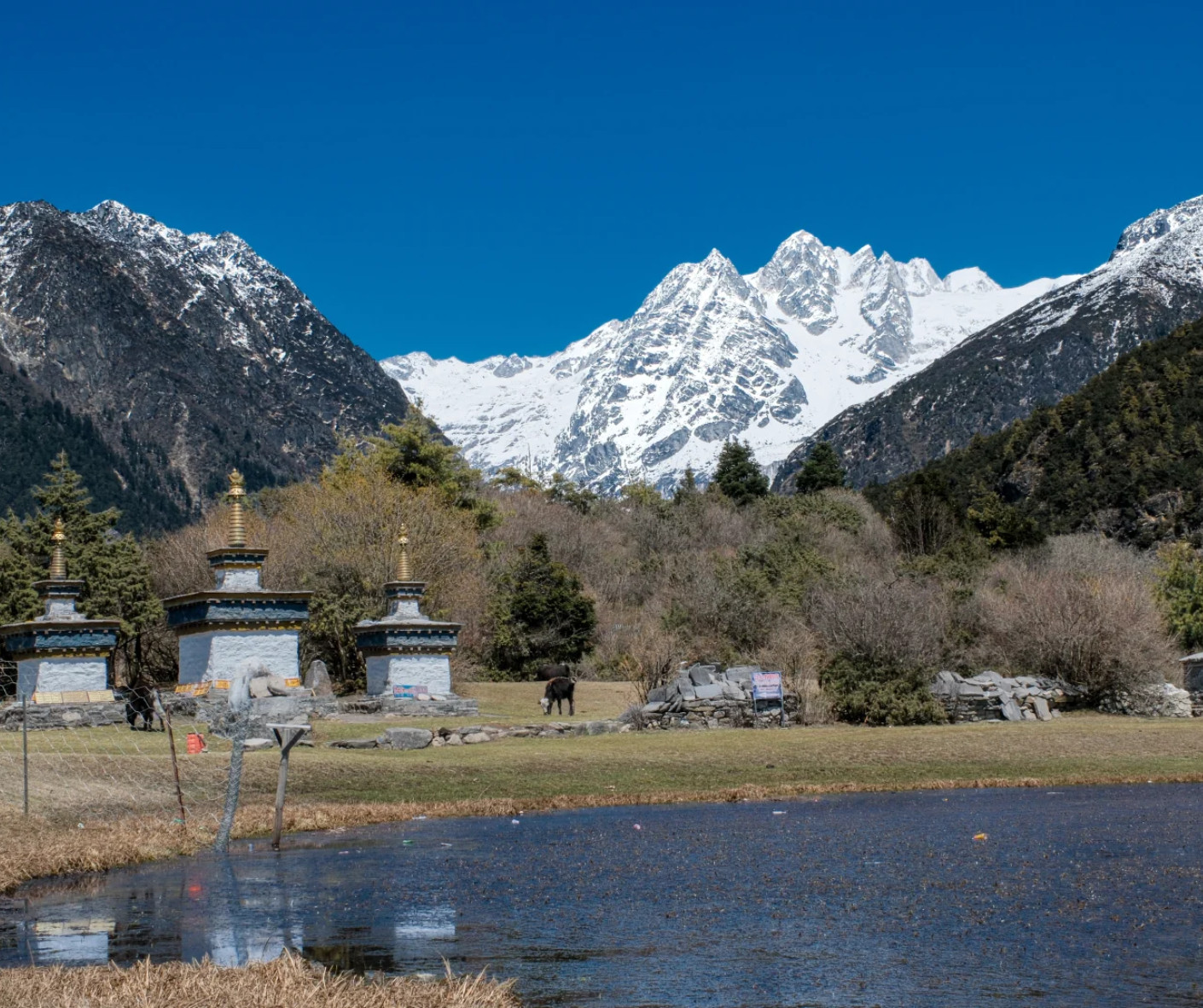
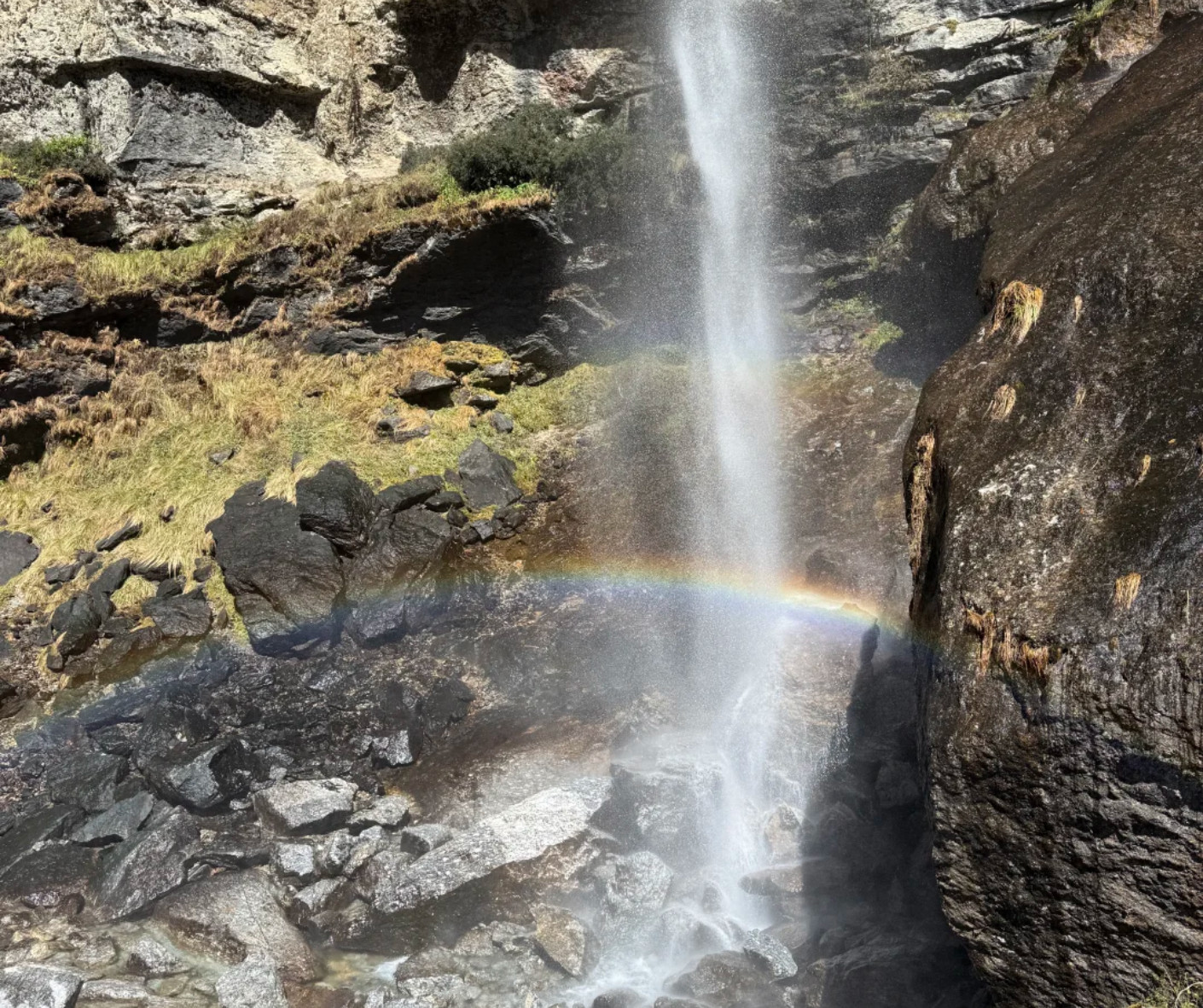
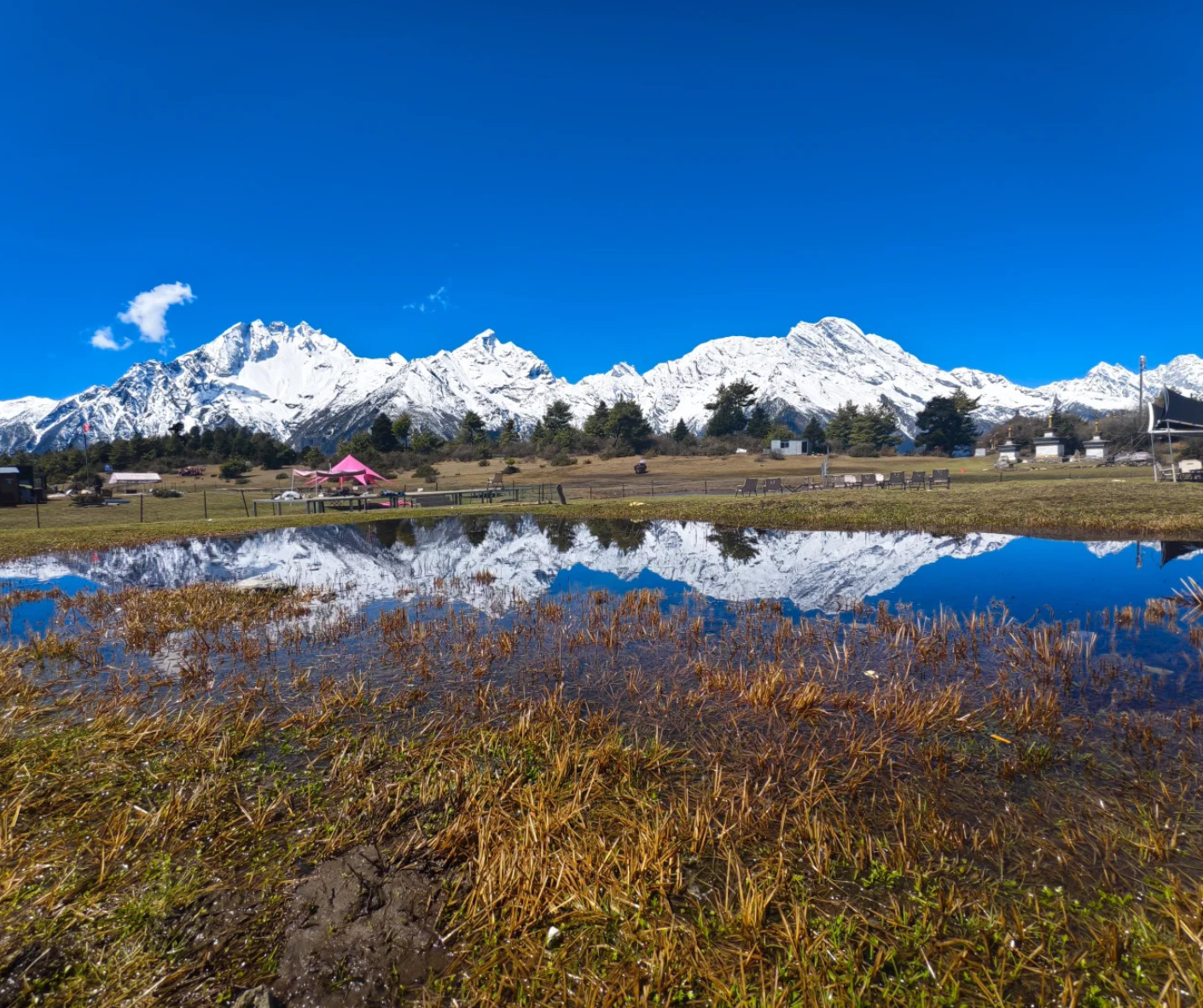
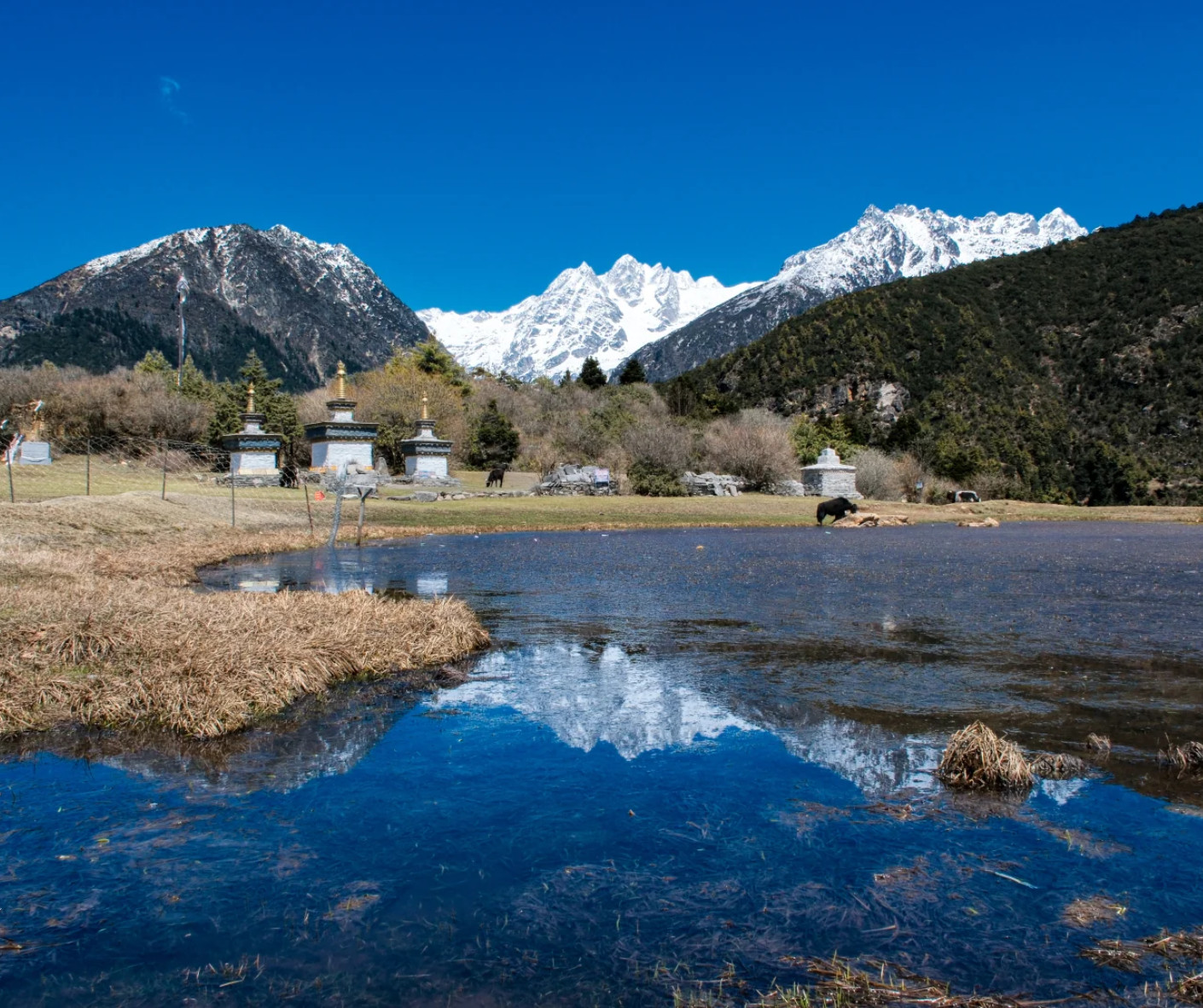
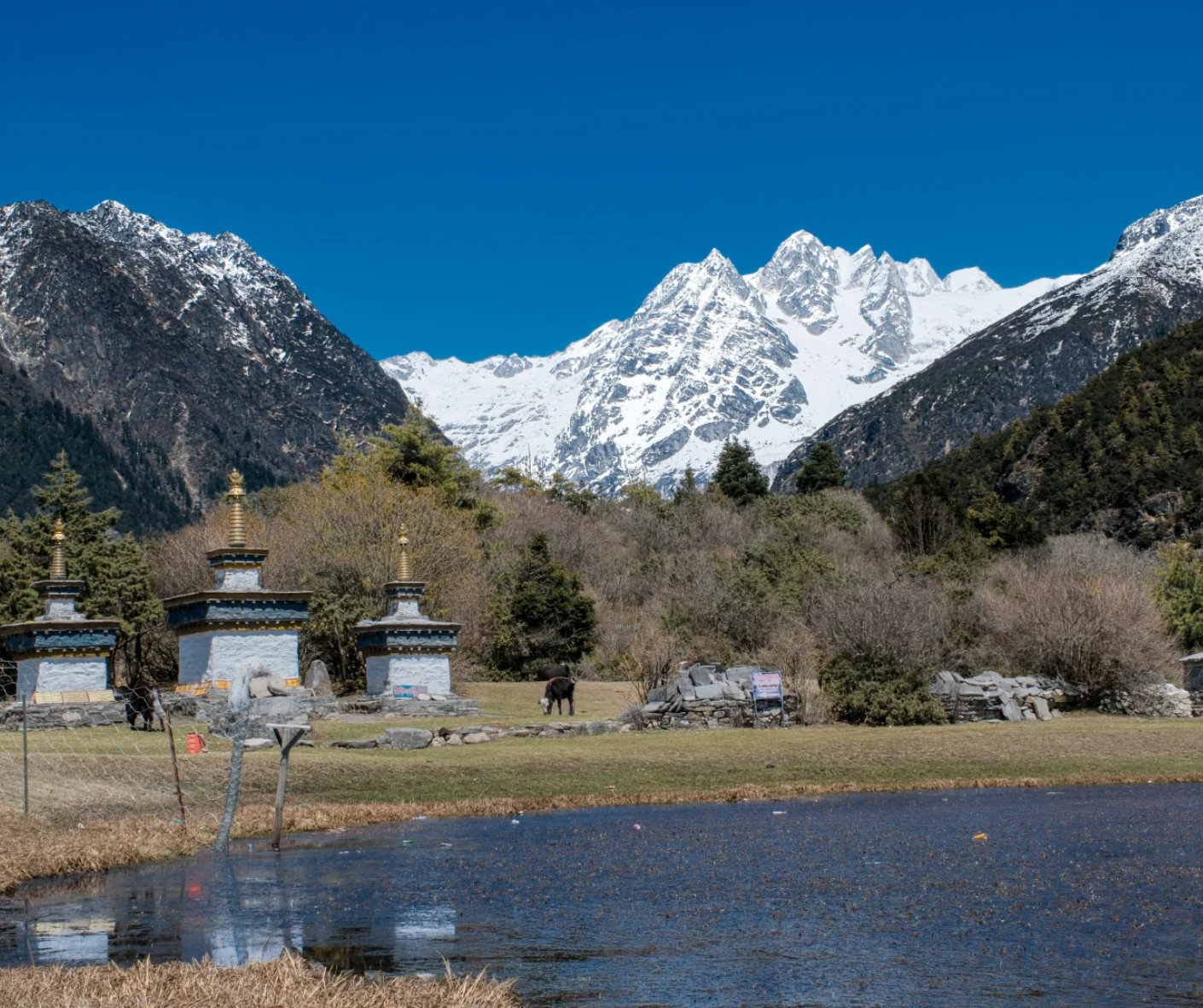
When you walk into Jilong Creek, it looks like a picture. The sky is a bright blue. White clouds float over snowy mountains. Green fields are covered with wildflowers. Terraces climb up the hills and shine with color. Kids play in the fields and smile. This shows how people and nature live together.
Blue skies and soft clouds
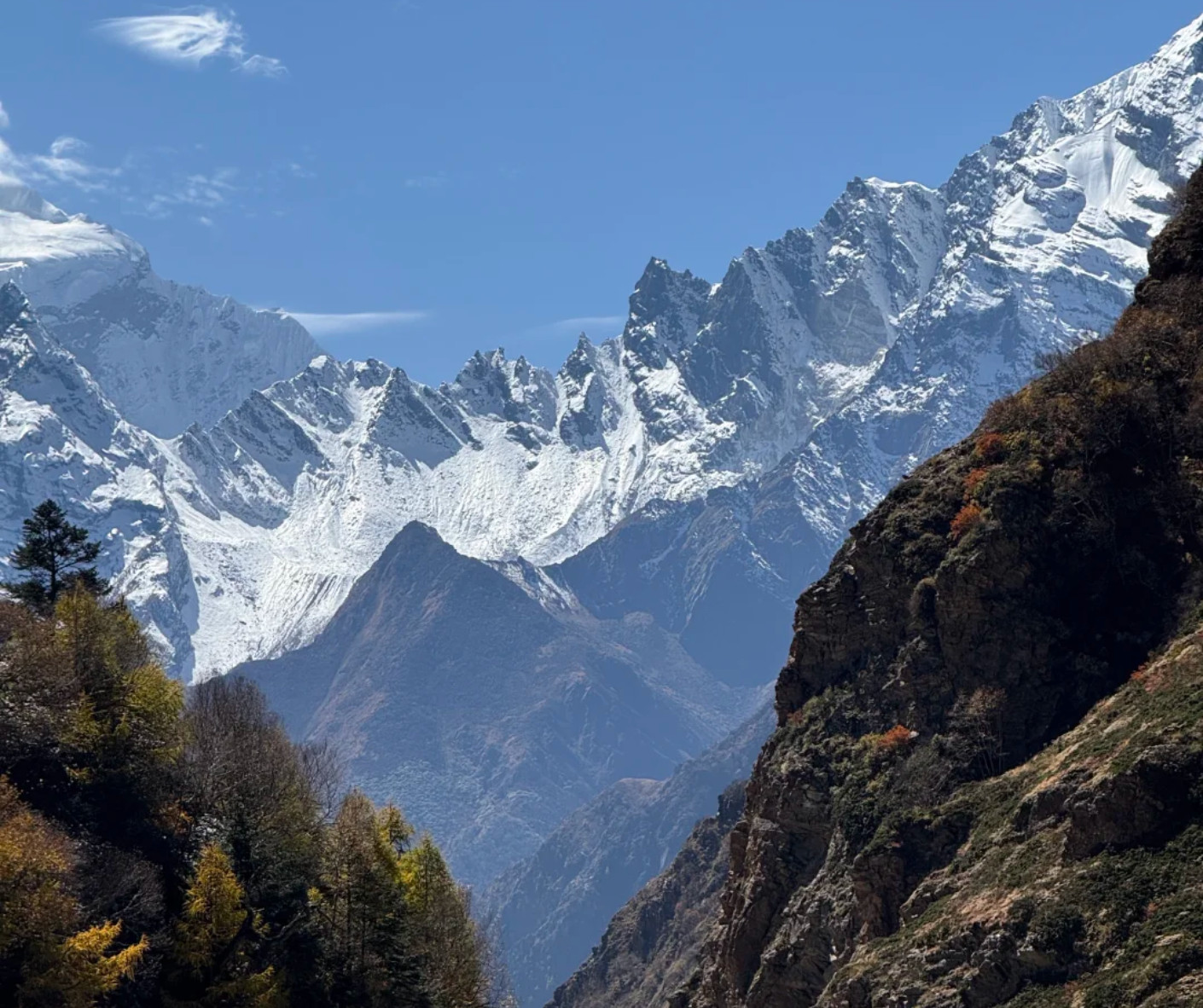
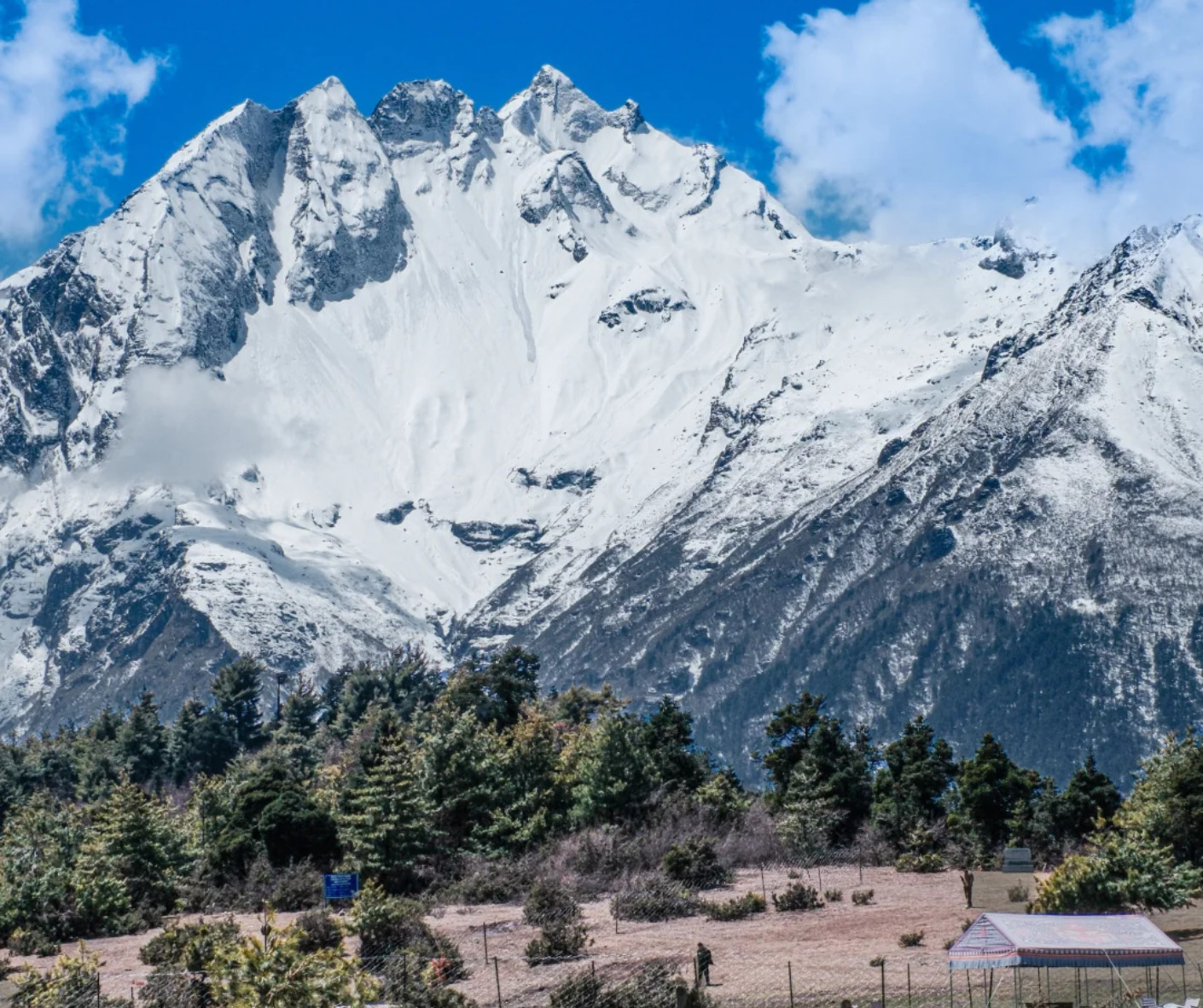
Tall snowy mountains
Terraces that look like paintings
Fields full of wildflowers
Happy kids and quiet villages
You can take photos or just look at the view. Every place you go has something new to see.
Cultural Encounters
Jilong Creek lets you see Tibetan culture. You might come when it is Tibetan New Year. People wear special clothes. They dance and do old traditions. These show their history. You can join the fun or watch people cook and decorate their homes.
Tibetan New Year parties
Old dances and costumes
Traditions that teach about the past
You learn about their ways and feel welcome in the village.
Outdoor Activities
You can walk on pretty trails. The air is clean and cool. The paths go through fields and woods. You can ride horses or have a picnic with locals. If you want more fun, ask China Explorer Tour for ideas. Their guides know secret places and help plan your day. They use smart tools and know the area well to make your trip easy.
Tip: China Explorer Tour has people who know Jilong Creek very well. They help you find the best places and have a great time.
Getting to Gyirong
Transportation Options
You want to reach gyirong and explore Jilong Creek. You have two main routes. You can travel from Kathmandu or Lhasa. Each route has its own challenges and rewards. Here is a simple table to help you compare your options:
Route | Distance | Duration | Notes |
|---|---|---|---|
Kathmandu to gyirong port | 160 km | 7-8 hours driving | Road conditions can be tough. No routine bus service. Sometimes landslides cause delays. |
Lhasa to gyirong port | 800 km | Over 16 hours | This is a long journey. Many travelers visit Mt. Everest or Mt. Kailash along the way. You need extra travel to reach the port. |
You can hire a private car or join a group tour. Some travelers use local drivers who know the roads well. You will not find regular buses, so planning ahead is important.
Route Tips
You need to prepare for the journey. The roads to gyirong port can change quickly. Landslides and weather may slow you down. You should check the latest travel news before you leave. Bring snacks and water. You may not find shops on the way.
If you travel from Kathmandu, you cross the border at gyirong port. You need your passport and visa ready. The border area can be busy. Sometimes you wait longer than expected. If you come from Lhasa, you see beautiful mountains and villages. The trip is long, so you should rest often.
Tip: Start early in the morning. You avoid traffic and reach gyirong port before dark.
Local Guides
You can make your trip easier with a local guide. Guides know the best routes and help with border checks. They speak the local language and solve problems fast. You get more from your visit when you travel with someone who knows gyirong well.
China Explorer Tour offers expert guides and custom travel plans. You get support before your trip and during your journey. Their team helps you book cars, find safe routes, and handle documents. You can relax and enjoy the scenery. If you want to explore hidden spots in Jilong Creek, their guides show you places that most travelers miss.
Note: China Explorer Tour gives you 24/7 support. You can ask questions anytime. Their guides make your trip smooth and fun.
Best Time for Jilong Creek
Weather Guide
You want to see the best of Jilong Creek, so timing matters. The weather changes a lot through the year. Summer brings the most color and life. You see green fields, wildflowers, and clear skies. The air feels fresh and cool. Autumn also feels nice. The leaves turn gold and red. Spring wakes up the valley with new plants and soft breezes. Winter feels quiet and cold. The land looks dry, and you see less green.
Here’s a simple table to help you plan:
Season | Climate Type | Average Temperature (°C) | Annual Rainfall (mm) | Best Travel Time |
|---|---|---|---|---|
Winter | Semiarid plateau monsoon | 2 | 300 – 600 | Less green |
Summer | Subtropical monsoon | 10 – 18 | 1000 | Best time |
Autumn | Subtropical monsoon | 10 – 13 | 1000 | Suitable |
Spring | Transition | Varies | Varies | Suitable |
Tip: Most travelers pick summer for the best views and weather. You get warm days and cool nights. Bring a jacket for the evenings.
Festivals & Events
You can make your trip special by joining local festivals. The Tibetan New Year, called Losar, happens in late winter or early spring. People dress in bright clothes and dance in the streets. You hear music and see families gather for big meals. Summer brings more village events. Locals celebrate harvests and hold horse races. You might see monks in colorful robes or watch a parade.
Losar (Tibetan New Year): Late winter or early spring
Summer Harvest Festivals: July to August
Horse Racing Events: Summer months
If you want to join these events, ask your guide for the exact dates. Local guides from China Explorer Tour can help you plan your visit around these festivals. You get a real taste of village life and culture.
Note: Festival times can change each year. Check with your guide before you book your trip.
Preparation Essentials
Packing List
You want to feel comfortable and ready for your trip to Jilong Creek. The weather can change fast, so pack layers. Bring a warm jacket for cool nights and a raincoat for sudden showers. Good walking shoes help you explore trails and villages. A hat and sunglasses protect you from the sun. Don’t forget sunscreen and lip balm. You might want a small backpack for snacks, water, and your camera. If you plan to visit temples, pack modest clothes that cover your shoulders and knees.
Quick Packing List:
Warm jacket
Raincoat or poncho
Walking shoes
Hat and sunglasses
Sunscreen and lip balm
Small backpack
Modest clothing for temples
Personal medicine
Tip: China Explorer Tour sends you a pre-departure checklist, so you won’t miss anything important.
Travel Documents
You need the right documents to enter Tibet and visit special places like Jilong Creek. Here’s a simple table to help you get ready:
Document Type | Description |
|---|---|
Tibet Travel Permit | You must get this through a travel agency before entering Tibet. |
Chinese Visa | You need this to enter China before you can apply for the Tibet permit. |
Alien’s Travel Permit | You need this for some areas, like Mount Everest Base Camp. |
Note: China Explorer Tour helps you with permits and gives you tips for a smooth entry.
Health & Safety
You travel to a high place, so you might feel the altitude. Drink water often and walk slowly at first. Bring any medicine you need, like for headaches or stomach aches. The sun feels strong, so use sunscreen. Wash your hands before eating. If you feel sick, tell your guide right away. China Explorer Tour gives you emergency contacts and safety tips before your trip.
Language Tips
Most people in Jilong Creek speak Tibetan or Chinese. You can learn a few simple words to greet locals. “Tashi Delek” means hello in Tibetan. Smiles work everywhere! If you travel with China Explorer Tour, your guide helps you talk with local people and explains what you see.
Tip: Download a translation app or carry a phrasebook for extra help.
Accommodation in Jilong Creek
Types of Stay
You can pick from a few places to sleep in Jilong Creek. Guesthouses are warm and friendly. You meet local families and eat their food. Small hotels have simple rooms with clean beds and hot water. Some people like homestays. You live with a family and see their daily life. If you want more comfort, try boutique lodges. These have mountain views and private rooms with nice things.
Types of accommodation:
Guesthouses 🏠
Small hotels 🛏️
Homestays 👨👩👧👦
Boutique lodges 🌄
Tip: Homestays help you learn about Tibetan culture.
Booking Advice
Book your room early, especially in summer or during festivals. Many places fill up quickly. Some rooms are online, but not all. A few guesthouses only take phone calls. China Explorer Tour can help you book and find good places. Their team knows which spots are safe and nice. You get help in English and avoid problems.
Here’s a quick table to help you compare booking methods:
Booking Method | Pros | Cons |
|---|---|---|
Online platforms | Easy, fast | Limited choices |
Phone reservation | More options | Language barrier possible |
Travel agency help | Expert advice, support | May cost extra |
Note: Always read reviews and ask about what is included before you book.
Recommended Areas
Stay near the main village for easy walks and shopping. The center of Jilong Creek has guesthouses and stores. If you want quiet, pick a lodge at the valley’s edge. You see mountains and wake up to calm mornings. Homestays in small villages show you local life. China Explorer Tour suggests areas that fit your needs. They help you find places for your style and budget.
Recommended areas:
Main village center
Valley edge lodges
Nearby village homestays
Tip: Ask your guide which area is best for your plans. You enjoy your trip more when you stay in the right place.
Top Things to Do in Jilong Creek
Must-See Spots
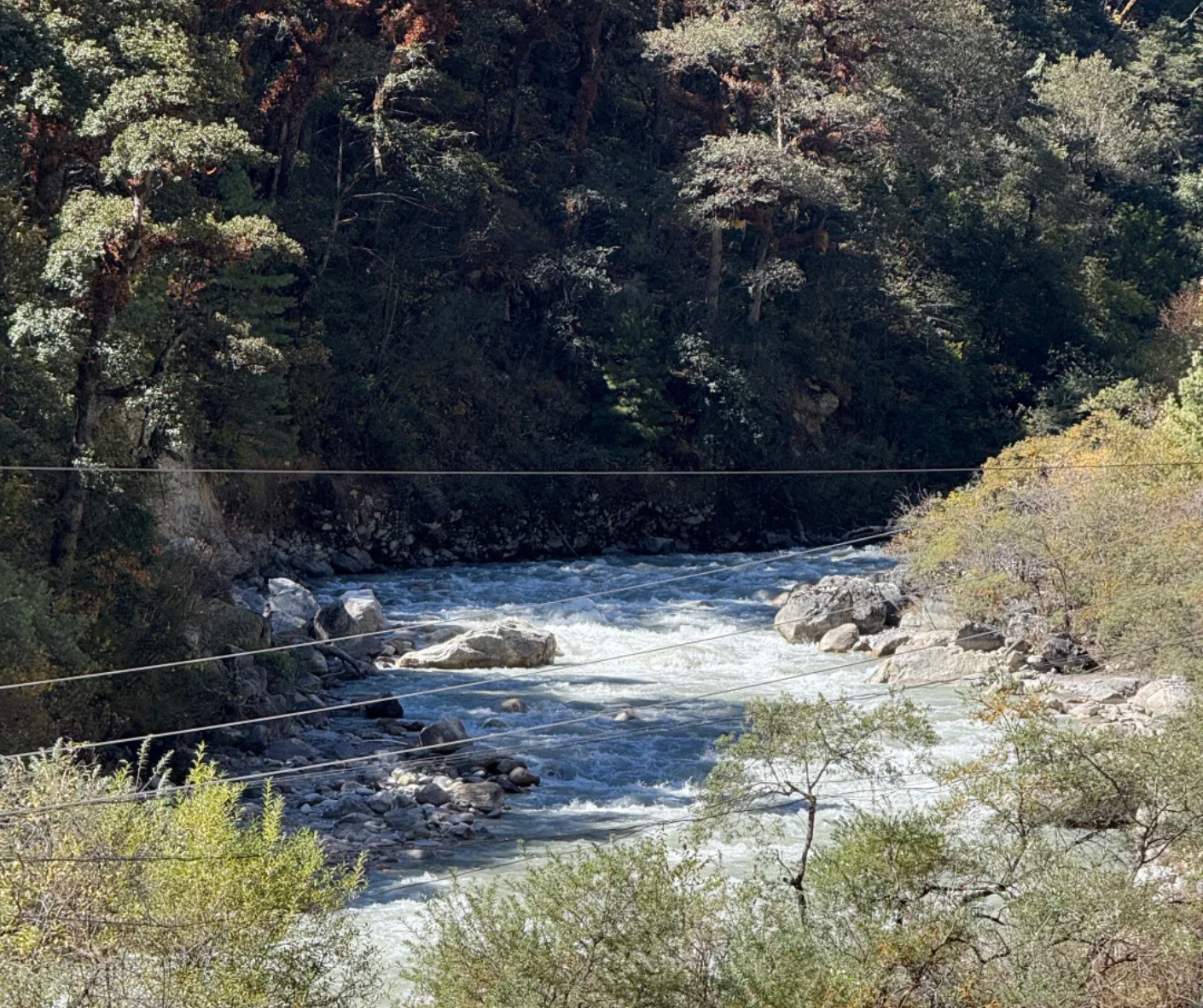
You want to see the heart of Jilong Creek. Start with the main village. You can walk through quiet streets and watch daily life. The fields around the village glow with wildflowers in summer. You hear the sound of water from the creek. Kids play near the terraces. You feel welcome everywhere you go.
Don’t miss Paba Monastery. This place stands out with its Nepalese-style roof and peaceful halls. You see monks in red robes and smell incense in the air. The monastery sits on a hill, so you get a wide view of the valley. Chaga Monastery is another special spot. It feels calm and old. You can sit in the courtyard and listen to the wind.
If you want to relax, visit the hot springs at Marla Mountain. The water feels warm and smooth. Locals say it helps your body heal. You can soak your feet and watch the clouds drift by.
Tip: China Explorer Tour can help you plan your route. Their guides know the top places to visit and share stories you won’t find in books.
Hiking & Photography
You love nature? Jilong Creek gives you many trails and photo spots. You can hike up to mountain passes or stroll along the creek. Every path shows you something new. The air feels fresh and the views stretch for miles.
Here’s a table with some of the best hiking and photography locations:
Location | Description |
|---|---|
Yangzhola Pass (羊卓拉) | You see Mount Xixiabangma and the whole Himalayan range. The view is huge and clear. |
Qionguola and Meilazhaqing Passes | These passes lead you to snowy peaks and bright glaciers. You feel small next to the mountains. |
Paba Monastery (帕巴寺) | The monastery mixes culture and scenery. You can take photos of the building and the valley. |
Chaga Monastery (查嘎寺) | This spot feels quiet. You can capture the old walls and the peaceful faces of monks. |
Hot Springs of Marla Mountain (玛拉山温泉) | The steam from the springs makes cool photos, especially in the morning. |
You can bring your camera or just use your phone. The light changes fast, so every hour looks different. If you want to find secret spots, ask your guide. China Explorer Tour’s team knows where to catch the best sunrise or sunset.
Note: Always carry water and snacks. The trails can be steep, but the views are worth it.
Local Experiences
You want to feel the real life of Jilong Creek. Join a family for a meal. You taste yak butter tea and homemade bread. You can help pick vegetables or watch people weave cloth. The villagers love to share their stories.
Try a picnic by the creek. You sit on soft grass and listen to birds. Sometimes, you see herders lead yaks across the field. You can join a dance during a festival or learn simple Tibetan words from children.
If you want a deeper experience, China Explorer Tour offers curated itineraries. Their guides set up visits with local families and arrange hands-on workshops. You can learn to cook, paint, or even try traditional music. These moments help you understand the heart of the valley.
Tip: Bring a small gift from your home. Villagers enjoy sharing and will remember your kindness.
You leave Jilong Creek with new friends and memories that last.
Practical Travel Tips
Money & Payments
You will find that cash is still king in Jilong Creek. Most small shops and guesthouses only accept Chinese yuan. ATMs are rare, so bring enough cash for your whole stay. Large hotels in bigger towns may take cards, but don’t count on it. Mobile payments like WeChat Pay or Alipay work in some places, but you need a Chinese bank account to use them. If you join a tour, ask your guide to help with payments or change money.
Tip: Break your bills into smaller notes. Many vendors can’t give change for large bills.
Connectivity
You want to share your trip or check maps. Internet can be slow or spotty in the valley. Some guesthouses offer Wi-Fi, but it may not reach your room. Mobile signal works best in the main village. Buy a Chinese SIM card before you travel the scenic road to Jilong Creek. China Mobile and China Unicom have the best coverage. Download offline maps and translation apps before you arrive.
Quick Connectivity Checklist:
Buy a SIM card in a big city
Download offline maps
Save important contacts
Customs & Etiquette
You will meet friendly people in Jilong Creek. Smile and greet locals with “Tashi Delek.” Always ask before taking photos of people or inside temples. Dress modestly, especially when visiting monasteries. Take off your hat and sunglasses before entering a home or religious site. Show respect by using both hands when giving or receiving something. Avoid touching people’s heads, as it is considered sacred.
Note: Small gifts from your home country make a good impression.
Emergency Contacts
You want to feel safe during your trip. Save these numbers on your phone:
Service | Number |
|---|---|
Police | 110 |
Ambulance | 120 |
Fire | 119 |
China Explorer Tour Support | Provided in your pre-departure pack |
If you need help, contact your guide or call China Explorer Tour’s 24/7 support. They can help with translation, health issues, or travel changes.
Tip: Keep a paper copy of emergency contacts in your bag.
You now have everything you need to start your adventure in Jilong Creek. You know the best sights, how to get there, and how to connect with local culture. Expert guides make your journey smooth and fun. If you want a trip that fits your style, China Explorer Tour offers custom plans and support every step of the way.
Ready to explore? Check out these ways China Explorer Tour helps you plan your perfect trip:
Strategy | How It Helps You |
|---|---|
Multi-language booking | Makes planning easy, no matter where you’re from |
Seamless payment options | Keeps your booking safe and simple |
Proactive support throughout your trip | Answers your questions anytime |
Start planning today and turn your dream trip into reality!
FAQ
What is the best way to book a trip to Jilong Creek?
You can book online or ask China Explorer Tour for help. Their team makes booking easy and safe. You get support in English and clear prices.
Do I need a special permit to visit Jilong Creek?
Yes, you need a Tibet Travel Permit. China Explorer Tour helps you get all the documents. You just send your passport details and they handle the rest.
Can I use my phone in Jilong Creek?
You can use your phone in the main village. Buy a Chinese SIM card before you arrive. Download offline maps and translation apps for better access.
What should I do if I feel sick from the altitude?
Drink water and rest. Tell your guide right away. China Explorer Tour gives you emergency contacts and quick help if you need medical care.
How can I meet local families or join cultural activities?
Ask your guide for local experiences. China Explorer Tour arranges family visits, workshops, and festival tours. You get to join real village life and make new friends.
See Also
Essential Advice for Newcomers Exploring Huoshizhai
Comprehensive Instructions for Exploring Qarhan Salt Lake
Key Information for Travelers to Liupan Mountain
Important Details to Consider Before Xumishan Grottoes Visit