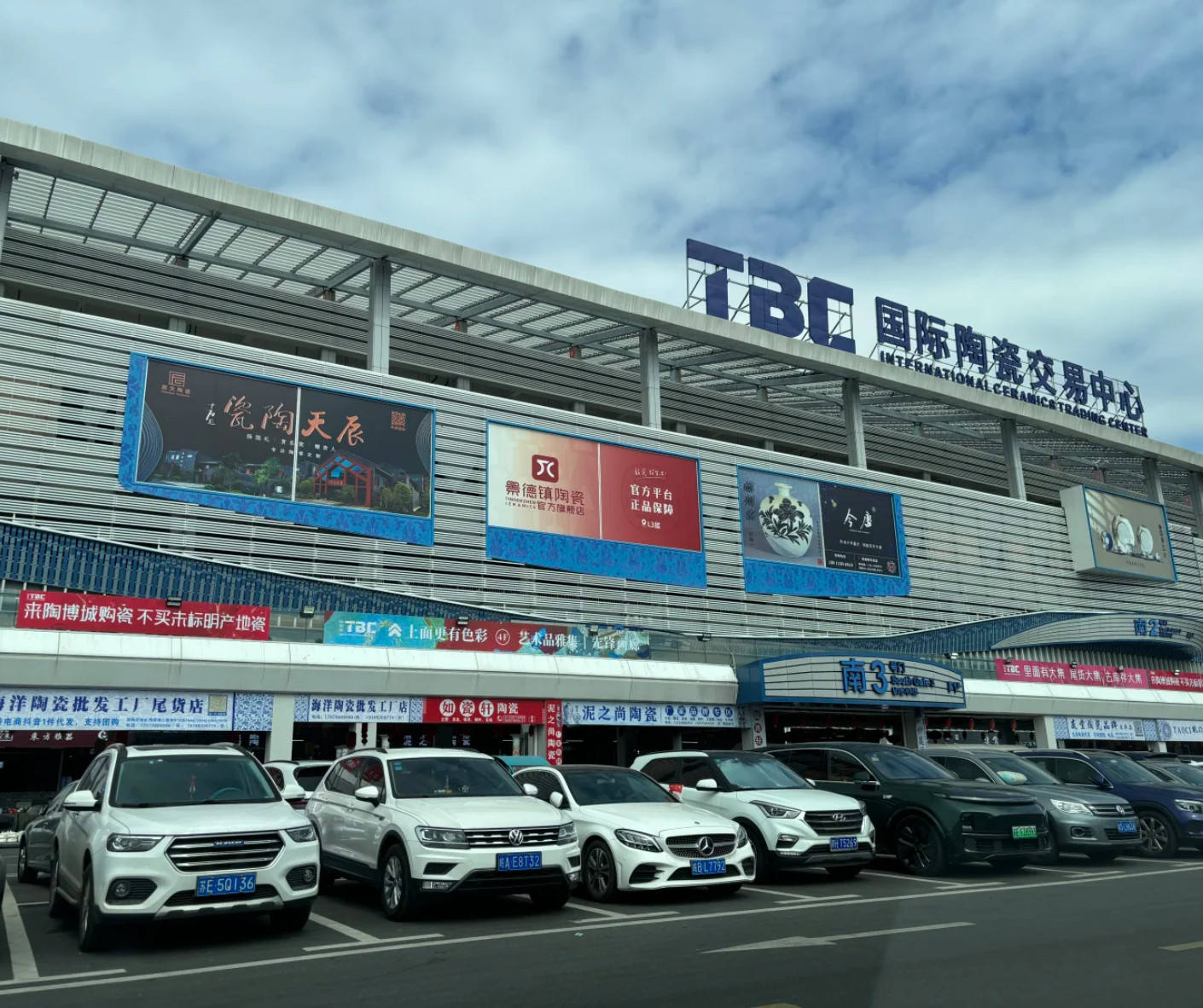
You can get ceramics at an International Ceramics Trade Center easily if you plan ahead and learn about the market. Many buyers have trouble with suppliers who are not trustworthy, confusing choices for customization, and contracts that are not strong. You should check for well-known quality certifications and make sure you know the import rules. Talking clearly helps you stop mistakes and late orders. If you pay attention to these things, you will find the ceramics that fit what you want.
Key Takeaways
Make a plan early to find good ceramic suppliers. Learn about certifications and import rules so you do not have problems.
Go to big trade events like Ceramics China and Foshan Uniceramics Expo. You can meet manufacturers and look at new products there.
Try local tours like China Explorer Tour for hands-on learning. You can also make friends with artisans on these tours.
Look for certifications to check ceramics quality. Always look at products closely for defects before you buy them.
Talk clearly with manufacturers to build trust. This helps you get better deals for your ceramic orders.
Top International Ceramics Trade Centers
Leading Countries and Cities
Many countries have important international ceramics trade centers. China is the leader. Jingdezhen is called the “Porcelain Capital.” It has shaped ceramics for over 1,500 years. Emperor Zhenzong made it famous by naming it the main place for porcelain. This made Jingdezhen the center for making ceramics in China during the Ming dynasty. Today, many ceramic manufacturers in Jingdezhen keep old traditions alive.
Italy is also important in ceramics. Faenza and Sassuolo have a long history with ceramic manufacturers. These cities are famous for pretty tiles and pottery. Spain has cities like Castellón. They have many ceramic manufacturers who make modern designs and high-quality products.
Poland is another key country. Bolesławiec is a big trade hub for ceramics. You can visit and watch skilled local manufacturers work. The city has a Ceramics Festival every year. It brings buyers and tourists from all over the world. Pottery from Bolesławiec is known for special patterns and strong craftsmanship.
Turkey, Japan, and India also have international ceramics trade centers. Each country has its own style and group of ceramic manufacturers. These centers give you lots of choices when you want to buy ceramics.
Major Trade Events and Hubs
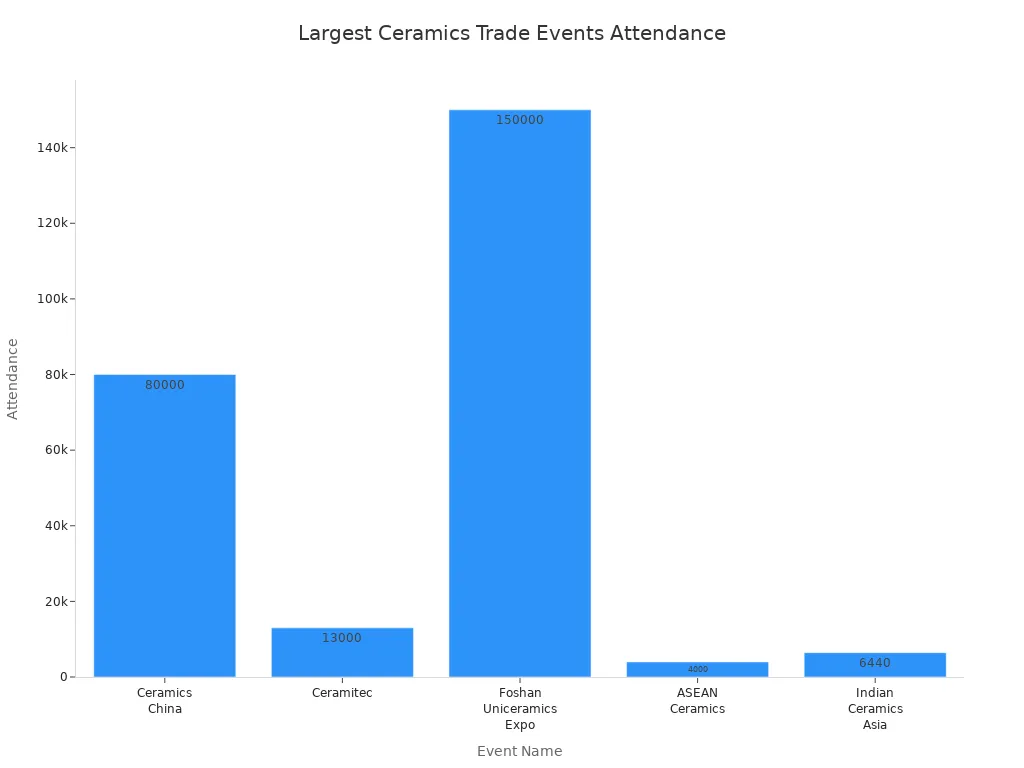
You can meet ceramic manufacturers at big trade events. These events bring buyers, sellers, and experts from everywhere. Here is a table showing the biggest international ceramics trade events each year:
Event Name | Location | Attendance |
|---|---|---|
Ceramics China | Guangzhou, China | 80,000 |
Ceramitec | Munich, Germany | 13,000 |
Foshan Uniceramics Expo | Foshan, China | 150,000 |
ASEAN Ceramics | N/A | 4,000 |
Indian Ceramics Asia | Gujrat, India | 6,440 |
Foshan Uniceramics Expo in China is the biggest, with 150,000 visitors. Ceramics China in Guangzhou also has a huge crowd. These events are good places to meet ceramic manufacturers, see new products, and learn about trends.
Bolesławiec in Poland is another popular hub. The city’s culture and skilled manufacturers make it a top choice for buyers. You can go to the Ceramics Festival to see great pottery and meet local manufacturers.
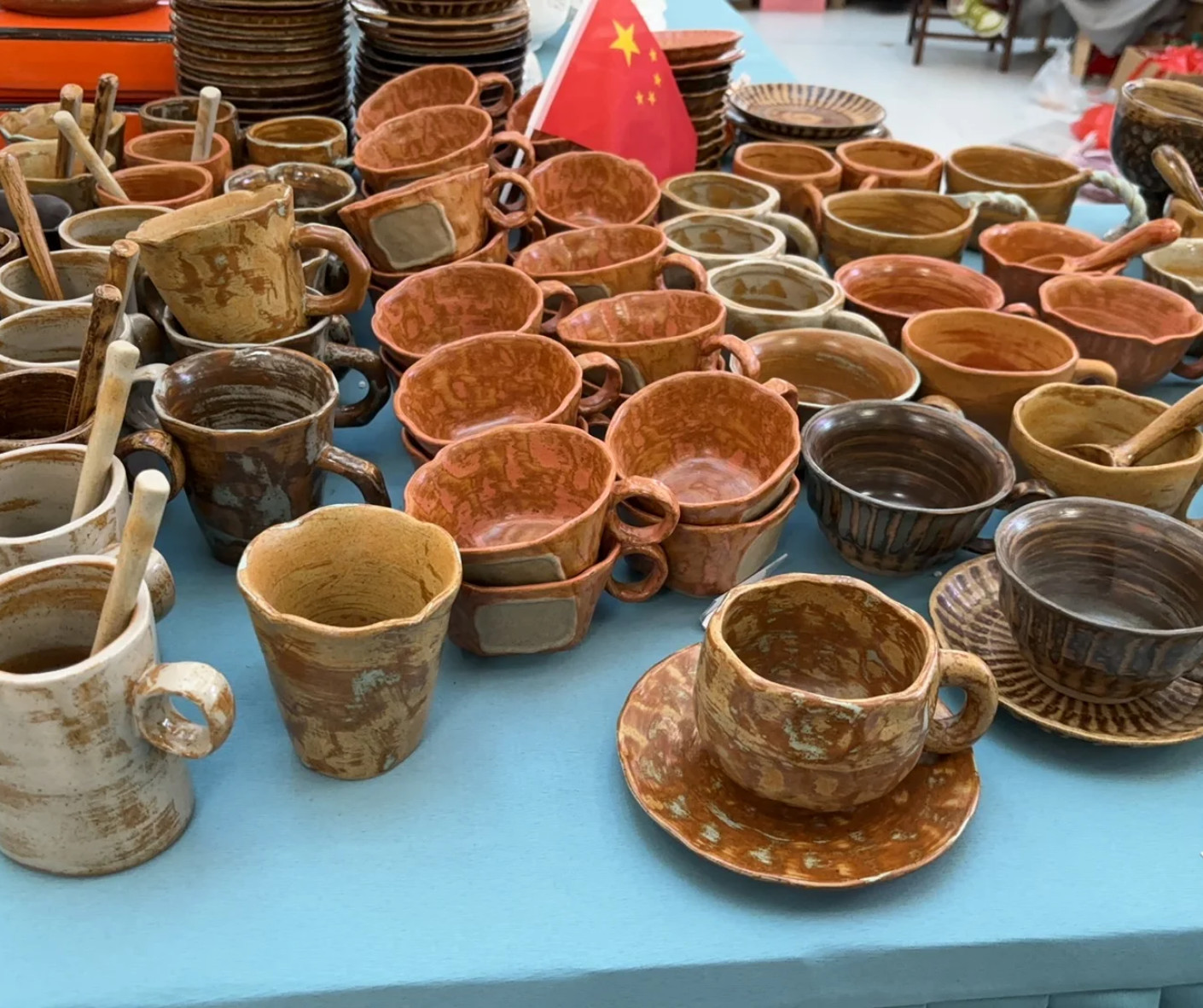
China Explorer Tour for Local Sourcing
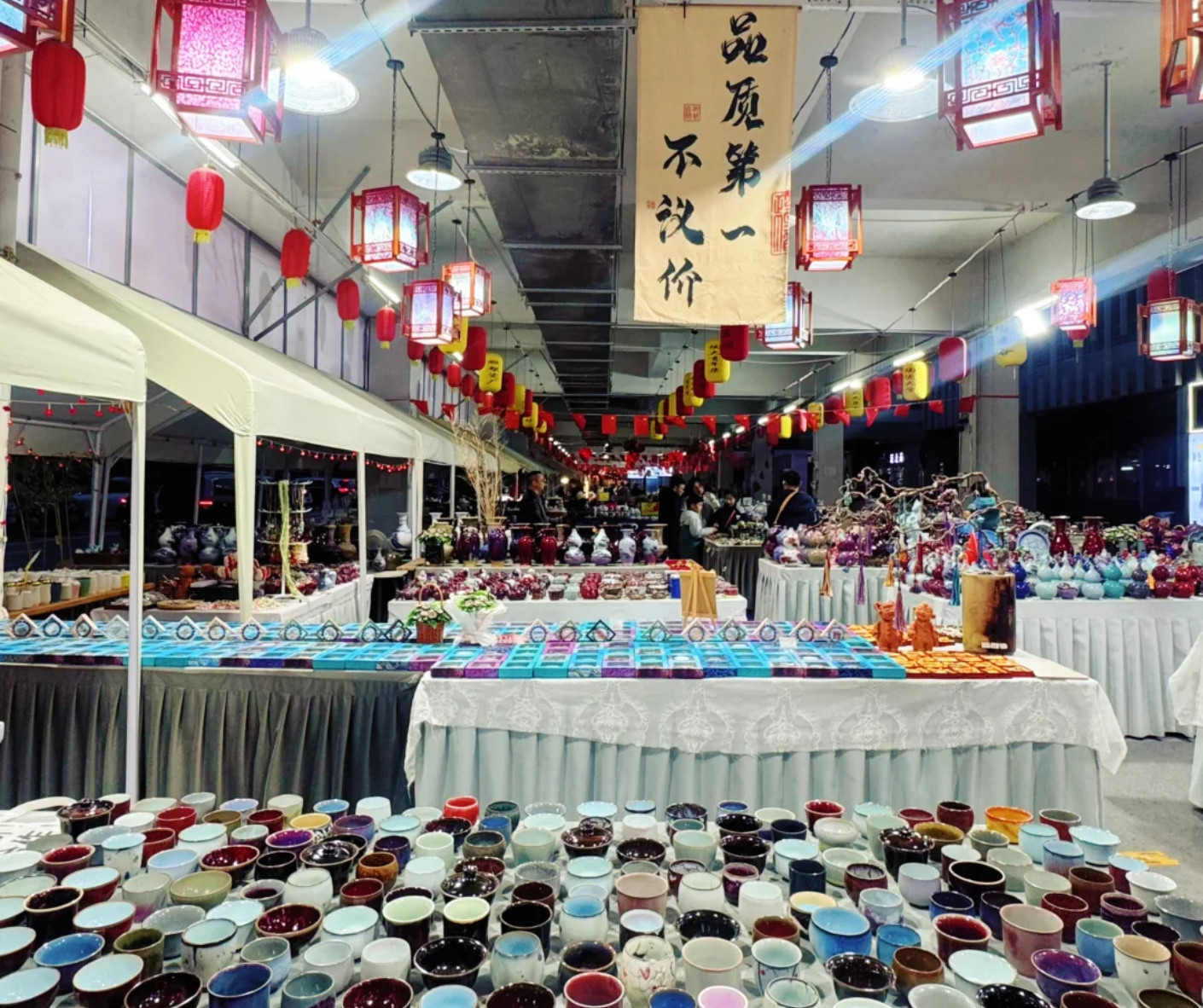
You can make your sourcing trip easier with local help. China Explorer Tour lets you have real experiences at any international ceramics trade center in China. You can join the Jingdezhen Ceramic Culture Tour. You visit old kilns, work in traditional workshops, and meet local ceramic manufacturers. You can even try making blue-and-white porcelain.
A special tour gives you many benefits:
You meet local artisans in Tongguan. Manufacturers there have learned skills for generations.
You see eco-friendly ways to make ceramics. This helps you buy ceramics in a green way.
You get help with business visits to studios and meetings with skilled ceramic manufacturers.
You do not need to worry about language problems or missing cool places. China Explorer Tour makes things easy. You can focus on finding the right ceramics and making good relationships with manufacturers.
Tip: Local guides can help you learn about the culture and business at each international ceramics trade center. This makes your sourcing trip better.
Tips for Evaluating Ceramics Quality
When you go to trade centers, you want to pick the best ceramics. These tips will help you check quality and make good choices.
Types of Ceramics
You will find many types of ceramics at trade centers. Each type is different and has its own use. The three main types are stoneware, porcelain, and earthenware. You can use this table to compare them:
Type | Firing Temperature | Density | Durability | Use Case |
|---|---|---|---|---|
Stoneware | High | Dense | Very durable | Everyday use, resistant to damage |
Porcelain | Higher than stoneware | Very dense | Extremely durable | Formal occasions, versatile |
Earthenware | Low | Light | Less durable | Decorative purposes, more affordable |
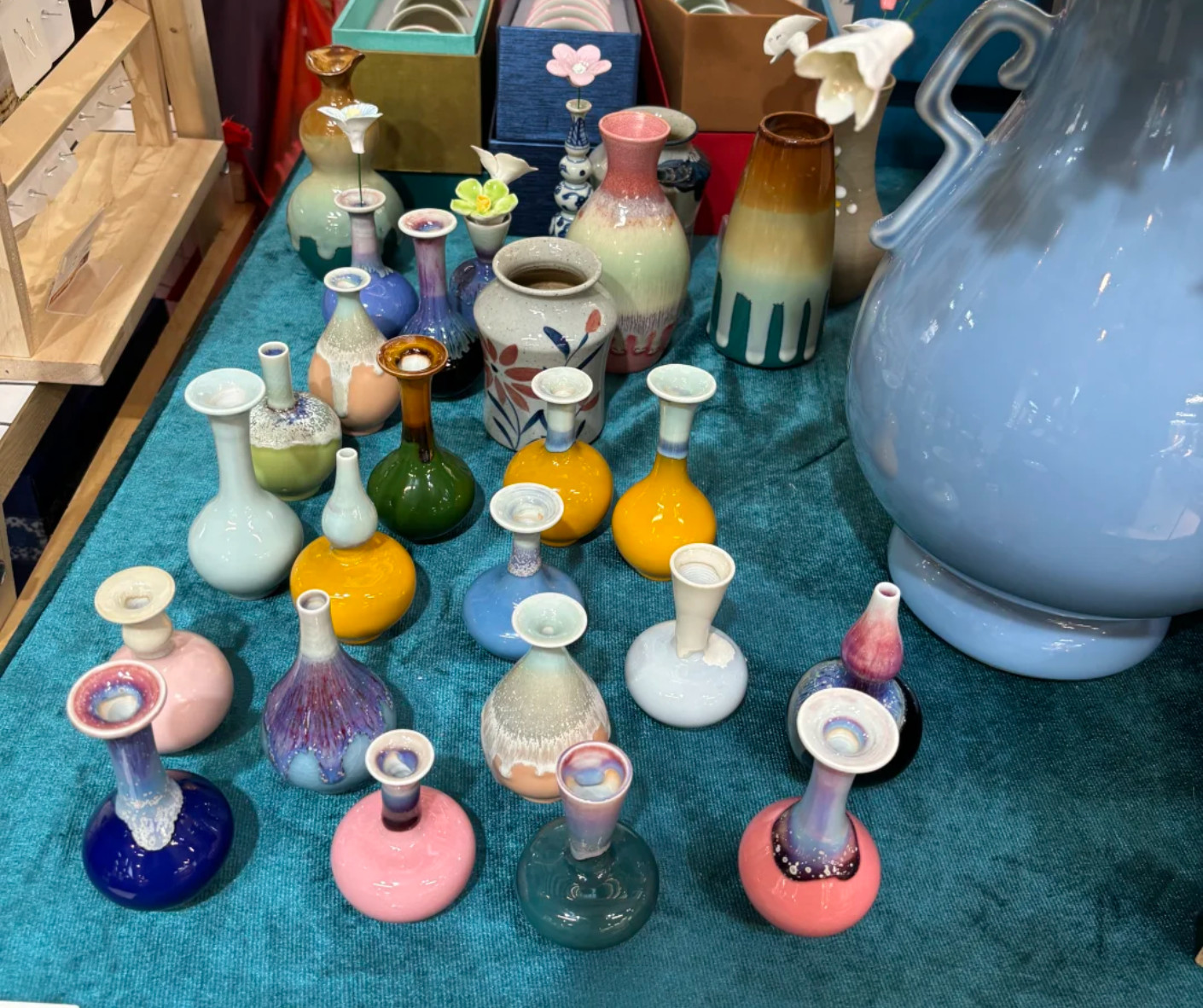
Stoneware is good for daily use because it does not break easily. Porcelain is smooth and shiny. You can use it for special meals or as ceramic foodware. Earthenware is cheaper and often has bright colors. Many manufacturers sell all three types, so you can choose what you like.
Quality Standards and Certifications
You should check if manufacturers follow international standards. These rules help you know the ceramics are safe and good quality. Here is a table of common certifications you might see:
Certification | Description |
|---|---|
ISO 9001:2015 | Quality management system for consistent quality and customer satisfaction |
ISO 14001:2015 | Environmental management system for better resource use and compliance |
ISO 45001:2018 | Occupational health and safety management |
EMAS | EU initiative for improving environmental performance |
MOCA | Hygiene requirements for ceramic foodware and cookware |
LEED Certification | Points for green building projects |
EPD | Information about environmental impact over the product lifecycle |
If you want ceramic foodware, look for MOCA certification. This means the product is safe to use with food. Many ceramic manufacturers show these certificates at their booths. If you do not see them, you can ask to look.
Inspection and Selection Tips
You need to check ceramics before you buy them. Many buyers use third-party inspection agencies. These groups check the products at different times. Here is how the process works:
Inspection Stage | Purpose |
|---|---|
Initial Production Check (IPC) | Checks raw materials and early production |
During Production Inspection (DPI) | Finds problems before production finishes |
Final Random Inspection (FRI) | Confirms quality before shipment |
You can also check the ceramics yourself. Look for problems like pores, cracks, or shapes that are not even. The table below shows some defects you might see:
Defect Type | Description |
|---|---|
Processing Defects | Pores and flaws from grinding |
Specimen Size Impact | Size and shape can affect strength |
Fractography | Shows where a defect started after a break |
Failure Stresses | Weak spots can lower the strength of the ceramic |
Non-destructive Eval | Finds weak ceramics but does not guarantee quality |
Tip: Always ask manufacturers if you can check samples. Good ceramic manufacturers will let you look at their products closely. You can tap ceramic foodware gently. If it makes a clear ringing sound, it is usually good quality.
You should also look at the glaze. It should be smooth and even. If you see bubbles or rough spots, the quality may not be good. Trusted manufacturers will answer your questions and tell you how they make ceramics. This helps you trust them and pick the right ceramics for your needs.
Building Supplier Relationships at Trade Centers
Communication and Trust
You need to make good relationships with manufacturers, wholesalers, and stockists at trade centers. Talking clearly helps you stop mistakes and late orders. You should always be polite and act in a professional way. This shows you respect the work of manufacturers and wholesalers. If you give many ways to contact you, like email, phone, or messaging apps, it is easier for manufacturers and stockists to talk to you. Many wholesalers make an FAQ page to answer common questions. This helps manufacturers and ceramic manufacturers feel sure about working with you. Trust grows when you answer fast and clearly.
Tip: Good relationships with ceramic manufacturers and wholesalers can help you get better deals and get your customization requests done first.
Negotiation and Wholesale Tips
You need to use smart ways when you talk about deals with manufacturers and wholesalers. These tips can help you get the best wholesale deals:
Show you are sure of yourself when you talk to ceramic manufacturers and wholesalers. This helps you build trust.
Be ready to change your mind. Sometimes you need to meet manufacturers or stockists halfway to make a good deal.
Always talk in a clear way. This stops confusion and helps you and ceramic manufacturers understand each other.
Know when to say no. If a deal does not work for you, you should look for other manufacturers or wholesalers.
Try to find deals that help both you and the ceramic manufacturers win.
If you follow these steps, you can get good wholesale deals and handle international wholesale orders with less worry.
Cultural Insights with China Explorer Tour
You can make better relationships with manufacturers, wholesalers, and stockists if you learn about local culture. China Explorer Tour gives you local guides who know the customs and business rules of ceramic manufacturers in China. These guides help you talk to manufacturers and wholesalers when you visit trade centers. You learn how to greet ceramic manufacturers, what gifts to bring, and how to talk about customization. This knowledge helps you build strong relationships and trust. China Explorer Tour also sets up meetings with manufacturers and stockists, so you can focus on making partnerships and finding new customization ideas.
Note: Local help from China Explorer Tour makes your trade center visits easier and helps you get more done.
Importing Ceramics: Logistics and Regulations
Import Requirements and Documentation
You have to follow steps when you import ceramics. Customs officers want to see the right papers. You need a pro forma invoice and a commercial invoice. You also need a bill of entry and a certificate of insurance. Sometimes you need a letter of credit or an import license. If you use bonded warehouses, you may need a customs bonded document. Labels on ceramics must show where they are made. They must show the manufacturer and if they are safe for microwaves or dishwashers. Ceramic manufacturers must give certificates for FDA lead and cadmium limits. Customs officers check these papers to make sure you follow the rules. You also need to know the right tariff code from the Harmonized Tariff Schedule. This helps you figure out how much you pay for import duties.
Tip: Customs rules change a lot. Always check the newest rules before you import ceramics.
Duties, Taxes, and Compliance
Customs officers collect taxes and duties by region. You need to know the rates for ceramic wholesale. The table below shows the main rates for importing ceramics in 2026:
Region | Type of Duty | Rate (%) |
|---|---|---|
EU | Anti-dumping | 13.9 – 69.7 |
Canada | MFN Duty | 0 – 8 |
US | Effective Duty | 35 – 100 |
Australia | ChAFTA Rate | 0 |
The EU has high anti-dumping duties for ceramic wholesale from China. Some ceramic manufacturers pay up to 79%. The US has high duties too. Australia does not charge duties because of ChAFTA. Customs officers check if you pay the right taxes. You must follow FDA and EPA rules for ceramic foodware. Ceramic manufacturers must show their products
. You can avoid problems by working with licensed customs brokers. You should learn about the rules for importing ceramics.
Note: Customs want you to keep all your papers for ceramic wholesale. You must show proof if customs officers ask.
Shipping and Handling
You need to keep ceramics safe when you ship them. Ceramic wholesale needs good packing. Double boxing is the best way. First, wrap the ceramic piece. Put it in a small box. Then put that box in a bigger box with soft packing. Use foam peanuts, paper, or air pillows to fill spaces. Seal the box with strong tape. Write “fragile” on every side. Customs officers handle many boxes, so clear labels help. Shake the box to test it. If the ceramic moves, add more packing. Pick carriers who know how to move fragile things. Ceramic manufacturers and wholesalers use these steps to stop breakage. Customs may open boxes, so pack the same way every time.
Tip: Ceramic wholesale shipments need extra care. You must follow customs rules and pack well to stop damage.
Practical Wholesale Tips and Sustainable Sourcing
Pricing and Cost Management
You have to watch your costs when you buy ceramics. Prices change because of raw materials, how hard the process is, design changes, how much you order, and quality rules. These wholesale tips can help you make money and not pay extra fees:
Know your costs. This helps you set prices that cover what you spend and still make money.
Learn what buyers want. You can change your prices to fit the market.
Keep your quality high. Good products let you charge more and get loyal buyers.
You should look for hidden fees by doing these things:
Ask for an absorption rate report. Porcelain should be under 0.5% to stay clean and strong.
Get lead and cadmium test results from labs. This makes sure you follow FDA or EU rules.
Check the firing temperature. High-fire cycles (1250°C+) make ceramics strong.
Do a flatness check. Put items on a flat table to see if they wobble or stack well.
Look at the glaze in bright light. Watch for tiny holes, cracks, or thin spots.
Check drop test results. Export boxes should pass an 80-100cm drop test.
You can talk with manufacturers and wholesalers to get better deals. Always ask for clear prices and check for extra costs. These wholesale tips help you save money and earn more.
Order Tracking and Inventory
You need to keep track of orders and stock to stop mistakes and late shipments. Many manufacturers and wholesalers use digital tools to help. You can pick from these features:
Feature | Description |
|---|---|
Cloud-based inventory management | Lets you see your stock anytime and in many places. |
Batch tracking | Helps you check quality by following items in groups. |
Serial number tracking | Good for expensive items to keep records right. |
Integration with e-commerce | Makes online sales easy by linking with websites. |
RFID technology | Makes counting stock faster and cuts mistakes. |
Big data analytics | Shows which products sell best and helps you plan. |
Cloud systems let you see your stock whenever you want. Batch tracking helps you find problems and check quality. Serial number tracking is good for costly ceramics. RFID makes counting fast and easy. Big data analytics tells you what sells well and helps you order smart. You can work with manufacturers and wholesalers who use these tools to make trading simple.
Sustainable Sourcing Practices
You should use sustainable sourcing to help the planet and follow world rules. Top manufacturers and wholesalers use new ways to lower harm. You can look for these actions:
Sustainable Practice | Description |
|---|---|
Sustainable mining practices | Remote sensing makes the supply chain stronger and clearer. |
AI-driven exploration | Satellites help find minerals and plan better. |
Eco-friendly extraction methods | These ways are now normal in the industry. |
Cleaner energy sources | Manufacturers use cleaner energy to help the environment. |
Advanced emissions control systems | These systems help meet world green rules. |
Recycling initiatives | More recycling means less waste and better sustainability. |
Prioritizing green suppliers | Picking green suppliers helps you follow the rules. |
Market access facilitation | Following green rules helps manufacturers sell in more places. |
You can ask manufacturers and wholesalers about their energy and recycling. You can pick suppliers who use green methods and control pollution. You can also choose green suppliers to follow trade rules and sell more. Sustainable sourcing helps your reputation and brings buyers who care about the earth.
Tip: You can join a China Explorer Tour to see manufacturers who use green ways. Local guides show you how ceramics are made and take you to eco-friendly workshops. This makes your wholesale buying better for the planet and your business.
You can find ceramics easily at international trade centers in 2026. First, learn about manufacturers and what they make. Go to trade centers and meet manufacturers and wholesalers face-to-face. Look at the quality and ask questions if you need to. When you trust manufacturers, you can get better deals. Start planning your trip now. Talk to trusted suppliers and have a simple sourcing experience.
FAQ
How do you find reliable ceramic suppliers at trade centers?
Check if suppliers have the right certificates. Ask them for references from other buyers. Go to their booths at trade events to see their products. Local guides from China Explorer Tour can help you meet trusted manufacturers.
What should you bring when visiting a ceramics trade center?
Take a notebook to write down important things. Bring business cards to share your contact information. Use a camera to take pictures of products. Prepare questions to ask suppliers. You can also bring a sample of what you want to compare.
Can you customize ceramics during your sourcing trip?
Yes, many manufacturers let you customize ceramics. Tell them what you need in a clear way. China Explorer Tour guides can help you share your ideas. They help you avoid mistakes when talking to manufacturers.
How does China Explorer Tour support your sourcing journey?
China Explorer Tour gives you local guides and translation help. They take you to real workshops and help with meetings. You get help with travel plans and learn about local culture.
What is the best time to visit ceramics trade centers in China?
Go during big trade fairs like Ceramics China or Foshan Uniceramics Expo. Spring and autumn are good times because the weather is nice for travel and business.
See Also
A Complete Guide to Visiting National Geopark in 2026
Simple Tips for Visiting Wusute Water Yadan and Tickets
Key Advice for Exploring Gaomiao Temple in Ningxia