Donald Trump’s recent visit to China has taken the internet by storm. You see videos, photos, and comments everywhere online. The buzz is not just online. People around the world now want to visit China. You might feel inspired to explore its landmarks and culture. This new excitement has helped travelers like you find trusted options such as China Explorer Tour. The impact of Trump’s trip is clear. It has opened many eyes to the wonders of China.
Key Takeaways
Donald Trump’s trip to China made many people interested in China. People now want to see China’s culture and famous places. Social media is very important for how people see China. Hashtags and memes make people excited and share news fast. More travelers want real experiences in China. They want to meet locals, try food, and do fun things. China Explorer Tour gives special travel choices. These trips show both famous places and secret spots. This makes trips better. Big events like Trump’s visit can change travel trends a lot. More people want to visit because they see it online.
Donald Trump Goes Viral in China
Social Media Buzz and Trending Hashtags
People are very excited about Donald Trump’s visit to China. You can see this excitement all over the internet. On Weibo, the hashtag #WelcomeTrumpToChina became very popular. Many people in China used this hashtag to talk about his visit. They shared their thoughts and feelings online. Some people started calling Trump the nickname ‘Chuan Jianguo’. This means ‘Trump the Country Builder’. The nickname shows what people think about his actions and ideas. The internet in China changes quickly. When something big happens, people make new words and hashtags. These trends show you how people feel about Donald Trump’s visit. The excitement spreads fast. It is easy for you to join in and see what others say.
Global Reactions and Memes
You can find lots of memes and videos about Trump in China. People in China make funny things that spread quickly online. Here are some examples:
AI-made memes joke about Americans and Trump’s tariffs.
One meme shows sad Americans in factories with Chinese music and Trump’s slogan.
Millions of people share and watch these memes on TikTok and X.
Some AI videos make fun of Trump and the U.S. and Iran conflict. One video shows Trump saying he did not bomb a school in Iran.
Another video uses an eagle trapping doves to show world relations. Cartoons talk about the oil crisis.
These memes help people share their opinions. They make hard topics easier to understand. Viral content helps you connect with people everywhere. You see that China’s online community uses jokes and art to talk about world news. The internet lets people share ideas and learn from each other.
Soft Power Shift: China’s Image in the Spotlight
Media Narratives and Cultural Diplomacy
Media changes how you see China. When Donald Trump visited, Chinese news sounded hopeful. The People’s Daily talked about working together and sharing benefits. This shows China wants peace with the United States. China’s leaders try to handle competition without fighting. They like when America acts in ways they can expect. This helps China share its culture and keep things calm around the world.
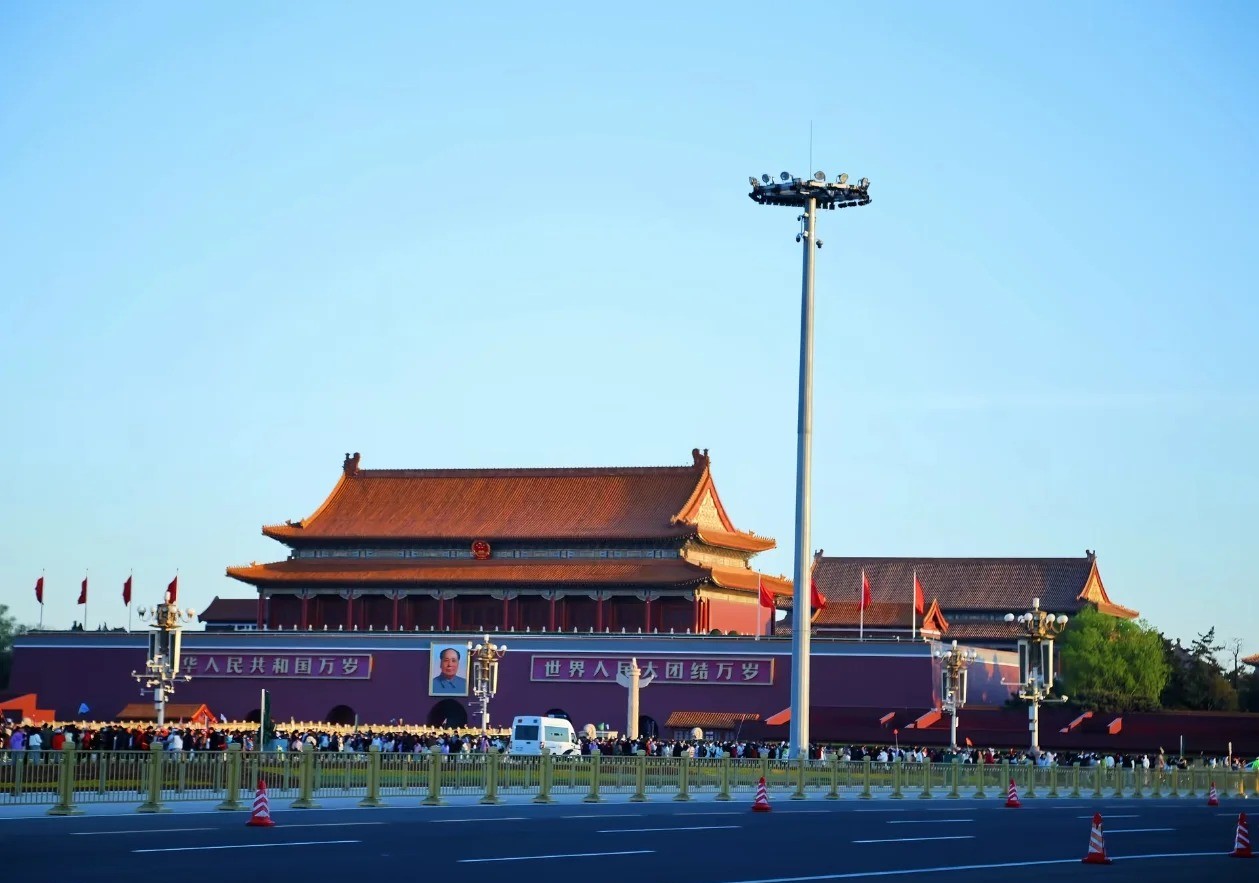
Diplomacy helps people think better about China. Xi Jinping showed Trump around the Forbidden City. The city closed so they could watch a special Peking opera show. Trump was the first foreign leader to eat inside the Forbidden City since modern China began. Soldiers practiced a lot for Trump’s visit to Tiananmen Square. Kids from local schools, even American kids living in China, greeted Trump. China sent giant pandas to Zoo Atlanta to show kindness. The pandas’ names mean peace and good luck. China let Hollywood movies play during Golden Week. These actions show China wants to share its culture and make friends with other countries.
China uses social media to talk to people all over the world. This helps China look more interesting and brings more tourists to visit.
Impact on US-China Relations
Trump’s visit changed how people think about US-China relations. Surveys show almost 80% of Americans believe China wants to be the top world leader. Most people think China is an economic threat, not a military one. Only a few people think China is not a threat. About 78% of Americans agree China wants a big role in the world. Not many believe China wants to share power. These numbers show how events and policies affect what people believe.
China’s cultural power grows as more people learn about its culture. China uses cultural exchanges and diplomacy to look better to others. Sharing culture helps China get more visitors. When you see China’s culture, you learn about its values and traditions. This change makes more people want to travel to China.
China Tourism Surge After Trump’s Visit
Travel Searches and Booking Trends
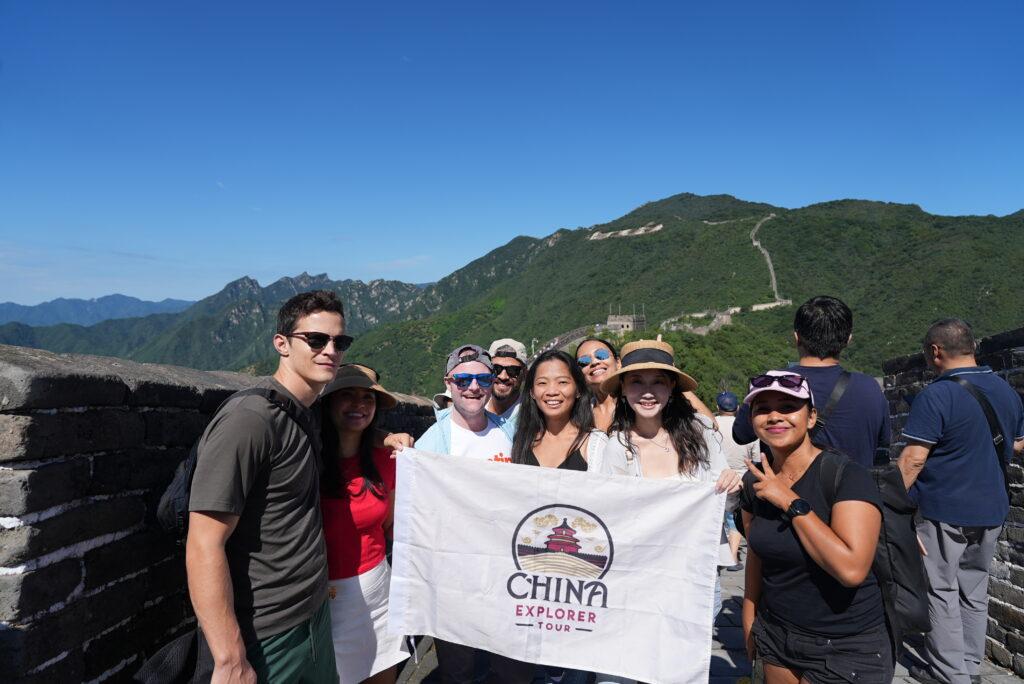
After Donald Trump visited China, tourism changed a lot. People search for trips to China more than before. Travel websites show more bookings now. Many travelers want to see cities like Beijing, Xi’an, and Shanghai. Families, couples, and solo travelers all want to visit. Most travelers are between 25 and 34 years old. They have full-time jobs and bachelor’s degrees. You can see the traveler details in the table below.
Percentage | |
|---|---|
Male | 62% |
Married | 67% |
Full-time employed | 82% |
Bachelor’s degree holders | 61% |
Age group 25-34 | 42% |
Caucasian | 69% |
African American | 11% |
Hispanic | 8% |
Income $45,000–$85,000 | 44% |
Income >$85,000 | 17% |

Travelers want more than just sightseeing. They look for real cultural experiences and connections. Surveys show people pick China for its culture, food, modern places, and adventure. Fast trains and nice hotels make travel easy. Many travelers want to try new foods and see nature.
Cultural Richness: You find history and culture in every city.
Culinary Delights: You taste special dishes in each region.
Modern Amenities: You ride fast trains and stay in comfy hotels.
Adventure: You hike mountains and visit eco-tourism spots.
Top Destinations: Beijing, Xi’an, Shanghai
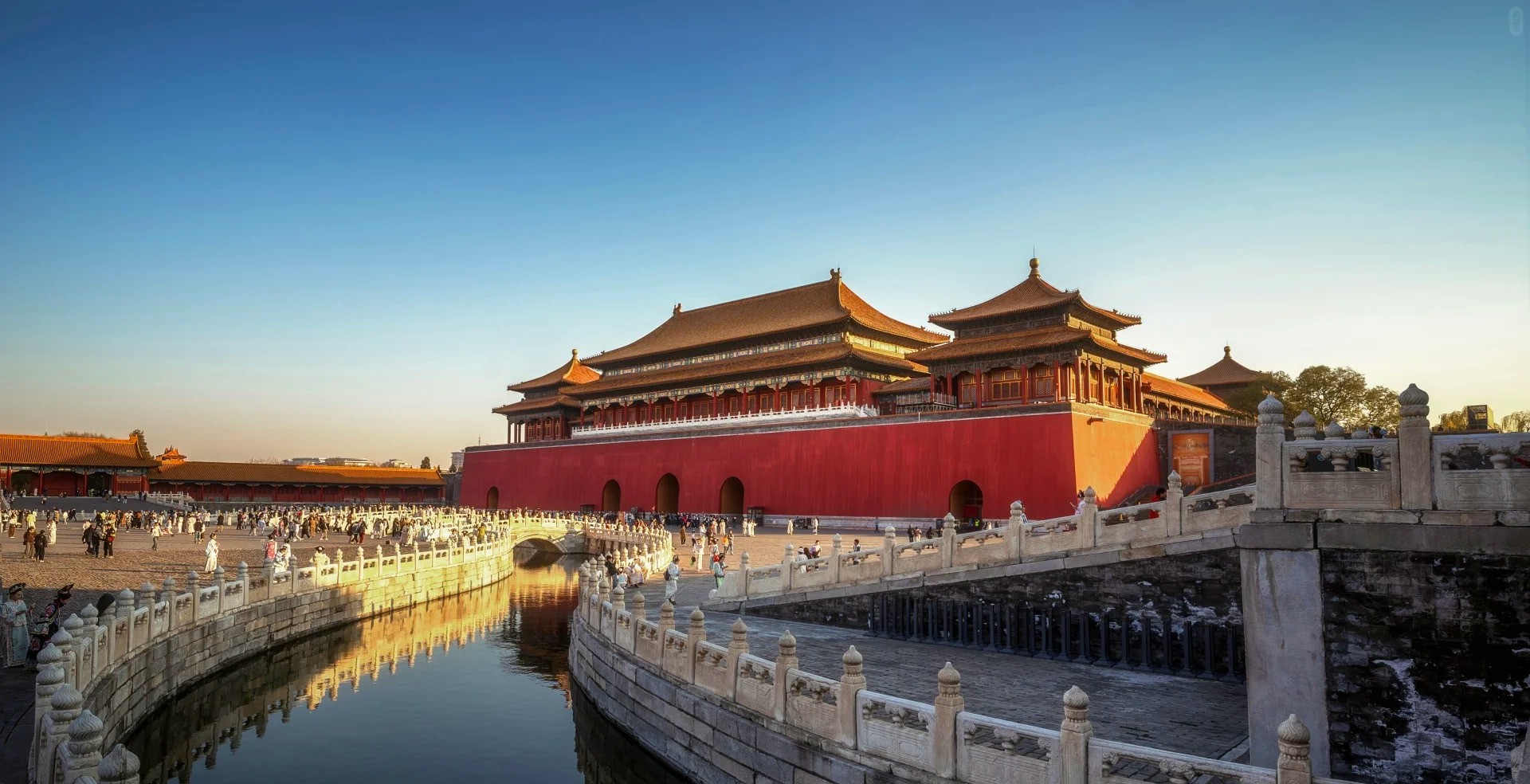
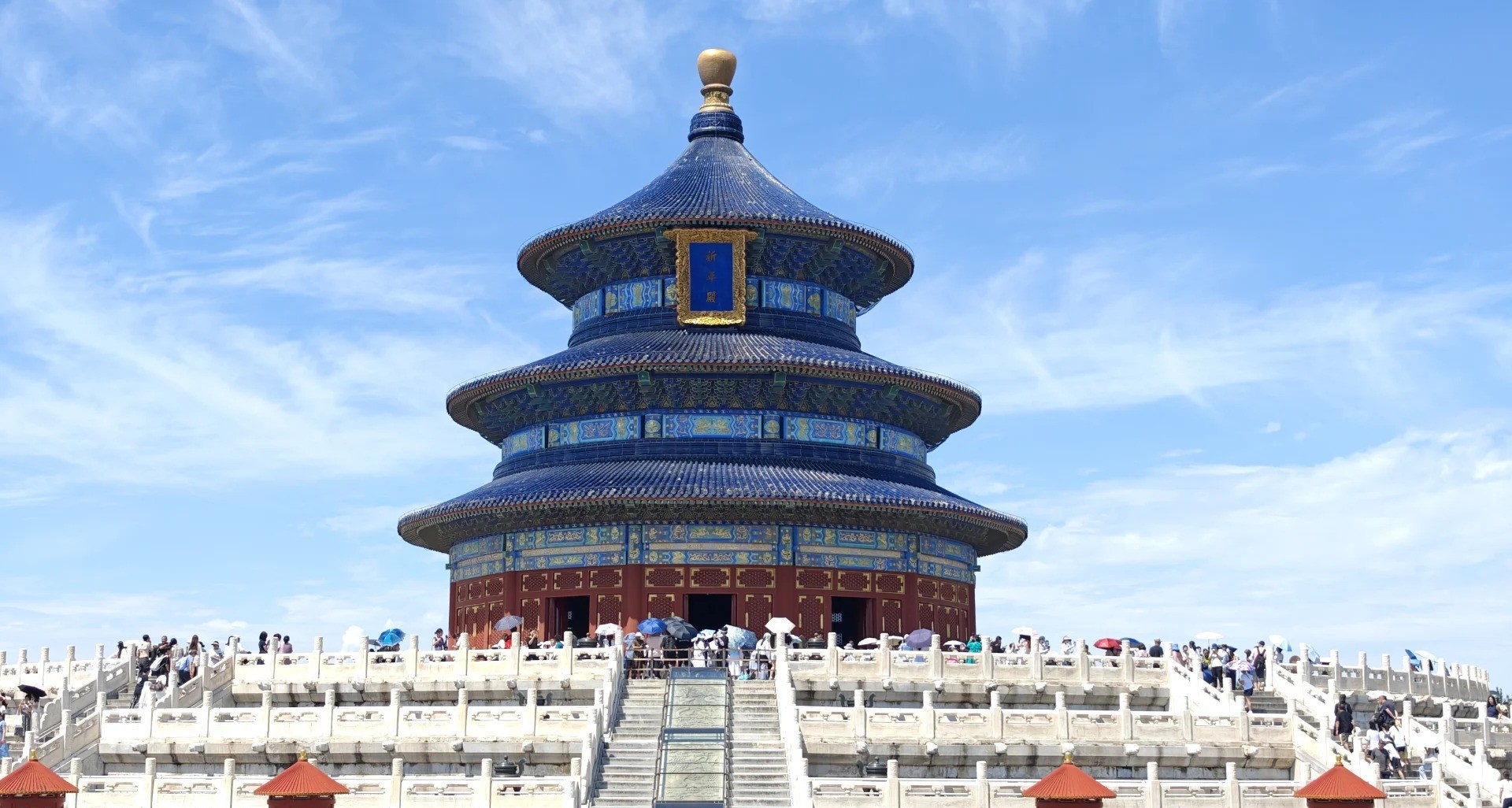
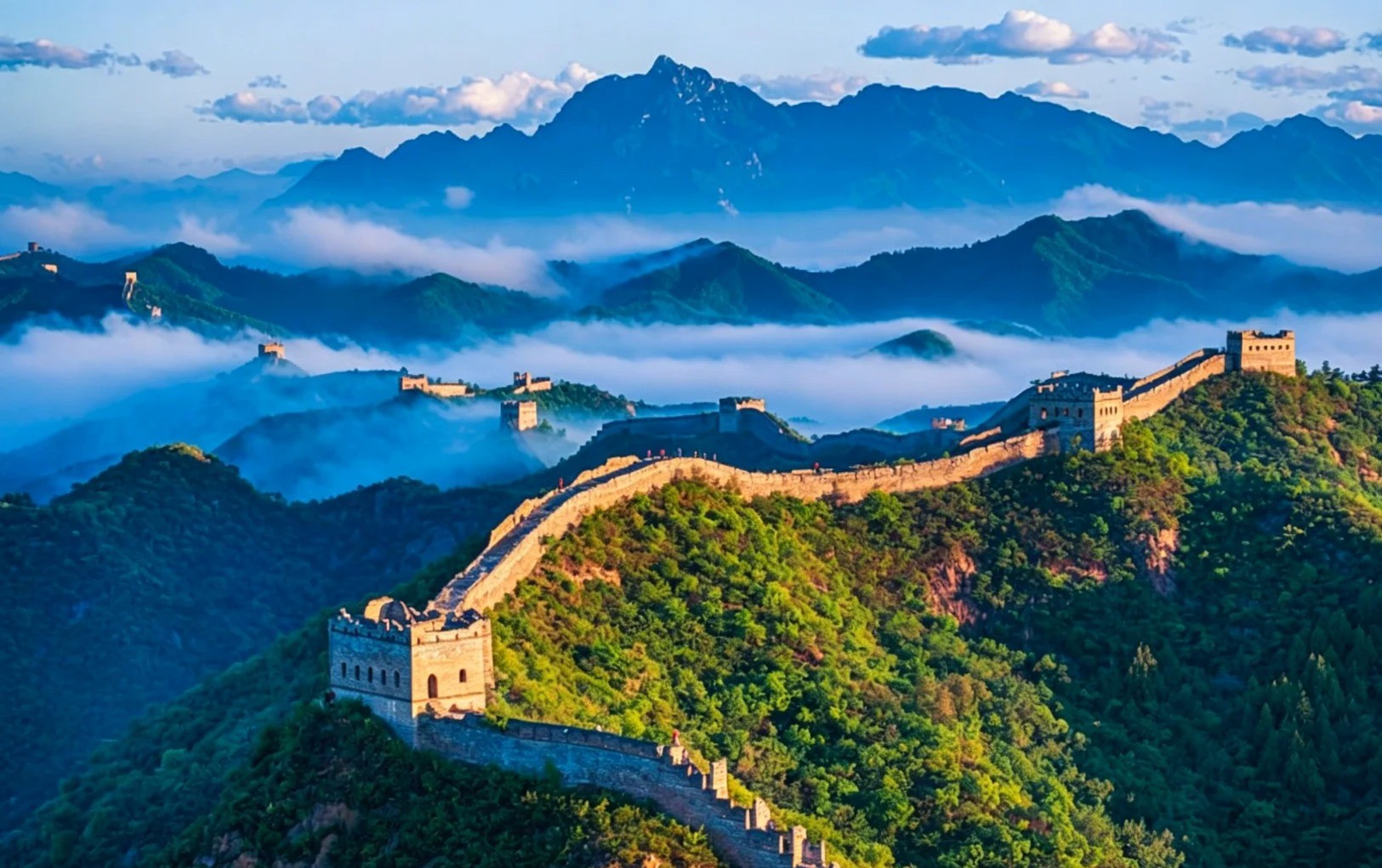
Beijing is the most popular city for travelers. It has famous places like the Forbidden City and Great Wall. You walk old streets and eat Peking Duck. Xi’an is known for the Terracotta Warriors and city walls. You ride bikes on the wall and eat Biangbiang noodles. Shanghai has tall buildings and the Bund. You visit Yuyuan Garden and enjoy the nightlife. These cities mix old and new things. You see culture, history, and new ideas everywhere.
Beijing: Forbidden City, Great Wall, Hutong tours, Peking Duck.
Xi’an: Terracotta Warriors, City Wall, local noodles.
Shanghai: The Bund, Pearl Tower, Yuyuan Garden, food streets.
Travelers want to see famous places and hidden spots. Many ask for tours with local markets, workshops, and family dinners. These experiences help you learn about Chinese culture.
China Explorer Tour: Authentic Experiences
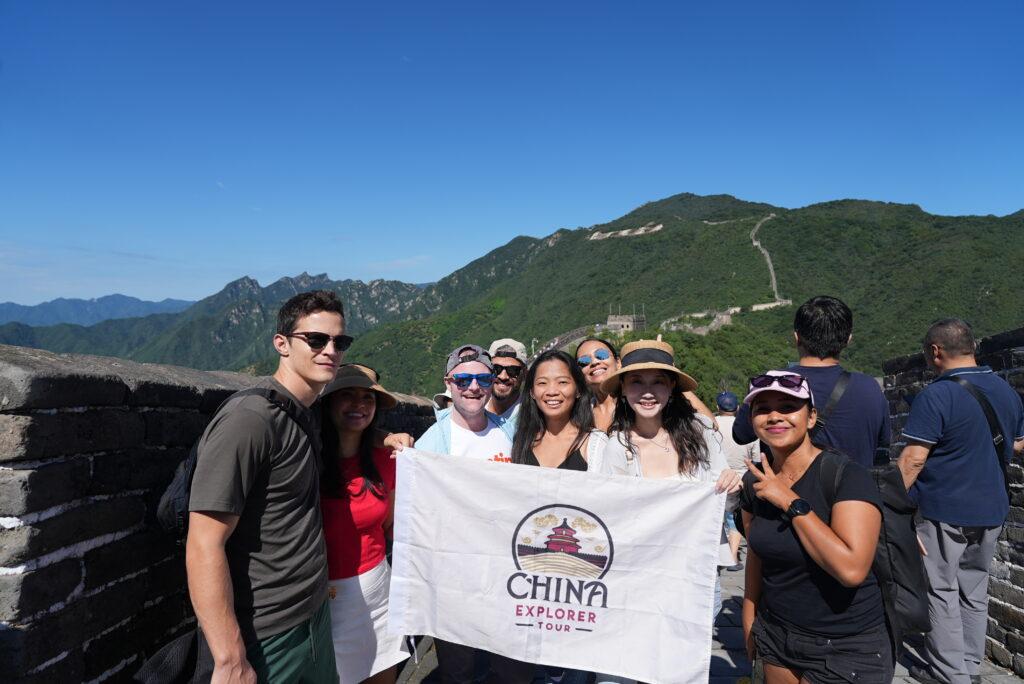
You want a trip that is more than sightseeing. China Explorer Tour gives you tours that fit your interests. The company uses AI to help you find the best trip. You can pick from three popular tours:
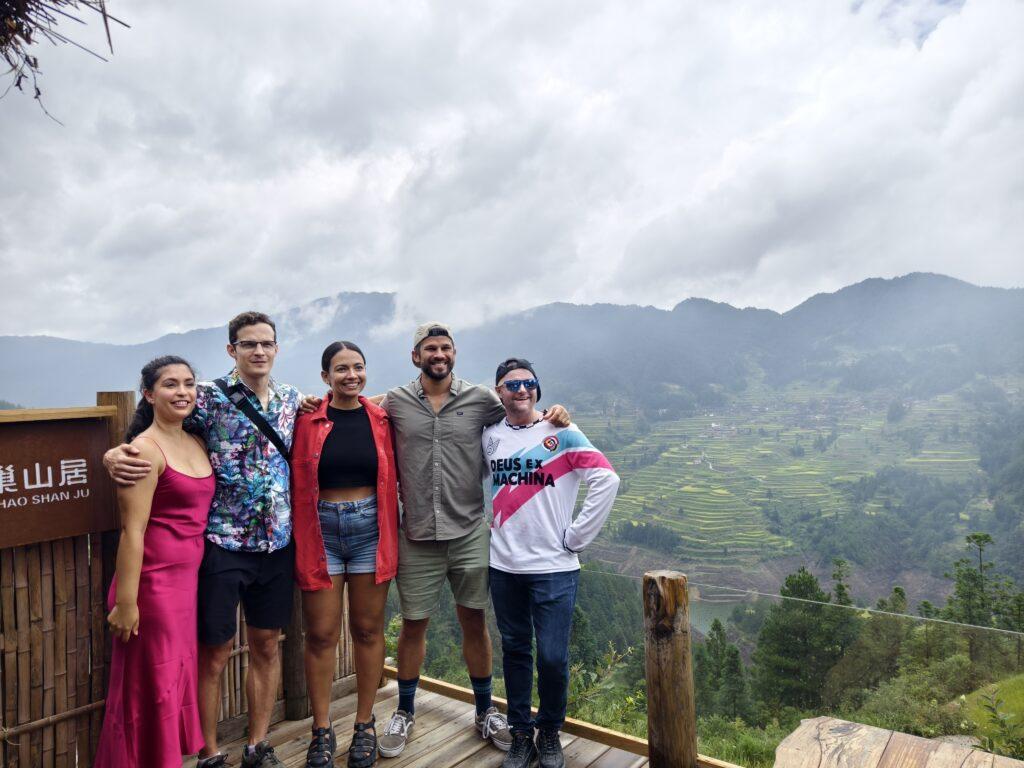
14-Day China Cultural Odyssey: You visit famous places and hidden spots. You meet locals, eat regional foods, and join activities. You camp in Guizhou and watch a Sichuan face-changing show.
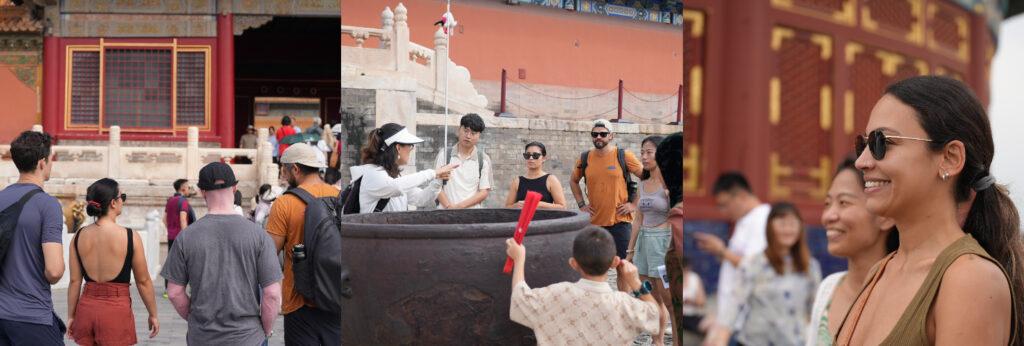
Iconic China 6 Days Tour: You see Beijing and Shanghai. You walk in the Forbidden City, climb the Great Wall, and enjoy Shanghai’s city life.
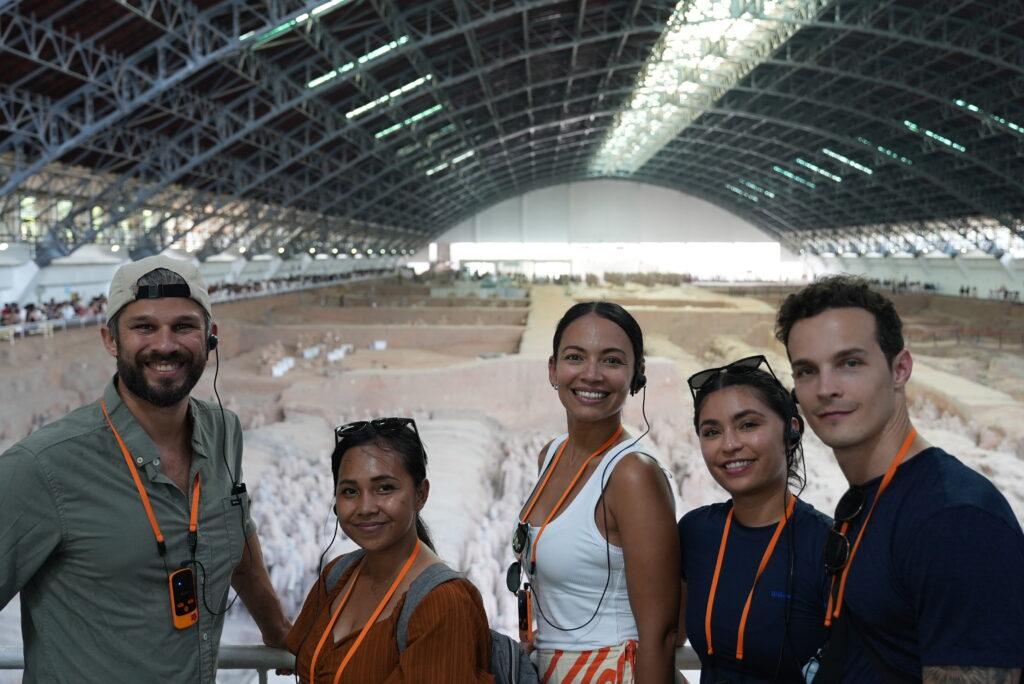
8 Days China Group Tours: You visit Beijing, Xi’an, and Shanghai. You see the Terracotta Warriors, ride bullet trains, and try local foods.
“Immersive experiences in Chinese theme parks help you understand China. You hear stories, myths, and legends. You feel closer to Chinese heritage. Chinese parks focus on real cultural stories.”
You read Tom’s story. Tom Peacock-Nazil, CEO of Seven Clean Seas, took the 14-Day China Cultural Odyssey. He was unsure about China at first. The tour changed his mind. He visited cities, tasted local food, and met friendly people. Tom found hidden places and learned about culture. He wants to come back and see more provinces.
You connect with culture through stories.
You learn about Chinese heritage by joining activities.
You enjoy real experiences beyond tourist spots.
China Explorer Tour helps you connect with Chinese cities and culture. You pick tours that match your interests. You join workshops, eat with families, and visit markets. Tailored and immersive tours help global travelers. Tourism grows when you experience real life in China.
Tip: Pick a tour with both famous places and hidden spots. You get the best of Chinese cities and culture.
From Online Buzz to Real-World China Travel
Data and Case Studies
Viral moments can turn online excitement into real travel. When Donald Trump visited China, many people searched for trips. Travel brands saw more bookings after this event. You can check the numbers to see the change. Different groups joined tours because of the online buzz. The table below shows who traveled and where they went.
Demographic Group | Number of Participants | Location |
|---|---|---|
Freelancers | 4 | Kaifeng |
Industrial Workers | 5 | Hangzhou |
Volunteers | 3 | Zibo |
Students | 6 | Kaifeng |
Douyin Content Creators | 8 | Hangzhou |
High School Teachers | 10 | Zibo |
Total | 36 | Various |

Douyin content creators and teachers were the biggest groups. They posted their trips online. Their stories made others want to visit China. This shows that online buzz can lead to real travel choices.
Lessons for Tourism and Soft Power
Tourism brands can use viral moments to grow over time. Most travelers get ideas from social media. Many Gen Z travelers book trips after seeing them on TikTok. TikTok videos inspire people to visit new places or buy travel products.
75% of travelers use social media for travel ideas.
40% of Gen Z travelers book vacations because of TikTok.
77% say TikTok inspired them to visit a destination or buy a travel product.
Travel marketers work with influencers and use stories from real people. These stories are better than ads. Influencer marketing and user content help reach Chinese consumers. Xiaohongshu saw interest in international travel grow from 6 million to 19 million. Young women aged 19 to 30 from big cities lead this trend. They like booking trips on their phones and follow social media advice.
You can use AI-powered tools like China Explorer Tour to find the best trips and connect with cultural experiences. These tools help you discover hidden gems and plan your journey.
Viral moments, like Trump’s visit, help tourism and soft power grow. Travel brands can use these events to build lasting interest in China’s culture.
Donald Trump went to China and the Internet went wild. Many people became interested in traveling to China. The excitement online made more people want to visit. China Explorer Tour uses AI to help you find real experiences. You can see famous places and secret spots. Big events in the future might change how people travel and think.
You can see China’s culture and history for yourself.
FAQ
What makes China Explorer Tour different from other travel agencies?
You get tailored tours with real local experiences. China Explorer Tour uses AI-powered tools to help you find hidden gems and plan your journey. You enjoy transparent pricing and authentic adventures.
How do I book a tour with China Explorer Tour?
You visit the official website. You choose your favorite tour or request a custom itinerary. The team helps you with every step, from planning to booking.
Can I join a group tour if I travel alone?
Yes, you can join group tours as a solo traveler. You meet new friends and share experiences. The tours welcome families, couples, and solo travelers.
What age groups can join China Explorer Tour trips?
Most tours welcome travelers aged 28 to 50. You check each tour’s details for age requirements. The team helps you find the best fit.
Do I need a visa to visit China?
You need a visa to enter China. You get help from China Explorer Tour with visa tips and travel advice. The team supports you before your trip.