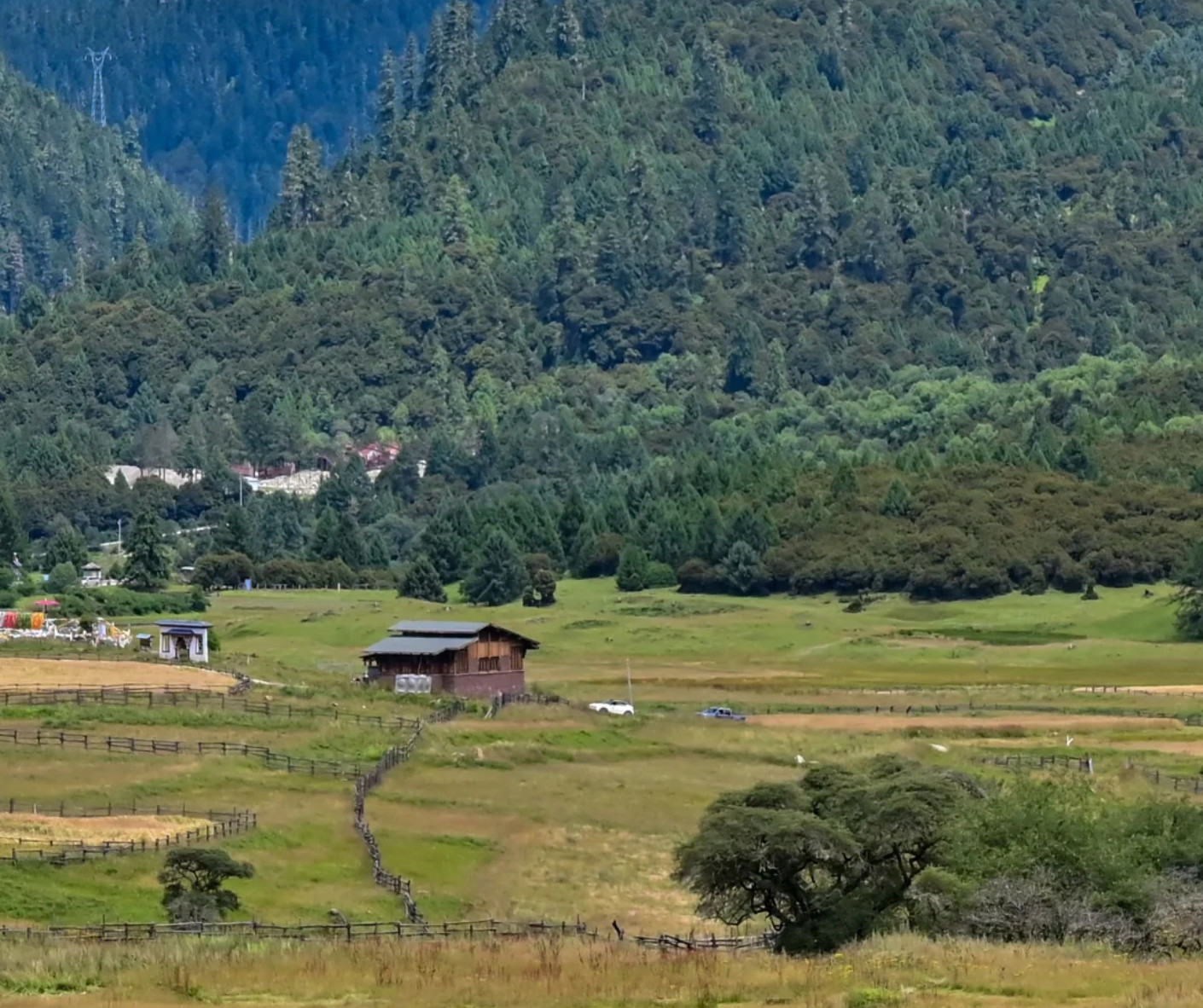
You want to make your first trip to Lulang Forest unforgettable. This place stands out with its lush microclimate, thanks to moisture from the Yarlung Tsangpo Canyon. You’ll see dense forests instead of barren alpine landscapes. The main viewing platform sits right off the G318 highway, so you can stop easily and soak in expansive views of Namjagbarwa Peak. If you’re looking for a mix of natural beauty and local culture, you’re in the perfect spot to start planning.
Key Takeaways
Visit Lulang Forest from May to October for nice weather. You will see different beauty in each season. Spring has many flowers. Autumn has bright leaves.
Book your trip and hotel early, especially in busy times. Many people visit, so rooms fill up fast. Make sure you get your place to stay before you go.
Get used to the high altitude slowly. Drink lots of water. Wear layers to stay warm or cool in the mountains.
Learn about local culture by joining festivals. Try foods like Stone Pot Chicken. Talking with local people makes your trip better.
Think about using a travel agency like China Explorer Tour. They help plan your trip. They can get permits and rides for you. They also know a lot about the area. This makes your trip easy.
When to Visit Lulang Forest
Seasonal Highlights
You might wonder what makes each season special in Lulang Forest. The forest changes its look every few months, so you get a new experience each time you visit. Here’s a quick look at what you can expect:
Season | Scenery Description | Accessibility Notes |
|---|---|---|
Spring | Azalea valleys bloom with vibrant rhododendrons and fresh greenery | Great for nature lovers and photographers |
Summer | Wildflowers cover the forest, making it lush and colorful | Eco-friendly trails are open and easy to walk |
Autumn | Leaves turn gold and red, creating a peaceful, colorful backdrop | Perfect for walks and panoramic photos |
Winter | Snow covers the trees and mountains, offering clear, crisp views | Cold weather means you need warm clothes for outdoor fun |
You can see something beautiful in every season. Spring brings fresh blooms. Summer feels alive and green. Autumn gives you golden forests. Winter shows off snowy mountains.
Best Months for Travel
If you want the best weather and scenery, plan your trip from May to October. During these months, the forest feels most alive. Wildflowers bloom in June and July. The air stays cool, even in summer, with temperatures reaching up to 25°C. Autumn, from September to October, is perfect for colorful leaves and clear skies. Winter can be magical, but cold weather may make some trails harder to walk.
Tip: Bring a camera! Each season offers unique photo opportunities.
Weather Overview
The weather in Lulang Forest stays mild for most of the year. Summer days feel warm but not hot. July is the warmest month, with average temperatures around 20°C. June brings the main rainy season, so pack a rain jacket if you visit then. Nights can get chilly, even in summer, so you’ll want to dress in layers. Winter brings snow and bigger temperature changes between day and night. Always check the forecast before you go.
Getting to Lulang Forest
Nearest Airports and Transport
You have a few good options for reaching Lulang Forest by air. The closest airports make your journey smooth and quick. Here are the main airports you can consider:
Nyingchi Mainling Airport (the most convenient for most travelers)
Chamdo Bangda Airport
Lhasa Gonggar Airport
Nyingchi Mainling Airport sits just about 80 kilometers from the forest. You can find regular flights from major Chinese cities like Chengdu, Chongqing, and Lhasa. Once you land, you can hop in a car or take a shuttle to reach the forest in less than two hours.
From Lhasa or Chengdu
You might start your adventure in Lhasa or Chengdu. Both cities offer reliable ways to get to Lulang Forest. Here’s a quick look at the main routes:
Route | Distance | Duration |
|---|---|---|
Nyingchi to Lulang Forest | 80 km | 1.5 hours |
Lhasa to Lulang Forest | 470 km | 6 hours |
From Lhasa, you can travel by private car, bus, or join a guided tour. The drive takes you along the scenic G318 highway, famous for its mountain views and winding roads. If you fly into Nyingchi, you’ll enjoy a much shorter ride to the forest.
Tip: China Explorer Tour can arrange seamless airport pickups, private transfers, and local guides. You won’t have to worry about language barriers or finding the best route.
Local Travel Tips
Traveling in Tibet feels different from other parts of China. You’ll want to keep these tips in mind:
Bring your passport and Tibet Travel Permit. You’ll need them for hotel check-ins and checkpoints.
The roads can be curvy and steep. If you get carsick, pack motion sickness medicine.
Weather changes fast in the mountains. Dress in layers and keep a rain jacket handy.
Book your transport in advance, especially during peak travel months.
If you want a stress-free trip, let China Explorer Tour handle your transfers and local arrangements. Their team knows the area well and can help you make the most of your visit.
You’ll find that getting to Lulang Forest is part of the adventure. With a little planning, you’ll arrive ready to explore.
Permits and Entry Requirements
Visa and Tibet Permit
You need special documents before you visit Lulang Forest. If you are not Chinese, you must get a Chinese visa first. After that, you need more permits to enter Tibet and travel around. Here is a simple table of what you need:
Permit Type | Requirement for Non-Chinese Passport Holders |
|---|---|
Tibet Travel Permit | Required |
Aliens’ Travel Permit | Required |
Tibet Military Permit | Required for specific areas (e.g., Bomi) |
Processing Time | 15 working days or more |
You cannot get these permits by yourself. Travel agencies like China Explorer Tour help you get them. They make sure you finish all the paperwork before your trip. The Tibet Travel Permit is the most important one. You need it to get on a plane or train to Tibet. The Aliens’ Travel Permit lets you visit places outside Lhasa, like Nyingchi and the forest. If you want to go to special areas, you may need a Military Permit.
Tip: Apply for your permits early. It can take weeks, especially when many people are traveling.
Entry Regulations
The rules for entering Tibet change a lot. You must go to a big city in China, like Chengdu or Beijing, before you can get your Tibet Travel Permit. You cannot fly straight to Tibet from another country. After you make your travel plans, your agency will apply for the permit. This step is very important for your trip.
You must have your Tibet Travel Permit before you get on any flight or train to Tibet.
The permit usually takes about 45 working days to get. It can take longer when many people are traveling.
You need to show your passport and permit at checkpoints, hotels, and airports.
Travel agencies help you know the newest entry rules.
China Explorer Tour watches for rule changes and helps you avoid problems. Their team gives you support, so you can enjoy your trip. With the right papers, you are ready to see the beauty and culture of Tibet.
Top Things to Do in Lulang Forest
Scenic Spots and Viewpoints
You’ll find that Lulang Forest is packed with breathtaking places. Each spot offers a different view of the forest’s magic. Here are the top scenic spots you shouldn’t miss:
Galong Monastery
You can see this sacred monastery with its red walls and golden roofs set against snow-capped mountains. It feels peaceful and powerful at the same time.Medog Rhododendron Sea
In spring, snowflakes and rhododendrons mix together here. The colors and shapes create a scene you won’t forget.Bagai Township Rhododendron Corridor
This 30-kilometer flower road is famous for its endless blooms. Snow mountains frame the path, making it a dream for photographers.Rika Village
You’ll discover a secret village surrounded by snowy peaks. The beauty here feels pure and untouched.Niwu Township Peach Blossoms
In early spring, this valley fills with pink peach blossoms. It’s a perfect place for photos and quiet walks.Yiga Glacier
You can get close to this stunning glacier. The views are dramatic, with blue ice and mountain backdrops.
Tip: Try to visit at least two or three of these spots. Each one shows a different side of Lulang Forest.
Local Culture and Festivals
You’ll notice that Lulang Forest isn’t just about nature. The local culture adds color and excitement to your visit. Here are some festivals and traditions you might experience:
Losar (Tibetan New Year)
This festival happens in February or March. Families gather, share special dishes like Guthuk soup, and pray for good luck. You can join in the celebrations and taste local foods.Autumn Harvest Celebrations
Monpa communities celebrate the harvest with dances and rituals. People wear traditional clothes and play local instruments. You’ll see gratitude and joy everywhere.Azalea Tourist Festival
In spring, the forest bursts with azaleas. Locals hold performances and lead nature walks. You can watch dances, listen to music, and enjoy the flowers.
Note: If you plan your trip around these festivals, you’ll get a deeper look at local life.
Outdoor Activities
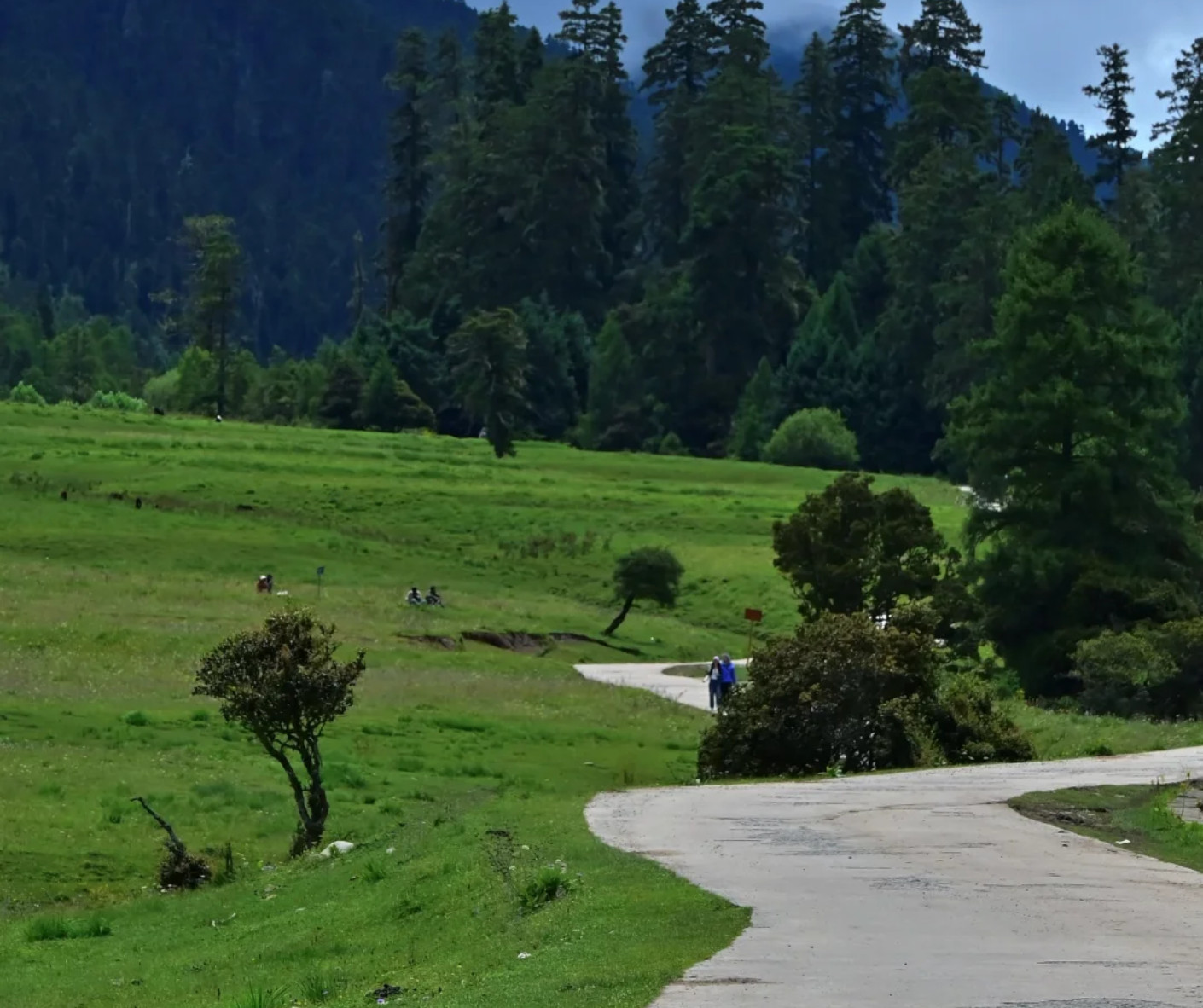
You can do much more than just look at the scenery. Lulang Forest is perfect for outdoor adventures. Here are some activities you might enjoy:
Hiking
Walk along forest trails, meadows, and flower corridors. The air feels fresh, and the views change with every step.Photography
Bring your camera! You’ll find endless chances for great photos, from snow-capped mountains to wildflowers and local villages.Birdwatching
In spring, azaleas attract many mountain birds. You might spot rare species if you keep your eyes open.Picnicking
Find a quiet spot by a stream or in a meadow. Enjoy a simple meal surrounded by nature.Village Visits
Meet local families, learn about their traditions, and taste homemade food. These moments make your trip special.
Tip: Always check the weather before heading out. Dress in layers and bring water.
China Explorer Tour Experiences
You want your trip to be smooth and full of real experiences. China Explorer Tour can help you make the most of Lulang Forest. Here’s what you can expect:
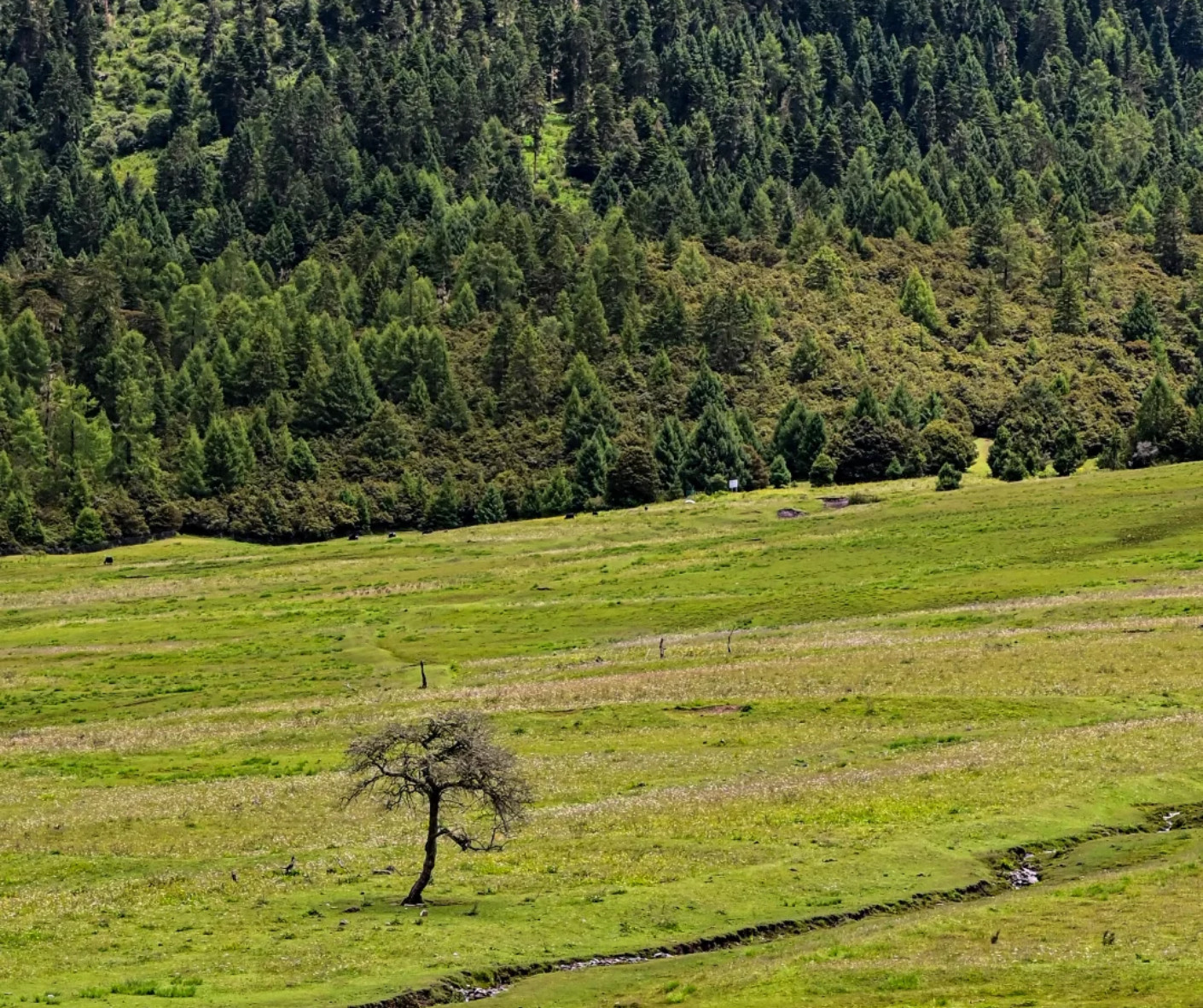
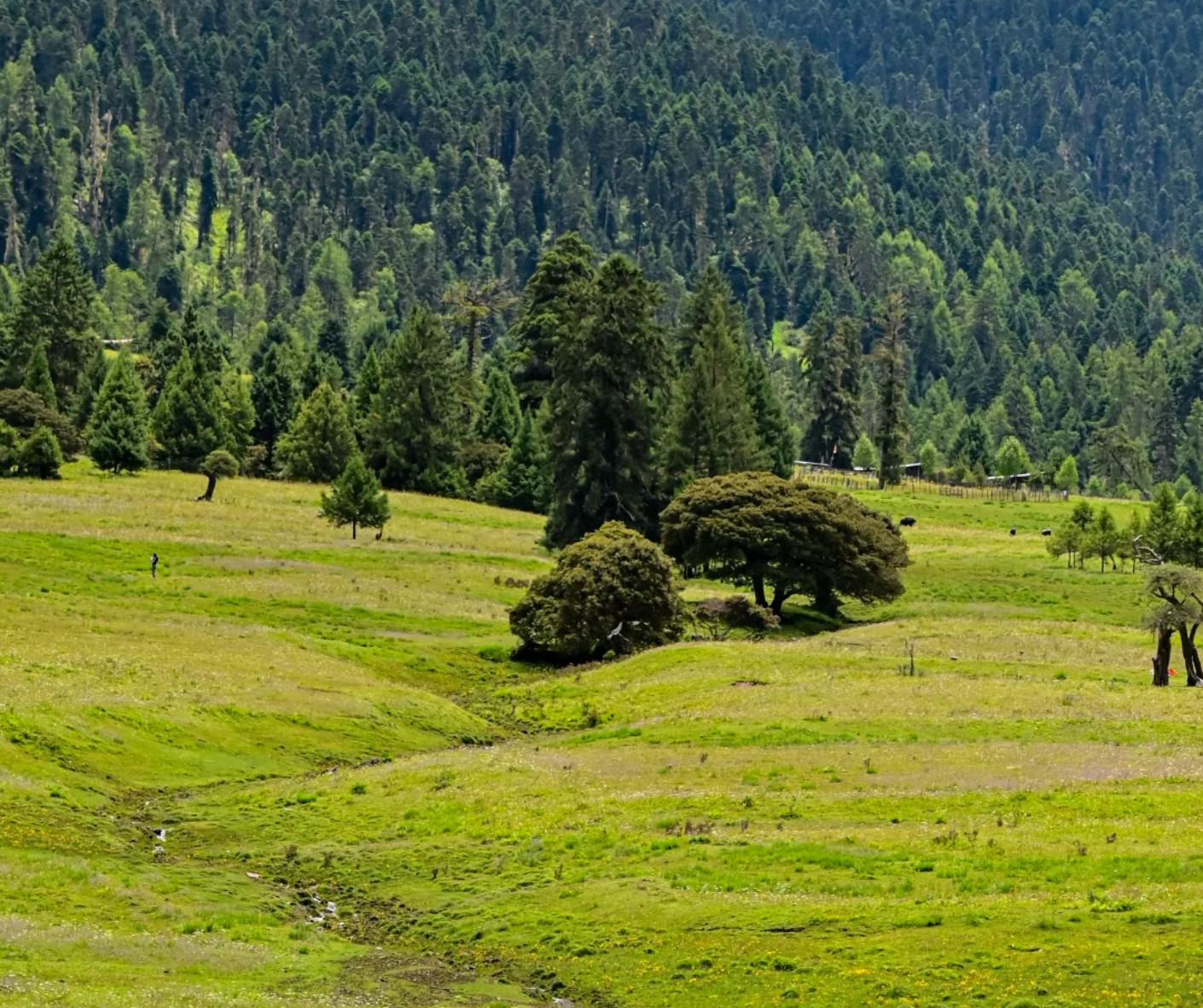
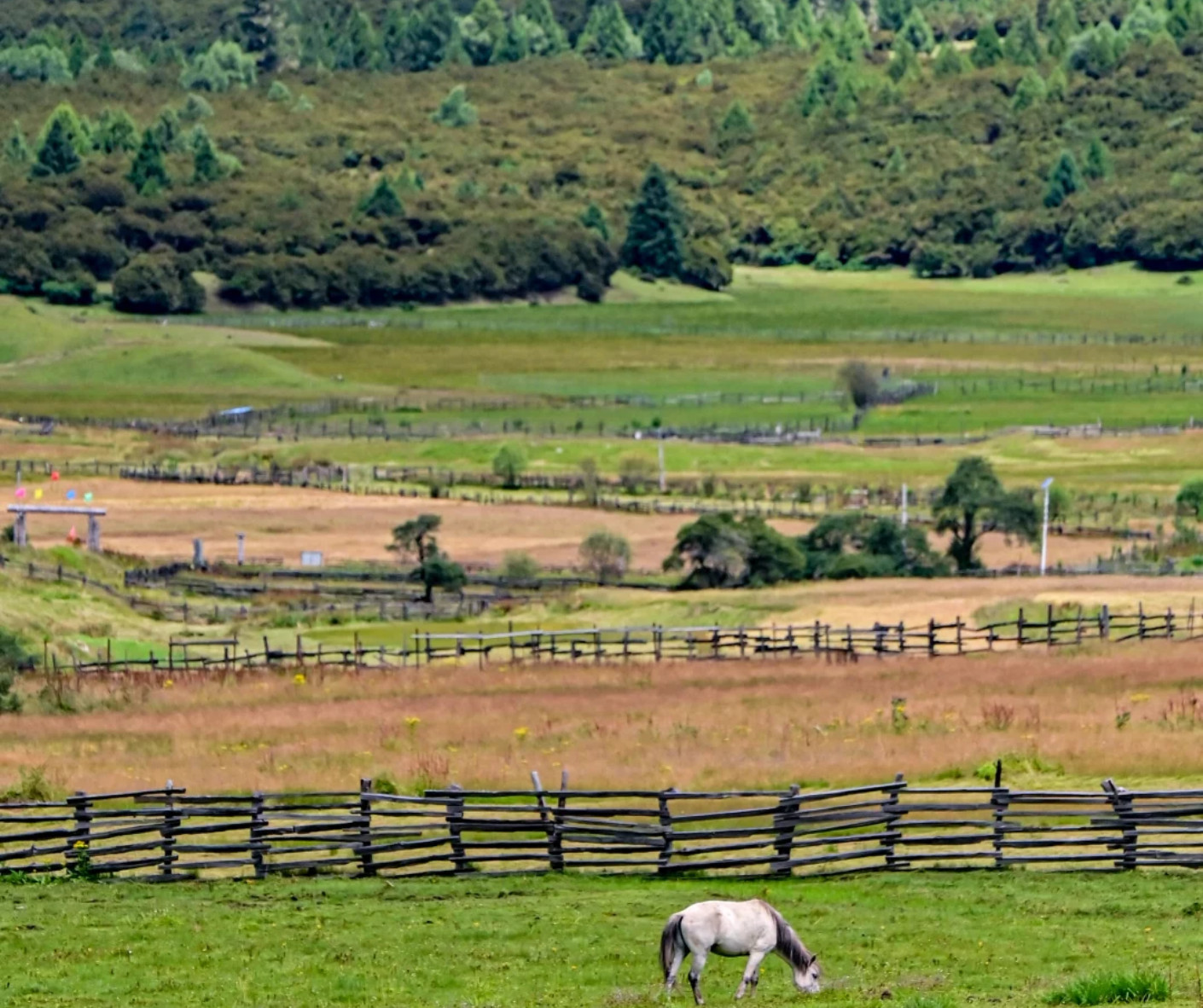
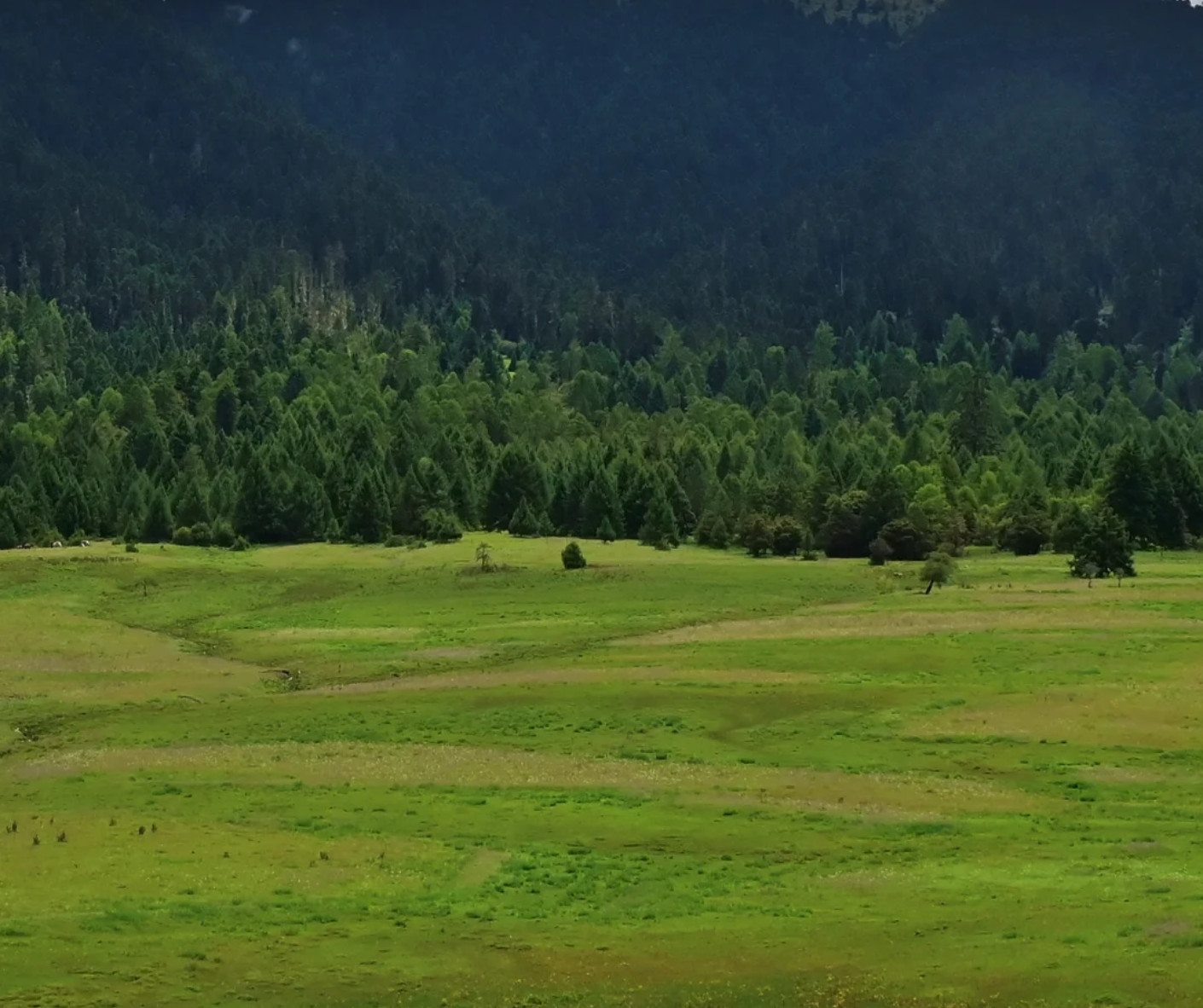
You’ll explore a fairyland of meadows, streams, and endless pines. The scenery feels like a storybook, with clouds drifting over snow-capped peaks.
The forest is a natural museum. You’ll see rare plants and animals, and learn why this area is so important for nature lovers.
Each season brings something new. In spring, azaleas bloom and birds sing. Summer fills the meadows with flowers. Autumn paints the leaves gold and red. Winter covers the peaks and glaciers with snow.
China Explorer Tour designs trips that fit your interests. You can join guided hikes, visit hidden villages, or take part in local festivals. Their team knows the best spots for photos and quiet moments. They handle all the details, from permits to transport, so you can relax and enjoy your adventure.

If you want to see even more, you can join the 8-Day Everest Base Camp Tibet Tour. This journey takes you from Lhasa to Everest, with stops at UNESCO sites, sacred lakes, and the famous base camp. You’ll travel with expert guides, stay in comfortable hotels, and experience the heart of Tibet.
With China Explorer Tour, you get more than a trip. You get a chance to connect with nature, culture, and people. Their tailored tours help you see the best of Lulang Forest and beyond.
Where to Stay
Hotels and Guesthouses
You’ll find plenty of comfortable hotels and guesthouses near Lulang Forest. Most places offer clean rooms, hot showers, and friendly staff. Many hotels sit close to the main viewing platform, so you can wake up to mountain views. Some guesthouses have cozy lounges where you can relax after a day of exploring. If you want extra comfort, look for hotels with heating and Wi-Fi. Staff often speak basic English and can help you plan your day.
Tip: Book your hotel early during peak seasons. Rooms fill up fast when the flowers bloom or festivals happen.
Homestays and Unique Lodging
Want to dive deeper into local culture? Try a Tibetan homestay or unique lodge. You’ll stay with local families and share their daily routines. These places let you learn about traditions, taste homemade food, and join in festivities. You might help cook a meal or watch a dance performance. Homestays give you a chance to build real connections and see life through a local’s eyes.
Staying in a Tibetan homestay fosters connections with local families.
You can learn about the daily lives of the locals.
Unique lodging options provide opportunities to engage in local traditions and festivities.
Many travelers say these stays are the highlight of their trip. You’ll leave with stories and memories that last.
Budget Options
Traveling on a budget? You have choices. Small inns and hostels offer basic rooms at lower prices. Some places provide shared bathrooms and simple breakfasts. You can find dorm beds if you want to meet other travelers. Budget options sit near bus stops and main roads, so you can get around easily. Staff often help with local tips and directions.
Lodging Type | Price Range (per night) | Features |
|---|---|---|
Hostel | $15-$30 | Shared rooms, Wi-Fi |
Guesthouse | $25-$50 | Private rooms, breakfast |
Homestay | $30-$60 | Local meals, culture |
You’ll find a place that fits your style and wallet. No matter where you stay, Lulang Forest welcomes you with warmth and beauty.
What to Eat in Lulang
Local Dishes and Stone Pot Chicken
You should try Stone Pot Chicken when you visit Lulang Forest. People use a rare stone pot made from steatite found in Medog County. This pot is only used at certain times of the year, so the dish feels special. Many believe the stone pot makes the food taste better and helps your health.
The main things in the dish are Tibetan chicken, ginseng, Dangshen, conic gymnadenia tuber, radix-polygoni multiflori, angelica, Tibetan caladium, yam slices, rhizoma gastrodiae, coix seed, lily root, ginger, pepper, red dates, goji berry, and over fifteen spices. Chefs cut the chicken into small pieces and wash it in snow water. Then they cook everything in the stone pot for three to four hours. The herbs and spices mix together and make a rich soup.
Many people in Lulang say Stone Pot Chicken is good for high blood pressure and heart health. The soup tastes earthy and warm. If you want to eat something truly local, you should try this dish.
Recommended Restaurants
You can find many places in Lulang that serve Stone Pot Chicken and other Tibetan foods. Here are two popular restaurants:
Restaurant Name | Description | Location | Price (RMB) | Highlights |
|---|---|---|---|---|
Stone Pot-Cooked Chicken | Famous dish using local chickens and Tibetan medicines, served with vegetables. | Lulang Forest | N/A | Signature cuisine of Lulang, unique stone pot method. |
Lulang Stone Pot Chicken Head Quarters | First restaurant to offer Stone Pot Chicken Soup in Lulang Town. | South to Lexiang Convenience Store, Lulang Town | ~135 | Popular since 1999, loved by locals and tourists. |
You can ask your guide or hotel staff how to get there. Most restaurants are friendly and feel cozy.
Food Tips for Travelers
Here are some tips to help you enjoy food in Lulang:
Try Stone Pot Chicken early in your trip. It is filling and great after a long day.
Ask for local vegetables and mushrooms. They are fresh and make your meal colorful.
Drink lots of water. The high altitude can make you thirsty.
Tell your server if you have any food allergies.
Bring snacks for hikes. Local stores sell dried yak meat and sweet Tibetan treats.
Tip: Don’t be afraid to talk to locals! They enjoy sharing their food and stories. You might get to try homemade dishes or join a family meal.
Food in Lulang is more than just eating. It helps you learn about the people and their culture.
Sample Itineraries
1-2 Day Highlights
You want to see the best of Lulang Forest in a short time. Many travelers recommend these stops for a quick visit:
Start your day by traveling from Bayi to Lulang Forest. The drive feels relaxing and gives you a taste of the region.
Stop at Sekyim la Pass. You get amazing views of Mt. Namjia Bawa. The scenery here is perfect for photos.
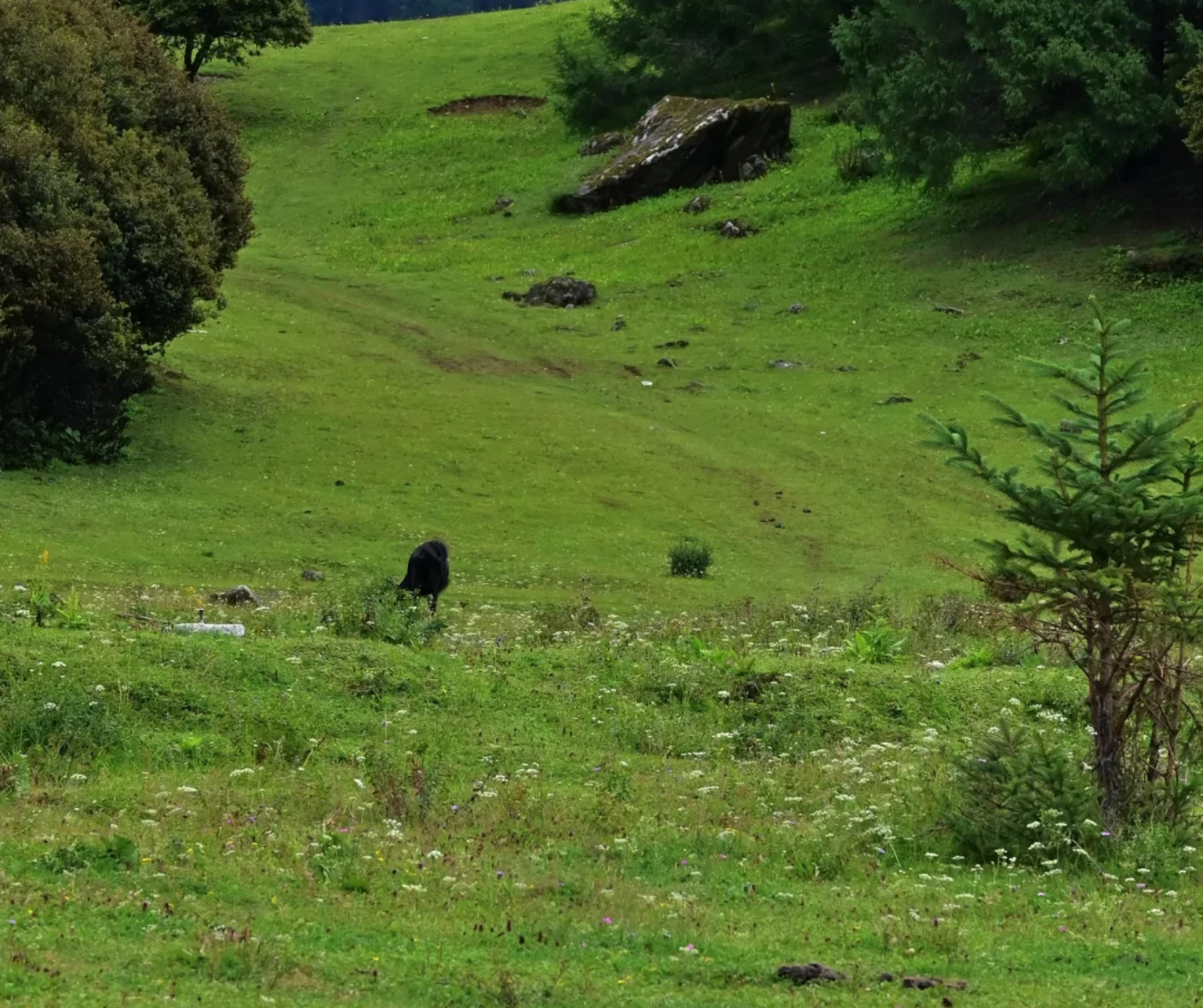
Explore the lush landscapes of Lulang Forest. Walk among tall pines and listen to the quiet sounds of nature.
After sightseeing, head back to Bayi Town for a comfortable night’s rest.
Tip: Bring snacks and water. You’ll want to stay energized while exploring.
3-5 Day In-Depth Tour
If you have more time, you can dive deeper into the beauty and culture of Lulang Forest. Here’s a sample itinerary that covers the highlights:
Day | Highlights |
|---|---|
1 | Try authentic Gongbu Tibetan dishes. Wear traditional costumes. Watch the sunset over the mountains. |
2 | Stroll through Gangyun Forest. Enjoy views of Gawalong Snow Town. Visit Ranwu Lake. |
3 | Explore Laigu Glacier. Discover vibrant blue ice caves and stunning scenery. |
4 | Trek along Draksum Tso Lake. See rhododendrons and walk serene forest trails. |
You get a mix of food, culture, and nature. Each day brings new sights and experiences.
Note: You can adjust the pace to match your interests. Some travelers like to spend extra time at lakes or glaciers.
Custom Tours with China Explorer Tour
You might want a trip that fits your style. China Explorer Tour lets you build your own adventure. You can choose what matters most to you. Here are some options:
Type of Experience | Description |
|---|---|
Cultural Interactions | Meet local families. Join in traditions and festivals. |
Nature Exploration | Discover hidden trails and scenic spots in Lulang Forest. |
Hiking | Take guided hikes through flower corridors and mountain paths. |
Local Culinary Experiences | Taste regional dishes. Learn about Tibetan cooking. |
You can mix and match these experiences. The team at China Explorer Tour helps you plan every detail. You get a journey that feels personal and memorable.
Tip: Share your interests with your guide. They can suggest hidden gems and unique activities just for you.
Practical Tips for Lulang Forest
Altitude and Health
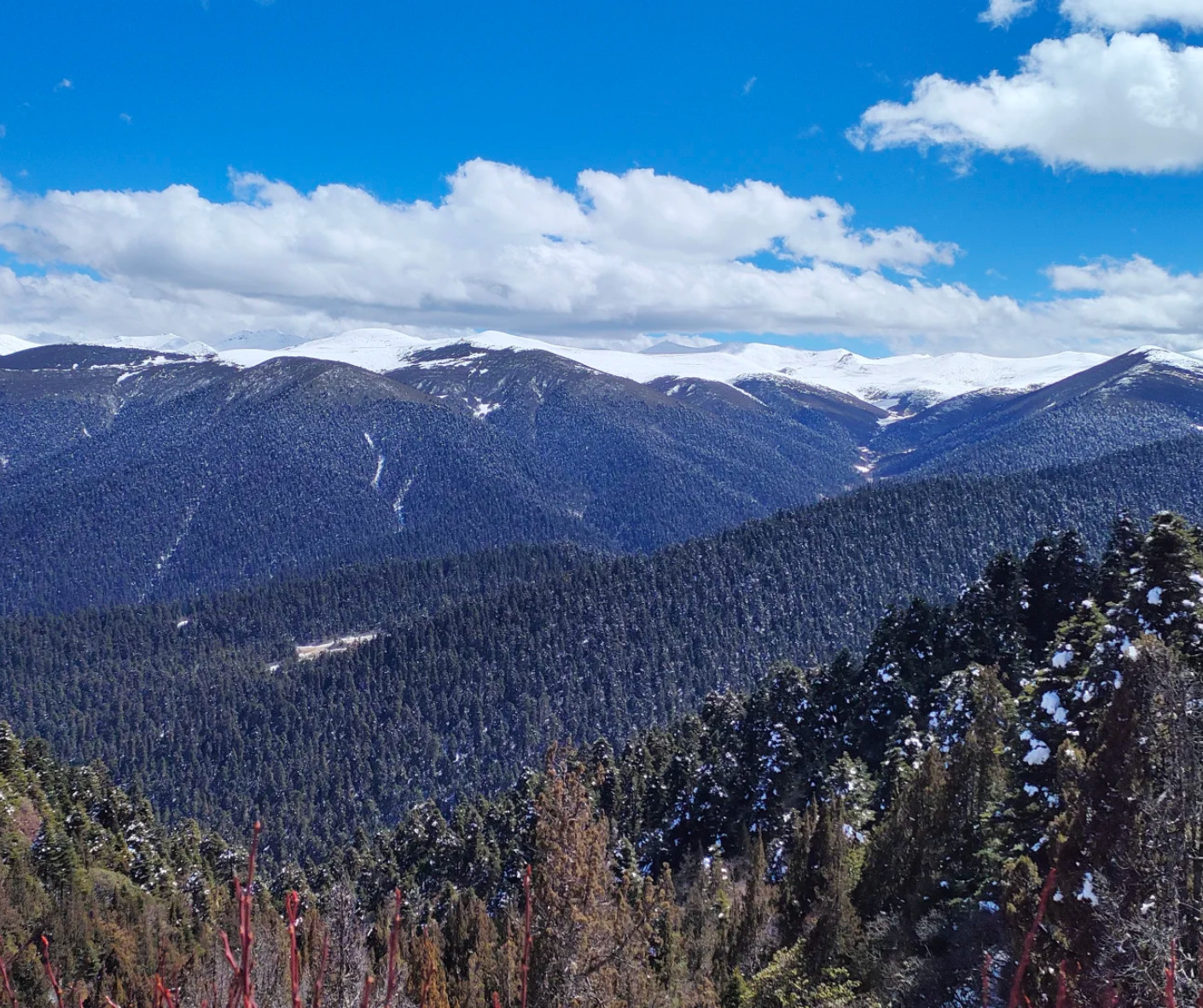
You’ll notice the air feels thinner in Lulang Forest. The average altitude sits at 4,300 meters. You need to take care of your health at this height. Here are some important tips:
Travelers with heart disease, severe hypertension, respiratory problems, or recent surgery should avoid visiting.
Give yourself time to acclimate. Rest when you arrive. Move slowly and drink plenty of water.
If you feel dizzy or short of breath, stop and relax. Let your guide know right away.
Avoid high-altitude areas if you have pre-existing health conditions.
Tip: Carry altitude sickness medicine if you have concerns. China Explorer Tour guides can help you find local clinics if needed.
Packing Essentials
You want to pack smart for your trip. The weather changes fast in the mountains. Here’s what you should bring:
Warm layers, including a jacket and thermal shirts
Rain gear, like a waterproof jacket or poncho
Comfortable hiking shoes with good grip
Sunscreen, sunglasses, and a hat for sun protection
Personal medicine and a basic first aid kit
Snacks and a reusable water bottle
Note: Nights get cold, even in summer. Pack extra socks and gloves.
Local Customs
You can join in many local traditions during your visit. People in Lulang Forest welcome travelers warmly. Try these activities:
Ride horses across the meadow and shoot arrows for fun.
Wear traditional Tibetan costumes and take photos.
Taste homemade specialties from a Gongbu Tibetan family, like Tibetan fragrant pork.
Join local Tibetans in their square dance at night.
Tip: Smile and greet locals. They enjoy sharing their culture with visitors.
Safety Advice
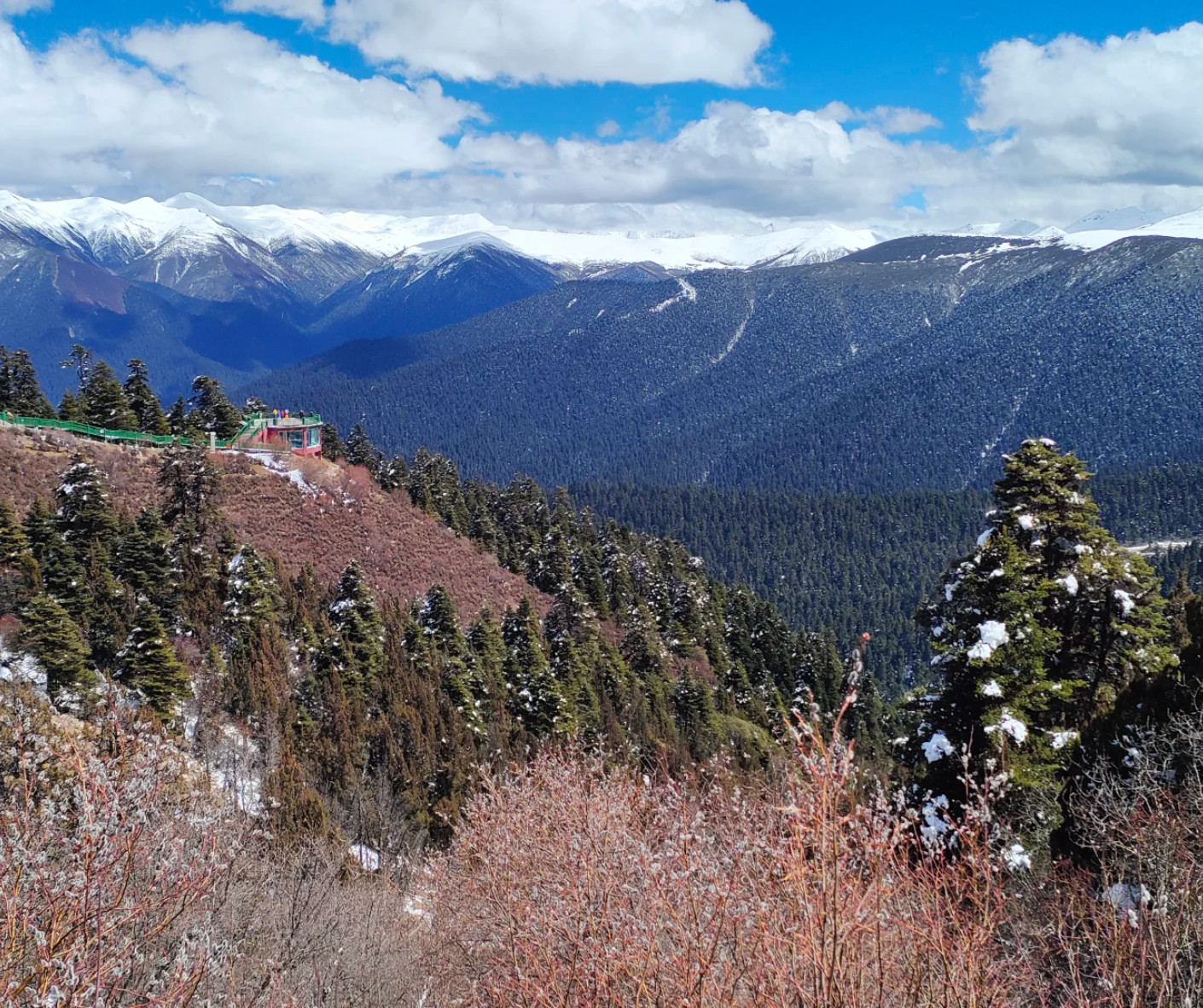
You want to stay safe while exploring. Here are some simple safety tips:
Stick to marked trails and avoid wandering off alone.
Watch your step on wet or rocky paths.
Keep your passport and permits with you at all times.
Listen to your guide’s advice, especially about weather and altitude.
Book your trip with China Explorer Tour for expert support and local knowledge.
Callout: If you need help, ask your guide or hotel staff. They know the area and can assist quickly.
Ready to plan your adventure? Here’s what you need to do:
Check your fitness and talk to your doctor about altitude.
Book your trip early so you have time for permits.
Pack warm clothes and comfy shoes.
Share your passport and visa copies with your tour agency.
Prepare cash for your journey.
China Explorer Tour gives you expert guides, comfy vehicles, and flexible plans. You get local stories and safe travel. Start your journey with confidence—Lulang Forest is waiting for you! 🌲
FAQ
How long should I spend in Lulang Forest?
You can see the highlights in one or two days. If you want to explore more villages, trails, and culture, plan for three to five days. You get a richer experience with a longer stay.
Do I need a guide to visit Lulang Forest?
You do not need a guide, but having one helps a lot. Guides from China Explorer Tour know the best spots, help with permits, and share local stories. You travel with less stress and learn more.
What should I pack for Lulang Forest?
Pack warm layers, a rain jacket, hiking shoes, sunscreen, and a hat. Bring your passport, permits, and some snacks. Nights get cold, so extra socks and gloves help. A camera is great for photos!
Is Lulang Forest family-friendly?
Yes! Kids love the open meadows, horses, and village visits. Many hotels welcome families. You find easy trails and fun activities for all ages. Just watch for altitude changes and take it slow.
Can I customize my trip with China Explorer Tour?
Absolutely! You can pick your favorite activities, food, and places to visit. China Explorer Tour helps you build a trip that matches your interests. You get a personal adventure every time.
See Also
Essential Advice for Newcomers Exploring Huoshizhai
Key Information for Travelers Heading to Liupan Mountain
Comprehensive Planning Guide for Your Sikouzi Adventure
Best Suggestions for Visitors at Gyaring and Ngoring Lakes
Visiting Guide National Geopark: Ticket Purchase Tips for 2026