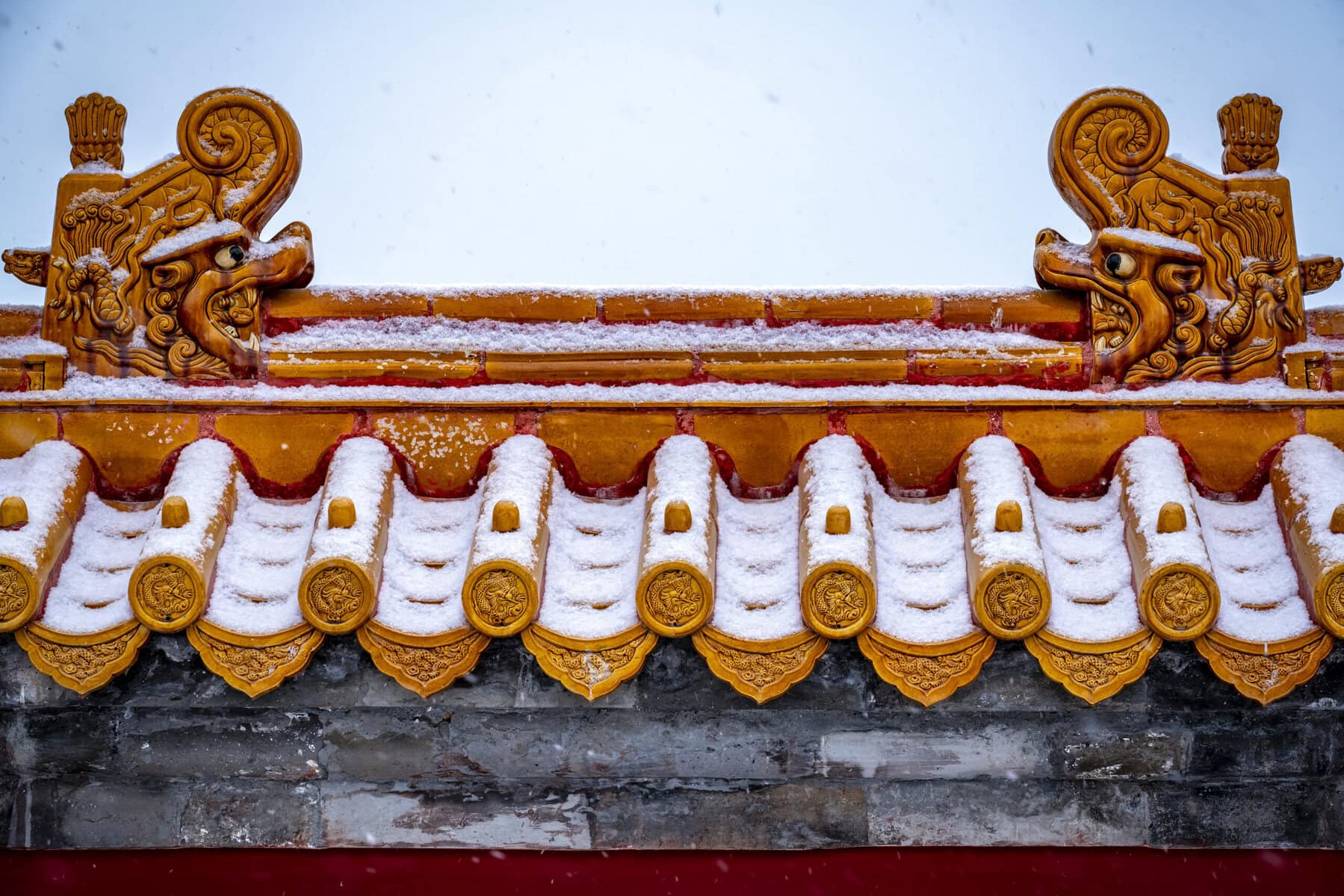
The Imperial Palace, as the royal palace of Ming and Qing dynasties, is not only the largest and most complete wooden structure of ancient buildings in the world, but also the integration of ancient Chinese court culture. Among them, the palace food culture, as an important part of the palace culture, has been fully displayed and inherited in the Palace Museum.
Palace catering administration
In the Qing Dynasty, the palace food in the Forbidden City was jointly managed by the Imperial Palace and Guanglu Temple. The Imperial Palace consists of the royal dining room, the royal tea dining room, the life dining room, the outside dining room, the inside dining room, the royal son dining room, the guards dining room and other institutions, respectively, to undertake the palace banquet and daily meals. Among them, the imperial pantry was a full-time institution responsible for the emperor’s diet, with a number of ministers for management affairs, all of whom were appointed by the emperor’s confidants.
Characteristics of palace diet
Rich ingredients, pay attention to the season
The ingredients of palace food came from a wide range of sources, including tributes from various places, self-produced palace gardens and market procurement. The choice of ingredients is very particular about the season, such as eating fresh vegetables in spring, enjoying cool melons and fruits in summer, tasting fatty fish and shrimp in autumn, and paying attention to supplements in winter.
For example, in spring, Biluochun tea and Suzhou loquat fruit are offered as tributes; In summer, there are watermelon, melon and other good summer products; In autumn, there are rich seafood and game; In winter, venison, mutton and other warming ingredients are available.
Exquisite cooking skills, pay attention to color, aroma and shape
The court chefs were highly skilled and able to cook ordinary ingredients into delicious dishes. They pay attention to the color, aroma, taste and shape of dishes, and strive to achieve perfect color, aroma and beautiful shape.
Various cooking methods, including steaming, boiling, stewing, roasting, stir-frying, etc., can choose the right cooking method according to the characteristics and taste needs of different ingredients.
The hierarchy is strict and the etiquette is complicated
The hierarchy of court food was very strict, and people of different identities enjoyed different food treatment. The emperor, empress, concubines, princes, princesses and other members of the royal family, as well as officials at all levels and palace women eunuchs, have strict dietary regulations.
Dining etiquette is also very complex, including the preparation before meals, tableware placement, eating order and way, etc., there are strict regulations. For example, when the emperor ate, there would be special officials responsible for serving, setting and tasting meals to ensure the safety and hygiene of the diet.
Integrate Manchu and Han, learn from each other
On the basis of inheriting the traditional Manchu food culture, the court food of Qing Dynasty absorbed the food culture of Han nationality and other nationalities extensively, and formed a unique Manchu and Han food culture.
Manchu and Han banquet is the representative of the Qing Dynasty palace food culture, it combines the cooking skills and taste characteristics of Manchu and Han, the dishes are rich and varied, and the production is exquisite.
Palace food exhibition
Inside the Palace Museum, visitors can learn about and experience the palace food culture in a variety of ways:
Visit the palace food related exhibition
The Palace Museum often holds exhibitions related to palace food, showing the history, culture, skills and ingredients of palace food. Visitors can learn about the rich content and unique charm of palace cuisine by visiting the exhibition.
Taste palace food
In the restaurants or teahouses inside the Forbidden City, visitors can taste a variety of palace food. These delicacies not only taste unique, but also make people feel the exquisite skills and unique flavors of the palace diet.
Participate in the palace food culture activities
The Palace Museum will also hold some cultural activities related to palace food, such as palace cooking skills display and palace food production experience. By participating in these activities, visitors can gain an in-depth understanding of the connotation and charm of the palace food culture.