Imagine you are under the big eaves of a Qianshan Temple Group temple. You see the roofs stacked up like waves. They mix with the trees on the mountain. Every temple roof has its own story. The roof design shows its spiritual meaning. Bright colors and carvings show harmony in Chinese architecture. Qianshan Temple Group temples are more than just buildings. They make you want to find out what each curve and decoration means.
Key Takeaways
Qianshan Temple roofs match the mountain’s shape. This makes the temples look like part of nature. Bright colors and detailed carvings decorate the temples. These show important Buddhist ideas and lessons. The temple layout helps people feel calm. Open courtyards link the different halls. The roofs have special styles, like sweeping curves and layers. These make each temple more beautiful and meaningful. China Explorer Tour gives guided tours. These tours help visitors learn about the buildings and their culture.
Qianshan Buddhist Temples Architectural Features
Key Elements of Design
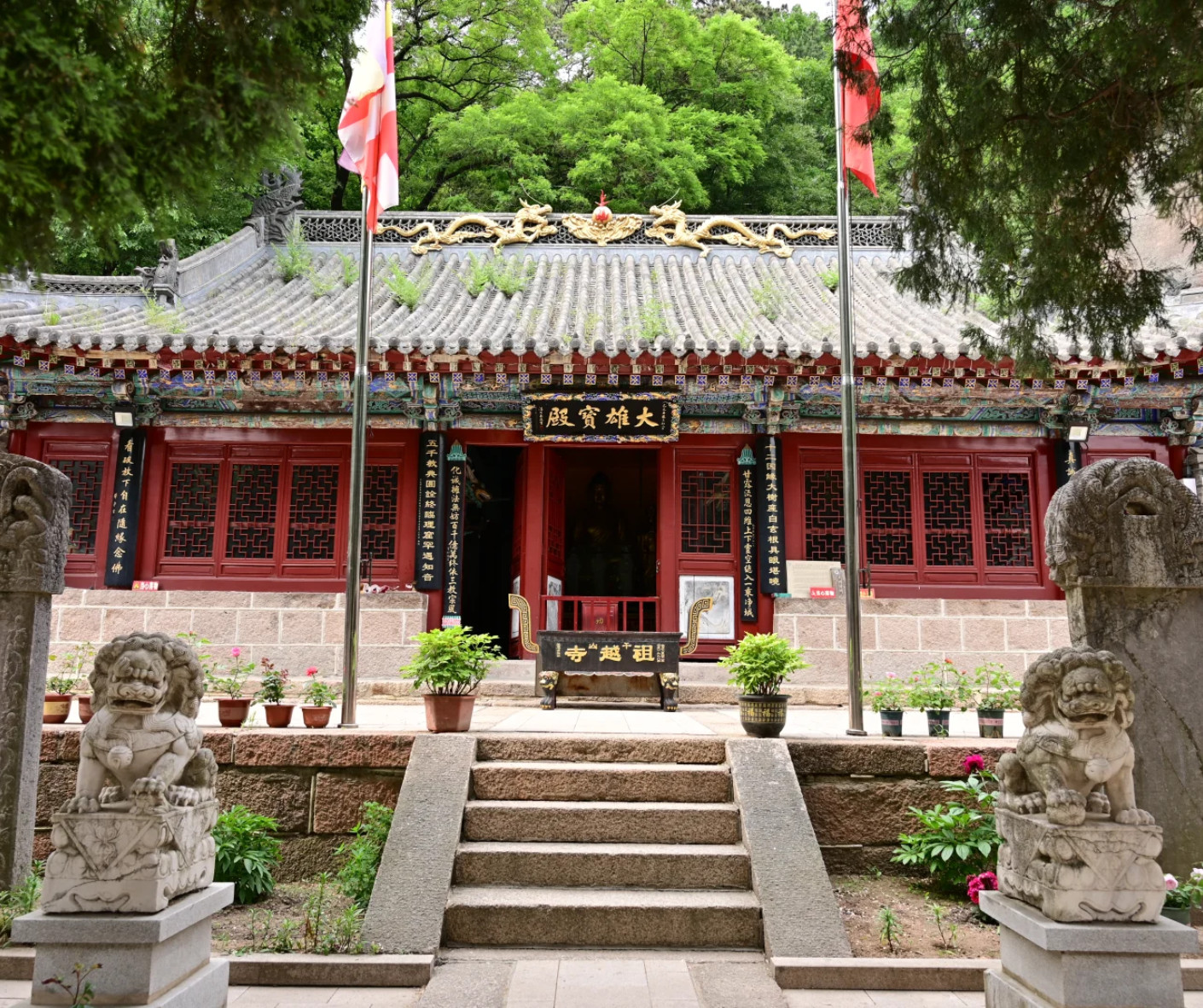
You will notice that Qianshan Temple Group temples show a special kind of architecture. The buildings stand on mountain slopes. The roofs rise in layers, following the land. This design helps the temples blend with nature. You see wide eaves that stretch out like wings. These eaves protect the walls from rain and sun. The corners of the roofs curve up. This shape is a key part of the sino-tibetan architectural style. It makes the temples look light and graceful.
You can find many halls and pavilions in each temple. The main hall often sits at the center. Smaller halls stand around it. This layout shows the importance of balance in buddhism. The open courtyards let you see the sky and feel the wind. You walk from one space to another and feel calm. The design of each temple helps you understand the meaning of buddhism.
Tip: When you visit, look for the stone steps and gates. These features show the careful planning behind the architecture.
Materials and Craftsmanship
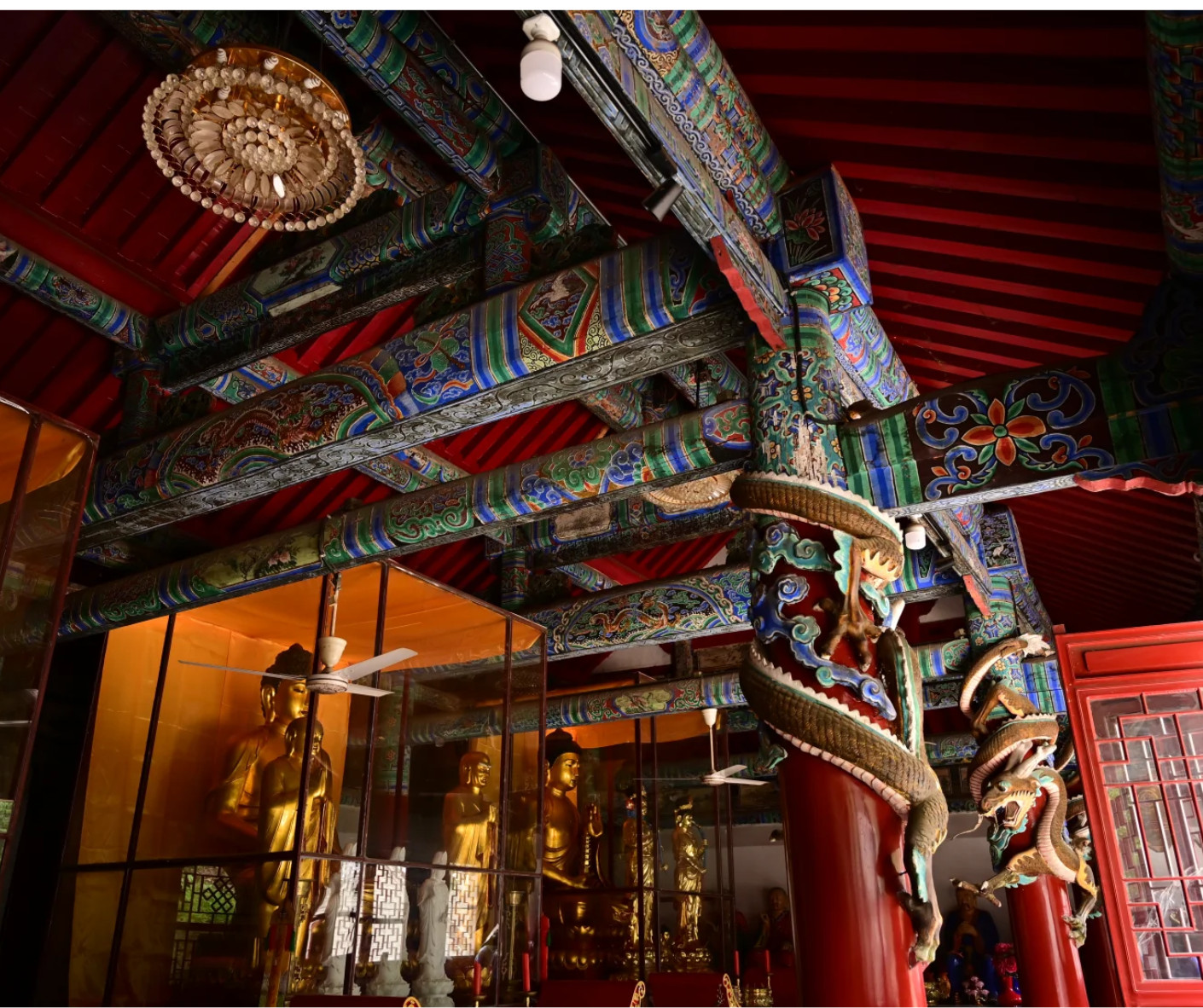
You will see that builders used wood, stone, and glazed tiles for these temples. Wood gives the buildings a warm feeling. The beams and columns show strong joinery skills. Stone bases keep the temples safe from damp ground. Glazed tiles cover the roofs. They shine in the sun and show the temple’s beauty.
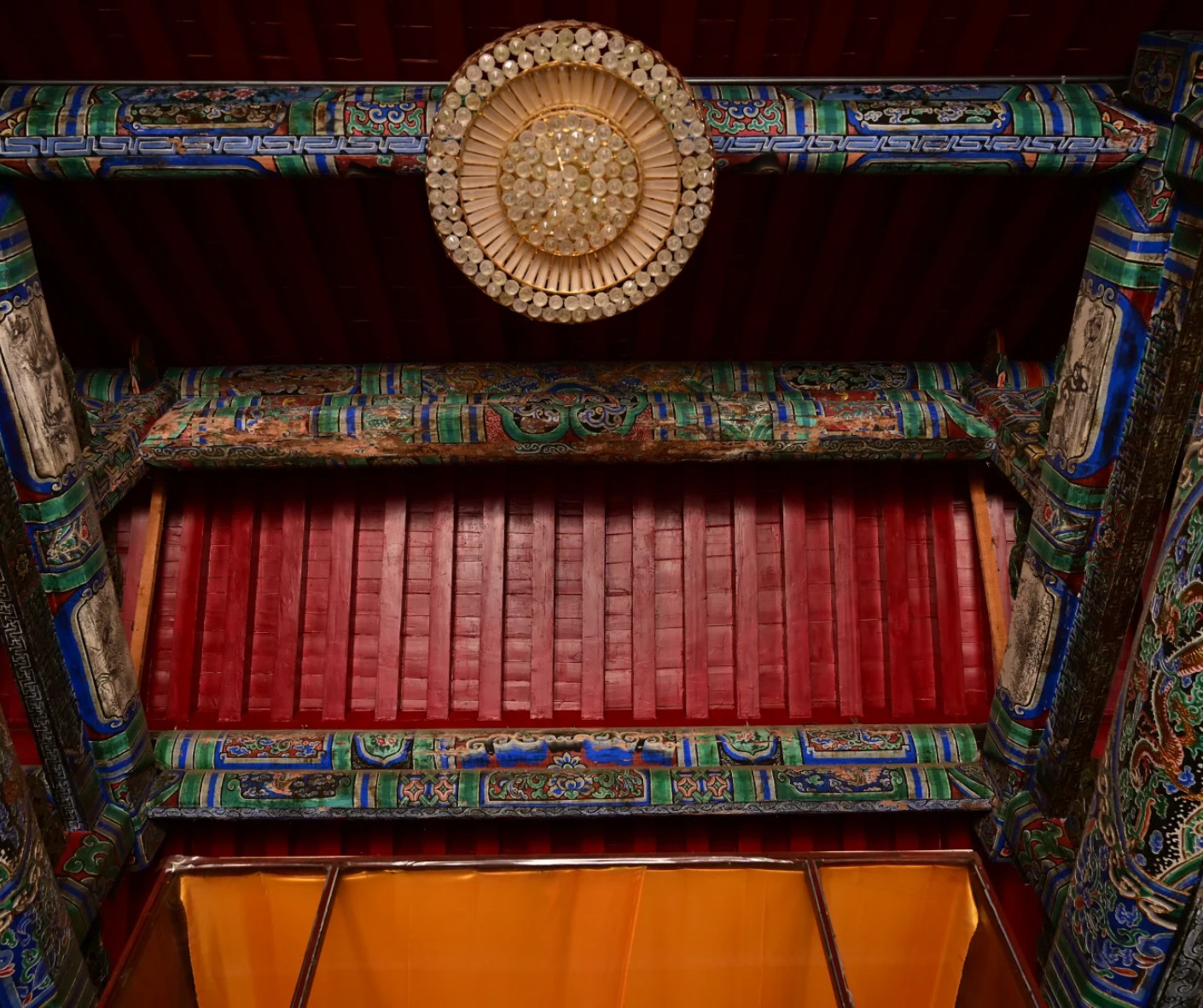
Artisans carved dragons, lotuses, and clouds into the wood. These symbols have deep meaning in buddhism. The bright colors on the beams and ceilings come from natural pigments. Each color and pattern has a purpose. The style of the Qianshan Temple Group temples shows the skill and care of the builders. You can feel the spirit of buddhism in every detail.
Material | Use in Architecture | Symbolism in Buddhism |
|---|---|---|
Wood | Beams, columns, brackets | Life and growth |
Stone | Foundations, steps | Strength and peace |
Glazed Tiles | Roofs | Purity and light |
You can explore these features with China Explorer Tour. You will learn how architecture and buddhism connect in every temple.
Qianshan Buddhist Temples Roof Styles
Distinctive Roof Designs
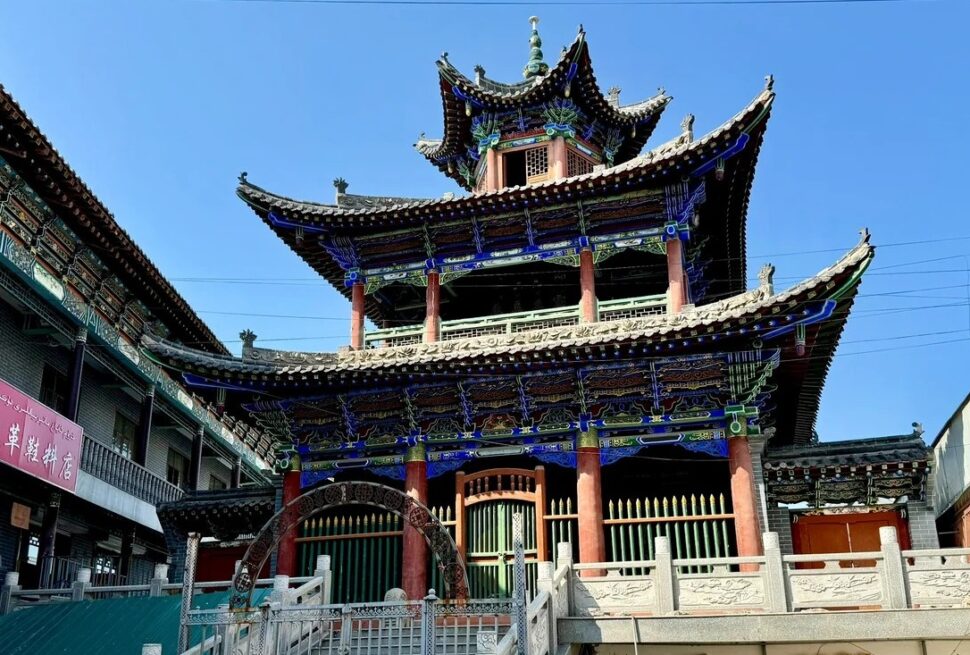
You see many roof styles when you visit Qianshan Temple Group. Each temple shows a unique look. The roofs stand out because of their shape and structure. You notice the sweeping curves at the corners. These curves lift the roof, making the temple look light and open. The roofs often have several layers. You see one layer stacked above another. This layered architecture gives the temple a sense of depth and grandeur.
You find wide eaves that stretch far from the walls. These eaves protect the temple from rain and sun. The roof tiles shine in the sunlight. The tiles come in different colors, such as green, yellow, and blue. Each color has meaning in buddhism. The roof beams and brackets show careful architecture. Builders use strong wood and clever joinery. You see how the roof fits with the mountain landscape. The temple blends with the trees and rocks. The design helps the temple become part of nature.
Note: You can spot the difference between temple roofs in Qianshan Temple Group and other places. The roofs here often follow the mountain slope. This feature makes the architecture special.
Symbolism and Decoration
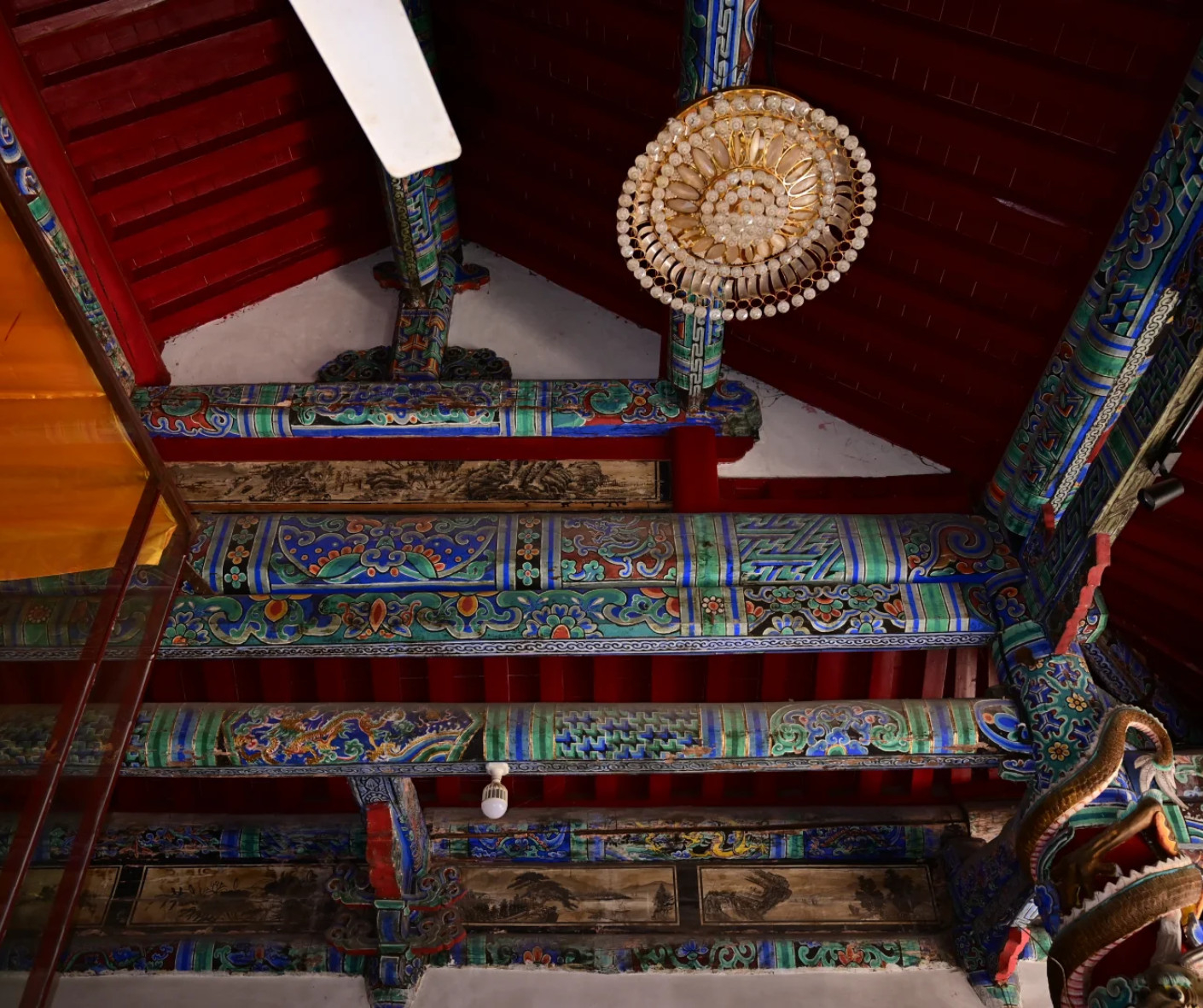
You discover that every roof in Qianshan Temple Group has deep significance. The decorations on the roof tell stories from buddhism. You see dragons, phoenixes, and lotuses carved into the beams. These symbols show the connection between the temple and spiritual beliefs. The roof style reflects the values of buddhism. The upward curves at the corners point to the sky. This shape shows hope and harmony.
You notice bright colors and patterns on the roof. Red, gold, and blue appear often. Each color stands for a different idea in buddhism. Gold means wisdom. Red shows joy. Blue stands for peace. The roof tiles sometimes have cloud patterns. These patterns remind you of the heavens. The decorations use both art and architecture to teach lessons.
Symbol | Decoration Location | Meaning in Buddhism |
|---|---|---|
Dragon | Roof beams | Power and protection |
Lotus | Roof tiles | Purity and rebirth |
Phoenix | Roof corners | Renewal and harmony |
Clouds | Tile patterns | Connection to heaven |
You learn that the roof features help you understand the temple’s role in buddhism. The architecture uses style and design to create a peaceful space. You can explore these details with China Explorer Tour. The guides explain the significance of each decoration. You gain a deeper understanding of the temple and its features.
Layout and Landscape Integration
Hall and Courtyard Arrangement
The hall and courtyard setup in Qianshan Temple Group temples shows careful planning. The main hall is in the center. Smaller halls are around it. Each hall has its own use. Courtyards sit between the halls. These spaces let you walk and think. Courtyards link the halls and make a smooth path. Builders use design to guide your steps. You go from one hall to another and notice the change.
The layout matches the mountain’s shape. The halls go up in levels. You climb stairs and walk through gates. Each step brings you closer to the main hall. The design uses balance and symmetry. The halls line up with the courtyards. This setup helps you see why each space matters. The temple feels calm and neat.
Tip: If you visit with China Explorer Tour, guides explain how the design affects your visit. You learn why each hall is placed in its spot.
Harmony with Nature
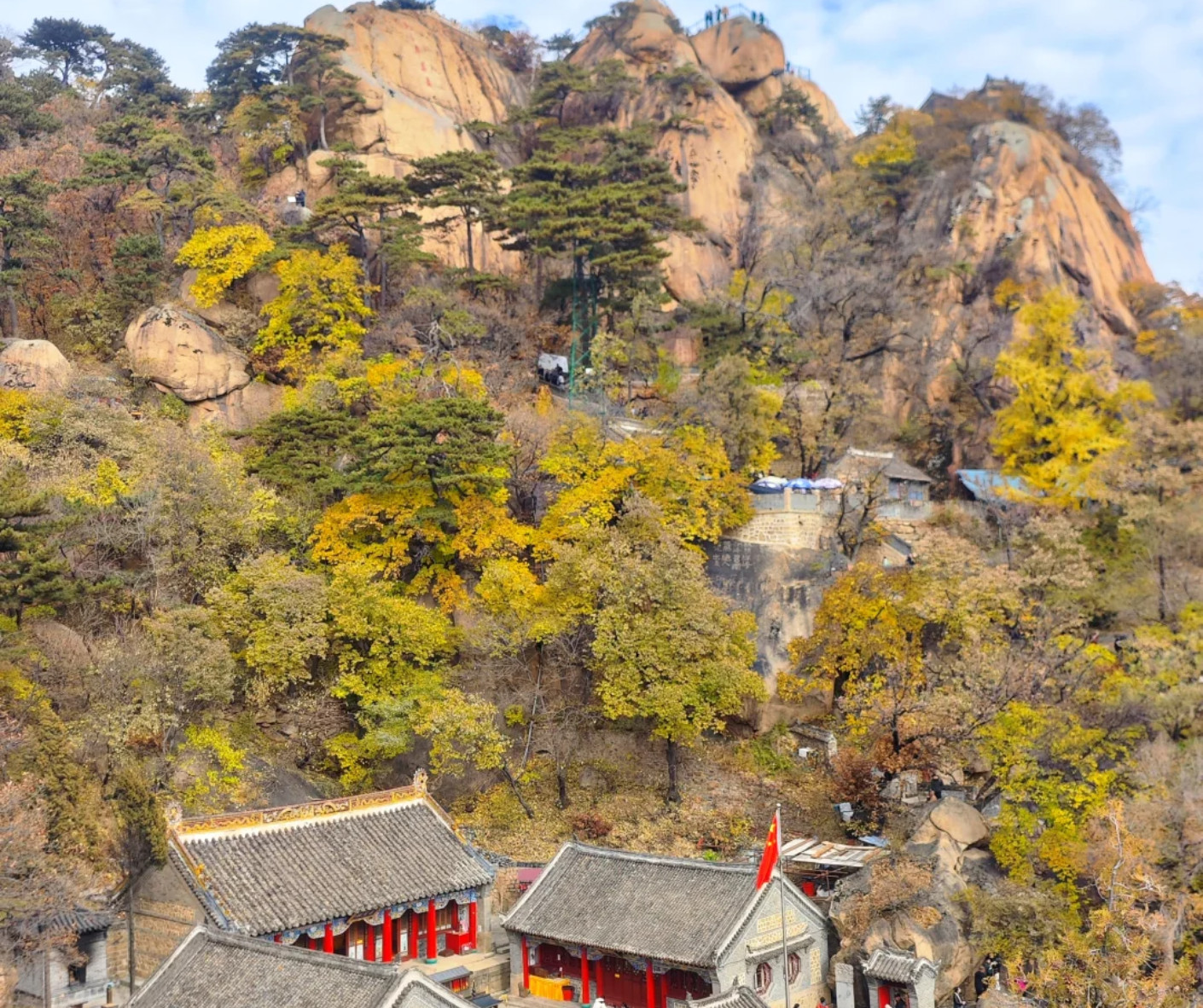
Qianshan Temple Group temples use design to fit with nature. The buildings are among trees and rocks. Roofs match the mountain slope. The design uses sunlight well. Sun shines into the courtyards and halls. You feel the wind as you walk in open spaces.
The design respects the land. Builders do not change the mountain. They use the land’s shape to plan the temple. Gardens and ponds are in the courtyards. These features add beauty and peace. The design makes the temple and nature work together.
Birds sing in the trees.
Flowers bloom near the halls.
Cool air comes from the mountain.
The design of Qianshan Temple Group temples shows the importance of balance. Nature and buildings fit together. You feel peace and unity. China Explorer Tour helps you see these features. Guides show how the design connects with the mountain and sky.
Feature | Role in Architecture | Effect on Experience |
|---|---|---|
Courtyards | Open space between halls | Calm and reflection |
Gardens | Blend with landscape | Beauty and harmony |
Roofs | Follow mountain slope | Unity with nature |
You learn that design is not just about buildings. It is about making a place where you feel close to the world around you.
Comparing Qianshan Buddhist Temples to Other Temples
Regional Distinctions
When you visit Qianshan Temple Group, you notice how different these temples look compared to others in China. The roofs here follow the mountain’s natural slope. You see layers of eaves that seem to flow with the land. Many temples in other regions stand on flat ground, so their roofs look more uniform and straight. In Qianshan Temple Group, the roof curves and angles help the buildings blend into the forest and rocks. This design makes each temple feel like part of the mountain.
You also find a special mix of buddhism and Taoism in these temples. Most temple groups in China focus on one tradition. Here, you can walk from a buddhist hall to a Taoist pavilion in the same area. The decorations on the roofs show symbols from both traditions. Dragons, lotuses, and phoenixes appear together. This blend gives the temples a unique look and meaning.
The layout of the temples in Qianshan Temple Group uses the mountain’s shape. You climb stairs and pass through gates as you move higher. Other temples often use a flat, square layout. Here, the arrangement feels more like a journey through nature. The courtyards and gardens fit between the trees and rocks, making the whole area peaceful and balanced.
Experience with China Explorer Tour
You can explore these differences with China Explorer Tour. The tour guides help you see what makes each temple special. You visit both buddhist and Taoist sites. You learn how the roof styles and decorations show the spiritual blend of the area. The guides explain why the temples use certain colors and symbols. You spend time in the courtyards and halls, feeling the calm that comes from the design.
Qianshan has 38 preserved or restored temples in a large park.
The area shows how buddhism and Taoism have lived together for over a thousand years.
You can see the roof styles up close and learn about their cultural and spiritual meaning.
The tour helps you understand why the temples look and feel different from others in China.
China Explorer Tour creates tailored journeys for you. You get a deeper look at the architecture and the stories behind each temple. The guides share local knowledge and help you connect with the culture. You leave with a better understanding of why Qianshan Temple Group stands out among temple groups in China.
You look at roofs that curve and sparkle. The halls go up with the mountain. These parts show the beauty and spirit of Qianshan Temple Group. The colors and carvings help you learn about harmony in Chinese culture. You feel calm as you walk in courtyards and gardens. If you want to know more, China Explorer Tour can help you visit these temples. You find out how architecture leaves a lasting mark.
FAQ
What makes the roof style of Qianshan Temple Group temples unique?
The roofs follow the shape of the mountain. They have big curves and layers. This helps the temples fit in with nature. The buildings look beautiful and match the land.
Why do the temples use bright colors and decorations?
You see bright colors and carvings on every temple. These show how important buddhism is. Gold means wisdom, and red means joy. Dragons and lotuses teach about spiritual ideas.
How does the architecture reflect buddhism?
The temple layout and design help you feel calm. Open courtyards and halls bring peace. The sino-tibetan architectural style shows buddhist values.
Can I visit both buddhist and Taoist temples in Qianshan Temple Group?
You can visit both kinds of temples here. The designs use symbols from both traditions. This mix gives the temples a special look and meaning.
How can China Explorer Tour help me explore these features?
You can join a China Explorer Tour to learn more. Guides tell you about each temple’s design. You see how the style connects to buddhism and the mountain.
See Also
Key Insights for Exploring Gaomiao Temple in Ningxia
Important Information Before Your Trip to Xumishan Grottoes
Helpful Advice for Newcomers to Huoshizhai Attractions
Comprehensive Guide for Your Visit to Qarhan Salt Lake
Essential Information for Travelers Heading to Liupan Mountain