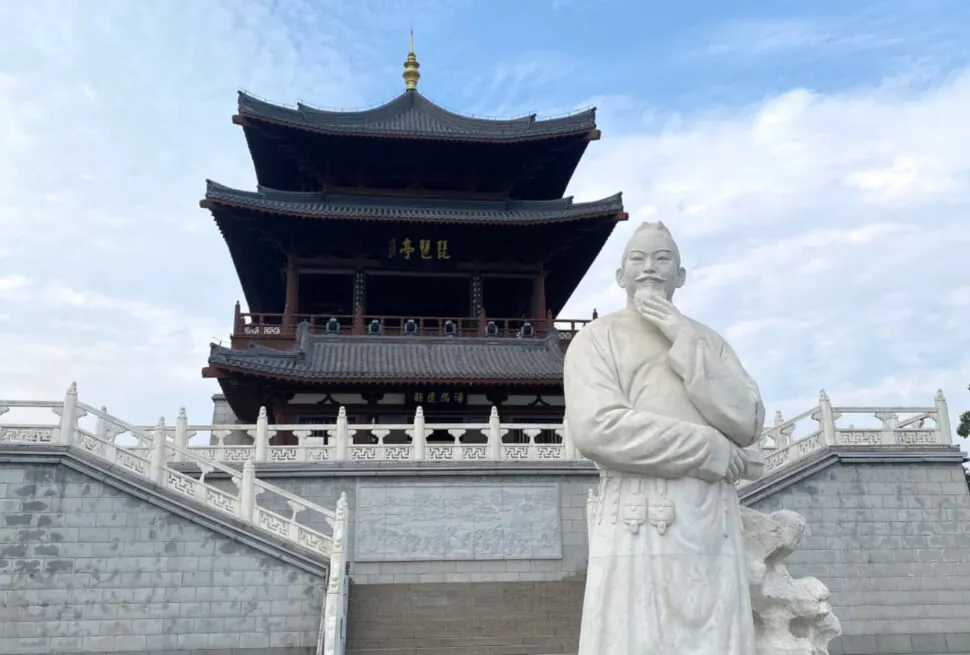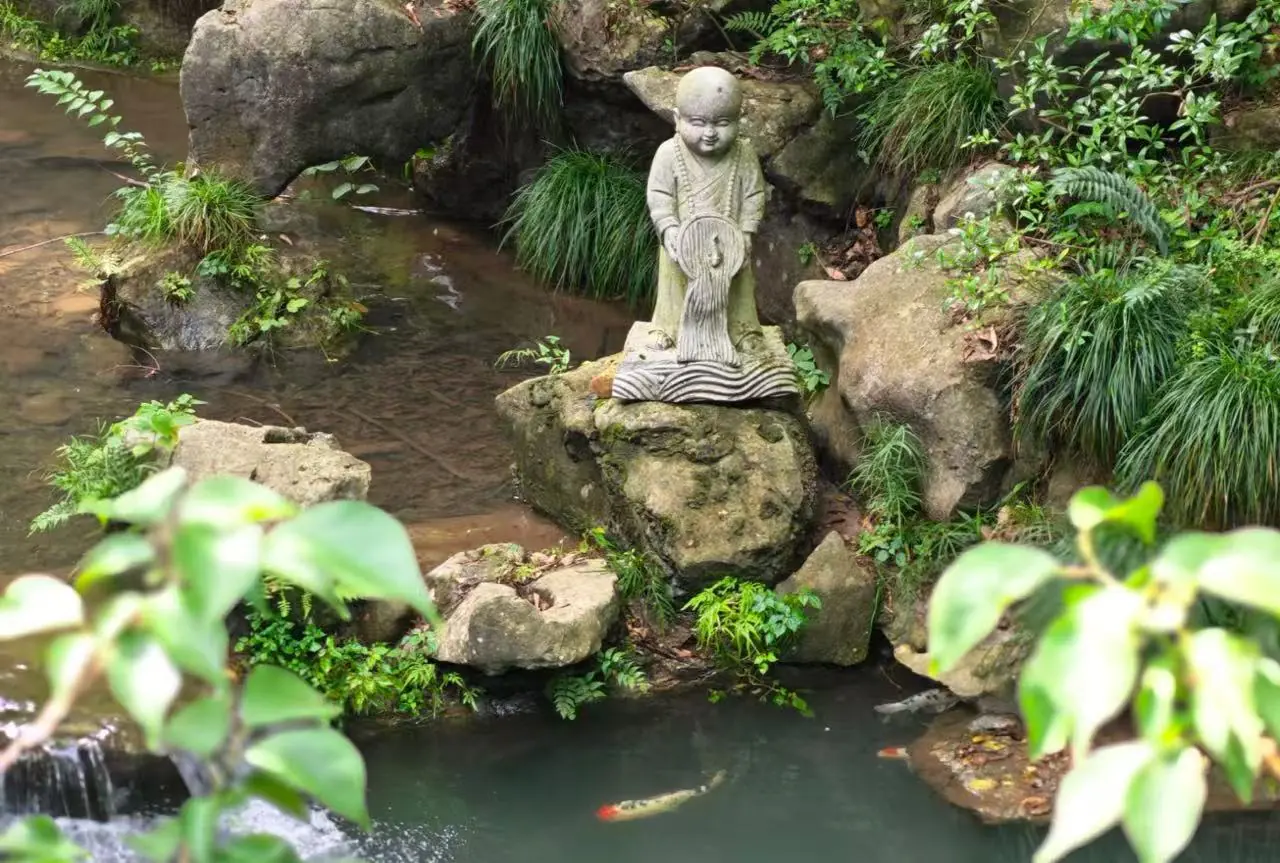
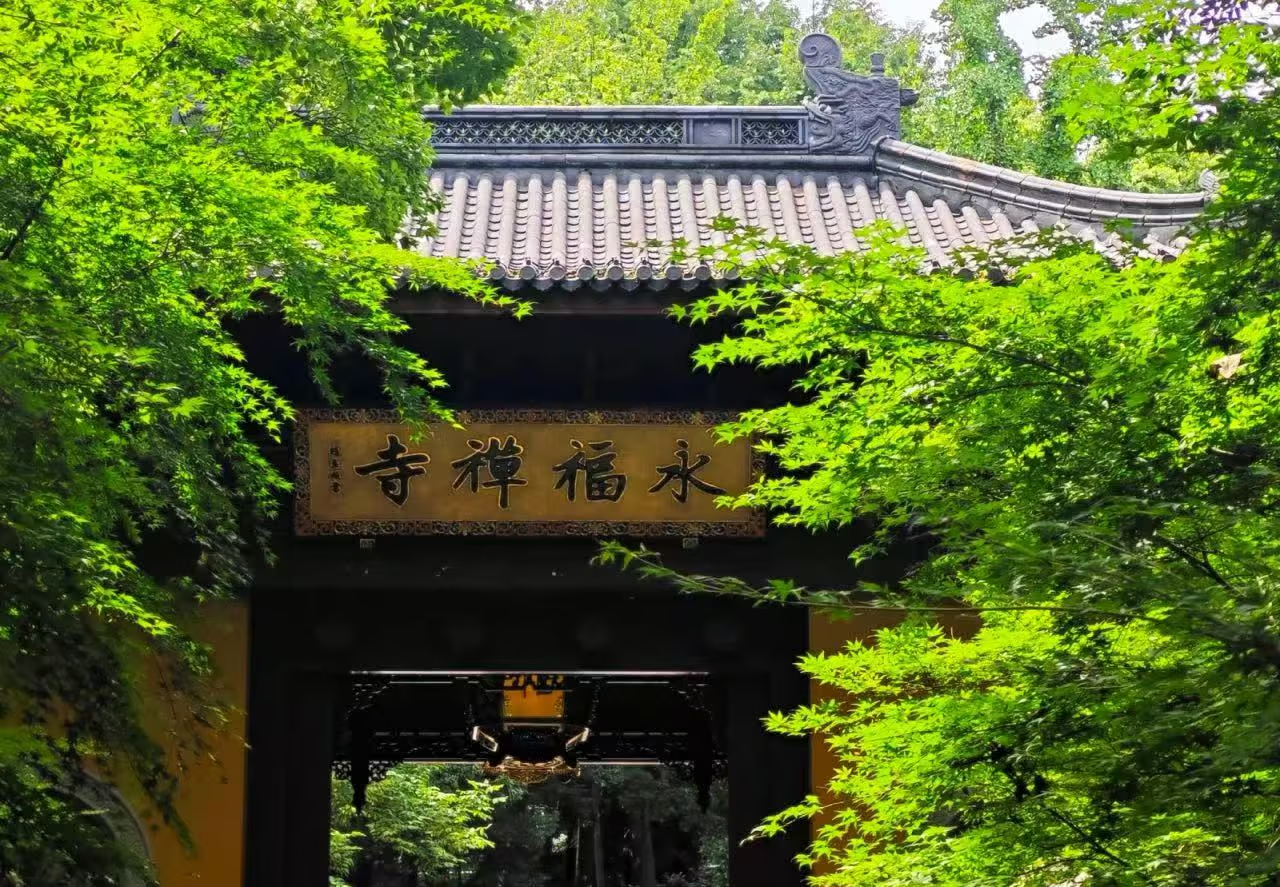
If you want to explore hangzhou lingyin temple, start by planning your visit and choosing the best way to get there. This spot ranks as one of the top must-see attractions in hangzhou, drawing nearly 11 million visitors every year. You will find ancient halls, peaceful courtyards, and the famous Feilai Peak with over 340 carved grotto statues. The temple has stood for almost 1,700 years, making it a true must-see attraction. With this guide, you can discover all the must-see attractions and make the most of your trip.
Key Takeaways
Pick a good time to visit Lingyin Temple. Spring and autumn mornings are nice and not crowded.
Book your free ticket online at least one day before. This helps you enter the temple easily.
Walk around the temple grounds to see old halls and the big Sakyamuni Buddha statue. Every hall has its own story.
Taste the well-known vegetarian noodles at restaurants nearby. This dish stands for peace and good luck.
You can join a guided tour with China Explorer Tour. Guides share expert tips and make your visit easy.
Hangzhou Lingyin Temple Overview
History and Significance
When you walk into lingyin temple, you can feel its long history. This buddhist temple was started in the Eastern Jin Dynasty by an Indian monk named Huili. Over many years, it became one of China’s most important spiritual places. Check out the table below to see what makes this temple special:
Aspect | Description |
|---|---|
Historical Background | Built during the Eastern Jin Dynasty (317-420) by the Indian monk Huili. |
Cultural Importance | Named a key historical and cultural site in 1961, showing it still matters today. |
Architectural Significance | Found in a beautiful valley, it is one of China’s top Buddhist temples. |
You can see old halls and a quiet valley around you. The temple’s story links you to many years of faith and tradition.
What Makes It Special
Lingyin temple is special because it mixes nature, culture, and spirituality. You will see the biggest statue of Buddha Sakyamuni sitting on a lotus. This statue amazes everyone who visits. The temple’s vegetarian noodles are not just food. For locals, eating them is a tradition that brings peace and luck. During big festivals, you may see long lines of people who want to start their year fresh.
The temple’s vegetarian noodles stand for peace and good luck.
At festivals, many people come for blessings and to feel renewed.
As you walk further into the valley, the city sounds disappear. You hear soft chanting and bamboo leaves moving. This calm feeling makes lingyin temple a great place for travelers and people looking for peace. If you want to learn more about China’s buddhist temple culture, you can join a guided tour like China Explorer Tour. You will get help from experts and learn more about local customs.
Visitor Information for Lingyin Temple
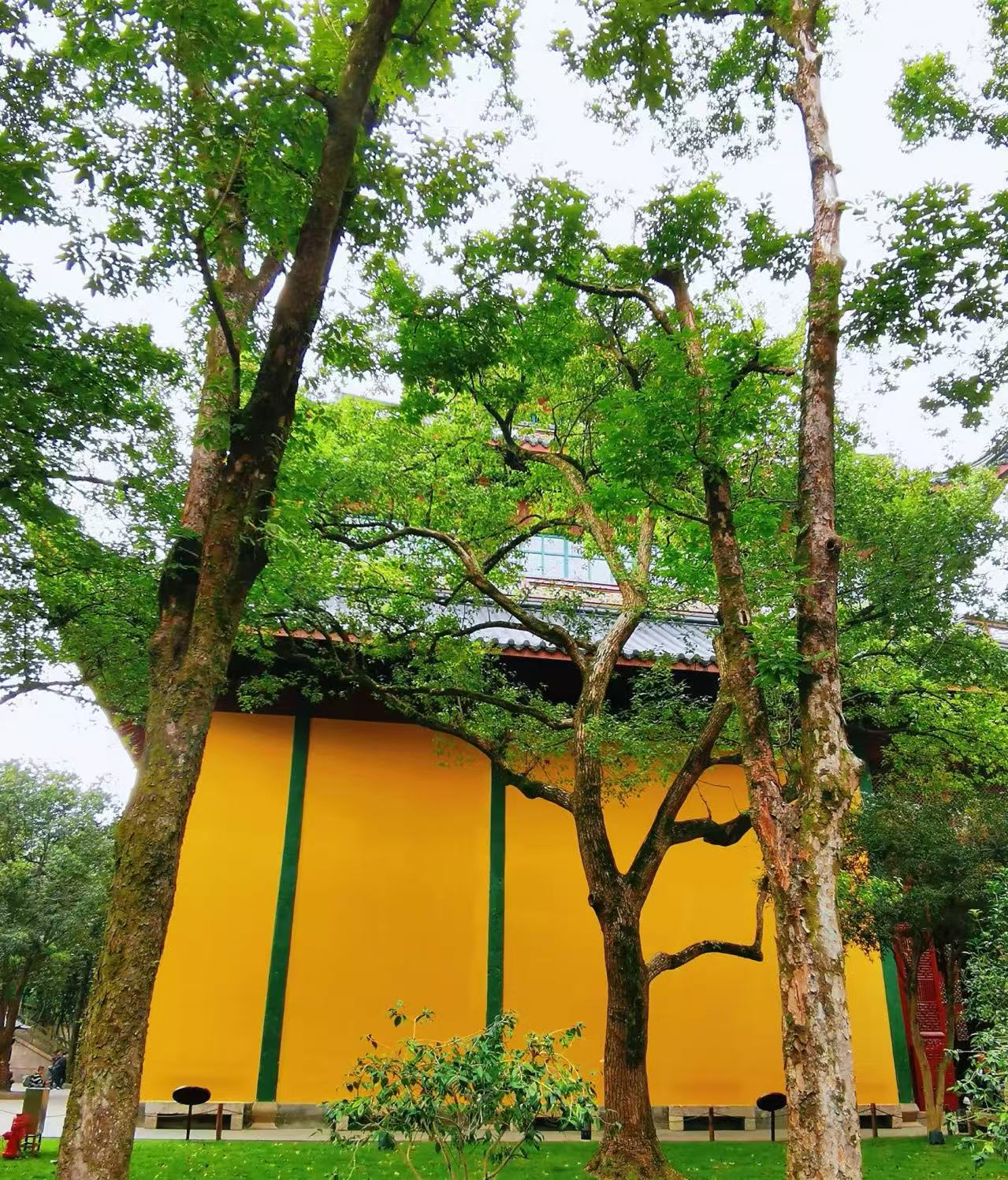
Location and Map
You will find Lingyin Temple in the scenic West Lake area of Hangzhou.
The temple sits close to many famous attractions, making it easy for you to plan a full day of sightseeing.
Here’s what you need to know about the location:
Address: Lingyin Lu, Hangzhou
The temple is near West Lake, one of the city’s most popular spots.
You can visit other nearby attractions after your temple tour.
If you use a map app, just search for Lingyin Temple in Hangzhou. Most navigation apps will guide you right to the entrance.
Opening Hours and Best Seasons
Lingyin Temple opens every day, so you can visit almost any time. The best time to go is in the morning, especially during spring and autumn. You will enjoy pleasant weather and fewer crowds. Here are some tips for planning your visit:
Spring (March–April) and autumn (September–October) offer comfortable temperatures.
Mornings are quieter, so you can explore at your own pace.
If you want to avoid crowds, try to visit on weekdays.
You will see beautiful gardens and peaceful courtyards during these seasons. The temple grounds look stunning with fresh flowers in spring and colorful leaves in autumn.
Lingyin Temple Tickets and Reservations
Starting December 1, 2025, you can enter Lingyin Temple for free. This new policy makes it easier for everyone to experience the temple’s beauty. You still need to reserve your spot before you arrive. Here’s how the ticket system works:
You must book your ticket online at least one day in advance.
Same-day reservations are not allowed.
You need to use your real name and pick a time slot for your visit.
Entry slots are 7:30–12:00 and 12:00–17:00. Make sure you arrive during your chosen time.
You can find ticket information on the official website or through trusted travel platforms. If you want a smooth experience, consider using China Explorer Tour’s AI-powered tools. They help you with reservations and planning, so you don’t miss out on anything.
Contact and Official Resources
If you need help or want more details, you can reach out to the temple directly. Here’s a quick guide to the official resources:
Detail | Information |
|---|---|
Address | |
Telephone | (0571)87968665 |
Official Website | |
Reception Room Tel. | 0086-571-87968665 |
Transportation | Take J17, J18, K837, K7, K807, Y1 or Y2 and get off at Ling Yin Stop. Or take Y4 and get off at East Gate of Lingyin. Or take K837 and get off at Lingyin Parking Lot. |
Tip: If you have questions about your ticket or need help with reservations, you can call or email the temple staff. They often reply quickly and can help you in English.
You can also use China Explorer Tour’s online support for extra help. Their team knows the local area and can answer your questions about Lingyin Temple and ticket information.
Getting to Lingyin Temple
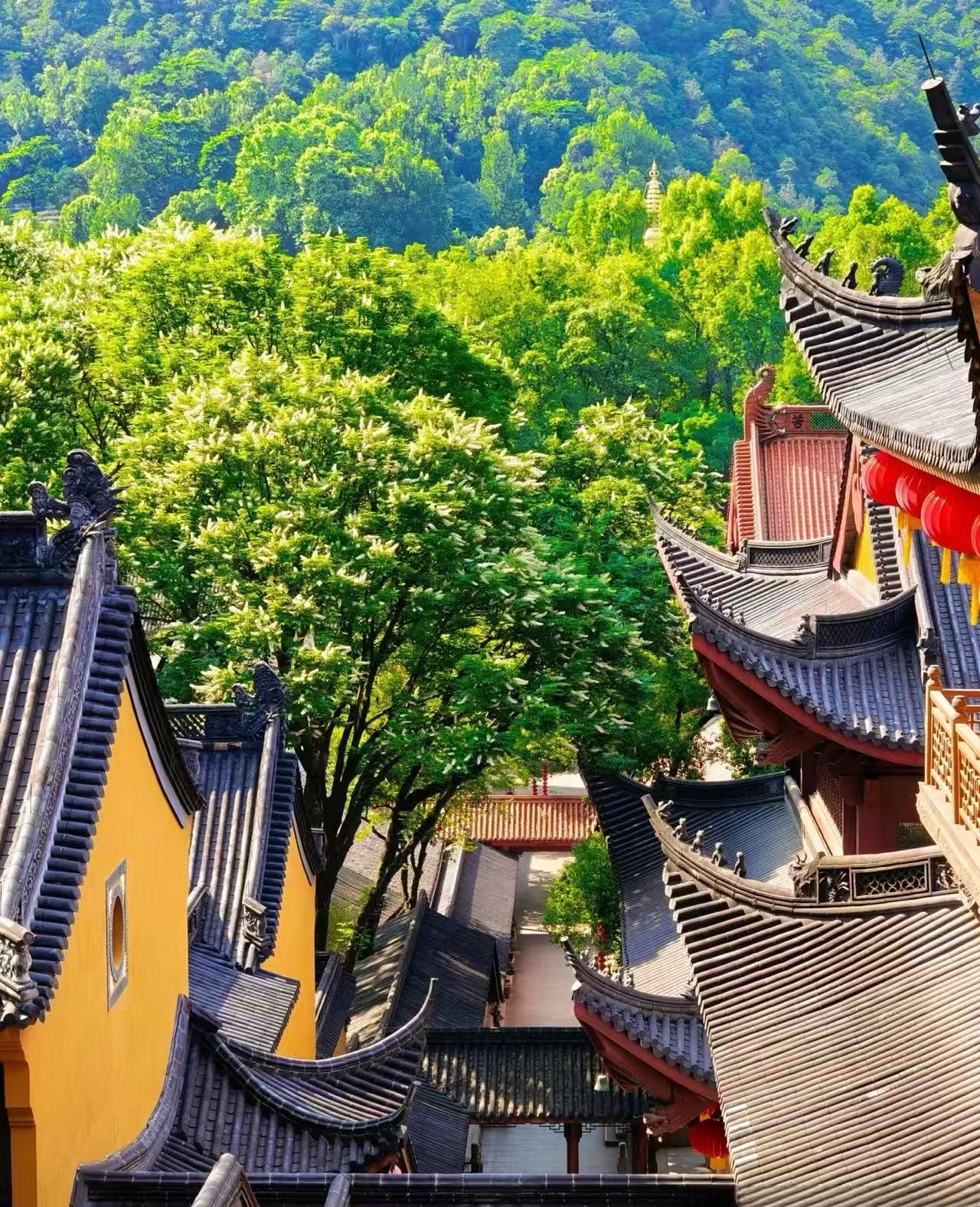
Public Transport and Car
There are many simple ways to get to Lingyin Temple. Most people take a bus or taxi.
These ways are fast and do not make you tired. Walking or biking is fun near West Lake. But it is too far to walk or bike to the temple.
Here are your main ways to travel:
Transportation Option | Description | Average Travel Time |
|---|---|---|
Tourist Bus (Y2) | Goes straight to main attractions for visitors. | 30–40 minutes |
Taxi | Easy to find and quick in Hangzhou. | 20–30 minutes |
Bicycle | Nice for riding around West Lake. | 30–60 minutes |
You can take bus lines like Route 7, Y2, 324, and 807. These buses stop close to the temple. If you want to use the metro, take Line 2 to Fengtan Road station. You will need to walk about thirty minutes from there. If you drive, you can park in a parking lot near the temple.
Tip: Buses and taxis are the easiest ways to get there. You will not have to walk far and can save energy for your visit.
Guided Tours (China Explorer Tour)
Guided tours are a good idea if you want an easy trip. China Explorer Tour has different tour packages. These tours give you a private guide, a nice place to stay, and a car ride. You will get to learn a lot about the culture. Their smart tools help you plan, book, and ask questions. This is great for travelers from other countries who want help and advice.
Tour Package Name | Key Features | Benefits for International Travelers |
|---|---|---|
Hangzhou Tours & Best China Hangzhou Tour Packages 2025/2026 | Private tour, cozy accommodation, private guide, comfortable car transfer | Personalized experience, cultural immersion |
5 Days Hangzhou Wuzhen Essence Tour | Journey through Hangzhou and Wuzhen | Local charm, scenic beauty |
4 Days Hangzhou Shaoxing Essence Tour | Visits to West Lake, Lingyin Temple, and more | Access to top cultural sites |
Note: China Explorer Tour’s smart support makes booking and planning simple, especially if you are new to China.
Accessibility Tips
Lingyin Temple is open to everyone, no matter their age or ability. Most main paths are flat and smooth. You can use a stroller or wheelchair on these paths. Some places have stairs, which can be hard for wheelchairs or strollers. If you need help, bring a light stroller or ask someone for help.
Feature | Description |
|---|---|
Main Areas Accessibility | Flat, smooth paths for strollers and wheelchairs. |
Stairs in Attractions | Some spots have stairs. |
Recommendation | Bring a light stroller or ask for help to get around. |
Tip: Plan your path before you go if you need easy ways to get around. The temple staff can show you the best way to move around the temple.
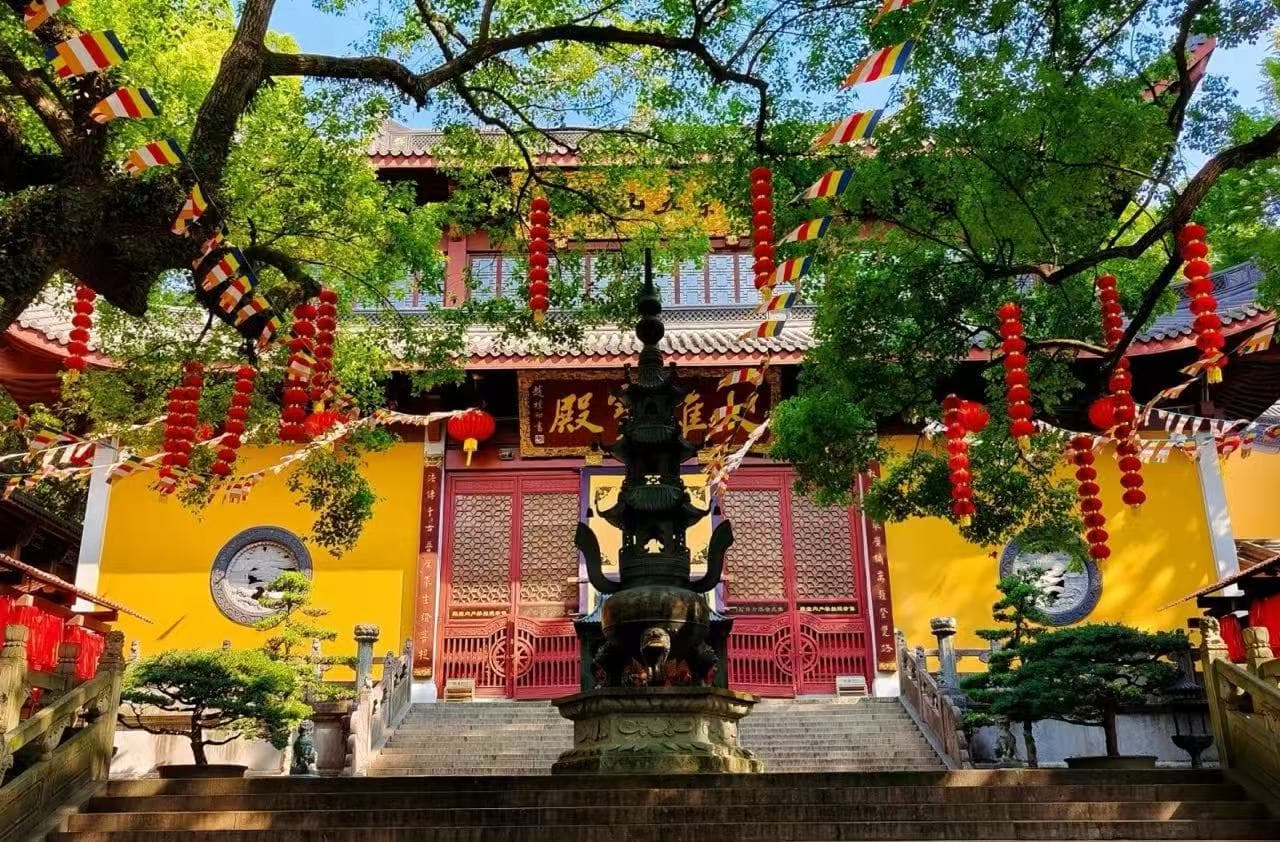
Exploring the Temple Grounds
Main Entrance and Layout
When you arrive at the main entrance, you step into a world of history and peace. The entrance leads you to the Hall of the Heavenly Kings, where you see a double-eaved building with statues of Maitreya Buddha and Skanda Buddha. The temple grounds stretch out in a clear path, so you never feel lost. You move from one hall to the next, each with its own story and atmosphere.
Here’s a simple table to help you picture the layout:
Building Name | Description |
|---|---|
Hall of the Heavenly Kings | The formal entrance, a double-eaved building with a statue of Maitreya Buddha and Skanda Buddha. |
Mahavira Hall | The principal hall, housing a statue of Shakyamuni, separated from the Hall of the Heavenly Kings. |
Hall of the Five Hundred Arhats | Faces the western side of the courtyard, shaped like a swastika with bronze statues of arhats. |
Hall of the Medicine Buddha | Located further uphill, housing the statue of the Medicine Buddha. |
Sutra Library | Built to recreate the main axis, does not house a major statue. |
Avatamsaka Hall | The last hall on the main axis, housing statues of the three sages of the Avatamsaka Sutra. |
You follow the main axis, passing through each hall. The path is easy to walk, and signs help you find your way. You can use China Explorer Tour’s AI-powered tools to get a digital map and tips for your visit.
Lingyin Temple Highlights
You start your journey at the Hall of Heavenly Kings. This hall welcomes you with a golden Laughing Buddha and Skanda Bodhisattva. The Grand Hall, also called the Grand Hall of Great Sage, stands tall at 33.6 meters. Inside, you see the largest wooden Buddhist statue in China, carved from camphor wood and coated with gold. The Mahavira Hall holds a statue of Sakyamuni, made from 24 pieces of camphor wood. The Medicine Buddha Hall sits behind the Grand Hall and features statues of the Medicine Buddha and two Bodhisattvas, symbolizing sunlight and moonlight.
You feel the history in every corner. The halls show the rich culture and faith that have lasted for centuries. The statues and relics make you pause and reflect. You can take photos, but remember to be respectful.
Tip: If you want to learn more about the stories behind each statue, ask your guide or use an app recommended by China Explorer Tour.
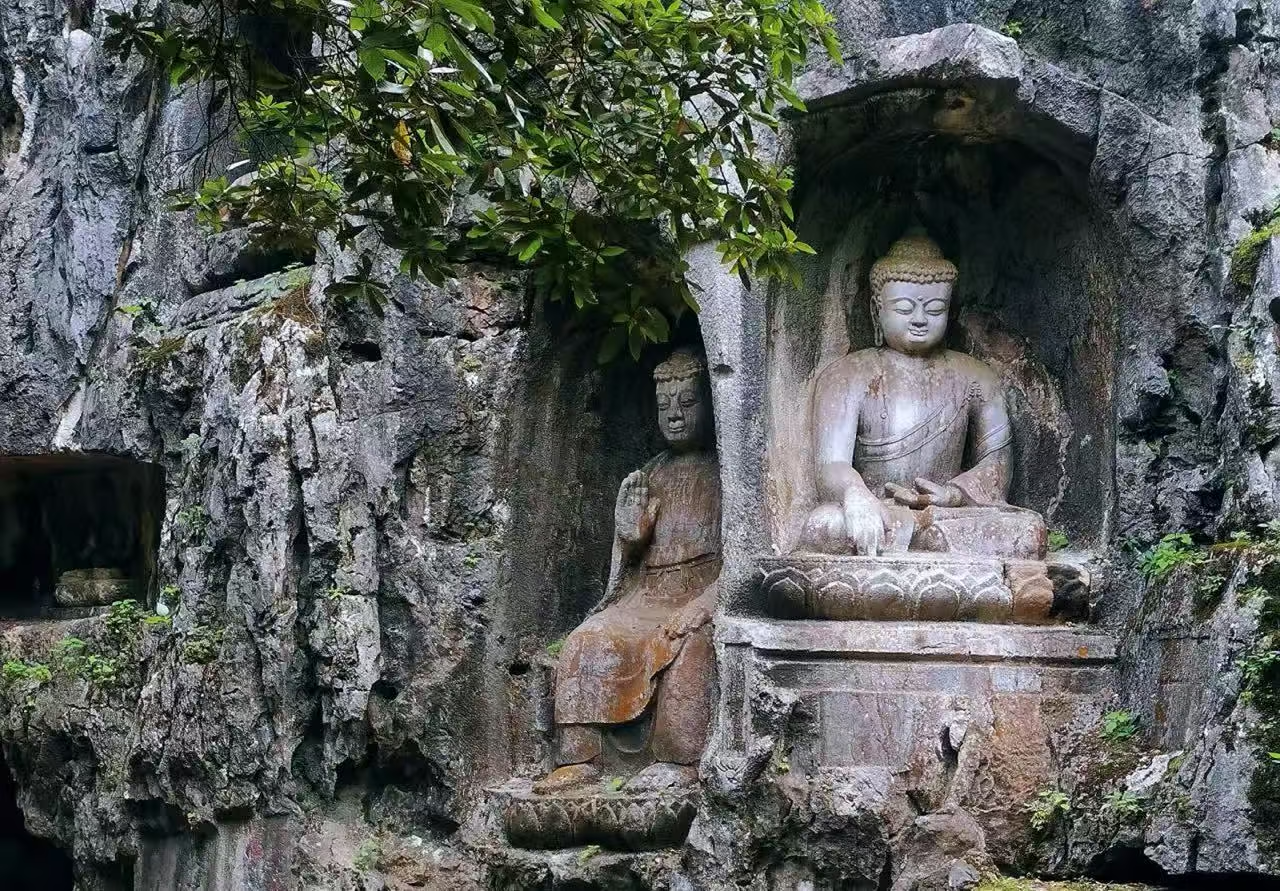
Feilai Peak and Grottoes
Feilai Peak stands next to the temple and draws many visitors. You see limestone cliffs covered with ancient carvings. The site is famous for its Buddhist rock carvings, which date back to the 10th century. People call it “Hangzhou’s Dunhuang” because of its artistic value.
Here’s a quick look at what makes Feilai Peak special:
Feature | Description |
|---|---|
Historical Importance | One of southern China’s most significant Buddhist rock carvings, recognized as a National Cultural Heritage site. |
Artistic Value | Over 300 ancient Buddhist stone carvings, showing the evolution of Buddhist art through various dynasties. |
Integration with Nature | The carvings blend into the natural landscape, making your visit feel spiritual and peaceful. |
You see iconic figures like the Laughing Maitreya Buddha and graceful Guanyin.
The grottoes show how Buddhist art changed over time.
The carvings and caves make you feel like you are part of history.
You can walk along the paths and explore the caves. The area is shady and cool, perfect for a break from the city.
Smaller Halls and Pagodas
As you wander, you find smaller halls and pagodas tucked away in quiet corners. These spots are less crowded, so you can enjoy a peaceful moment. The Hall of the Five Hundred Arhats stands out with its bronze statues shaped in a swastika pattern. The Sutra Library offers a calm space for reading and reflection. The Avatamsaka Hall, at the end of the main axis, holds statues of the three sages of the Avatamsaka Sutra.
You might see monks walking or hear soft chanting. The gardens around the halls have bamboo, flowers, and old trees. You can sit and rest or take photos of the scenery.
Note: If you want to explore every corner, plan extra time. China Explorer Tour can help you create a custom route so you don’t miss any hidden gems.
You finish your walk feeling calm and inspired. The temple grounds offer a mix of history, art, and nature that you will remember long after your visit.
Suggested Itinerary
Half-Day and Full-Day Routes
Pick an itinerary that matches your travel style. If you only have a few hours, try a half-day plan. Start at Lingyin Temple and look at the main halls. Walk to Feilai Peak next. You will see stone grottoes and carvings there. After that, go to West Lake for a calm boat ride. This plan lets you see Hangzhou’s best spots quickly.
If you have a whole day, you can do more. Begin at Lingyin Temple and spend extra time at Feilai Peak. Enjoy the quiet gardens around the temple. Stop for lunch at a vegetarian restaurant nearby. In the afternoon, walk around West Lake and visit the pagodas. You might also go to the China National Tea Museum. This plan helps you learn more about the culture and scenery.
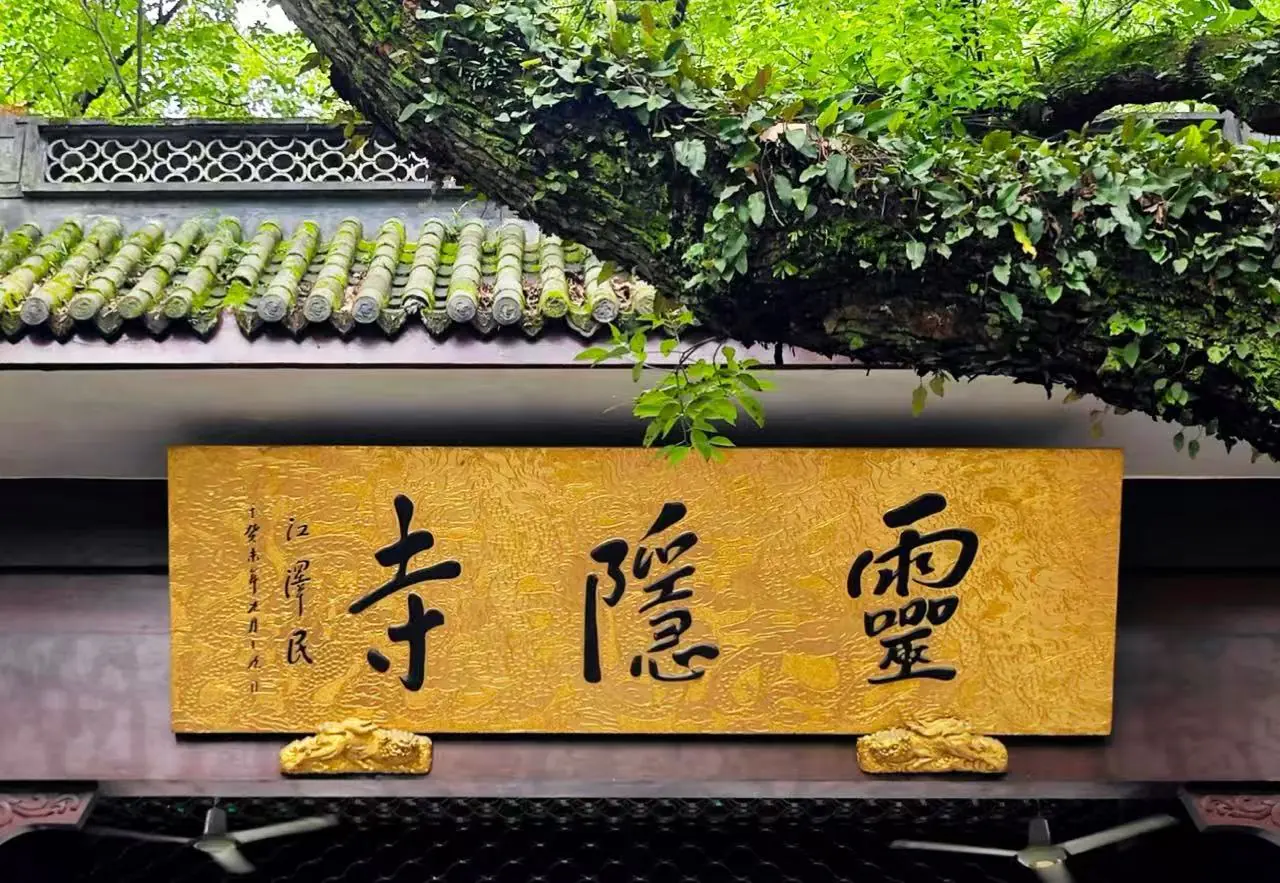
Here is a table to help you pick your plan:
Traveler Type | Half-Day Itinerary | Full-Day Itinerary |
|---|---|---|
Families | Temple + Feilai Peak + West Lake | Temple + Feilai Peak + West Lake + Tea Museum |
Solo Travelers | Temple + Feilai Peak | Temple + Feilai Peak + West Lake + Hefang Street |
Groups | Temple + West Lake | Temple + Feilai Peak + West Lake + Longjing Tea Plantation |
Tip: Try China Explorer Tour’s smart tools for planning. You get custom routes and advice from experts.
Combining with Nearby Attractions
You can make your trip better by adding nearby places. After Lingyin Temple, visit Longjing Tea Plantation. Learn about tea and taste fresh tea there. Hefang Street is also a good stop. Walk down the old street and see Hu Qing Yu Tang, a famous pharmacy museum.
Your plan could look like this:
Start at Lingyin Temple (1-2 hours)
Explore Feilai Peak (1 hour)
Visit Longjing Tea Plantation (2-3 hours)
Walk Hefang Street & Hu Qing Yu Tang (1-2 hours)
Add China National Tea Museum or Liuhe Pagoda if you have extra time
Change your plan to fit what you like. If you love nature, add Xixi National Wetland Park. If you want history, visit the Former Residence of Xueyang Hu. China Explorer Tour can help you plan so you do not miss cool places.
Note: Your plan can be simple or busy. Choose what works for you.
Practical Tips for Visitors
What to Wear and Etiquette
Wear light clothes in spring and summer. Bring a jacket if it is cold. Pick shoes that are good for walking. You will walk a lot at Lingyin Temple. Dress modestly when you go inside main halls. Cover your shoulders and knees to show respect. Keep your voice quiet while you visit. Do not touch statues or relics. Give monks and worshippers space. Bow a little to show respect. You can take photos outside. Look for signs before taking pictures inside.
Vegetarian Meals and Food Options
If you get hungry, try vegetarian food nearby. Zhi Zhu is a popular restaurant close to Lingyin Temple. It has a pretty garden and simple decorations. You can sit outside and enjoy the calm feeling.
Restaurant Name | Location | Features | Menu Highlights |
|---|---|---|---|
Zhi Zhu | Near Lingyin Temple | Pretty garden, simple decor | Vegetarian noodles, dumplings, potstickers, dessert soup |
Vegetarian noodles are a favorite dish here. Dumplings and potstickers taste good and fill you up. Dessert soup is sweet and makes a nice ending.
Safety and Health
Watch your step on stone paths, especially after rain. Bring a small water bottle to stay hydrated. Check food ingredients if you have allergies. Clean restrooms are near the entrance and main halls. Temple staff are friendly and ready to help you.
Quick tip: Use China Explorer Tour’s smart tools for weather and health updates.
Language and Apps
Do not worry about language problems in Hangzhou. Download the Hangzhou Public Transport APP for travel info. It has English and works with Alipay or WeChat Pay. The Zhejiang Travel platform also works with WeChat and Alipay. It gives important travel services.
Hangzhou Public Transport APP: English, buy tickets, check schedules
Zhejiang Travel platform: Works with WeChat and Alipay, travel help
Many signs have English translations to help you. China Explorer Tour’s online support can answer questions and help you use local apps.
Nearby Attractions
West Lake
You can’t visit Hangzhou without seeing west lake. This spot is one of the most famous attractions in China. When you walk along the shore, you see the Lake-Viewing Pavilion. People have loved this place for centuries. Emperor Kangxi even made moon viewing here a tradition. The lake’s beauty inspires poets and artists. You feel the peaceful vibe as you stroll past willow trees and old bridges.
West lake has a deep history. It started as a small bay and grew into a large lake because of silt from the Qiantang River. During the Tang Dynasty, Bai Juyi helped improve the area. Later, Su Shi made more changes in the Northern Song Dynasty. These efforts turned west lake into a cultural gem. You find Buddhist temples and old artifacts with Indian designs. Monks and poets came here to learn and share ideas. The lake’s role in Buddhist learning makes it a special place for visitors.
Tip: Use China Explorer Tour’s AI-powered tools to get a custom walking route around west lake. You can find hidden attractions and learn local stories.
Tea Plantations
You find more attractions just outside the city. Meijiawu Tea Plantation sits about 10 kilometers from downtown Hangzhou. This spot is famous for Longjing tea. You can join tea leaf picking, taste fresh tea, and watch tea art shows. Locals welcome you to try farm food and see how tea is made. The plantation offers a real look at local life. You get to relax in green fields and enjoy the fresh air.
Other Temples
Hangzhou has many attractions for temple lovers. After Lingyin Temple, you can visit Faxi Temple. This quiet spot sits in the hills and feels peaceful. Jingci Temple stands near west lake and offers great views. Both temples have old halls and gardens. You can walk, meditate, or take photos. Each temple has its own story and charm.
Note: If you want to explore more attractions, China Explorer Tour can help you plan your day and find the best routes.
You can explore Lingyin Temple in Hangzhou easily. Here are some things you will enjoy:
Walk inside old halls and see the Laughing Buddha. You will also see the Sakyamuni Buddha.
Visit Feilai Peak and look at Buddhist carvings outside.
Relax in the quiet temple grounds and try vegetarian noodles.
If you book with China Explorer Tour, you get expert guides. They help you plan and answer questions with smart tools. Your visit will be easy and fun.
Make your trip soon and see how special this temple is!
FAQ
How do I reserve my free ticket for Lingyin Temple?
You book your ticket online before you visit. Use your real name and pick a time slot. China Explorer Tour’s AI-powered tools can help you with reservations if you want a smooth experience.
Can I visit Lingyin Temple if I don’t speak Chinese?
Yes, you can! Many signs have English translations. Temple staff often speak basic English. China Explorer Tour offers guides who speak English and can answer your questions.
What should I wear when visiting Lingyin Temple?
Wear comfortable shoes and modest clothes. Cover your shoulders and knees inside the halls. You want to show respect and feel comfortable while walking around.
Is Lingyin Temple wheelchair accessible?
Most main paths are flat and easy for wheelchairs. Some areas have stairs. If you need help, ask temple staff or use China Explorer Tour’s support for accessibility tips.
Can I take photos inside Lingyin Temple?
You can take photos outside. Look for signs before taking pictures inside the halls. Some areas do not allow photography. Always ask if you are not sure.