This comprehensive guide explores the best restaurants, local dishes, and dining experiences that make Zhangjiajie food an essential part of your travel adventure. Additionally, if you're planning a broader China travel package, incorporating Zhangjiajie's culinary highlights will enrich your entire journey through this extraordinary region.
Understanding Zhangjiajie‘s Food Culture: The Heart of Tujia Cuisine
Zhangjiajie’s food reflects centuries of Tujia ethnic traditions merged with broader Hunan culinary influences. The region’s unique geography—surrounded by misty mountains, dense forests, and pristine streams—shapes both the ingredients available and the cooking methods locals prefer. Consequently, understanding the cultural foundation of Zhangjiajie’s food helps you appreciate each dish more deeply.
The Tujia Culinary Tradition
The Tujia people have inhabited these mountains for generations, developing distinctive food practices that remain central to Zhangjiajie’s culinary identity today. Tujia hospitality centers on generosity and warmth, often expressed through elaborate meals prepared from locally sourced ingredients. Traditional Tujia cooking emphasizes bold, unapologetic flavors—spicy, sour, and deeply savory—that energize the body for mountain work and celebration.
Rice and corn serve as dietary staples among the Tujia, with dishes often incorporating pickled vegetables, cured meats, and fresh bamboo shoots harvested from nearby hillsides. Moreover, the Tujia practice of preserving food through smoking, salting, and fermenting creates ingredients that define the region’s distinctive taste profile.
Hunan Cuisine’s Spicy Foundation
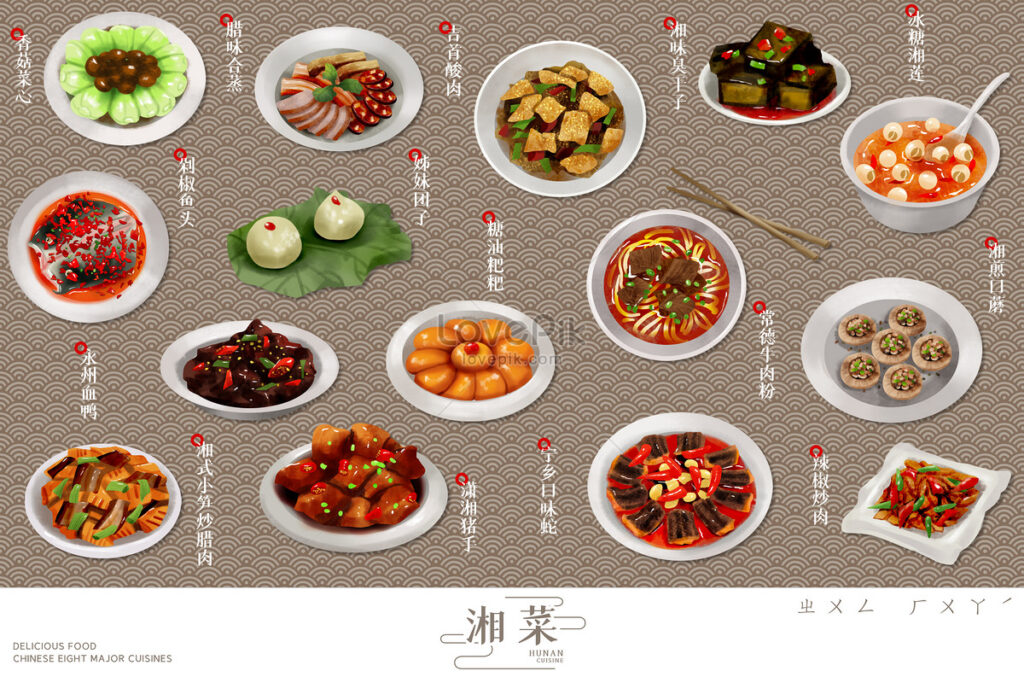
Zhangjiajie’s food belongs to the larger Hunan cuisine tradition, one of China’s Eight Great Culinary Styles. Hunan cuisine earned recognition for its bold spiciness, pronounced sourness, and rich use of oils and seasonings. Furthermore, the region’s warm and humid climate historically made chili peppers invaluable for food preservation and appetite stimulation.
Consequently, any exploration of Zhangjiajie’s food culture must acknowledge the central role chili peppers play in nearly every dish. From mild spice levels to “crazy” five-chili ratings, visitors quickly discover that heat isn’t optional—it’s fundamental to the region’s gastronomic identity.
Must-Try Dishes: Tujia Specialties That Define Zhangjiajie’s Food Scene
Tujia Sanxiaguo (三下锅): The Signature Hot Pot
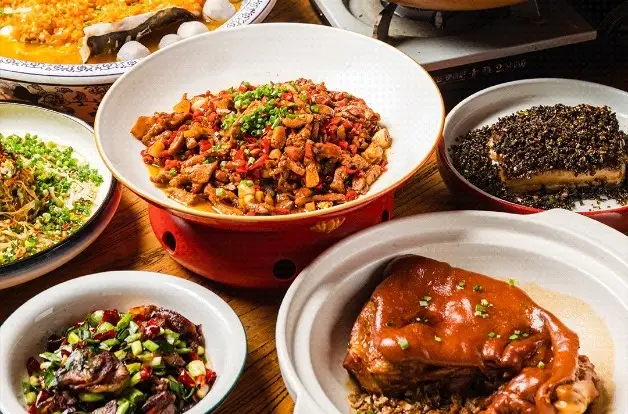
Tujia Sanxiaguo stands as the undisputed king of Zhangjiajie’s food landscape. This specialty dry pot dish combines three main ingredients—typically pork, chicken, and beef—prepared with special cooking techniques developed over generations. Unlike traditional hot pots requiring communal simmering, Sanxiaguo arrives at your table as a sizzling, concentrated dish bursting with flavor.
The magic lies in the preparation method and bold seasoning. Local chefs layer spicy peppers, numbing Sichuan peppercorns, garlic, and fermented ingredients to create a complex, mouth-tingling experience. According to local legend, Tujia families originally prepared this dish during New Year celebrations to bring prosperity and good fortune. Today, it remains the must-order item for first-time visitors experiencing Zhangjiajie’s food culture.
Where to try it: Ye Hua Xiang Hunan Cuisine, Suoxi Mountain Village, or Zhaisao Dangjia Restaurant all serve exceptional versions.
Xiangxi Bandit Chicken: A Dish with Colorful History
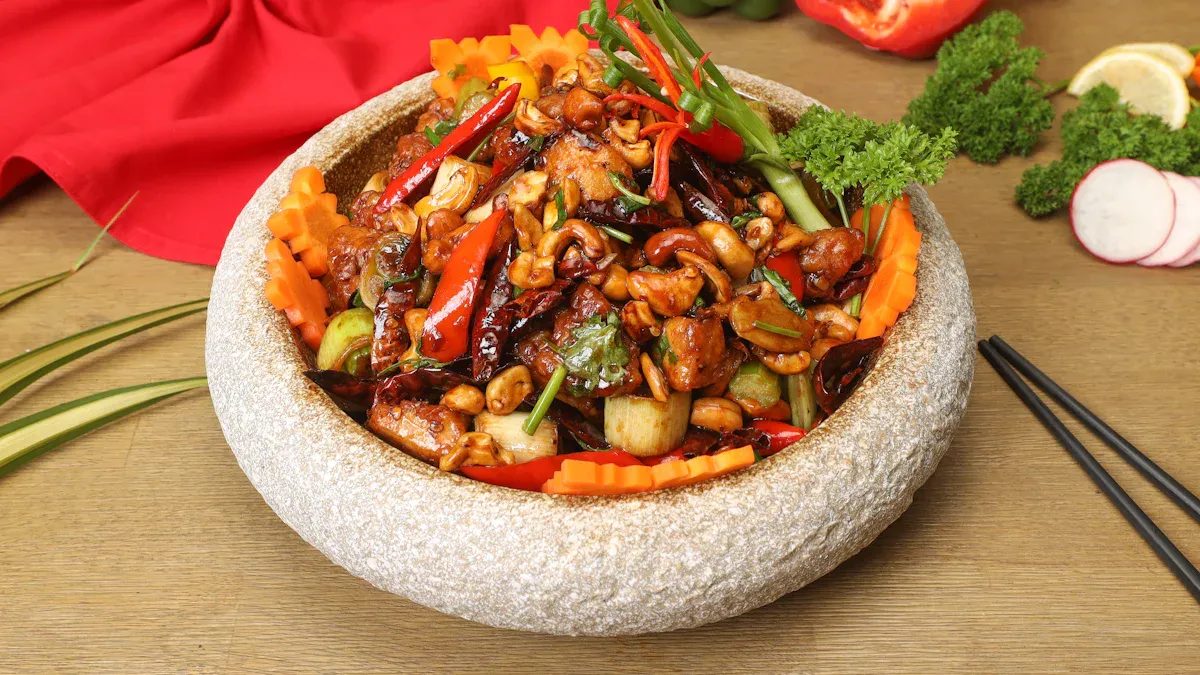
Xiangxi Bandit Chicken tells a story as intriguing as Zhangjiajie’s dramatic landscape. This legendary dish allegedly originated from mountain bandits who prepared chicken using bold, spicy techniques to create memorable meals during their exploits. Whether historically accurate or not, the name perfectly captures the adventurous spirit of Zhangjiajie’s food.
The preparation involves marinating chicken pieces in chili peppers, fermented bean paste, and local spices before cooking. Consequently, each bite delivers layers of flavor—heat, depth, and unexpected umami richness. The dish exemplifies how Zhangjiajie’s food transforms simple ingredients into unforgettable experiences.
Rock Ear Stewed Chicken: Nature’s Delicacy
Rock Ear (岩耳), a local fungus growing on mountain rocks, represents Zhangjiajie’s food at its most authentic. This earthy mushroom, prized for its tender texture and subtle flavor, combines beautifully with tender chicken in slow-simmered broths. Consequently, Rock Ear Stewed Chicken delivers profound comfort—warming, nourishing, and deeply connected to the mountains themselves.
The cooking method involves simmering chicken with rock ear mushrooms for hours, allowing flavors to meld into rich, complex broths. Local diners swear by the dish’s restorative properties, particularly after strenuous hiking through Zhangjiajie National Forest Park.
Bamboo Shoots: Spring’s Most Celebrated Gift
When spring arrives in Zhangjiajie, tender bamboo shoots transform the region’s food scene. Appearing for just a few weeks annually, fresh bamboo shoots represent culinary treasure that locals eagerly anticipate. From April through May, restaurants feature entire menus celebrating this ingredient’s delicate flavor.
Bamboo shoots appear in multiple preparations throughout Zhangjiajie’s food culture: tossed with wild garlic and fragrant oils, braised alongside cured pork, or simmered into light, refreshing soups. Visitors timing their trip to spring discover why bamboo shoots hold special significance in Hunan cuisine tradition.
Tujia Cured Meat: The Foundation of Mountain Cuisine
Tujia Smoked Bacon (腊肉) stands as perhaps the most essential ingredient in Zhangjiajie’s food traditions. During winter, local families cure pork with salt and spices before hanging it in smokehouses where pine and cypress wood impart distinctive flavor. This preservation method, unchanged for generations, creates meat that’s simultaneously smoky, salty, and deeply savory.
Beyond simple cured meat, this ingredient appears throughout Zhangjiajie’s food offerings: stir-fried with ferns for vegetable balance, combined with bamboo shoots in soup, or layered into hot pots for richness. Quality matters significantly here, so seek deep red meat with a golden fat layer when purchasing from local vendors, particularly at Tianzi Mountain’s traditional villages.
Top Restaurants: Where English-Speaking Tourists Find Authentic Zhangjiajie Food
Ye Hua Xiang Hunan Cuisine
Located at 98 Guihua Road, Ye Hua Xiang represents the gold standard for visitors seeking authentic Zhangjiajie food without compromising on comfort. The bright, welcoming environment puts first-time visitors at ease, while the menu delivers exceptional versions of regional specialties.
Their Tujia Sanxiaguo rivals anything you’ll find elsewhere, prepared with careful attention to spice balance and ingredient quality. Additionally, Rock Ear Stewed Chicken and Xiangxi Specialty Dagupi showcase the chef’s deep understanding of local traditions. Average cost runs approximately CNY 60-80 per person, making it accessible without sacrificing quality.
Le Kou Fu Homestyle Restaurant
Situated opposite the City People’s Hospital on Guyong Road, Le Kou Fu builds its reputation on authentic Zhangjiajie food prepared with exceptional attention to detail. The clean, bright interior and attentive service create welcoming atmospheres for international visitors.
Their signature offerings—Chopped Chili Fish Head, Guoba Gai Rou, and Paper-wrapped Shredded Chicken—represent comfort food at its finest. During hot months, consider ordering their refreshing Ice Jelly, a perfect counterbalance to spicy dishes. Prices average CNY 50-70 per person.
Zhaisao Dangjia Restaurant
For visitors seeking authentic local flavors with exceptional value, this restaurant delivers consistently excellent Zhangjiajie food. Located at Building S2, Huatiancheng Community on Xingmin Road, Zhaisao Dangjia specializes in authentic cuisine prepared with remarkable speed without sacrificing quality.
Their Stir-Fried Pork, Secret Recipe Sanxiaguo, and Crock Chicken showcase mastery of traditional preparation methods. At approximately CNY 49 per person, this represents outstanding value for tourists prioritizing authentic experiences.
Premier Dining in Wulingyuan District
Tangshifu Xiangxi Famous Dishes Restaurant
Located in Wulingyuan District with a spacious, welcoming environment, Tangshifu specializes in dishes that showcase Zhangjiajie’s food heritage with pride. The Chopped Chili Fish Head ranks among the best versions in the region, while their Fragrant Leaf Duck and Xiangxi Sanxiaguo demonstrate genuine expertise.
Average cost per person falls around CNY 70, positioning this restaurant as mid-range while delivering high-quality Zhangjiajie food. The spacious layout suits family groups, and staff members often accommodate special dietary requests when possible.
Maoshi Specialty Restaurant
With premium, fresh ingredients and creative preparations, Maoshi (located at No. 300, Weiyang Road, Wulingyuan District) elevates Zhangjiajie’s food to new heights. Their Xiangxi Bandit Grilled Fish, Braised Pork Belly, and homemade rice wine represent exceptional interpretations of regional traditions.
Average cost reaches approximately CNY 59 per person, reflecting the higher ingredient quality and thoughtful presentation. Consequently, this restaurant suits special occasions or diners seeking restaurant dining that transcends typical street food experiences.
Suoxi Mountain Village: Cultural Dining Experience
Suoxi Mountain Village presents more than just excellent Zhangjiajie food—it offers genuine cultural immersion. Located at the crossroad of Jundi Road and Tuofeng Road, this establishment doubles as a folk museum showcasing traditional Xiangxi culture through architecture, decorations, and storytelling.
Their specialty dishes—Stewed Chicken with Black Fungus, Waxed Meat Rice, and Stone Mill Fresh Tofu—demonstrate authentic preparation methods passed through generations. With prices averaging CNY 73 per person, Suoxi Mountain Village rewards visitors who value cultural context alongside culinary excellence.
Night Markets and Street Food: Discovering Zhangjiajie’s Food Street Culture
Hourong Street: The “Local Youth’s Night Canteen”
Hourong Street, located on Ziwu Road in Yongding District, represents Zhangjiajie food at its most accessible and energetic. Known affectionately as the “local youth’s night canteen,” this one of the largest night markets in the region features over 100 vendors selling regional specialties and snacks from across China.
Here, visitors sample Xi’an Roujiamo, Sichuan Bingfen (ice jelly), and northeastern sauced meats alongside Zhangjiajie food specialties. Consequently, the street transforms after sunset into a vibrant social hub where locals and tourists mingle freely. Prices range dramatically—from CNY 10-15 for grilled items to CNY 25-35 for malatang (build-your-own hot pot).
Xibu Street: Where Zhangjiajie Food Meets Culture
Xibu Street operates from 7:00 am to 11:30 pm, but truly comes alive after dark when visitors return from scenic areas. This famous night market in Wulingyuan offers far more than food—it’s a complete cultural destination combining shopping, performances, and dining.
The “Original Taste Lane” specifically showcases Zhangjiajie’s food heritage through sesame seed candy, duck neck recipes, spiced peanuts, stewed shrimps, Wugang plasma ducks, and Chen Mouren’s famous Stinky Tofu. Moreover, the street features folk performances, bonfire parties starting at 9:30 pm, and traditional shows including Xiangxi opera and shadow puppetry—all enhancing your understanding of the culture behind the food.
West Street: Paradise for Food Enthusiasts
West Street gathers Chinese cuisine, tea restaurants, dining bars, BBQs, and coffee venues into one energetic destination. The street transforms into a complete food experience where visitors encounter everything from traditional hot pots to contemporary fusion offerings.
Their BBQ specialties—roasted eggplant, beans, potatoes, peppers, and fried bananas—represent simple vegetable preparations elevated through skilled charring and careful seasoning. Consequently, vegetarian visitors discover exceptional options alongside the region’s famous meat-centric dishes.
Conclusion: Zhangjiajie Food as the Heart of Your Travel Experience
Zhangjiajie’s food represents far more than regional cuisine—it embodies centuries of Tujia tradition, mountain wisdom, and genuine hospitality expressed through bold, unforgettable flavors. From iconic dishes like Tujia Sanxiaguo to hidden gems discovered at night markets, this comprehensive Zhangjiajie travel guide reveals how food connects visitors to the region’s soul.
Whether you’re selecting individual restaurants or incorporating Zhangjiajie into a broader China travel package, prioritizing authentic culinary experiences enriches your entire journey. Furthermore, the restaurants, street markets, and seasonal specialties featured throughout this guide ensure that your Zhangjiajie food adventure becomes as memorable as the Avatar Mountains themselves.
As you plan your expedition to this extraordinary region, remember that every meal tells a story—of mountains that shaped the ingredients, of communities that perfected the techniques, and of genuine hospitality that welcomes visitors to become temporary members of an extended culinary family. Consequently, embrace the spice, celebrate the unfamiliar flavors, and allow Zhangjiajie’s food to become your most lasting memory of this remarkable destination.
Popular Packages
Choose Best Holiday Package
Why Choose This Shaoxing Yellow Wine (Huangjiu) Journey? This journey offers a cultural immersion into Shaoxing, the 2,000-year-old birthplace of…

This carefully planned itinerary balances nature, spirituality, and culture, offering travelers a well-rounded exploration of Tibet’s incredible heritage. Whether you're interested in Buddhist spirituality, natural landscapes, or authentic cultural experiences, this tour will allow you to experience the best of Tibet in an intimate and respectful way.
This is more than a school trip—it’s a journey into the heart of Tibet, where ancient traditions meet snow-capped mountains and spiritual wisdom flows through every valley.
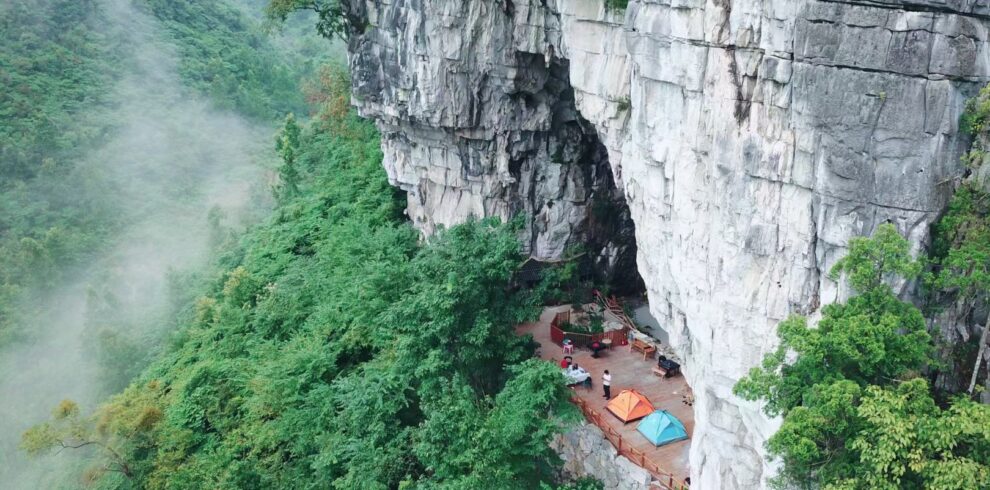
This 6-day educational adventure in Guizhou, China is crafted especially for overseas families and international school students, blending natural sciences, human geography, engineering, and ethnic culture into one unforgettable immersive experience.
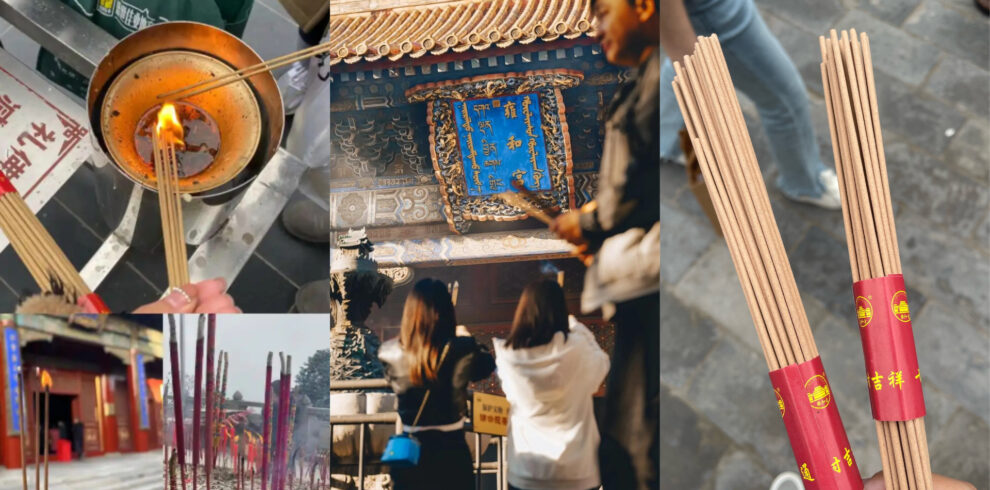
Join a meaningful half-day tour to Yonghe Temple — one of the top places of interest in Beijing — and experience a Buddhist blessing ritual, explore sacred halls, and discover local life in a hidden artistic hutong.
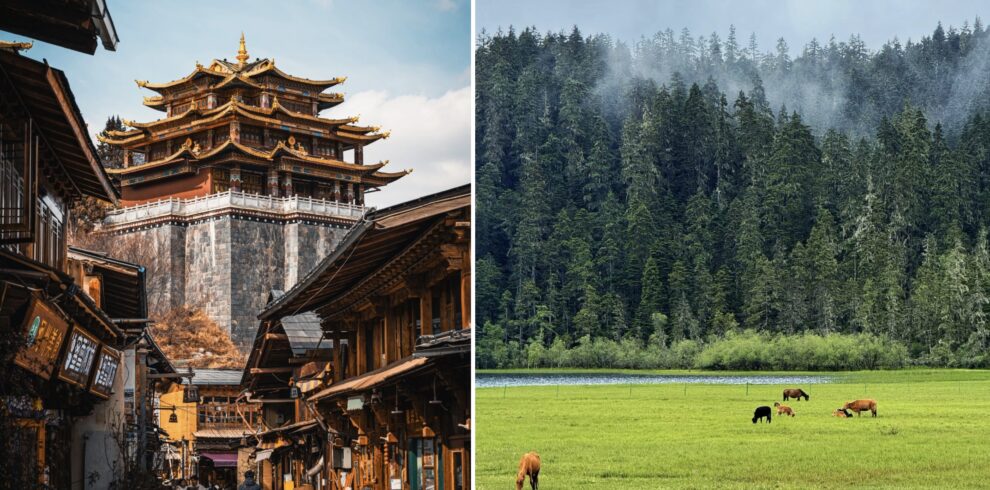
Explore Yunnan’s most iconic destinations in 8 days. From Kunming’s cultural charm to Dali’s lakeside beauty, Lijiang’s ancient towns, and Shangri-La’s Tibetan landscapes—this immersive China tour blends nature, heritage, and ethnic culture.